

A pancreatitis diagnosis changes how you shop for dog food overnight. Fat becomes the enemy, bland beats fancy, and every label gets read twice before it goes in the cart. This shortlist covers enzyme powders, low-fat prescription diets, and gentle wet foods that owners of sensitive dogs reach for most often. One note up front: always loop your vet in before switching a dog with pancreatic issues to any new food or supplement.
The Shortlist At A Glance

Pan-tenex 10x Digestive Enzymes for Dogs, 8.8 oz

Hill’s Science Diet Adult 7+ Perfect Digestion Dry Food

Hill’s i/d Low Fat Digestive Care Wet Dog Food
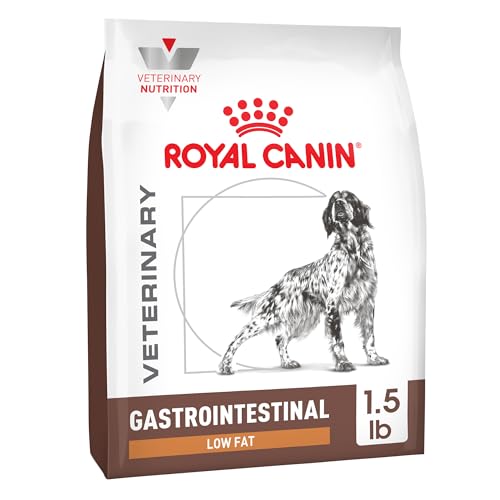
Royal Canin GI Low Fat Dry Dog Food, 1.5 lb Bag

Hill’s k/d Kidney Care Wet Dog Food

Dave’s Pet Food Bland Diet Chicken & Rice, 12 pk

Weruva Meals ‘n More Belly Belly Nice! Variety Pack
More Details On Our Top Picks
This is not a food at all, but an enzyme powder you sprinkle over whatever your dog already eats. Porcine pancreatic enzymes supply lipase, amylase, and protease, the three workhorse enzymes that break down fats, starches, and proteins so nutrients actually get absorbed. For dogs whose pancreas struggles with that job, this kind of supplement is often the backbone of the whole feeding plan.
The dosing is per meal rather than per cup of food, which matters more than it sounds. A Great Dane and a Beagle eating the same kibble use the same scoop count, so larger dogs go through the tub far more slowly than cup-based products allow.
Strong Points
- Highest-strength 10x porcine enzyme concentration means smaller servings per meal.
- Covers all three macronutrients, so fats, carbs, and protein get digestive help.
- Acetone-free and dust-free formulation keeps handling cleaner and odor down.
- Per-meal dosing stretches an 8.8 ounce tub further in multi-dog homes.
- Mixes into any existing diet without forcing a food switch.
Things To Consider
- It is a supplement, not complete nutrition, so it cannot replace a proper diet.
- Powder containers need a dry, sealed storage spot since moisture clumps enzyme powders.
Key Specs
Who It Suits Best
Dogs already on a vet-approved low-fat diet who still need extra help digesting fat and protein at every meal.
A Better Fit Elsewhere
Shoppers wanting a complete standalone meal should look at Hill’s i/d Low Fat Digestive Care instead, which is formulated as full nutrition.
Where the Pan-tenex powder adds enzymes, this kibble works through prebiotics instead. ActivBiome+ is Hill’s name for its proprietary prebiotic blend, designed to feed the beneficial bacteria already living in your senior dog’s gut. Whole grain oats and pumpkin round out the fiber picture, and chicken leads the ingredient list.
Hill’s positions this as a seven-day formula for promoting regularity and healthy stools, which tracks with how prebiotics typically behave once the microbiome adjusts. Owners of older dogs commonly report firmer, more predictable stools within the first couple of weeks. The honest caveat: this is a maintenance food, not a therapeutic one, so it suits dogs with mild sensitivity rather than active pancreatic flare-ups.
What We Like
- ActivBiome+ prebiotics support stool quality without a prescription.
- Real chicken as the first ingredient keeps palatability high for fussy seniors.
- Oats and pumpkin add gentle, familiar fiber sources.
Worth Noting
- Not formulated specifically for pancreatitis, so fat content may be higher than therapeutic diets.
The Right Fit
Senior dogs with occasional loose stools whose vet has cleared them for an over-the-counter maintenance diet.
Swap It Out When
Dogs with diagnosed pancreatic disease do better on Royal Canin GI Low Fat, which is built around restricted fat from the ground up.
This is the can many vets point toward during recovery. The rice, vegetable, and chicken stew format is highly digestible by design, and the low-fat profile targets exactly the dogs that struggle to process fat. Unlike the Dave’s bland diet later in this list, this one carries a prescription-style formulation developed by Hill’s nutritionists and veterinarians, with ActivBiome+ prebiotics included to activate the gut microbiome quickly.
In practice, wet food earns its keep during flare-ups because appetite drops and soft textures go down easier. The stew also mixes well with kibble for dogs transitioning back to dry diets. Omega fatty acids are part of the package too, supporting skin and coat while digestion settles.
Bright Spots
- Low-fat formula built specifically for dogs that cannot tolerate much fat.
- ActivBiome+ prebiotics are included to support fast microbiome response.
- Stew texture appeals to dogs with reduced appetite during digestive upset.
- Available in multiple can sizes and pack counts to match household needs.
Small Caveats
- Therapeutic diets like this typically require veterinary guidance before long-term use.
- Canned formats cost more per calorie than dry kibble equivalents.
- Opened cans need refrigeration and get used within a few days.
Quick Facts
Made For
Dogs recovering from a pancreatic episode whose veterinarian has recommended a therapeutic low-fat wet diet.
Where A Sibling Pick Shines
For budget-conscious short-term bland feeding without a vet consult, Dave’s Pet Food Bland Diet covers similar ground at a friendlier cost.
Royal Canin’s gastrointestinal line is a staple in vet clinics, and the Low Fat variant exists precisely for dogs that digest fat poorly. The kibble pairs restricted fat with a blend of dietary fibers and prebiotics meant to keep good gut bacteria in balance, which supports healthier stools over time. Flavoring is a genuine consideration here, since even the best therapeutic diet fails if the dog refuses it, and Royal Canin invests heavily in palatability.
The bag size range deserves attention. A 1.5 lb trial bag lets you confirm your dog accepts the kibble before committing to the 28.6 lb bulk option, which is the smart way to buy any prescription diet.
Plus Points
- Low-fat formulation aimed directly at fat-intolerant digestive systems.
- Fiber and prebiotic blend supports balanced gut bacteria and stool consistency.
- Four bag sizes let you trial small before buying bulk.
Points To Note
- As a veterinary diet, it generally calls for professional guidance before switching.
- Kibble requires proper sealing after opening to stay fresh in humid climates.
At A Glance
Right Fit For
Dogs needing a long-term daily low-fat kibble under veterinary supervision, especially larger breeds where bulk bags pay off.
Consider Something Else When
Appetite has dropped during a flare-up, in which case the softer Hill’s i/d Low Fat stew is usually easier to get into the bowl.
This pick earns its spot for a narrower crowd: dogs managing kidney trouble alongside digestive sensitivity. The k/d Kidney Care stews are formulated by Hill’s nutritionists and veterinarians to protect kidney function, and they carry ActivBiome+ Kidney Defense, a prebiotic blend shown to activate the gut microbiome in support of the kidneys. That gut-kidney connection is why some vets reach for it when a patient has overlapping conditions.
You get two flavor directions, beef and vegetable or chicken and vegetable, both in stew form across several can sizes. One honest caution: this is not a pancreatitis-specific formula, so it belongs on this list only as a targeted option for dual-diagnosis dogs whose vet signs off.
Highlights
- ActivBiome+ Kidney Defense prebiotics support kidney function through the gut.
- Two stew flavors give picky eaters a choice.
- Multiple can sizes suit everything from toy breeds to large dogs.
Softer Spots
- Kidney-focused rather than pancreatitis-focused, so fit depends entirely on your vet’s assessment.
Who Will Love This
Dogs with declining kidney function whose care plan also calls for a gentle, easily digested wet food.
Reach For A Different Pick When
Kidneys are healthy and fat restriction is the only concern, because the Hill’s i/d Low Fat stew matches that need more directly.
Chicken and white rice is the classic home remedy for an upset stomach, and Dave’s simply puts it in a can so nobody is boiling chicken at midnight. The recipe runs about six percent crude fat, which sits comfortably in gentle territory for dogs prone to diarrhea, vomiting, or gas. Compared with the Hill’s i/d stew reviewed earlier, this one skips the clinical prebiotic technology but costs noticeably less per can.
Dave’s also sells the same bland concept in lamb and turkey versions, handy for dogs with poultry sensitivities. Owners commonly report using these cans for short stretches during digestive rough patches or food transitions rather than as permanent fare.
Reasons To Buy
- Roughly six percent crude fat keeps the recipe easy on delicate digestion.
- Simple chicken and white rice base mirrors the classic homemade bland diet.
- Twelve-can case means a stash is ready before symptoms start.
- Lamb and turkey variants cover protein-sensitive dogs.
Minor Gripes
- Not a complete long-term diet, so extended exclusive feeding needs vet input.
- Lower ingredient complexity means fewer added micronutrients than therapeutic formulas.
- Some dogs tire of the plain flavor over repeated use.
Who Should Grab It
Owners keeping an affordable emergency stash on hand for sudden stomach upset or post-flare-up transition days.
Not Your Match When
Your dog needs ongoing clinical nutrition, where the Royal Canin GI Low Fat kibble delivers fuller long-term support.
Variety is the selling point here. This ten-cup pack pulls together four Weruva digestive-support recipes, including Grandma’s Chicken Soup Plus, Amazon Livin’ Plus, Bed and Breakfast Plus, and Wok The Dog Plus, so rotation happens without buying four separate cases. Each recipe adds pumpkin, quinoa, and inulin, a prebiotic fiber that feeds beneficial gut bacteria, which is the same general mechanism behind the pricier clinical foods on this list.
The 3.5 oz cups suit small dogs or serve as toppers for larger ones. Weruva markets these as grain-free, gluten-free, and carrageenan-free, details that matter to owners reading labels closely. Worth noting though, this is an over-the-counter wellness line rather than a therapeutic diet, so it fits maintenance feeding better than acute flare-ups.
Standout Traits
- Four different digestive-support recipes prevent mealtime boredom.
- Pumpkin, quinoa, and inulin provide natural fiber and prebiotic support.
- Single-serve cups cut down on leftovers and refrigeration hassle.
- No grains, gluten, or carrageenan in the formulations.
Honest Caveats
- Small cups mean frequent reordering in multi-dog households.
- Not formulated for clinical fat restriction, so severe cases need a prescription diet.
Details At A Glance
Whose Shelf It Belongs On
Small-breed owners and topper users whose dogs tolerate moderate fat and thrive on rotating flavors.
Look Elsewhere When
Fat must stay strictly minimal, because the Dave’s Bland Diet at roughly six percent crude fat handles that constraint better.
Choosing Wisely: What Matters Before You Buy
Fat Content Comes First
Fat is the single number to check on every label. Dogs with pancreatic trouble digest fat poorly, so lower percentages put less demand on the organ. Therapeutic diets publish their fat levels openly, while regular grocery brands often make you dig for them.
Prescription Versus Over-The-Counter
Products like Hill’s i/d and Royal Canin GI Low Fat are formulated for diagnosed conditions and work best under veterinary direction. Over-the-counter options such as Dave’s or Weruva suit milder situations and emergency stashes. Matching the product tier to the severity of the situation saves money and stress.
Enzyme Support As A Companion
An enzyme powder like Pan-tenex layers onto any diet rather than replacing one. Dogs on long-term low-fat plans sometimes still need extra lipase to handle the fat they do eat. Ask your vet whether supplementation fits your dog’s specific numbers.
Texture And Appetite Reality
The best formula on paper fails if the bowl comes back full. Wet stews win during low-appetite stretches, kibble wins on cost and convenience for stable dogs. Many households keep both on hand and shift between them as needed.
Key Considerations Across These Picks
Traps First Timers Fall Into
Switching foods abruptly is the classic error, since sudden changes can trigger the very digestive chaos you are trying to avoid. Transition over a week or more, mixing increasing amounts of the new food. Another slip is reading marketing claims instead of the guaranteed analysis panel, where the actual fat percentage lives.
The Case For Spending Up
Therapeutic diets cost more because they carry clinical formulation, targeted nutrient profiles, and research behind them. For a dog with recurring episodes, that premium often translates into fewer vet visits and steadier days. For a dog with only occasional sensitivity, the budget options here do the job well enough.
Bottom Line
Start with your vet’s guidance, then match the product to the situation: Pan-tenex for enzyme backup, Hill’s i/d or Royal Canin for therapeutic low-fat feeding, Dave’s for an affordable safety net, and Weruva for everyday variety. Whichever route fits your dog, slow transitions and consistent portions will do as much heavy lifting as the label itself.
