

A sick dog changes your whole routine. Appetite drops, stomachs turn fussy, and the kibble that worked last month suddenly sits untouched in the bowl. This roundup gathers nine gentle options, from vet-formulated digestive diets to lickable supplements and hydrating toppers, so you can match the product to what your dog is actually going through. Always loop in your veterinarian before switching a sick dog’s diet, since the right choice depends on the diagnosis.
The Shortlist At A Glance

Hill’s Prescription Diet i/d Digestive Care Wet Dog Food
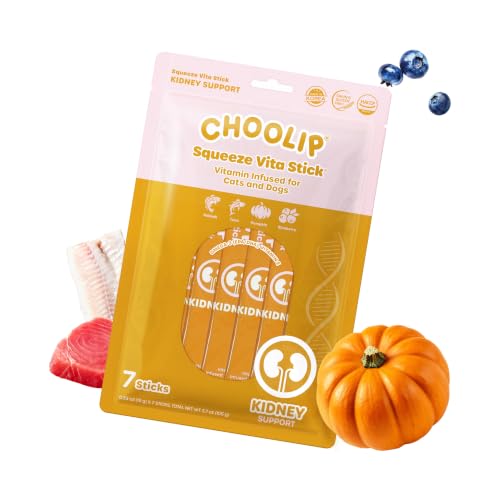
Choolip Squeeze Vita Stick Kidney Support Treats

Hill’s Prescription Diet i/d Low Fat Wet Dog Food

Dave’s Pet Food Bland Diet Dog Food Chicken & Rice

Weruva Meals ‘n More Belly Belly Nice! Variety Pack

Brutus Bone Broth for Dogs Beef & Pork

Vetri-CAL High Calorie Nutritional Gel 5 oz Tube

Health Extension Stress Relief Supplement 8oz

KOHA Limited Ingredient Bland Diet Chicken & White Rice
More Details On Our Top Picks
This is the option most vets reach for first when a dog’s gut needs a reset. The chicken and vegetable stew comes in three can sizes, from a 5.5-ounce small-breed portion up to a 13-ounce can, which matters more than it sounds when you’re spooning out half-meals every few hours.
The formula is built around highly digestible ingredients, meaning nutrients your dog’s system can absorb with minimal digestive effort. Hill’s nutritionists and veterinarians designed it specifically to settle digestive upsets in adult dogs, and the wet format helps with hydration at the same time.
Strong Points
- Nutrition clinically shown to help settle digestive upsets in adult dogs
- Highly digestible recipe supports easier nutrient absorption during recovery
- Stew texture tempts dogs whose appetite has gone missing
- Three can sizes cut down on wasted leftovers between feedings
Things To Consider
- Prescription-style therapeutic diets typically cost more per meal than standard canned food
- Open cans need refrigeration and should be used within a couple of days
Key Specs
Who It Suits Best
Adult dogs recovering from vomiting or diarrhea whose veterinarian has recommended a therapeutic digestive diet.
A Better Fit Elsewhere
Dogs needing a low-fat restriction do better with the Hill’s i/d Low Fat version reviewed below, which keeps the same digestive focus with reduced fat content.
Where the Hill’s cans replace a full meal, these lickable sticks work alongside one. The kidney support formula pairs tuna and pollack puree with pumpkin, blueberry, and omega-3 fatty acids, which are fats linked to cell health rather than digestion alone. A Korean veterinarian developed the line, and each stick targets a specific concern, from joints to liver to skin and coat.
In practice, this format shines for sick dogs who refuse bowls entirely. Squeezing a little onto a spoon or letting your dog lick it straight often gets calories into a reluctant patient. The grain-free, high-protein, low-sodium build also fits renal-support feeding plans many vets outline for kidney cases.
What We Like
- Vet-formulated specifically for kidney and urinary support
- Lickable texture works for dogs refusing solid food
- Seven targeted formulas cover multiple health concerns in one brand
- Grain-free with pumpkin and omega-3 for added nutritional value
Worth Noting
- Treat-sized portions won’t replace complete meals for larger dogs
- Seven-count packs run out quickly with daily use, so multi-pack buying makes sense
Made For
Dogs managing kidney or urinary issues who need an appealing, functional supplement layered into their daily routine.
Skip It When
Dogs with primary digestive trouble are better served by the KOHA bland diet later in this list, which addresses loose stool directly.
Some digestive problems come with a fat restriction attached, and that’s exactly where this sibling of our top pick earns its spot. The rice, vegetable, and chicken stew keeps the same highly digestible foundation as the original i/d formula while trimming fat for dogs whose conditions demand it, pancreatitis being the classic example.
You get the same size range as the standard version, including the handy 5.5-ounce cans for small dogs or frequent small feedings. Owners commonly report the stew consistency goes down easily even in dogs with lingering nausea, though palatability always varies by individual dog.
Highlights
- Low fat formulation for dogs requiring restricted-fat nutrition
- Same digestibility focus as the original i/d line
- Rice base adds gentle, binding carbohydrates
- Available in three can sizes to limit waste
Small Caveats
- Therapeutic pricing adds up over long recovery periods
- Unnecessary for dogs without a fat-sensitive condition, since regular i/d covers general upset
Right Fit For
Dogs whose veterinarian has flagged fat intolerance or pancreatic sensitivity alongside digestive upset.
Where Another Pick Suits Better
Healthy dogs simply bouncing back from a brief stomach bug may find the Dave’s Pet Food bland diet delivers similar gentleness at a friendlier cost.
Vets have prescribed plain chicken and rice for decades, and this canned version skips the stovetop step entirely. The recipe uses simple chicken and white rice with roughly six percent crude fat, a level gentle enough for dogs prone to diarrhea, gas, or vomiting during flare-ups.
The twelve-can case means you’re stocked before the next stomach emergency hits, which is honestly half the battle. Dave’s also sells lamb and turkey variants plus specialty recipes like restricted sodium, so multi-dog households can cover different needs from one shelf.
Upsides
- Only about 6% crude fat for easy digestion during flare-ups
- Ready-to-serve alternative to home-cooked chicken and rice
- Twelve-can case keeps a backup supply on hand
- Multiple protein variants suit rotation or preference
Points To Note
- Minimalist recipes lack the prebiotic fiber blends found in therapeutic formulas like Hill’s i/d
- Some picky dogs tire of the plain flavor over extended use
At A Glance
Who Should Grab It
Budget-minded owners who want a reliable, no-fuss bland diet stocked for occasional digestive emergencies.
Swap It Out When
Dogs needing clinically targeted microbiome support will get more from the Hill’s i/d formulas at the top of this list.
Sick dogs get bored fast, and this ten-cup variety pack answers that problem directly. Four different recipes appear across the pack, all fortified with pumpkin, quinoa, and inulin, a prebiotic fiber that feeds beneficial gut bacteria. Prebiotics matter here because a struggling digestive system often has an unbalanced microbiome behind it.
Each 3.5-ounce cup is a single serving, so there’s no half-eaten can festering in the fridge. The recipes stay grain-free and gluten-free, and the smaller portions suit toy breeds or dogs easing back toward full meals after illness.
Bright Spots
- Pumpkin, quinoa, and inulin support digestive balance
- Single-serve cups eliminate refrigeration and waste
- Four flavors keep reluctant eaters interested
- Grain-free and gluten-free throughout the pack
Softer Spots
- 3.5 ounces per cup means large dogs need several cups per meal
- Not formulated as a therapeutic diet for diagnosed conditions
Whose Shelf It Belongs On
Owners of small or medium dogs recovering gradually who want variety without committing to a full case of one flavor.
Another Choice May Suit
Dogs with diagnosed digestive disease should stick with the Hill’s i/d line, while healthy-but-fussy eaters fit this Weruva pack well.
Dehydration quietly worsens almost every illness, and this bone broth tackles that head-on. Every serving carries glucosamine and chondroitin, compounds commonly associated with joint cartilage support, so senior dogs get a secondary benefit while they rehydrate. The beef and pork recipe uses human-grade, all-natural ingredients and stays gluten-free with modest sodium.
Poured over kibble, it transforms dry food into something a nauseated dog might actually approach. You can also freeze it into cubes for slow-release licking sessions. Multiple sizes run from 16-ounce six-packs up to 32-ounce bottles, and the beef and chicken variant offers a second flavor path.
Reasons To Buy
- Glucosamine and chondroitin in every serving for hips and joints
- Human-grade, all-natural ingredient list
- Boosts hydration for dogs drinking less while ill
- Doubles as a gravy, topper, or frozen treat
Trade Offs
- A topper, not a meal, so it can’t carry nutrition alone
- Opened bottles need refrigeration and prompt use
Feature Rundown
Who Will Love This
Senior dog owners and anyone coaxing a dehydrated, picky patient back onto regular food.
Reach For A Different Pick When
Dogs needing actual calorie replacement belong on the Vetri-CAL gel below, which delivers concentrated energy rather than supplemental flavor.
When a dog won’t eat enough to hold weight, concentrated calories become the whole game. This malt-flavored gel packs vitamins, minerals, electrolytes, and omega 3-6-9 fatty acids into a squeeze tube rated at one and a half teaspoons per ten pounds of body weight daily, doubling safely for pets refusing food outright.
It works for cats and kittens too, which makes it a smart single purchase for mixed-species households. Squeezing directly into the mouth or stirring into food both work, and the tube format keeps dosing clean compared to powders or liquids.
Plus Points
- Concentrated calories help underweight pets regain condition
- Omega 3-6-9 plus vitamins A, D, E, and B for broad coverage
- Safe for dogs and cats, puppies and kittens alike
- Flexible dosing doubles for food-refusing animals
Minor Gripes
- A five-ounce tube depletes quickly at doubled doses for large dogs
- Supplement status means it complements meals rather than replacing them
Best Suited To
Owners nursing an underweight or post-illness pet who need dense, easy-to-administer calories fast.
Not Your Match When
Dogs eating adequately but stressed or picky may respond better to the Health Extension liquid supplement next, which targets appetite stimulation instead.
Stress and sickness feed each other in dogs, and this liquid supplement aims at that loop. Vitamin B drives the appetite-stimulation angle, while the formula is designed to help maintain steady blood sugar, a real concern for small breeds prone to hypoglycemia during stressful stretches. Dosing is straightforward: half a teaspoon morning and night, shaken well.
An unusual extra sets it apart from the Vetri-CAL gel above. The maker states the liquid also helps purify drinking water, adding a hydration angle most competitors skip. At eight ounces per bottle, one purchase lasts weeks of twice-daily dosing.
Standout Traits
- Vitamin B content supports appetite in picky or stressed dogs
- Formulated to help maintain normal blood sugar levels
- Simple twice-daily liquid dosing
- Eight-ounce bottle stretches across a long recovery window
Honest Caveats
- Liquid bottles can be messier to dose than squeeze tubes
- Lower calorie density than dedicated high-calorie gels
The Right Fit
Anxious, small-breed, or hypoglycemia-prone dogs whose appetite dips during stressful periods like boarding or household change.
Consider Something Else When
Post-surgery dogs needing serious caloric intake will do better with the Vetri-CAL gel, whose concentrated formula is built for weight restoration.
This is the closest thing to a vet-prescribed chicken-and-rice diet you can open instead of cook. One protein source, chicken, keeps the ingredient list short enough for genuinely sensitive stomachs, while white rice and pumpkin work together on stool quality and regularity. Pumpkin deserves a quick definition here: it’s a fiber-rich squash widely used to firm up loose stools in dogs.
Compared to Dave’s bland diet earlier in this list, KOHA leans harder into limited-ingredient philosophy and adds the pumpkin element. It feeds as a complete diet or as a topper, and the 12.5-ounce cans come in six or thirty counts depending on how long the recovery runs.
Positives
- Single animal protein simplifies digestion for sensitive systems
- Pumpkin and white rice support firmer stools and regularity
- No cooking required, ready straight from the can
- Works as a full diet or a meal topper
Areas To Watch
- Chicken-only limits options for dogs with poultry sensitivities
- Thirty-can bulk packs take up real pantry space
Quick Facts
Perfect Match For
Dogs battling loose stool or diarrhea whose owners want a ready-made limited-ingredient solution without kitchen time.
Where A Sibling Pick Shines
Dogs needing clinical-grade microbiome support should move up to the Hill’s i/d original, while budget shoppers can lean on Dave’s for similar simplicity.
What Matters Most Before Choosing Dog Foods For Sick Dog
Match The Product To The Symptom
Diarrhea calls for bland, low-fat, highly digestible recipes like the Hill’s i/d line or KOHA. Poor appetite calls for palatability tools such as lickable sticks, broths, or gels. Buying a great product aimed at the wrong symptom wastes recovery days.
Know Your Restrictions
Fat-sensitive conditions, kidney concerns, and poultry allergies each narrow the field sharply. Read the guaranteed analysis and ingredient list against whatever your veterinarian has flagged, not just the marketing on the front of the can.
Plan For Waste And Storage
Wet food spoils within days once opened, and sick dogs rarely finish a full serving. Single-serve cups, small cans, and resealable liquids reduce both waste and fridge clutter, which matters during a stressful week.
Supplements Versus Complete Diets
Gels, broths, and vitamin liquids support recovery but cannot replace balanced meals. Pair them with an appropriate food rather than substituting one for the other, and confirm dosing with your vet for any supplement.
Key Considerations Across These Picks
Traps First Timers Fall Into
The most common mistake is switching foods repeatedly during a flare-up, which gives a sensitive gut zero chance to stabilize. Another frequent slip is assuming “gentle” labels mean therapeutic; only formulations designed for digestive care deliver that level of support. Stock one appropriate option and stick with it through the recovery window.
What Separates Premium From Basic
Therapeutic diets cost more because they carry clinically studied ingredient technology, such as prebiotic fiber blends, and veterinary formulation behind them. That premium pays off for diagnosed conditions or prolonged recovery. For a routine two-day stomach bug, a straightforward bland diet usually does the job at a fraction of the spend.
Frequently Asked Questions
Can I feed my sick dog these foods without asking a vet?
For a mild, short-lived upset, bland diets are generally safe to try briefly. Persistent symptoms lasting more than a day or two warrant a veterinary visit before any diet change.
How long should a dog stay on a bland diet?
Most vets suggest two to three days, then a gradual transition back over several days. Extended use should follow professional guidance.
Are supplements like gels safe for puppies?
Several picks here, including the Vetri-CAL gel, list puppies among intended users. Follow the package dosing by body weight and confirm with your vet for very young animals.
What’s the difference between the two Hill’s i/d formulas?
The original targets general digestive upset, while the Low Fat version restricts fat for conditions like pancreatitis. Your vet determines which restriction applies.
Can bone broth replace water for a dehydrated dog?
Broth encourages drinking but doesn’t replace fresh water access. Offer both, and seek veterinary care for signs of significant dehydration.
Closing Thoughts
Feeding a sick dog is equal parts patience and preparation, and having the right product already on the shelf removes half the stress. Start with the symptom in front of you, confirm the plan with your veterinarian, and give whichever pick you choose a fair run before judging results. Your dog’s recovery will tell you quickly whether you got the match right.
