

Itchy skin is exhausting to watch, and most owners have already cycled through shampoos and sprays before realizing the real trigger often sits in the food bowl. The right diet can calm reactive skin from the inside, especially when it leans on single proteins, omega fatty acids, and easy-to-digest carbohydrates. This shortlist covers seven formulas built exactly for that job, from hydrolyzed prescription-style diets to budget-friendly salmon kibble. Whether you’re feeding a scratchy puppy, a senior with a dull coat, or a small breed that reacts to everything, one of these should fit your dog and your routine.
The Shortlist At A Glance

The Honest Kitchen Wholemade Whole Grain Beef Recipe Dehydrated Dog Food 10 lb Box

Blue Buffalo Life Protection Formula Salmon Adult Dry Dog Food 5 lb
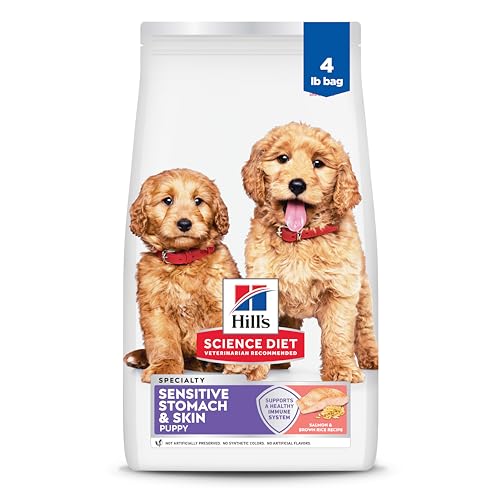
Hill’s Science Diet Puppy Sensitive Stomach & Skin Dry Dog Food

Purina Pro Plan Sensitive Skin and Stomach Senior Salmon and Rice 4 lb Bag

Blue Buffalo Basics Salmon Adult Grain-Free Dry Dog Food 4 lb

DIAMOND CARE Sensitive Skin Adult Dry Dog Food Hydrolyzed Salmon 8 lb

Royal Canin Small Sensitive Skin Care Adult Dry Dog Food 3 lb Bag
More Details On Our Top Picks
This dehydrated formula starts with ranch-raised beef, oats, and carrots, then dries everything gently instead of pressure-cooking it at high heat. Add warm water, wait about three minutes, and you’ve got a soft, hydrating meal that smells like actual food rather than extruded kibble.
In a busy household, that flexibility matters: serve it as a full meal or spoon it over dry food as a topper for a reluctant eater. A 10 lb box rehydrates into roughly 40 lbs of finished food, which stretches further than the box suggests.
Strong Points
- 100% human grade ingredients, so quality standards match what you’d cook yourself
- Fiber-rich oats and carrots support digestion, a common companion issue to skin flare-ups
- Beneficial fats work from the inside toward softer skin and a shinier coat
- Rehydrates fast, which suits older dogs or those who don’t drink enough water
- Doubles as a topper, letting you trial it without committing to a full switch
Things To Consider
- Preparation adds a step at mealtime, unlike grab-and-scoop kibble
- Once mixed, leftovers need refrigeration and shouldn’t sit out long
Key Specs
Made For
Owners who want fresh-food benefits without freezer space, especially those mixing toppers into an existing routine.
Where A Sibling Pick Shines
If prep time is a dealbreaker, Blue Buffalo Basics Salmon offers similar skin support in a pour-and-serve kibble format.
Chicken hides in more dog foods than most people realize, and for dogs whose skin reacts to poultry, that’s the whole problem. This Life Protection recipe sidesteps it entirely by building the formula around salmon and brown rice instead.
The 5 lb bag suits smaller dogs or a cautious first trial before upsizing. Compared with the dehydrated Honest Kitchen option above, this one trades minimal processing for convenience: scoop, done, no water required.
What We Like
- Salmon-first recipe with no chicken, helpful for suspected poultry sensitivities
- Brown rice provides steady, gentle carbohydrate energy
- Fish-based fats contribute to coat condition over weeks of consistent feeding
- Small bag keeps the trial affordable and the food fresh
Worth Noting
- Not grain-free, so it won’t suit dogs on grain-restricted diets
- Owners commonly report the fish aroma is noticeable, which some dogs love and some kitchens don’t
Who Should Grab It
Adult dogs with possible chicken sensitivities whose owners want a straightforward, widely available daily kibble.
Skip It When
Grain-free feeding is the goal, since Blue Buffalo Basics Salmon later in this list covers that ground directly.
Puppies complicate everything, because a growing body needs dense nutrition even while a touchy gut rejects half of what you offer. Hill’s built this salmon and brown rice recipe around prebiotic fiber, the indigestible plant compounds that feed beneficial gut bacteria and smooth out nutrient absorption.
Vitamin E alongside omega-3 and omega-6 fatty acids targets the skin side, while DHA supports brain development during the months it matters most. Available in 4 lb and 13 lb bags depending on how quickly your puppy eats through things.
Highlights
- Triple-action design addresses stomach, skin, and immune health together
- Highly digestible base helps firm stools during the house-training months
- Clinically studied antioxidant vitamins C and E back immune function
- DHA and quality protein fuel both brain growth and developing muscle
Minor Gripes
- Puppy-specific formula means an adult transition will be needed within a year or so
- Science Diet pricing typically runs above grocery-brand equivalents
Feature Snapshot
Right Fit For
Puppies prone to loose stools and flaky coats whose owners prefer a science-backed brand over boutique formulas.
A Better Fit Elsewhere
Adult dogs belong on Purina Pro Plan’s senior-sensitive formula or the Blue Buffalo options rather than a growth diet.
Senior dogs stack problems: stiffening joints, thinning coats, and digestive systems that grew pickier with age. Purina addressed all three in one bag, leading with salmon as the first ingredient and pairing it with oatmeal and rice, two of the easiest carbohydrates for an aging gut to process.
Glucosamine, a joint-support compound, and EPA, an anti-inflammatory-leaning omega-3, round out the senior-specific angle. At 29% protein, it also protects lean muscle mass, including cardiac muscle, which matters more after year seven than most owners appreciate.
Upsides
- Salmon listed first, not buried mid-ingredient-list like many competitors
- Oatmeal and rice maintain stool quality, a frequent senior complaint
- Glucosamine plus EPA supports mobility alongside skin health
- 29% protein helps preserve muscle in older bodies
- Natural prebiotic fiber and antioxidants cover digestion and immunity
Softer Spots
- Formulated specifically for seniors, so younger dogs should look elsewhere on this list
- The 4 lb bag runs small for large breeds, meaning frequent repurchasing
- Some owners report a transition period of gradual mixing is needed to avoid upset
At A Glance
Whose Shelf It Belongs On
Dogs aged seven and up showing both coat dullness and early stiffness, fed by owners who want one bag to handle both.
Swap It Out When
Your dog is still young; the Royal Canin small-breed formula below handles adult skin issues without senior-level joint additions.
Where the Life Protection version earlier kept brown rice in the bowl, this Basics recipe strips grains out completely and narrows the ingredient list to give reactive dogs fewer suspects. Real salmon leads, potato supplies the carbohydrates, and there’s no corn, wheat, soy, or poultry by-product meal anywhere in the mix.
Omega-3 and omega-6 fatty acids handle coat nourishment, while Blue Buffalo’s antioxidant-rich LifeSource Bits add immune support. It also comes in lamb and turkey variants if salmon doesn’t agree with your particular dog.
Bright Spots
- Single animal protein simplifies elimination-diet style troubleshooting
- Grain-free potato base suits dogs with suspected grain reactions
- No corn, wheat, soy, or poultry by-product meals
- Multiple protein variants let you rotate without changing brands
Points To Note
- Grain-free diets aren’t automatically healthier; discuss the choice with your vet for heart-health context
- Kibble bags stored in humid garages commonly lose freshness faster, so keep it sealed and cool
Who Will Love This
Adult dogs with grain suspicions whose owners want limited-ingredient simplicity from a mainstream, easy-to-find brand.
Reach For A Different Pick When
Skin reactions are severe and persistent; DIAMOND CARE’s hydrolyzed salmon formula takes the diagnostic approach further.
Hydrolysis sounds technical, but the idea is simple: the salmon protein is broken into fragments too small for the immune system to recognize as an allergen. That makes this Diamond CARE formula the closest thing on this list to a veterinary-style elimination diet, available without a prescription.
Peas supply the carbohydrates and palatability, while omega-3 and omega-6 fatty acids arrive in a ratio chosen specifically for skin and coat outcomes. Compared with Blue Buffalo Basics, this is the more aggressive tool for dogs that didn’t improve on standard limited-ingredient recipes.
Plus Points
- Hydrolyzed salmon is the sole animal protein, minimizing allergen exposure
- Balanced omega fatty acid ratios target skin directly
- 8 lb size offers better value per pound than the smaller bags here
- Also comes in sensitive stomach and weight management variants
Honest Caveats
- Palatability can be hit or miss; some dogs take days to accept hydrolyzed formulas
- Severe cases still warrant veterinary guidance before self-diagnosing through diet alone
Core Details
Who It Suits Best
Dogs with stubborn, recurring skin issues whose owners have already tried conventional limited-ingredient foods without results.
Consider Something Else When
Your dog simply has a dry coat with no confirmed allergy history; Royal Canin’s small-breed formula is gentler and usually better accepted.
Small breeds complicate skin care because their kibble needs to be tiny enough for little jaws yet concentrated enough to deliver meaningful fatty acid doses. Royal Canin engineered this formula for dogs ten months and older weighing up to 22 lb, with kibble sized accordingly.
The nutrient story centers on omega-3 and omega-6 fatty acids, including EPA, DHA, and GLA, a plant-derived omega-6 that shows up less often in mainstream foods. A loaf-in-sauce wet version exists too, useful for mixing routines or fussy eaters.
Reasons To Buy
- Precisely tailored to small dogs up to 22 lb, ten months and older
- EPA, DHA, and GLA combination nourishes dry skin thoroughly
- Formulated explicitly to maintain a healthy, shiny coat
- Matching wet food variant simplifies mixed feeding
Small Caveats
- The 3 lb bag disappears quickly even in single-small-dog homes
- Strictly for small breeds, so mid-size and large dogs need a different pick
Quick Facts
Built With In Mind
Owners of Frenchies, Shih Tzus, and similar small breeds dealing with chronically dry, flaky coats.
Another Choice May Suit
Larger sensitive-skinned dogs fit better with the Purina Pro Plan senior formula or the Blue Buffalo Basics recipe above.
What Matters Most Before Choosing Foods For Sensitive Skin Dogs
Protein Source Comes First
Skin reactions in dogs most often trace back to animal proteins, with chicken and beef topping the list of usual suspects. Reading the first five ingredients tells you more than any marketing claim on the front of the bag. Single-protein formulas make troubleshooting far easier because there’s only one variable to remove.
Fatty Acids Do The Coat Work
Omega-3 and omega-6 fatty acids are the nutrients that actually rebuild skin barrier function, and they appear in every formula on this list in some form. EPA and DHA come from fish sources, while GLA arrives via plant oils. Consistency matters more than dose spikes, so plan on eight to twelve weeks of steady feeding before judging results.
Match The Life Stage
Puppies, adults, and seniors have different baseline needs, and a mismatched formula creates new problems while solving old ones. The Hill’s puppy recipe and Purina senior formula exist for good reason. Feeding a growth diet to a sedentary senior, or vice versa, works against you.
Digestibility Supports Everything Else
A dog that can’t absorb nutrients won’t see skin benefits regardless of formulation quality. Prebiotic fiber, oatmeal, and easily digested carbohydrates show up repeatedly across these picks because absorption is the quiet bottleneck in every skin-improvement plan.
Key Considerations Across These Picks
Traps First Timers Fall Into
Switching foods too fast is the classic error; abrupt changes cause digestive upset that gets blamed on the new formula. Transition over seven to ten days, mixing increasing proportions. Another common slip is judging results in two weeks when coat cycles genuinely need closer to three months to show change.
What Separates Premium From Basic
Higher-tier formulas spend their extra cost on hydrolyzed proteins, clinically studied nutrient levels, and tighter ingredient sourcing. That premium earns its keep for dogs with confirmed or severe reactions. Mild seasonal dryness rarely justifies the upgrade, and a solid mid-range salmon recipe handles it well.
Closing Thoughts
Sensitive skin rarely has one clean answer, but the pattern across these seven is clear: identify the likely trigger, simplify the ingredient list, and feed consistently for at least two months before drawing conclusions. Start with the profile that matches your dog’s age and severity, transition slowly, and loop in your vet whenever itching persists despite dietary changes. Your dog’s coat will tell you when you’ve found the right bowl.
