

When a dog is under the weather, appetite drops fast and every bowl matters. The right food can coax a picky stomach back on track, whether that means a gentle wet stew, a flavorful broth poured over kibble, or a lickable treat that gets nutrients into a reluctant patient. This roundup covers seven options built for sensitive digestion, low-fat needs, kidney support, and everyday hydration. Each one suits a different recovery scenario, from post-upset bland diets to long-term senior care.
The Shortlist At A Glance

Wellness Bowl Boosters Digestive Health Dog Food Topper, Chicken, 4 oz

Hill’s Prescription Diet i/d Digestive Care Wet Dog Food

Café Nara Chicken Bone Broth Topper for Dogs & Cats, 17.6 oz
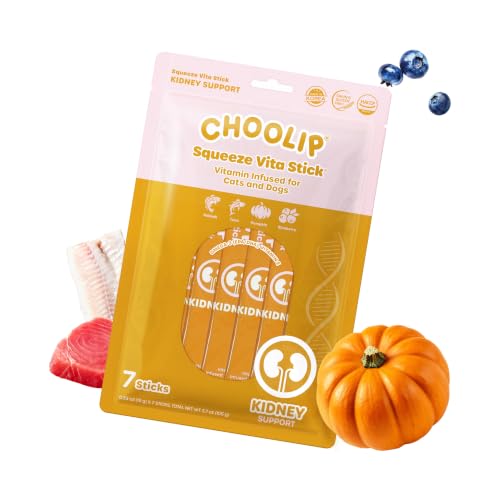
Choolip Squeeze Vita Stick Kidney Support Treats, 7-Count

Hill’s Prescription Diet i/d Low Fat Digestive Care Wet Dog Food

Weruva Meals ‘n More Belly Belly Nice! Digestive Support Variety Pack
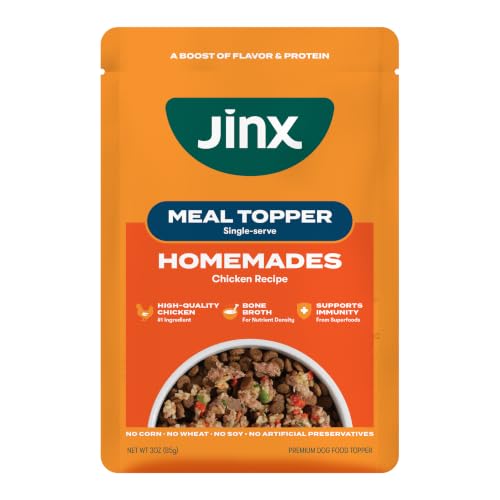
Jinx Chicken Wet Dog Food with Bone Broth & Brown Rice
More Details On Our Top Picks
A sick dog often turns its nose up at the same kibble it ate happily last week. This grain-free topper from Wellness adds freeze-dried chicken, fruits, and vegetables over the regular meal, which is usually enough to restart interest without changing the whole diet. The four-ounce bag suits small households, though multi-dog homes may want the two-pack.
The Digestive Health recipe sits inside a wider CORE Bowl Boosters line covering joint, skin, immune, and heart formulas, so you can match the topper to your dog’s specific issue rather than guessing.
Strong Points
- Freeze-dried pieces keep aroma high, which matters most when appetite is low
- Grain-free chicken recipe fits dogs with common protein sensitivities
- Works across small, medium, and large breeds with no portion redesign
- Functional line lets you switch targets, like joints or coat, as needs change
Things To Consider
- A four-ounce bag goes quickly for large dogs, so cost per serving climbs
- Freeze-dried bits can crumble in transit; owners commonly report dust at the bag bottom
Key Specs
Made For
Dog owners managing mild, ongoing tummy trouble who want a low-effort boost over existing food rather than a full diet swap.
Where A Sibling Pick Shines
For acute digestive upset, Hill’s i/d Digestive Care offers a clinically formulated complete meal instead of a sprinkle-on accent.
This is the option veterinarians reach for during genuine GI episodes. Hill’s formulates i/d with highly digestible ingredients, meaning nutrients absorb with less work from an irritated gut, plus a prebiotic fiber blend designed to feed beneficial gut bacteria. The chicken and vegetable stew format also adds moisture, which helps dogs recovering from vomiting or diarrhea stay hydrated.
Unlike the Wellness topper above, this is a complete meal, not an accent. One honest note: prescription diets typically require veterinary authorization before purchase, so plan a call with your vet first.
What We Like
- Nutrition designed specifically to settle digestive upset in adult dogs
- Highly digestible formula eases the workload on an inflamed gut
- Stew texture appeals to dogs refusing dry food entirely
- Available in 5.5 oz and larger cans for toy breeds up to big eaters
Worth Noting
- Requires vet approval, adding a step before you can order
- Opened cans need refrigeration and are best used within a few days
Right Fit For
Dogs in an active recovery phase whose veterinarian has recommended a therapeutic digestive diet as part of treatment.
Consider Something Else When
Your dog only needs occasional encouragement at mealtime; the Wellness Bowl Boosters topper handles that without a prescription.
Hydration is half the battle with a sick pet, and broth is the easiest win available. Café Nara pours straight from the bottle over dry, freeze-dried, or dehydrated food, softening kibble for sore mouths while sneaking extra fluid into the day. The suggested quarter-cup per meal makes a 17.6-ounce bottle stretch across roughly a week of meals for one animal.
The ingredient list stays clean: human-grade, small-batch preparation with no garlic, onion, MSG, grains, soy, GMOs, or added colors. Cats can share it too, which simplifies a multi-species household.
Bright Spots
- Adds moisture instantly, helping pets who drink too little while unwell
- No onion or garlic, two ingredients unsafe for dogs, which shows real formulation care
- Works as a standalone between-meal snack for animals refusing solid food
- Shared dog-and-cat use means one bottle covers the whole house
Small Caveats
- Once opened, the bottle needs refrigeration and timely use
- It supplements meals rather than replacing them nutritionally
Quick Facts
Who Should Grab It
Owners of finicky or dehydrated-prone pets who want a zero-prep way to make plain food appealing again.
Swap It Out When
Your dog needs actual calories and protein during recovery; the Jinx Homemades pouch delivers a full balanced meal instead of liquid flavor.
Kidney-support feeding is a niche most brands ignore, and Choolip fills it with a lickable puree stick developed by a Korean veterinarian. The tuna and pollack base carries pumpkin, blueberry, and omega-3 fatty acids, with coenzyme Q10 and cranberry in the mix for renal and urinary function. High protein and low sodium fit the dietary pattern kidney patients generally need.
The squeeze format works well for animals with reduced appetite or dental pain, since licking takes almost no effort. Seven sticks per pack suit a short course rather than months of daily dosing.
Reasons To Buy
- Vet-formulated for kidney and urinary support, a rare targeted option
- Lickable texture suits nauseated pets and seniors with dental issues
- Grain-free puree with pumpkin adds gentle fiber alongside the fish proteins
- Works for both cats and dogs, useful in mixed-pet homes
Points To Note
- Seven sticks run out fast with daily use, so recurring purchases add up
- Treats complement, never replace, a prescribed renal diet from your vet
At A Glance
Whose Shelf It Belongs On
Families supporting a cat or dog through chronic kidney management who need an easy, appetizing supplement their vet has cleared.
Another Choice May Suit
General digestive upset calls for the Weruva Belly Belly Nice! cups, which target gut health rather than renal function.
Some digestive conditions, pancreatitis being the classic example, demand less fat than a standard recovery diet provides. This Low Fat version of Hill’s i/d keeps the same digestible-protein approach as the regular stew reviewed earlier but trims fat content for dogs whose systems struggle with richer foods. A rice, vegetable, and chicken stew base keeps it palatable despite the restriction.
Like its sibling, it uses prebiotic fiber technology aimed at the gut microbiome, the community of bacteria that influences digestion. Vet authorization applies here too, and your veterinarian should confirm the low-fat requirement before you commit to a twelve-can case.
Upsides
- Low-fat formulation matches the needs of fat-sensitive conditions
- Highly digestible protein reduces strain during flare-ups
- Stew format encourages eating when dry food gets refused
- Two can sizes cover toy breeds through large dogs
Softer Spots
- Prescription status means a vet sign-off stands between you and checkout
- Leftover portions require refrigeration and prompt use within days
Best Suited To
Dogs diagnosed with fat-intolerant digestive conditions whose veterinarian has specified a reduced-fat therapeutic diet.
Reach For A Different Pick When
Fat content isn’t the issue; the standard Hill’s i/d Digestive Care stew offers the same digestive framework without the restriction.
Sick dogs get bored of one flavor faster than healthy ones, and this ten-cup Weruva pack solves that with four different recipes in a single box. Every cup includes pumpkin, quinoa, and inulin, a prebiotic fiber that feeds good gut bacteria, so the digestive support stays consistent even as the menu rotates. Recipes span chicken soup, salmon, steak, and stir-fry-inspired blends.
The 3.5-ounce cup size is genuinely handy during recovery: open one, serve it fresh, and nothing sits half-eaten in the fridge. All recipes skip grains, gluten, and carrageenan, a thickener some owners prefer to avoid.
Plus Points
- Four flavors prevent meal fatigue across a ten-day stretch
- Pumpkin and inulin deliver consistent fiber-based gut support
- Single-serve cups mean zero storage or spoilage hassle
- Grain-, gluten-, and carrageenan-free recipes suit sensitive dogs
Minor Gripes
- Small cups mean several per day for large breeds, raising cost
- Flavor rotation is fixed, so picky dogs may reject one or two varieties
Details At A Glance
The Right Fit
Owners of small-to-medium dogs in extended recovery who want ready-to-serve variety without committing to a single flavor case.
Not Your Match When
You need a pantry-stable staple for daily rotation; the Jinx Homemades pouches offer a similar convenience in a resealable-friendly format.
Flexibility is this pouch’s whole personality. Jinx Homemades works as a complete, balanced meal for adults and seniors, or as a warm-flavored mix-in stirred through kibble on days when appetite runs low. Real chicken, carrots, pumpkin, and brown rice get gently cooked in bone broth, which boosts both taste and perceived freshness compared with standard canned loaves.
Natural prebiotic fibers support stool quality, something owners of sensitive-stomach dogs tend to track closely. Pouches store unrefrigerated until opened, unlike frozen or dehydrated formats that need thawing or water.
Standout Traits
- Doubles as full meal or topper, adapting to how your dog feels that day
- Bone-broth cooking adds moisture and a home-cooked aroma
- Prebiotic fibers support digestion and noticeably better stools
- Shelf-stable pouches need no thawing, water, or fridge space
- Suits puppies through seniors, covering a wide age range
Honest Caveats
- Three-ounce pouches add up quickly for large breeds fed as full meals
- Opened pouches must be refrigerated and used promptly
Core Details
Who Will Love This
Busy households wanting one flexible product that shifts between full meals and appetite-boosting mix-ins as a dog recovers.
Look Elsewhere When
Your dog needs a medically targeted formula; either Hill’s i/d option carries clinical formulation this everyday pouch doesn’t attempt.
What Matters Most Before Choosing Foods For Sick Dog
Match The Product To The Problem
Digestive upset, kidney disease, pancreatitis, and simple pickiness each call for different nutrition. A topper like the Wellness Bowl Boosters handles reluctance, while a condition such as pancreatitis genuinely requires a low-fat therapeutic diet. Start from the diagnosis, not the packaging.
Prescription Versus Over-The-Counter
Therapeutic diets from Hill’s are formulated with veterinary nutritionists and typically need professional authorization. They earn that gatekeeping through targeted nutrient profiles. Everyday products offer convenience but shouldn’t replace medical guidance during serious illness.
Moisture And Palatability Do Heavy Lifting
Sick dogs frequently under-drink, so wet stews, broths, and purees pull double duty by delivering fluids alongside calories. Aroma matters too; freeze-dried and bone-broth formats carry stronger smells that reach dogs with dulled appetites.
Portion Size And Cost Per Serving
Small formats shine for toy breeds and short recoveries but inflate costs for large dogs. Estimate your dog’s daily intake against package size before choosing between a four-ounce topper bag and a twelve-can case.
Key Considerations Across These Picks
Traps First Timers Fall Into
The biggest slip is treating any appetizing product as a treatment plan. Toppers and treats supplement care; they don’t diagnose anything. Another common error is skipping the transition period, since abrupt diet changes can worsen the very upset you’re trying to settle. Introduce new foods gradually over several days.
When Paying More Pays Off
Higher-tier spending buys veterinary formulation, functional ingredients like prebiotics and CoQ10, and tighter ingredient exclusions. For a short bout of mild fussiness, budget options do the job. For chronic conditions or repeated flare-ups, the therapeutic and functional picks justify their cost through consistency and targeted support.
Closing Thoughts
Recovery feeding comes down to matching the right format to your dog’s specific situation: a topper for fussiness, a broth for hydration, a therapeutic stew for diagnosed digestive trouble, or a flexible pouch for everything in between. Loop your veterinarian in whenever symptoms run beyond a day or two, since persistent appetite loss deserves professional attention. Whichever option fits your situation, a little patience at the bowl goes a long way toward getting your dog back to normal.
