

Cats are notoriously blunt critics. A bowl of food they don’t like gets ignored, and a food that upsets their stomach gets ignored even faster. That’s the daily problem this list solves: seven fresh-forward options, from refrigerated rolls to freeze-dried raw, matched to different feeding styles, budgets, and feline personalities. Whether you’re transitioning off kibble or just want fewer half-eaten cans in the fridge, there’s a fit here for your cat’s particular brand of stubbornness.
The Shortlist At A Glance
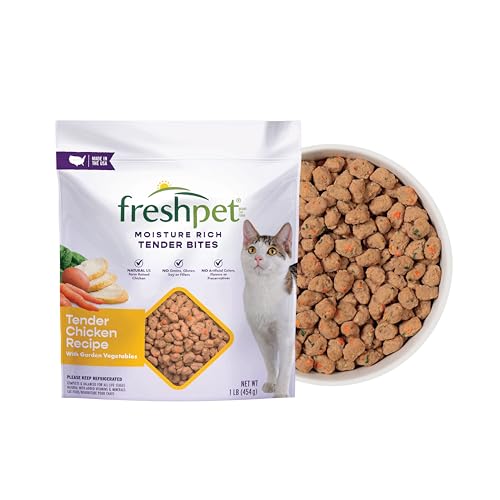
Freshpet Select Roasted Chicken Cat Meals, 1 lb

Freshpet Select Chicken & Beef Cat Food, 1 lb

Fussie Cat Market Fresh Salmon Dry Food, 3.5lb
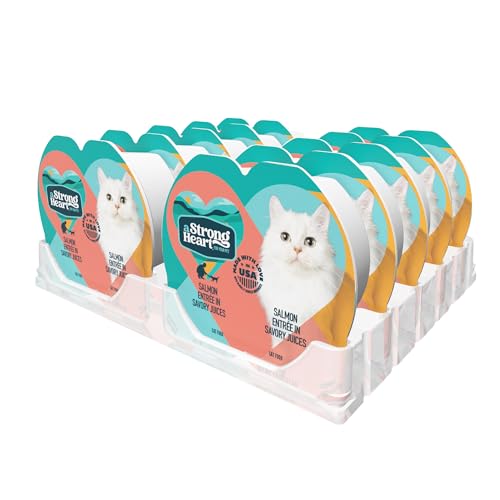
A Strong Heart Split Cup Salmon & Chicken, 10ct

Optimeal Wet Cat Food Variety Pack, 12 x 3oz

Vital Essentials Rabbit Mini Patties, 8 oz
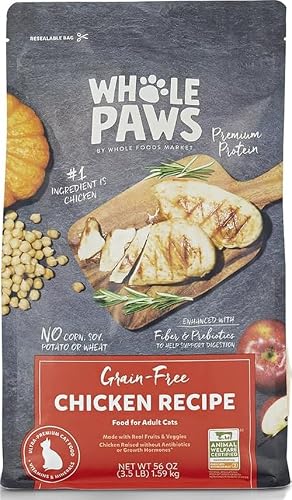
Whole Paws Grain-Free Organic Chicken Cat Food, 3.5 lb
More Details On Our Top Picks
This is the closest thing to home cooking without the cutting board. The roll format comes from the refrigerated section, built around U.S. farm-raised chicken with carrots and spinach you can actually see in the slice. Gentle steam cooking is the method here, which preserves nutrients that high-heat extrusion tends to strip out of standard kibble.
In a busy household, the routine matters: keep it chilled, slice what you need, and reseal the rest. Cats on dry-only diets often take a few days to warm up to the softer texture, so plan a gradual transition over a week.
Strong Points
- Clean Label Project certification means independent screening against more than 100 contaminants, a layer of assurance most bagged foods skip.
- No grains, soy, gluten, or artificial fillers, which suits cats with sensitive digestion.
- Easily digestible ingredients tend to mean smaller, firmer litter box results within a couple of weeks.
- Vitamins and antioxidants come from real vegetables rather than a synthetic sprinkle alone.
Things To Consider
- Refrigerated storage is non-negotiable, and an opened roll has a short window once sliced.
- The 1-pound size disappears quickly in multi-cat homes, so expect frequent reordering.
Key Specs
Who It Suits Best
Owners ready to commit to refrigerated feeding who want ingredient transparency above all else.
Where A Sibling Pick Shines
Households wanting a no-fridge option should look at the Fussie Cat Market Fresh Salmon dry formula instead.
Where the roasted-chicken roll leans vegetable-forward, this sibling doubles down on meat. Chicken and beef from U.S. farms form the base, steam cooked the same gentle way, and the recipe drops the veggie garnish entirely. For cats that turn their nose up at anything orange in the bowl, that simplification can be the difference between eaten and ignored.
It carries the same Clean Label Project certification as its counterpart, plus explicit exclusions on artificial colors, flavors, and preservatives. Same fridge requirement applies, so clear a shelf before the package arrives.
What We Like
- Two animal proteins give picky eaters a broader flavor profile than single-meat rolls.
- Highly digestible ingredients commonly translate into less stool volume and easier litter maintenance.
- Zero grains, soy, gluten, or artificial additives keeps the label short and readable.
Worth Noting
- Beef is a more common sensitivity trigger than chicken, so watch for itching during the first weeks.
- Like all Freshpet rolls, it needs consistent refrigeration and doesn’t travel well.
Right Fit For
Carnivore-minded cats whose owners want fresh feeding but found the vegetable-studded version too busy.
Skip It When
Cats with suspected beef sensitivities will do better on the Vital Essentials rabbit patties later in this list.
Not everyone can rearrange their refrigerator around cat food, and that’s where this bag earns its spot. Fussie Cat’s Market Fresh line puts fish or meat as the lead ingredient, and the salmon-and-chicken pairing here targets the flavor most cats recognize instantly. The brand positions these recipes as taste-tested for palatability, which tracks with how eagerly cats tend to finish a bowl of it.
The lineup also spans several sizes and protein combinations, including guinea fowl and turkey variants, so multi-cat homes can rotate flavors without switching brands. Compared with the Freshpet rolls reviewed earlier, you trade freshness for shelf stability and portion control freedom.
Bright Spots
- Salmon leads the ingredient list, delivering the omega-rich protein obligate carnivores need.
- Pantry storage means no fridge space, no spoilage anxiety, and easy travel.
- Multiple size bags let small households buy modest quantities and keep it fresher.
Small Caveats
- Dry formats deliver less moisture, so pair it with a water fountain or wet topper.
- Owners commonly report strong fish aroma; sealed storage helps contain it.
Quick Facts
Made For
Busy owners who want a fresh-ingredient philosophy without changing their daily routine.
Another Choice May Suit
Anyone prioritizing maximum moisture intake should reach for the Optimeal pouches covered next.
Single-cat owners know the annoyance well: open a can, serve half, wrap the rest, find it forgotten behind the milk two days later. This split-cup design ends that cycle. Each cup snaps and peels into two pre-portioned servings of smooth pate blending real chicken and salmon, so nothing sits open waiting to dry out.
Nutritionally it’s built for adult maintenance, meeting AAFCO nutrient levels with added taurine, the amino acid essential for feline heart and vision health, alongside a full vitamin and mineral panel. Ten cups yield twenty servings, which covers roughly ten days of twice-daily wet meals for one cat.
Plus Points
- Pre-portioned servings eliminate leftover-can waste entirely, a genuine time saver at 6 a.m.
- Taurine inclusion supports long-term cardiac and eye health in adult cats.
- No corn, wheat, soy, or artificial preservatives keeps the formula lean.
Points To Note
- Unused halves still need refrigeration between servings, per standard wet-food handling.
- Pate texture won’t appeal to cats that prefer chunks in gravy.
At A Glance
Who Will Love This
Apartment dwellers feeding one cat wet food daily who hate storing opened cans.
Swap It Out When
Multi-cat homes burning through portions faster may prefer the larger Optimeal variety pack.
European-sourced ingredients are the headline here, formulated by pet nutritionists into tender morsels served in savory gravy. The pack centers on chicken and salmon, with beef, liver, and turkey appearing across the savory protein selection, giving twelve 3-ounce pouches enough rotation to stall food boredom. Gravy-based formulas also sneak extra hydration into cats that treat water bowls as decoration.
A practical detail worth flagging: each pouch works as a complete meal or as a topper spooned over kibble. That flexibility makes this the easiest entry point on this list for upgrading a dry-food diet gradually.
Reasons To Buy
- Prebiotic FOS and fiber support digestive balance, which sensitive-stomach cats often show within days.
- Highly digestible protein fillets suit both adult cats and growing kittens.
- No grains, GMOs, artificial colors, flavors, or soy products anywhere in the formula.
- Dual use as meal or topper stretches each box further.
Honest Caveats
- Gravy recipes can be messier at the bowl than pate, especially with enthusiastic eaters.
- Opened pouches lose appeal quickly, so serve the full portion promptly.
The Right Fit
Owners transitioning cats off kibble who want variety and hydration in one affordable step.
Reach For A Different Pick When
Cats needing strict single-protein diets belong with the Vital Essentials rabbit patties instead.
Rabbit is one of the least common protein allergens in cats, and that rarity is exactly why this bag exists. Freeze drying, a process that removes moisture at low temperature while preserving aroma and nutrients, turns 99 percent rabbit, organs, and bone into soft mini patties. Nothing else is added, which makes the limited ingredient list about as short as commercial cat food gets.
The aroma preservation matters more than it sounds. Cats instinctively respond to the smell of raw meat, and owners of former kibble-refusers frequently report this being the bowl that finally gets emptied. Serve as-is, crumble over existing food, or rehydrate with warm water for a stew-like texture.
Standout Traits
- Single novel protein suits elimination diets and allergy-prone cats remarkably well.
- Whole-animal nutrition, organs and bone included, mirrors what obligate carnivores evolved eating.
- Shelf-stable raw format needs no freezer space, unlike frozen raw diets.
- Strong natural aroma reliably tempts finicky and senior cats alike.
Softer Spots
- Per-ounce cost runs higher than any other item on this list.
- The 8-ounce bag depletes fast as a sole diet, so bulk sizes make sense for committed raw feeders.
Details At A Glance
Whose Shelf It Belongs On
Owners managing allergies or stubborn appetite issues who accept a premium price for a targeted solution.
Consider Something Else When
Budget-first shoppers will find the Whole Paws organic chicken bag far kinder to monthly costs.
Organic certification on pet food usually commands boutique prices, yet Whole Foods Market’s house line keeps this 3.5-pound bag firmly in everyday territory. Chicken raised without antibiotics or growth hormones leads the formula, backed by real fruits and vegetables plus added fiber and prebiotics for digestive support. It meets AAFCO nutrient profiles for adult maintenance, so it stands alone as a complete diet.
Against the Fussie Cat bag earlier, this one trades fish-forward palatability for cleaner sourcing standards and a shorter exclusion list: no by-products, corn, soy, potato, or wheat. Cats that reject salmon often accept chicken readily.
Positives
- Antibiotic-free, hormone-free chicken as the first ingredient at a mainstream price point.
- Prebiotics and fiber support steadier digestion over long-term feeding.
- Backed by a retailer known for straightforward quality standards.
Minor Gripes
- Dry format again means monitoring water intake, particularly for male cats prone to urinary issues.
- Some cats take a week or two to switch from strongly flavored fish formulas.
Core Details
Who Should Grab It
Cost-conscious owners wanting organic sourcing without specialty-store pricing.
Not Your Match When
Cats hooked on fish flavors will likely prefer the Fussie Cat salmon recipe over chicken.
What Matters Most Before Choosing Fresh Cat Foods
Match The Format To Your Routine
Refrigerated rolls like the Freshpet options demand daily attention and reliable fridge space. Wet cups and pouches split the difference, while dry bags forgive a missed morning. An honest audit of your week beats aspirational plans; a format you abandon helps nobody, least of all the cat.
Read The Protein Story First
Cats are obligate carnivores, meaning their bodies are built to run on animal tissue rather than plants. Look for named meat or fish leading the ingredient list, and note whether organs or taurine appear. Novel proteins such as rabbit earn their premium mainly for allergy management, not general superiority.
Plan The Transition Properly
Switching foods cold turkey invites stomach upset and strike-through refusal. Blend increasing amounts of the new food across seven to ten days. Patience here routinely decides whether a genuinely good product succeeds in your home.
Key Considerations Across These Picks
Where Shoppers Go Wrong
The classic error is buying a large quantity of anything new. Start with the smallest size available, confirm your cat actually eats it, then scale up. The second mistake is ignoring moisture: dry-heavy diets need deliberate hydration backup, whether that’s a fountain or a daily wet topper.
The Case For Spending Up
Higher-tier products pay for sourcing verification, gentler processing, and shorter ingredient lists. That shows up as better digestibility and fewer rejected bowls. Paying more makes sense for cats with sensitivities or chronic pickiness; healthy, unfussy eaters do fine on the value end of this list.
Bottom Line
Fresh feeding in 2026 isn’t one format anymore; it’s a spectrum running from refrigerated rolls to pantry-stable kibble with clean sourcing. Match the format to your actual routine, transition slowly, and let your cat’s response settle the debate. Start small, observe closely, and upgrade only where it clearly pays off.
