

A mouse in the kitchen at midnight changes how you feel about your own home. Whether you’re dealing with a first sighting or a stubborn seasonal problem, the right approach depends on your household: pets, kids, storage spaces, and how hands-on you want to be. This roundup covers bait packets, blocks, stations, snap traps, ultrasonic units, and scent-based deterrents so you can match the tool to the situation instead of guessing.
The Essentials At A Glance

Kaput Rat & Mouse Bait Warfarin Packets, 32 Count

Jqely Ultrasonic Indoor Pest Repeller, 6 Pack
Nameiec Rodent Repellent Peppermint Pouches, 24pc
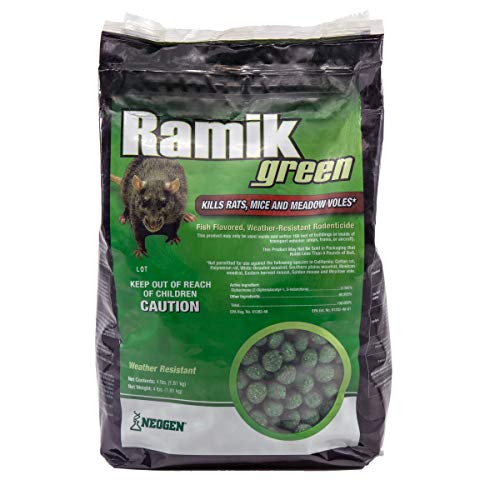
Neogen Ramik Green Fish Flavored Rodenticide Nuggets, 4 lb

Kaput Mouse Blocks Warfarin Bait, 4 lbs

Victor M922 Fast-Kill Disposable Mouse Bait Station

Victor Fast-Kill Bait Blocks II, 86-Count

PAMAX Reusable Humane Snap Traps, 4-Pack
Taking A Closer Look At The Options
Kaput builds this bait around warfarin, an older-generation anticoagulant that works more slowly than modern compounds. That slower action matters around farms and outbuildings, where lower toxicity to non-target animals is a genuine concern rather than a marketing line.
The 32-packet format suits scattered placement along foundations, in barns, and near entry points. Each packet stays sealed until a rodent chews through it, which keeps handling tidy for anyone who’d rather not touch bait directly.
What Earns Its Place
- Warfarin base offers a gentler profile than harsher second-generation poisons
- Sealed packets mean clean placement along walls and foundations without direct contact
- Targets rats, mice, and voles from one supply
- Labeled for indoor and near-building use, useful for garages and sheds
Things To Consider
- Slower-acting formulas require patience over several days of feeding
- Used packets need collection and disposal, so plan a cleanup routine
Key Specs
Who It Suits Best
Rural homeowners and small-farm keepers who want steady control around buildings without reaching for the harshest chemistry available.
Where A Sibling Pick Shines
For heavy outdoor infestations exposed to rain, Neogen Ramik Green nuggets handle weather better than these paper packets.
Ultrasonic repellers plug into a wall outlet and emit high-frequency sound waves, typically between 10kHz and 65kHz here, that people barely register but common pests find unpleasant. Six units in one pack lets you cover several rooms, since sound doesn’t travel through walls well.
In our view, this category works best as a prevention layer rather than a standalone fix. Renters and apartment dwellers who can’t drill holes or place bait benefit most, especially alongside sealed food storage.
Everyday Perks
- Plug-in design needs no installation, bait, or cleanup
- Six-pack coverage suits multi-room homes and long hallways
- Addresses mice plus roaches, ants, and spiders from one device type
- Three modes let you adjust output to the space
Small Caveats
- Results vary by layout; soft furnishings absorb high-frequency sound
- Existing nests rarely abandon a space on sound alone, so pair with traps
Made For
Renters and apartment residents wanting a low-effort, no-mess deterrent they can run year-round.
Swap It Out When
You’re facing an active infestation with droppings present; the Victor M922 station delivers faster, measurable results.
These pouches take a completely different route: concentrated peppermint oil strong enough to make rodents uncomfortable enough to move elsewhere. Nothing snaps, nothing gets eaten, and there’s no carcass to find later, which explains why households with curious toddlers reach for this style first.
Each 1.41 oz pouch tucks into a cabinet corner, an RV bay, or under a car hood. With 24 in the box, you can ring an entire garage or line attic joists without rationing.
The Value In It
- Plant-based mint formula avoids poisons entirely around pets and children
- Works indoors and outdoors, including engine bays and storage units
- Replaces single-use sticky traps that create their own disposal headache
- Leaves a fresh scent behind instead of a chemical odor
Points To Note
- Scent fades over weeks, so pouches need periodic replacement
- Deterrence only; established nests inside walls won’t relocate on smell alone
Feature Snapshot
Right Fit For
Pet owners and parents who want prevention around pantries, campers, and parked vehicles without any poison in the house.
Another Choice May Suit
Anyone needing confirmed elimination should step up to the Kaput Mouse Blocks, which actively reduce a population rather than discouraging visits.
Where the Kaput packets stay indoors, Ramik Green earns its reputation outside. The fish flavoring draws rodents in, and the nugget format resists moisture, a real advantage in barn aisles, under porches, and along fence lines where dew and rain would ruin paper packaging.
The active ingredient is diphacinone at 0.005 percent, a first-generation anticoagulant. Expect results within roughly four to five days after a rodent consumes a lethal dose, so patience still applies.
What Pays Off
- Weather-resistant nuggets hold integrity in damp outdoor conditions
- Fish flavor appeals strongly to rats and mice alike
- Four-pound bag covers large perimeters and multiple structures
- Single formulation handles rats, mice, and meadow voles
Worth Bearing In Mind
- Loose nuggets belong inside a tamper-resistant station around pets or wildlife
- Multi-day feeding window means checking placements regularly
Quick Facts
Who Will Love This
Property owners managing sheds, stables, and yard edges through wet seasons who need bait that survives the weather.
Reach For A Different Pick When
Your problem lives indoors; the Victor Fast-Kill blocks are formulated for house mice and roof rats inside structures.
This is the bulk version of the Kaput approach you saw at number one. Instead of 32 small packets, you get four pounds of solid bait blocks built to sit in stations and keep their shape in high-traffic rodent zones. Blocks resist crumbling, which keeps feeding areas cleaner than loose grain baits.
The same warfarin base applies, so the low-toxicity argument carries over. Placement targets nesting and feeding areas directly, which is where block bait tends to outperform scatter methods.
Points In Its Favor
- Block format stays intact where rodents travel most
- Four pounds supports long campaigns across farms and transport areas
- Fits standard bait stations without modification
- Same gentle warfarin chemistry as the packet version
Less Ideal Details
- Requires its own bait stations, an extra purchase for some setups
- Slow-acting formula stretches timelines compared to fast-kill options
- Overkill for a single mouse in one apartment
Who Should Grab It
Homesteaders and property managers running ongoing control across several buildings who value volume and durability.
Consider Something Else When
Speed matters more than volume; the Victor Fast-Kill Bait Blocks II act faster on established populations.
Some jobs call for zero learning curve, and that’s this station’s whole pitch. It arrives pre-filled with a single-feed, non-anticoagulant bait, so you open the package, slide it along a wall, and walk away. No measuring, no gloves, no refills.
The enclosed housing keeps bait away from fingers and paws while letting mice in. Compared to the Kaput packets earlier in this list, you trade refill flexibility for speed and simplicity, a fair trade in a kitchen or pantry emergency.
What Makes Sense
- Ready to deploy straight from the box
- Single-feed formula shortens the wait versus multi-feed anticoagulants
- Enclosed design limits access for children and pets
- Disposable body means no cleaning or storage afterward
Honest Caveats
- Once the bait’s gone, the whole unit goes in the trash
- Costs add up across a large home versus bulk block bait
Core Details
Best Suited To
Time-pressed homeowners who spotted activity indoors and want a contained, one-step response today.
Not Your Match When
You’re stocking up for a season-long program; the 86-count Victor blocks deliver far more bait per dollar.
An 86-block bag signals intent. This is the supply you buy when droppings show up in three rooms and the problem clearly isn’t one stray visitor. The fast-kill formulation targets roof rats, Norway rats, and house mice, and the blocks are shaped for easy securing inside stations.
Palatability is the quiet variable in bait success, and Victor leans hard on a formula rodents readily feed on. Against the slower Kaput blocks at number five, this pick trades the gentler chemistry for speed and volume.
Features That Help
- High block count sustains months of placement across a property
- Fast-kill action shortens the campaign timeline noticeably
- Formulated against both rat species and house mice
- Blocks anchor securely in most standard stations
Details To Watch
- Stronger actives demand stricter station security around pets
- Dead rodents may be found indoors, so plan removal routes
Whose Shelf It Belongs On
Homeowners confronting a serious, multi-room infestation who want maximum coverage from a single purchase.
Look Elsewhere When
Only light prevention is needed; the Nameiec peppermint pouches handle deterrence without any lethality at all.
Old wooden snap traps had two flaws: they warped, and they held odors that warned off later mice. This four-pack answers both with molded ABS plastic bodies that wipe clean and reset for another round. You’ll know immediately whether something triggered overnight, which poison bait never tells you.
Setting one takes seconds. Pull back the kill bar, drop peanut butter into the visible bait cup, done. The sensitive trigger paired with a strong spring aims for a swift result, sparing you the messier alternatives.
Advantages To Know
- ABS plastic resists warping and odor absorption over repeated use
- Visible bait cup makes loading simple even for first-timers
- High-sensitivity trigger reduces missed strikes
- Reusable design cuts long-term cost versus disposables
Room For Improvement
- Traps need emptying and resetting, unlike passive bait stations
- Four traps cover limited ground in a widespread problem
Product At A Glance
The Right Fit
First-time users tackling a small indoor problem who want visible, verifiable results without introducing poison.
Skip It When
The population spans a barn or crawlspace; the Neogen Ramik Green bag covers that scale far more efficiently.
What Matters Most Before Choosing Mice Killers For Home
Match The Tool To The Infestation
One mouse behind the stove calls for a snap trap. Droppings in three rooms plus gnawed cereal boxes call for bait blocks in stations. Sizing the response correctly saves money and weeks of frustration, so count the evidence before ordering anything.
Weigh Household Risk First
Anticoagulant baits work well but demand tamper-resistant stations wherever pets, livestock, or children roam. Households with curious animals often start with traps or scent deterrents, then escalate only if the problem persists past a couple of weeks.
Think About Cleanup Before You Buy
Poison means locating and disposing of carcasses, sometimes in awkward places. Traps mean resetting and washing. Scent pouches mean replacing them monthly. Every option has a maintenance rhythm, and choosing one you’ll actually keep up with matters more than raw effectiveness on paper.
Check Label Coverage
Products specify where they’re approved for use, indoors, perimeters, or open outdoor areas. Using bait outside its labeled zone wastes product and creates avoidable risk, so read that line before checkout.
Key Considerations Across These Picks
Wrong Turns To Avoid
The most common slip is buying one trap for what’s clearly a colony. Another is scattering loose bait outdoors where pets can reach it. Match quantity to evidence, and always contain poison inside a station.
The Upgrade Payoff
Higher-count bags and pre-filled stations cost more upfront but win on time saved. Bulk blocks suit ongoing rural control, while disposable stations suit urgent indoor moments. Paying up buys convenience and coverage, not magic.
Frequently Asked Questions
How long do bait products usually take to work?
Anticoagulant baits typically require several days of feeding before results appear. Fast-kill non-anticoagulant formulas shorten that window considerably.
Are ultrasonic repellers effective on their own?
They work best as a prevention layer alongside other methods. Sound alone rarely clears an established nest.
Where should bait stations be placed?
Along walls, behind appliances, and near suspected entry points, since rodents travel edges. Keep them away from open floor areas.
Can peppermint repellents replace traps?
They deter new visitors but don’t remove mice already nesting indoors. Pair them with traps or bait for active problems.
How do reusable snap traps compare to wooden ones?
Plastic bodies resist warping and odor absorption, so they reset cleanly for years. Wooden versions degrade faster and warn off later catches.
Bottom Line
Start by reading the signs in your own home, then pick the tool that matches them. A couple of PAMAX traps handle isolated visitors, while the Victor 86-count bag meets a serious infestation head-on. Pet-heavy households lean toward the Nameiec pouches or the gentler Kaput formulas. Whatever you choose, contain bait properly, check placements weekly, and seal the entry points once the current problem clears. That last step is what keeps next season quiet.
