

Anyone managing a hunting property knows the frustration of a mineral site that deer ignore. The right product changes that fast, pulling whitetails in during spring and summer when antler growth and fawn development demand the most nutrition. This roundup covers seven proven options, from loose granular blends to flavored blocks, so you can match a site to your land, your herd, and your season.
The Choices Worth Comparing

Evolved HABITATS Deer Co-Cane Black

EVOLVED HABITATS Deer Cane Block Mineral Attractant

Whitetail Institute 30-06 Mineral Block 20 lbs
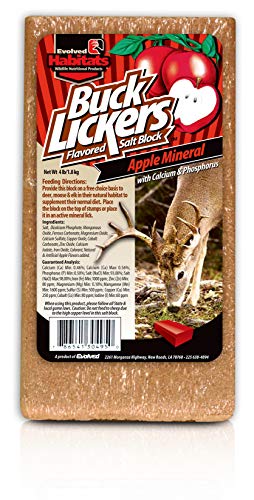
EVOLVED HABITATS Buck Lickers Apple Salt Block 4 Lbs

Whitetail Institute 30-06 Plus Protein Mineral 20 lbs

Evolved Habitats Sweet Corn Buck Lickers

Antler King Trophy Deer Mineral
Taking A Closer Look At The Options
This one comes as a six-pack of pour-on-the-ground attractant, which makes it the easiest way to start a fresh lick site from scratch. Once it hits the soil, it releases vapors that pull deer in from a distance, and the site tends to grow more active over time as animals paw and mark the spot.
The formula includes calcium and phosphorus, two minerals tied to bone and antler development, so you’re feeding the herd while building a pattern. Landowners who want visible sign by midsummer often start here.
A Few Highlights
- Vapor release starts working immediately after application, no digging required
- Calcium and phosphorus content supports ongoing herd nutrition at the site
- Six-pack packaging covers multiple stations across a property in one purchase
- Deer commonly return to work the ground repeatedly once established
Things To Consider
- Ground-applied products wash away faster on bare clay slopes after heavy rain, so pick a sheltered spot
- You’ll need to reapply periodically through the season to keep activity strong
Key Specs
Who Should Grab It
Landowners establishing brand-new mineral stations who want fast, scent-driven traffic with minimal setup effort.
Where A Sibling Pick Shines
For a set-and-forget option that lasts weeks without reapplication, the EVOLVED HABITATS Deer Cane Block suits hands-off managers better.
Where the Co-Cane powder demands reapplication, this concentrated block sits in place and works all year. You drop it near a trail or bedding edge and let weather and wildlife do the rest, which is why so many first-time site builders reach for it.
It’s marketed as a mineral food supplement rather than a pure salt lick, meaning the formulation aims at actual nutritional value alongside attraction. Placement matters less than with loose products since rain can’t wash a solid block away.
Positive Points
- Concentrated block format holds up through rain and mud seasons
- Works as an attractant and supplement across all four seasons
- Setup takes minutes: carry it in, set it down, walk away
Worth Noting
- Blocks dissolve slowly, so expect gradual consumption rather than a burst of early-season traffic
- Raccoons and other visitors may find blocks before the deer do in some areas
Made For
Busy property owners who want a dependable station they can refresh just once or twice a year.
Swap It Out When
Managers chasing maximum antler-building nutrition should step up to the Whitetail Institute 30-06 Mineral Block instead.
The Whitetail Institute built its reputation on food plot science, and this 20-pound block applies the same thinking to minerals. It’s formulated specifically around spring and summer needs, when does are pregnant or nursing and bucks are growing antlers.
Unlike a basic salt block, this one pairs macro and trace minerals with vitamins A, D, and E in ratios designed for antler growth and lactation. A built-in scent and flavor enhancer helps deer locate it, which solves the classic problem of quality supplements sitting untouched.
Where It Excels
- Vitamin A, D, and E content goes beyond what plain salt licks offer
- Mineral forms and ratios target antler growth, pregnancy, and milk production
- Scent and flavor enhancer draws deer to the site faster
- Twenty-pound weight gives a station real staying power
Points To Note
- At twenty pounds, hauling it into remote timber is a two-handed job
- Deer may take a week or two to discover it in heavily wooded terrain
Feature Snapshot
Right Fit For
Habitat managers running a serious herd health program who want professionally balanced nutrition, not just attraction.
Another Choice May Suit
Shoppers wanting added protein alongside minerals will prefer the Whitetail Institute 30-06 Plus Protein version reviewed below.
Four pounds fits in a backpack, and that’s the whole appeal here. This apple-flavored block is built for quick deployments: tuck it along a funnel, hang it near a camera, or drop several across a small parcel in one afternoon.
The time-release design means flavor leaches out gradually instead of disappearing after the first rain, and Evolved Habitats lists it for deer, elk, and moose alike. Compared to the 20-pound Whitetail block above, you trade longevity for portability and price flexibility.
Useful Touches
- Apple flavor adds scent appeal beyond plain mineral taste
- Time-release formulation stretches usefulness across the season
- Light enough to pack deep into backcountry elk or moose country
- Low commitment per site lets you experiment with placement
Small Caveats
- Four pounds disappears quickly under heavy use, so high-traffic properties need frequent replacement
- Nutritional depth is lighter than the formulated Whitetail options
Quick Facts
Who Will Love This
Public-land hunters and small-acreage owners who need lightweight, low-cost stations they can move season to season.
Reach For A Different Pick When
Remote timber stands where scent must travel farther call for the Evolved Habitats Sweet Corn Buck Lickers instead.
Think of this as the standard 30-06 block with one meaningful addition: a ten percent protein boost layered onto the same mineral and vitamin base. Protein matters most in late summer, when antlers harden and does finish lactating, so the timing lines up well.
You get the same professionally balanced macro and trace minerals plus vitamins A, D, and E, along with the scent and flavor enhancer that pulls deer in. For properties where natural forage protein runs thin, that extra ten percent is doing real work.
Reasons It Performs
- Ten percent protein supplement bridges gaps in native forage
- Full vitamin and mineral profile supports antler growth and lactation
- Spring and summer formulation matches peak herd demand
- Flavor enhancer speeds up discovery at new sites
What To Weigh
- Costs more per pound than basic flavored blocks, so large properties add up fast
- Protein benefit fades outside the warm-season window it’s designed for
Built With In Mind
Dedicated whitetail managers focused on maximizing buck potential on properties with average or poor natural browse.
Not Your Match When
Budget-conscious shoppers wanting simple attraction without the premium formulation should look at the Antler King Trophy Deer Mineral’s loose format or a flavored block.
Sweet corn and molasses give this four-pound block a sweet aroma that carries noticeably farther than unflavored alternatives. On thick, brushy ground where deer can’t see a site until they’re close, that scent plume does the advertising for you.
Like its apple-flavored sibling earlier in this list, it includes calcium and phosphorus and holds up year-round. Owners commonly report steady repeat visits once deer lock onto the smell, and the small block size keeps refresh trips cheap.
Notable Upsides
- Sweet corn and molasses scent travels long distances through cover
- Calcium and phosphorus enrichment adds nutritional value
- Performs across all seasons without special handling
- Deer tend to return consistently once the site is established
Less Ideal Details
- Strong sweetness can attract raccoons, bears, and other non-target visitors in some regions
- Four-pound format means regular replacement on busy sites
Core Details
Who It Suits Best
Hunters working dense southern cover or remote parcels where scent, not visibility, has to bring deer in.
Consider Something Else When
Those prioritizing nutritional density over raw attraction will get more from the Whitetail Institute 30-06 Mineral Block.
This 20-pound bag closes the list with the most technical formulation here. Chelated minerals, meaning minerals bound to amino acids for easier absorption, make up the core, and a special yeast culture helps deer digest and use those nutrients efficiently.
It’s designed to be poured directly on the ground near a trail, similar in style to the Evolved Co-Cane but with a heavier emphasis on bioavailability. Managers running multiple sites often report strong digging activity within days of the first application.
Real-World Strengths
- Chelated mineral forms absorb more readily than standard salts
- Yeast culture aids digestion and nutrient uptake
- Twenty-pound bag services a large site or several smaller ones
- Ground application creates the classic dug-out lick look hunters want
Trade Offs
- Loose product needs reapplication after sustained heavy rain on exposed ground
- Requires a shovel-ready spot and a bit more setup thought than dropping a block
Feature Rundown
The Right Fit
Experienced land managers who don’t mind periodic reapplication and want maximum mineral uptake per visit.
Look Elsewhere When
Hands-off owners who won’t revisit sites often will get better mileage from the EVOLVED HABITATS Deer Cane Block.
Factors To Consider When Choosing Minerals For Deer
Block Versus Loose Granular
Blocks survive rain and need almost no maintenance, which suits absentee landowners well. Loose products create bigger, more visible dig sites and often draw faster initial traffic, but they demand reapplication after storms. Match the format to how often you can actually visit the property.
Nutrition Versus Pure Attraction
Some products are essentially flavored salt with a scent kicker, while others deliver balanced minerals, vitamins, and even protein. Flavored blocks win on convenience and draw; formulated supplements like the Whitetail Institute line win on herd impact. Many serious managers run both types at different stations.
Placement And Season Timing
Set sites near transition corridors between bedding and feeding areas, ideally on shaded ground that holds moisture. Spring through early fall is when demand peaks, so have stations active before green-up. Camera data from your own property beats any generic advice here.
Property Size And Access
Small parcels benefit from several lightweight four-pound blocks spread wide, while large acreage justifies hauling 20-pound bags deeper in. Honest access planning prevents abandoned stations nobody refreshes.
Key Considerations Across These Picks
Traps First Timers Fall Into
The most common mistake is judging a site after one week. Deer often need two or three weeks to adopt a new location, so patience pays. Another slip is placing product in wide-open sun, where loose minerals bake and wash out quickly. Skip shaded, firm ground instead.
When Paying More Pays Off
Higher-tier formulations spend money on chelated minerals, added vitamins, and protein, none of which show up in a basic salt block. On properties where you’re actively trying to improve herd condition, that difference compounds over a season. Casual camera-baiting rarely needs the upgrade.
Frequently Asked Questions
When should I put out minerals for deer?
Early spring is ideal, ahead of antler growth and fawn rearing. Keeping sites active through early fall covers the full demand window.
Do mineral blocks really help antler growth?
They supply minerals linked to antler development, but genetics and overall nutrition set the ceiling. Supplements help deer reach more of their existing potential.
How long does a mineral block last?
A four-pound block typically lasts several weeks under moderate use, while a 20-pound block can hold a site for months. Local deer density changes everything.
Where is the best place to put a mineral site?
Edge habitats between bedding cover and food sources work well, preferably on shaded, well-drained soil. Avoid open spots where rain pools.
Are flavored blocks better than plain ones?
Flavors like apple or sweet corn add scent range and usually speed up discovery. Nutritionally, check whether minerals like calcium and phosphorus are included.
Wrap Up
Your best choice depends on how hands-on you want to be. Pour-on options like the Evolved Co-Cane and Antler King build dramatic sites fast, blocks from Evolved Habitats run quietly for months, and the Whitetail Institute formulas invest directly in herd nutrition. Start with one or two stations, watch them with a camera, and expand what works on your ground.
