

Anyone managing whitetail land knows the frustration of watching young bucks plateau while neighbors pull bigger frames. The right mineral program, started in spring and maintained through summer, gives deer the calcium, phosphorus, and trace elements their bodies demand during antler development. This roundup covers blocks, granular mixes, powders, and liquids so you can match a product to your terrain, your herd size, and how often you actually make it out to your sites.
The Main Contenders

EVOLVED HABITATS Deer Cane Block Mineral Deer Attractant

Whitetail Institute 30-06 Mineral Block 20 lbs
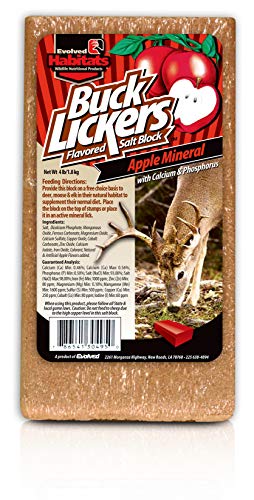
EVOLVED HABITATS Buck Lickers Apple Salt Block 4 Lbs

Whitetail Institute 30-06 Plus Protein Mineral Supplement 20 lbs

Antler King Trophy Deer Mineral

Evolved Habitats Deer Cane Black Magic Powder Mix

Evolved Habitats Mudhole Liquid Deer Mineral 40 Oz

Whitetail Institute 30-06 Original Mineral Supplement 20 lbs
The Picks, Examined More Closely
A pressed block is the lowest-effort way to run a mineral site, and this one fits that role well. You carry it in, set it near a trail or water source, and walk away. Landowners juggling several parcels tend to appreciate that there’s no mixing, no measuring, and no digging required.
The concentrated mineral formulation is designed for use throughout the year rather than only during spring green-up. Compared with the granular Antler King option later in this list, you trade some nutritional density for sheer convenience.
Everyday Wins
- No preparation needed, which means a fresh site takes under five minutes to establish.
- Block form resists rain washout better than loose powder on exposed ground.
- Year-round formulation keeps deer returning outside the peak spring window.
- Easy to stage multiple blocks across a property for broader coverage.
Things To Consider
- Blocks erode slowly, so expect weeks between replacements depending on herd pressure.
- Attracting power is milder than flavored powders like the Black Magic mix reviewed below.
Who It Suits Best
Busy landowners who want dependable mineral availability without frequent site visits will get the most from this block.
Where A Sibling Pick Shines
Shoppers chasing faster traffic buildup should look at the Evolved Habitats Black Magic powder instead, since its molasses scent draws deer sooner.
This 20-pound block takes the convenience of Item 1 and layers real nutrition science on top. Whitetail Institute formulates it specifically around spring and summer needs, when does are pregnant or nursing and bucks are pushing velvet growth. Vitamins A, D, and E ride along with the minerals, which matters because those nutrients support the whole animal, not just headgear.
In our view, that vitamin fortification is what separates a true supplement from a dressed-up salt lick. A scent and flavor enhancer is built into the block to help deer locate it faster than plain mineral would.
A Favorable Mix
- Minerals arrive in forms and ratios matched to antler growth, pregnancy, and lactation demands.
- Vitamin A, D, and E content supports overall herd condition through the demanding season.
- Built-in attractant helps deer find a new site without extra scent work from you.
- Twenty-pound weight suits one solid station per purchase on mid-size properties.
Worth Noting
- One block covers less ground than a bagged granular product spread over dug-in soil.
- Storage matters: keep unused blocks dry and shaded so they don’t soften before placement.
Key Specs
Made For
Habitat managers who want block simplicity but refuse to compromise on formulated nutrition will find this the strongest balance here.
Consider Something Else When
Those wanting added protein for lactating does should step up to the Whitetail Institute 30-06 Plus Protein version covered next.
Four pounds changes the math entirely. At this size, you can tuck a block into a fence line, a creek crossing, or a thick bedding-edge trail where a 20-pounder would be overkill. The apple flavoring gives it a draw that plain salt lacks, and the time-release design means it wears down gradually instead of dissolving after one storm.
It’s also rated for elk and moose, which makes it a flexible choice on western or mixed-species ground. Compared with the larger Deer Cane block at number one, this is the sampler version: lighter commitment, easier hauling, quicker replacement.
The Value In It
- Small footprint lets you seed many micro-sites across a property cheaply.
- Apple flavor adds pulling power that unflavored blocks can’t match.
- Time-release composition stretches usefulness over weeks of licking activity.
- Works for deer, elk, and moose on multi-species hunting land.
Points To Note
- Heavy-use sites will exhaust a 4-pound block quickly, so budget for frequent swaps.
- Flavored blocks left in open sun may soften; shaded placement holds up better according to common owner reports.
Right Fit For
Newcomers testing whether mineral sites work on their land, and anyone running several small stations, will get real value here.
Another Choice May Suit
Managers feeding a large resident herd should move up to the Antler King Trophy Deer Mineral granular bag for far greater volume per dollar.
Protein is the piece most mineral products leave out, and this 20-pound granular blend adds a 10 percent boost on top of the standard 30-06 mineral and vitamin package. Does nursing fawns burn through protein fast, and bucks rebuilding body condition after the rut need it too. One product covering both gaps simplifies a summer feeding plan considerably.
You dig it into bare soil rather than setting a block, which creates that classic muddy wallow deer paw at for weeks. It’s messier to install than the block at pick two, but the payoff is heavier, longer-lasting visitation.
Notable Gains
- Ten percent protein addition supports milk production and post-rut recovery alongside mineral intake.
- Granular format worked into soil builds lasting dirt-mineral stations deer revisit.
- Vitamins A, D, and E round out the formula for full-herd conditioning.
- Scent and flavor enhancer speeds discovery at freshly dug sites.
Some Limits To Know
- Installation requires digging and mixing, roughly twenty minutes of labor per site.
- Loose granules wash away on steep or flood-prone ground, so site selection matters.
Feature Snapshot
Who Will Love This
Property owners serious about doe health and fawn survival during summer will find this upgrade earns its keep.
Swap It Out When
Anyone wanting a no-dig option should stick with the Whitetail Institute 30-06 Mineral Block, which delivers similar nutrition in press-and-place form.
Chelated minerals are the headline here. Chelation binds each mineral to an amino acid carrier, which helps a deer’s digestive tract absorb it more readily than cheaper oxide forms. Antler King pairs that with a yeast culture intended to aid digestion overall, so more of what a buck consumes actually reaches bone and antler tissue. Twenty-seven minerals, vitamins, and additives make up the blend.
Application follows the classic recipe: clear a spot, rake the soil bare, pour the 20-pound bag on, and let rain work it in. Owners commonly report heavy pawed-up wallows forming within days on established properties.
Standout Benefits
- Chelated mineral forms are built for higher digestibility than standard formulations.
- Yeast culture supports nutrient uptake across the whole diet, not just at the site.
- Ground-pour method creates long-lasting natural licks deer maintain themselves.
- Large 20-pound supply suits high-traffic or multi-site programs.
Details To Watch
- Requires bare-soil prep and reapplication after heavy seasons of use.
- Granular product can cake in storage; a sealed bin keeps it pourable.
Core Details
Best Suited To
Experienced land managers running dedicated trophy-oriented programs will appreciate the formulation depth most.
Reach For A Different Pick When
Beginners wanting a simpler first step should start with the Whitetail Institute 30-06 Original granular mix at number eight.
Black Magic starts with Evolved Habitats’ popular Deer Cane mineral base and folds in natural molasses flavor for extra drawing power. The result is a sweet-smelling site that pulls deer in from farther off than a neutral block ever will. For anyone breaking new ground, that head start matters: deer find the site sooner, and repeat visits build the wallow faster.
The powder carries a dense mineral concentration meant to hold year-round interest. Unlike the liquid Mudhole bottle coming up next, this dry mix lets you control exactly how much goes down per site.
Where It Delivers
- Molasses flavoring accelerates discovery at brand-new mineral locations.
- Dense mineral load supports sustained return visits once deer commit to the spot.
- Dry powder stores indefinitely in a sealed container between applications.
- Year-round label means one product covers every season of your program.
Minor Gripes
- Rain can wash loose powder downhill on sloped sites; a shallow depression helps it settle in.
- Sweet scent may also draw raccoons and other non-target visitors, a commonly reported quirk.
Quick Facts
Who Should Grab It
Hunters establishing fresh lick sites ahead of season and wanting fast traffic will see the quickest results with this mix.
Not Your Match When
Hands-off landowners who dislike any site prep should choose the original Deer Cane Block at pick one instead.
This 40-ounce bottle might be the fastest mineral application in the category. Flip the cap, squirt the molasses-enriched liquid onto a stump, log, or patch of dirt, and you’re done in under a minute. No raking, no digging, no hauling a 20-pound bag through thick cover. The strong molasses aroma does the advertising for you.
Because it’s liquid, it soaks into wood and soil rather than sitting on top, which helps it survive light rain better than loose powder. Refreshing an existing site between bigger feedings is exactly what this bottle was made for.
Everyday Perks
- Flip-top cap squirts precise amounts with zero tools or cleanup.
- Molasses scent draws deer toward refreshed spots almost immediately.
- Liquid soaks into stumps and soil, holding position through weather.
- Lightweight bottle rides easily in a pack during scouting trips.
Where It May Fall Short
- A single 40-ounce bottle won’t sustain a heavy-traffic site on its own; pair it with a granular base.
- Cap threads can gum up if stored upright with residue, so wipe the nozzle after each use.
Product At A Glance
The Right Fit
Mobile hunters and lease riders who refresh sites on the fly will love the grab-and-squeeze simplicity.
Look Elsewhere When
Anyone building a primary long-term station should anchor it with the Antler King Trophy Deer Mineral and use this bottle as a top-up.
The Original is the granular formula the rest of the 30-06 line grew from, and it remains a sensible starting point. Macro and trace minerals arrive in forms and ratios aimed squarely at antler growth, pregnancy, and lactation, with vitamins A, D, and E supporting general herd condition. A scent and flavor enhancer baked into the blend helps deer locate a fresh dig without extra effort on your part.
Compared with the Plus Protein version at pick four, you give up the protein bump but keep the core mineral package. For most first-time site builders, that’s the right trade.
Positive Points
- Complete macro and trace mineral profile targets the spring and summer growth window.
- Vitamin fortification supports does and bucks beyond antler tissue alone.
- Granular pour-in method creates durable natural licks with modest labor.
- Established formulation with a long track record among habitat managers.
Small Caveats
- Site prep still means clearing vegetation and working product into bare dirt.
- Reapplication every few months keeps sites active, a routine worth planning for.
Who It Suits Best
First-time mineral site builders who want proven nutrition without premium add-ons will feel comfortable starting here.
Skip It When
Managers prioritizing maximum absorption technology should compare the chelated Antler King Trophy Deer Mineral before deciding.
What Matters Most Before Choosing Minerals For Antler Growth
Format Fits Your Routine
Blocks suit hands-off landowners who visit rarely, since they weather slowly and need no prep. Granular mixes poured into bare soil create the deepest, longest-lasting stations but demand a shovel and twenty minutes of work. Liquids sit at the quick end, ideal for refreshing existing spots. Match the format to how often you’ll realistically show up.
Nutritional Depth Over Salt Content
A glorified salt lick pulls deer but does little for antlers. Look for calcium and phosphorus in meaningful ratios, plus vitamins A, D, and E. Chelated minerals cost more because they’re bound to amino acids for better absorption, which matters most on programs where every pound of intake counts.
Season Timing
Deer crave minerals hardest from early spring through late summer, when velvet grows and does nurse fawns. Products labeled for year-round use simplify scheduling, though refreshing sites in March sets the strongest foundation.
Property Scale
Small acreage benefits from several compact stations, while large leases justify bulk bags split across multiple digs. Buy the format your terrain and travel habits can actually support.
Key Considerations Across These Picks
Traps First Timers Fall Into
The most common mistake is placing a site where you want to hunt rather than where deer already travel. Set stations near trails, water, or field edges and let traffic prove itself. Another slip is judging results in two weeks; mineral programs show their value across seasons, not weekends.
When Paying More Pays Off
Higher-tier blends spend their price on chelated minerals, yeast cultures, and added protein. On properties with strong genetics and good habitat, those upgrades translate into better utilization. On marginal ground, a basic block delivers most of the benefit at a friendlier cost.
Frequently Asked Questions
When should mineral sites go out each year?
Early spring, before green-up, gives deer time to find sites before peak antler and fawn season. Maintaining them through late summer captures the full growth window.
Do mineral sites really improve antler size?
They help bucks express more of their genetic potential by removing nutritional limits. Genetics and age still drive the ceiling, so minerals are one pillar among several.
How long does one site last?
Blocks typically wear for weeks to months depending on herd pressure. Granular sites need refreshing every couple of months, while liquids serve best as short-term top-ups.
Where should a mineral site be placed?
Near known travel corridors, water sources, or field edges where deer already move. Shade helps blocks and liquids resist softening in summer heat.
Are these products legal everywhere?
Regulations vary widely by state and province, and some restrict mineral use during hunting seasons. Check local wildlife agency rules before establishing any site.
Closing Thoughts
Building a mineral program comes down to honesty about your own habits. Frequent visitors get the most from granular blends like the Antler King and Whitetail Institute options, while occasional check-ins favor blocks and the quick-squeeze Mudhole bottle. Start with one or two well-placed sites this spring, watch the traffic pattern, and expand from there. Your herd will tell you what’s working.
