

Most horses get plenty of calories from hay and pasture, yet trace minerals are where forage quietly falls short. Selenium-poor soils, iron-heavy water, and long winters all leave gaps that show up as dull coats, brittle hooves, or low stamina. The eight supplements below cover the most common fixes, from broad-spectrum balancers to targeted hoof and muscle support, so you can match the product to the actual problem in your barn.
How The Shortlist Stacks Up
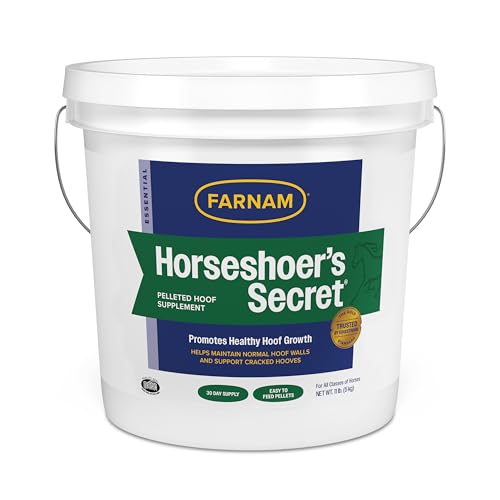
Farnam Horseshoer’s Secret Pelleted Hoof Supplement 11 lb

Sho-Glo Horse Vitamin & Mineral Supplement 25 lb Bag

Horse Health Red Cell Vitamin-Iron-Mineral 32 oz
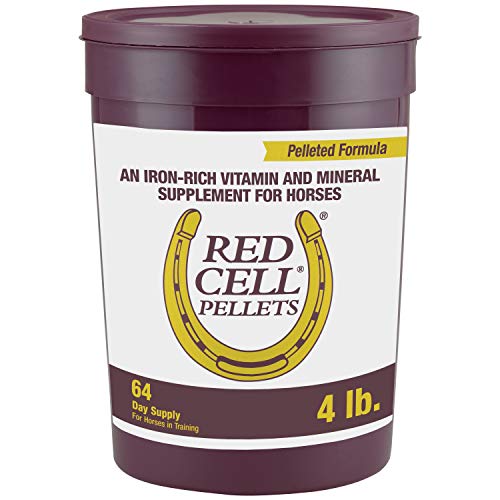
Horse Health Red Cell Pellets 4 lb

Redmond Daily Red Crushed Garlic Supplement

MagnaGard Gastric Support Powder 6 lb
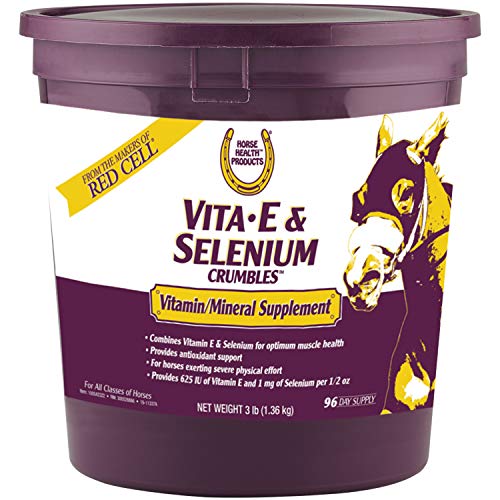
Horse Health Vita E & Selenium Crumbles 3 lb

Vita Flex Pro E & Selenium Supplement
What Each Pick Brings To The Table
Hoof problems rarely announce themselves until the farrier points at a vertical crack. This pelleted formula attacks the issue from inside the horse, pairing biotin with lysine and methionine, two amino acids that serve as raw material for hoof wall keratin. Copper and zinc round out the mineral side, which matters because hoof quality depends on more than one nutrient.
The alfalfa-based pellets mix cleanly into grain, a real advantage over powders that sift to the bottom of the feed tub. Farriers commonly recommend this line for horses that chip between trims, and an 11-pound bag stretches across weeks of daily servings.
The Practical Payoff
- Biotin plus amino acids support visible hoof wall growth over a typical trim cycle
- Omega-3 and omega-6 fatty acids condition coat and skin alongside hoof tissue
- Pellets resist sorting, so picky eaters still get a full dose
- Widely stocked and easy to reorder through the season
Things To Consider
- Hoof changes take months of consistent feeding, not days, so patience is part of the deal
- Store the bag sealed and dry; pellets can draw moisture in humid tack rooms
Key Specs
Who It Suits Best
Horses with recurring cracks, chips, or thin hoof walls whose owners want one targeted product instead of stacking several.
A Better Fit Elsewhere
For whole-body conditioning rather than hooves alone, Sho-Glo offers broader vitamin and mineral coverage in its 25 lb bag.
Where the Farnam pellet targets hooves specifically, Sho-Glo plays the generalist. Manna Pro built it as a catch-all balancer: vitamins, minerals, and amino acids in one scoop, designed to patch whatever your hay happens to be missing. That makes it a sensible baseline for barns feeding straight grass hay without a fortified ration balancer.
Biotin, copper, and zinc show up here too, so coat shine and hoof strength come along for the ride. A 25-pound bag suits multi-horse households, though you may find the bulk awkward in a small feed room without a lidded bin.
Useful Touches
- One blend covers horses of different ages and workloads, simplifying the feed chart
- Copper and zinc support coat depth and skin resilience through seasonal sheds
- Large bag format keeps cost per serving reasonable for several horses
Small Caveats
- Generalist formulas dilute hoof-specific nutrients compared with a dedicated biotin product
- You will need an airtight container to keep 25 pounds fresh in humid climates
Right Fit For
Owners running a mixed herd on plain forage who want a single daily supplement rather than condition-specific products.
Swap It Out When
A horse with a diagnosed hoof problem will get faster results from the focused Farnam Horseshoer’s Secret formula above.
Iron gets overlooked until a horse looks washed out and flat. Red Cell’s liquid format delivers iron alongside zinc for immune function and a B-complex blend that supports everyday metabolism. The 32-ounce bottle covers roughly a 16-day supply at standard dosing, which suits short-term support more than year-round feeding.
Liquids have a practical upside: they top-dress easily and tend to tempt fussy eaters thanks to the flavoring. The honest trade-off is shelf life once opened, since liquid supplements should be used steadily rather than stored half-full for months.
What Earns Its Place
- Iron and zinc together back red blood cell production and immune defense
- B-complex vitamins help convert feed into usable energy
- Liquid form mixes into wet mashes for seniors with dental issues
- Compact bottle fits small feed rooms and travel trailers
Points To Note
- A 16-day supply means frequent reordering for ongoing programs
- Opened bottles need cool, dark storage to stay fresh
Quick Facts
Made For
Senior horses, hard keepers, or any animal coming off a rough winter that needs a nutritional reset.
Reach For A Different Pick When
Feeding a whole barn long term, the 4-pound Red Cell Pellets version cuts cost per day considerably.
Same Red Cell concept, drier delivery. This pellet version packs iron, a wide B-vitamin lineup including B12 and folic acid, vitamins A, D3, E, and K, plus biotin, selenium, and manganese into a top-dress you can scoop straight onto grain. The 4-pound bag runs roughly 64 days per horse, a much better rhythm for continuous programs than the 16-day liquid bottle reviewed just above.
Iron supports hemoglobin, the protein that ferries oxygen to working muscles, which is why owners reach for it during heavy training blocks. One caution worth knowing: iron accumulates, so horses already on iron-fortified feeds may not need the extra.
Positive Points
- Two-month supply per bag keeps daily costs predictable
- No measuring cups of sticky liquid, no residue in the bucket
- Broad micronutrient list doubles as light insurance against forage gaps
Less Ideal Details
- Some horses sort around pellets in dry grain, so dampening the feed helps
- Not the right tool for horses already receiving adequate dietary iron
Who Will Love This
Barn managers topping dress for several horses through a training season who want set-and-forget consistency.
Another Choice May Suit
For muscle-specific antioxidant needs without added iron, the Horse Health Vita E & Selenium Crumbles later in this list fit better.
Redmond mines its mineral base from a single deposit in Utah, and that origin story shows in the product: more than 60 loose trace minerals, boosted with selenium, copper, zinc, manganese, iodine, and cobalt. Vitamins A, D, and E ride along for bone, vision, nerve, reproductive, and immune support. The crushed garlic version adds a flavor most horses clean up eagerly.
This is the closest thing on the list to a pasture-friendly approach, since loose minerals suit free-choice feeding setups. Owners in selenium-deficient regions often gravitate here, though soil testing first is the smarter move.
The Helpful Details
- 60-plus naturally occurring trace minerals mirror what forage often lacks
- Garlic improves acceptance from hesitant eaters
- Vitamins A, D, and E cover bone, vision, and reproductive bases
- 25-pound refill bag suits mineral feeders and multi-horse turnout
Worth Bearing In Mind
- Loose mineral can cake in humidity, so check feeders after rain
- Garlic flavor divides some horses; a few simply refuse it
Details At A Glance
Whose Shelf It Belongs On
Owners running horses on grass turnout who prefer a natural, free-choice mineral program over measured scoops.
Consider Something Else When
Precise daily dosing matters more than free-choice access, in which case Sho-Glo’s measured servings are easier to manage.
Stall-bound, high-strung, or heavily traveled horses wear their stress in the gut. MagnaGard approaches that from the digestive side, using magnesium-rich ingredients to buffer excess stomach acid while supplying trace minerals. The brand positions it as calming by comfort: a horse whose gut feels settled has an easier time focusing on work.
The 6-pound bag yields about 45 days of powder servings, and the maker notes the formula is drug-free and suitable for competition use. Digestive claims vary horse to horse, so treat this as supportive nutrition rather than a substitute for veterinary care on confirmed ulcers.
Standout Benefits
- Magnesium content supports a calmer demeanor in reactive horses
- Acid-buffering action suits stall confinement and show schedules
- Drug-free formula works for sanctioned competition settings
- 45-day supply per bag keeps a steady routine affordable
Factors To Consider
- Powder must be mixed thoroughly or it can settle in the feed pan
- Results depend heavily on management changes like more forage and turnout
Product Snapshot
Who Should Grab It
Owners of anxious, cribbing-prone, or frequently hauled horses dealing with stress-related digestive grumpiness.
Look Elsewhere When
Your goal is coat and hoof polish rather than gut comfort, where Sho-Glo’s beauty-focused nutrients do more good.
Selenium and vitamin E work as a pair: selenium is a trace mineral that helps antioxidant enzymes function, while vitamin E protects muscle and nerve cells directly. Horses in hard training burn through both, and much of North American soil runs short on selenium naturally. Each half-ounce serving here delivers 625 IU of vitamin E and 1 mg of selenium, numbers specific enough to plan around.
The crumble texture earns its keep with picky eaters, mixing into grain with minimal sorting. A 3-pound bag spans about 96 days, making this one of the longer-running options on the list.
Notable Gains
- Precise per-serving doses allow accurate ration balancing
- Antioxidant support suits horses in intense or returning-from-layup work
- Crumbles resist sorting better than fine powders
- Roughly three months of supply per bag reduces reorder hassle
Things To Weigh Up
- Selenium has a narrow safe range, so overlap with other selenium sources needs checking
- Keep the bag tightly closed; crumbles can dry out and crumble finer over time
Best Suited To
Performance horses, broodmares, and seniors needing measurable antioxidant intake without adding iron to the diet.
Where A Sibling Pick Shines
Horses that also need iron and B vitamins are better served by the Red Cell Pellets earlier in this roundup.
Vita Flex takes the same E-and-selenium pairing as the Horse Health crumbles and adds a twist: a yeast culture base. Yeast culture, essentially beneficial fermentation organisms, improves palatability and may help the hindgut extract more nutrition from the rest of the ration. For horses that leave powder behind in the pan, that flavor edge matters more than it sounds.
The 4-pound size covers about 64 days, with a 20-pound option for barns committing to a full season. Compared directly with item seven, this one trades slightly shorter bag life for better acceptance and digestive support.
Notable Upsides
- Yeast culture base encourages cleanup even from fussy feeders
- Balanced E and selenium levels address common regional deficiencies
- Antioxidant support fits horses in consistent work programs
- Multiple bag sizes accommodate single horses or full barns
Potential Sticking Points
- Yeast-based products can clump in damp storage, so a sealed bin helps
- Total selenium intake still needs tracking against fortified feeds
Feature Rundown
The Right Fit
Owners of selective eaters in steady training who want antioxidant coverage their horse will actually finish every day.
Skip It When
Maximum supply per dollar drives the decision, since the Horse Health Vita E & Selenium Crumbles stretch further per bag.
Matching A Supplement To Your Barn
Start With Forage, Not The Feed Store
Hay provides the bulk of equine nutrition, but its mineral content mirrors the soil it grew in. A forage analysis, cheap relative to guesswork, tells you whether selenium, copper, or zinc are actually missing before money leaves your wallet. Horses on plain grass hay typically need a balancer, while those on fortified complete feeds may need nothing beyond what is already in the bucket.
Match Format To Feeding Reality
Powders measure precisely but sift to the tub bottom; pellets and crumbles survive picky eaters; liquids suit short courses and dental-compromised seniors. Choose the format your horse will finish consistently, because a perfect formula goes nowhere in a half-eaten meal. Multi-horse barns usually favor bags sized for a month or more.
Respect The Narrow Margins
Selenium and iron sit in a different category from biotin or vitamin E: both carry toxicity risk at high intakes. Never stack multiple products containing the same mineral without doing the math, and loop in your veterinarian or an equine nutritionist when combining supplements. More is not better in this category, it is sometimes dangerous.
Key Considerations Across These Picks
Traps First Timers Fall Into
The classic error is buying a hoof product for a coat problem, then concluding supplements do not work. Read labels for actual nutrient amounts rather than marketing claims, and give any new product a fair window, often 60 to 90 days for structural tissues like hoof wall. Skipping a forage analysis is the second most expensive mistake in the aisle.
What Separates Premium From Basic
Higher-tier formulas justify their cost through dose precision, palatability engineering like yeast cultures, and multi-nutrient synergy rather than a single hero ingredient. Paying up makes sense for performance horses and confirmed deficiencies. Casual trail horses on decent hay often do fine with a straightforward balancer.
Frequently Asked Questions
How long before I see results from a hoof supplement?
Hoof wall grows slowly, so expect 6 to 12 months of consistent feeding before a full new wall reflects the change. Improvements in existing cracks often appear sooner.
Can I feed more than one of these products together?
Yes, but only after checking overlapping nutrients, especially selenium and iron. Combining duplicates risks exceeding safe upper limits.
Do all horses need a mineral supplement?
No. Horses on well-balanced fortified feeds may already receive everything they need. A forage analysis and vet conversation settle the question quickly.
Why does selenium matter so much?
Much of North American soil is selenium-poor, so locally grown hay often falls short. Selenium supports muscle function and antioxidant defenses.
Are liquid supplements better than pellets?
Neither is universally better. Liquids suit short-term support and older horses, while pellets offer longer shelf stability and less waste with picky eaters.
Bottom Line
Start with what your hay lacks, add only what fills that gap, and give each choice time to prove itself. Hoof-focused owners should lean toward the Farnam pellet, whole-herd balancers toward Sho-Glo, and performance programs toward the E-and-selenium pair. Whichever route fits, consistency beats novelty every single time.
