

Glass espresso gear solves a problem most coffee lovers know well: you can’t see what’s happening inside an aluminum moka pot until it’s too late. A transparent top lets you watch the brew climb, pull it off the heat at the right moment, and avoid that bitter, over-extracted taste. This roundup covers stovetop pots with crystal tops, one electric option, and a pair of glass serving cups that round out any setup. Whether your kitchen runs on induction, gas, or a single outlet, there’s a fit here for small spaces, Cuban coffee traditions, and everyday routines alike.
The Lineup, Simplified

SENTVEND 4 Oz Espresso Cups Set of 2 Double Spout

SENTVEND 4 Oz Espresso Shot Cups Set of 2 Measuring

SIXAQUAE Moka Induction Stovetop Espresso Maker 240ml

LAOION Stovetop Espresso Maker 6Cup 240ml Moka Pot

LAOION Stovetop Espresso Maker 3Cup 160ml Moka Pot
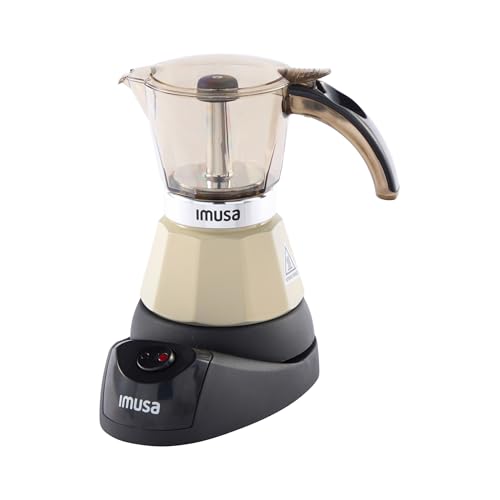
IMUSA 3 or 2 Cup Electric Espresso Maker Almond

LAOION Stovetop Espresso Maker 6Cup 10 oz Stainless Steel
Why These Options Stand Out
Serving espresso straight from a moka pot usually means drips down the counter. These two clear glass cups fix that with a double V-shaped spout on each side, so lefties and righties both get a clean pour. At roughly 4 ounces apiece, one cup holds two standard shots.
The food-grade glass is transparent enough to judge crema color at a glance, and the handles keep fingers away from hot brew. Beyond coffee, they handle desserts and salad dressing without complaint.
Key Advantages
- Double spouts pour smoothly from either side, cutting counter mess during busy mornings
- 4 oz capacity covers two shots per cup, enough for a shared after-dinner serve
- Clear walls let you check extraction color before it hits the demitasse
- Handles stay comfortable while the glass is still hot
Things To Consider
- Glass demands gentler handling than steel; owners commonly report chips come from sink crowding rather than normal use
Who It Suits Best
Home baristas who want tidy, visible serving cups to pair with a stovetop pot like the SIXAQUAE below.
A Better Fit Elsewhere
Anyone who wants measured filling should reach for the SENTVEND measuring version instead, which adds graduated lines.
This set takes the previous SENTVEND cups and adds something beginners quietly need: measurement lines. Marked at 3 ounces against a 4 ounce total capacity, they turn guesswork into repeatable pours, which matters when you’re learning how much water a moka pot actually yields.
In practice, that makes them a training tool as much as drinkware. You can brew into the cup, read the volume, and adjust grind or heat next round. The same double-spout design and easy-clean glass carry over from item one.
Bright Spots
- Graduated lines make shot volume consistent, useful for recipe testing and milk-drink prep
- Same dual V-spout pouring as the plain set, so no drips either direction
- Clear food-grade glass doubles as a mini measuring jug for syrups and dressings
Worth Noting
- Printed or etched markings can fade with abrasive scrubbing, so a soft sponge is the safer cleaning route
- Two cups may feel thin for households serving more than two people at once
Made For
Newer home brewers who want measurable, repeatable espresso without buying a scale on day one.
Swap It Out When
If you already dose by weight, the plain SENTVEND double-spout set delivers the same pour quality with less fuss.
Here’s where the glass-top idea earns its keep. Borosilicate glass, a heat-resistant material that tolerates rapid temperature swings, forms the upper half of this 240 ml six-cup moka pot, so you literally watch the brew rise and cut the heat at the right second. The lower chamber uses 304 food-grade stainless steel, the corrosion-resistant grade common in cookware.
That combination suits induction cooktops, where traditional aluminum pots often fail to make contact. Compared with the all-steel LAOION models later in this list, you trade some durability for visibility, and many owners find that trade worthwhile.
What Works In Its Favor
- Transparent top shows extraction progress, ending burnt-coffee surprises
- Stainless base works on induction, gas, and electric burners alike
- Six-cup 240 ml size serves a household or back-to-back refills
- Classic Italian silhouette looks at home on open shelving
Small Caveats
- Glass sections need careful storage; a crowded cabinet is the usual culprit behind breakage reports
- Hand washing keeps the seal and glass in better shape than a dishwasher cycle
At A Glance
Right Fit For
Induction-kitchen dwellers who value watching the brew over maximum ruggedness.
Where A Sibling Pick Shines
Rough handling or dishwasher habits point toward the LAOION 6Cup 10 oz stainless model, which skips glass entirely.
Where the SIXAQUAE leads with its glass showpiece, this LAOION plays the pragmatist. An all-stainless induction base transfers heat efficiently on electromagnetic cooktops, and the crystal glass top still gives you that watch-the-brew advantage. It’s aimed squarely at cafetera Cubana tradition, the strong sweet coffee poured over sugar.
One habit worth adopting: fill water only up to the safety valve, never past it. Skipping that step is the most commonly reported cause of leaks and sputtering with moka-style pots generally.
Real Benefits
- Full stainless base heats evenly on induction, gas, and coil burners
- Glass top lets you time the pull visually instead of guessing by sound
- 240 ml output suits family service or iced Cuban coffee batches
- Steel construction shrugs off the dings that end aluminum pots early
Points To Keep In Mind
- Overfilling past the safety valve causes leaks, so the fill line becomes part of your routine
- Steel handles retain heat longer than plastic ones; a folded towel helps right off the burner
Quick Facts
Who Will Love This
Households brewing Cuban or Italian style daily on an induction range who want glass visibility plus steel toughness.
Not Your Match When
Solo drinkers brewing one cup at a time will find the LAOION 3Cup 160 ml version lighter and faster to heat.
Same family, smaller appetite. This 160 ml three-cup version of the LAOION pot trims the footprint for studio kitchens, RV counters, and deskside brewing. The stainless induction base carries over, so nothing changes about stove compatibility, only scale.
Smaller chambers also mean faster heat-up, which matters on rushed weekday mornings. The honest caveat: three “cups” in moka sizing means roughly three small demitasse servings, not three mugs, and first-time buyers are regularly surprised by that math.
A Favorable Mix
- Compact body stores in a drawer, a genuine win in galley kitchens
- Less water means quicker brews on busy mornings
- Stainless base stays induction compatible despite the smaller size
A Few Limitations
- 160 ml won’t cover a household of heavy drinkers; expect multiple rounds
- Like its 6-cup sibling, it needs water kept below the safety valve to avoid leaks
Product Snapshot
Whose Shelf It Belongs On
Apartment dwellers and solo brewers who want authentic moka flavor without dedicating cabinet space.
Reach For A Different Pick When
Serving guests calls for the LAOION 6Cup 240 ml model, which doubles output with the same design language.
Every other pick here needs a flame or a coil. This IMUSA plugs into a wall outlet instead, brewing Cuban and Italian style coffee with a cast aluminum boiler and a translucent tritan top, a tough clear plastic that stands in for glass. The almond-toned finish and brown-tinted carafe give it a retro kitchen presence.
The detachable base is the detail that wins people over: lift the carafe free to pour, set it back to keep warm. In a dorm room or office break area, that’s the whole argument.
Where It Delivers
- Electric operation frees you from stovetop space entirely
- Detachable base with keep-warm function holds coffee at temperature between pours
- Cool-touch handle makes serving safe without a towel juggle
- Cast aluminum boiler is the same proven material classic electric mokas use
Honest Caveats
- Tritan top trades the true-glass clarity of the SIXAQUAE for shatter resistance
- Aluminum interiors typically develop a seasoned patina over time, which some owners rinse gently rather than scrub away
The Right Fit
Dorm residents, office corners, and anyone whose kitchen has no burner to spare.
Another Choice May Suit
Stove-first brewers who want real glass should look back at the LAOION 6Cup 240 ml pot instead.
This is the LAOION lineup’s no-glass workhorse. Premium stainless steel throughout means no fragile upper chamber, no patina concerns, and a pot that survives travel bags and crowded sinks. At 6 cups and 10 ounces, it matches the capacity of the glass-top versions while trading visibility for outright toughness.
It’s also the pick that travels well, light enough for camping stoves and cabin weekends. Owners who’ve chipped a glass-top pot before tend to land here on the replacement.
Features That Help
- All-steel build resists drops and dents that end glass-topped pots
- Induction-compatible base works on campsite and kitchen burners alike
- 10 oz / 6 cup output handles family service or recipe batches
- Steel wipes clean without the gentle-handling routine glass demands
Trade Offs
- No viewing window, so timing relies on sound and steam cues rather than sight
- Steel exteriors show fingerprints more readily than matte finishes
Core Details
Best Suited To
Frequent brewers, travelers, and anyone replacing a broken glass pot with something harder to kill.
Consider Something Else When
Visual brew control matters most to you, the SIXAQUAE glass-top moka restores that window at a similar capacity.
What Matters Most Before Choosing Glass Espresso Makers
Match The Pot To Your Burner
Induction cooktops only respond to magnetic materials, which rules out classic aluminum moka pots entirely. Every stovetop pick above uses a stainless base for exactly that reason. Gas and electric coil owners have wider freedom, though even then, steel distributes heat more predictably than thin aluminum.
Capacity Math Isn’t Mug Math
Moka “cups” run about 1.5 to 2 ounces, closer to a shot than a mug. A 3-cup pot fills one ordinary coffee cup; a 6-cup model serves two people properly. Buying bigger than needed slows heat-up and can leave stale coffee sitting around.
Glass Visibility Versus Durability
A transparent top ends the guesswork of when to kill the heat, which is the difference between syrupy and scorched. The cost is fragility. Households with crowded cabinets, dishwashers, or clumsy hands may sleep better with all-steel construction and accept audio cues instead.
Serving Gear Completes The Setup
Clear glass cups with spouts aren’t decoration. They let you verify volume and crema before the drink lands, and they pour cleanly over sugar for proper cafecito. A two-cup set covers most solo and couple households.
Key Considerations Across These Picks
Traps First Timers Fall Into
The biggest mistake is overfilling the water chamber past the safety valve, the small pressure-release fitting on the pot’s side. It causes leaks and weak brews. Second is misreading cup counts as mug counts, leaving new owners with a pot half the size they pictured.
What Separates Premium From Basic
Higher-tier builds spend money where it shows daily: borosilicate glass that survives thermal shock, 304-grade stainless that resists pitting, and tighter gasket seals that stop dribbles. Paying up pays off for daily brewers; occasional users do fine with simpler builds.
Closing Thoughts
Glass espresso makers reward attention with better coffee, because seeing the brew finish beats hearing it every time. Start with your burner type, size honestly for your household, and decide whether visibility or durability matters more in your kitchen. Pair any pot here with a clear serving set and you’ll taste the difference within a week. Brew slow, pour clean, and enjoy the ritual.
