

A gate left open, a squirrel worth chasing, a trail that forks unexpectedly. Any of these can turn an ordinary afternoon into a search party. That’s the problem a good GPS collar solves: it tells you where your dog actually is, not where you hope they are. This roundup covers seven collars built for different situations, from everyday neighborhood escapes to multi-dog hunting setups and full wireless fence systems. Some are pure trackers, others double as containment and training tools, so the right choice depends less on specs and more on how your dog spends their time.
The Main Contenders

Fi Series 3+ GPS Dog Collar Large Blue
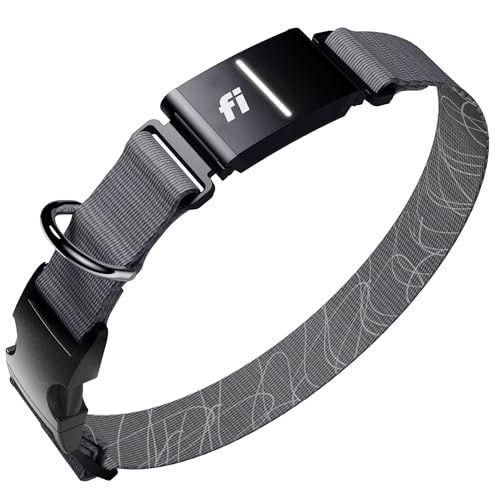
Fi Series 3+ GPS Dog Collar Large Gray

Halo Collar 5 GPS Wireless Dog Fence Graphite
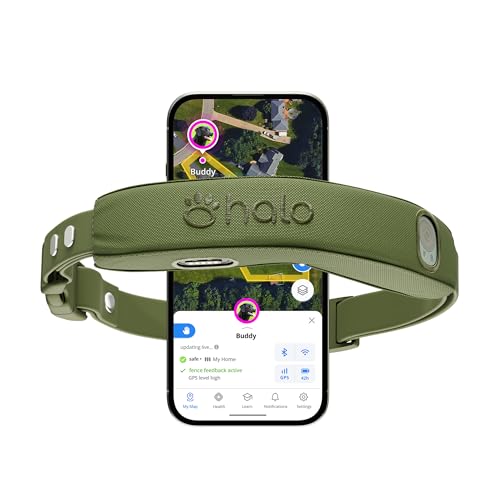
Halo Collar 5 GPS Wireless Dog Fence Ranger

Halo Collar 5 GPS Wireless Dog Fence Realtree Camo

SpotOn Omni GPS Dog Fence Collar Medium

Dogtra Pathfinder 2 GPS Tracker e Collar
Meet The Standout Selections
The blue Fi Series 3+ is the collar you reach for when the priority is knowing where your dog is right now, not building invisible fences. Open the companion app and the live position appears immediately, with the route updating as your dog moves. For anyone whose hound has ever slipped a leash at the park, that single capability changes the whole dynamic of a loose-dog moment.
This listing also bundles a six-month protection plan covering accidental damage like drops, spills, and broken parts, plus breakdowns after the manufacturer’s coverage ends. Claims run through Asurion with no repair or replacement fees and shipping included, which softens the sting of a chewed strap or a cracked module.
What Makes Sense
- Live location updates in the app mean you follow your dog’s actual path instead of guessing a direction.
- Nationwide coverage keeps the tracker useful well beyond your neighborhood, on trails or road trips.
- Bundled damage plan covers drops, spills, and cracked components from day one.
- Claims file online in minutes with no out-of-pocket repair costs under the plan terms.
Things To Consider
- Ongoing service plans typically apply after any included period, so budget for the subscription alongside hardware.
- The large sizing won’t suit small breeds; measure neck circumference before ordering.
Key Specs
Who It Suits Best
Owners of larger escape-prone dogs who want straightforward live tracking without committing to a full fence system.
Where Another Pick Suits Better
Anyone needing containment plus training should look at the Halo Collar 5 Graphite instead, since it layers virtual fencing on top of location data.
Functionally, this gray variant is the same collar as the blue Fi above: real-time positioning in the app, route-following during a chase, and the same bundled six-month damage plan. The difference is purely aesthetic, and that matters more than it sounds. Gray hides mud, drool, and everyday grime far better than brighter shades, which owners of water-loving breeds tend to appreciate over months of wear.
Choose this one when you want the Fi experience without drawing attention to the hardware itself. Everything else, including the protection plan’s no-fee claims process and 24/7 support access, carries over unchanged.
Strengths Worth Knowing
- Identical live-tracking behavior to the blue version, so nothing is sacrificed for the color swap.
- Muted gray finish stays presentable between cleanings, a small but real ownership win.
- Damage plan covers spills and broken parts with shipping included on repairs.
Worth Noting
- Like its sibling, it tracks location only; there’s no correction or containment function here.
- Owners commonly report checking strap fit periodically as dogs’ coats change seasonally, since a loose collar affects sensor contact.
Made For
Suburban households with big dogs who want dependable everyday tracking in a low-maintenance color.
Consider Something Else When
Handlers running multiple dogs off-leash will get more value from the Dogtra Pathfinder 2, which was designed around multi-dog management from the start.
Where the Fi collars answer “where is my dog,” the Halo Collar 5 answers “how do I keep my dog home without burying wire.” It runs dual-frequency satellite reception, meaning it listens to both L1 and L5 GPS signals, then applies corrections from a global ground-station network. The company cites accuracy within roughly two feet of your dog’s true position, which is the kind of margin a virtual boundary needs to be trustworthy.
Drift prevention and AI-based obstacle filtering round out the positioning stack, aimed at reducing false alerts near trees, buildings, and slopes. In our view, that engineering focus is what separates serious fence collars from repurposed trackers.
The Helpful Details
- Dual-frequency L1/L5 reception resists the signal bounce that plagues cheaper single-band units near structures.
- Ground-station corrections tighten positional accuracy to about two feet, keeping boundaries honest.
- Obstacle-filtering AI reduces nuisance warnings in cluttered yards.
- Combines containment, tracking, and training in one device rather than three purchases.
- Graphite finish suits owners who prefer understated gear.
Trade Offs
- A premium price point puts it above tracker-only options like the Fi Series 3+.
- Virtual fences require setup time and consistent training sessions before a dog respects them reliably.
- Subscription services are typically part of the ongoing cost structure for connected features.
Right Fit For
Homeowners on unfenced lots who want containment-grade accuracy and are willing to invest in proper training.
Not Your Match When
Apartment dwellers or leash-only households get little use from fencing features, making the simpler Fi Series 3+ Gray the leaner buy.
The Ranger edition carries the same Precision+ positioning core as the graphite model above: dual-band satellites, ground-station corrections, drift prevention, and obstacle filtering. What changes is the presentation. The Ranger styling reads more field-ready, which suits properties where the collar lives outdoors as much as indoors, think muddy pastures, creek crossings, and long days on acreage.
Nothing about the underlying technology shifts between these variants, so your decision here is environmental rather than technical. Rural owners often report preferring darker, hard-wearing finishes precisely because scrubbing a light collar weekly gets old fast.
Practical Pluses
- Same sub-two-foot accuracy claim as the rest of the Collar 5 line, thanks to corrected dual-frequency GPS.
- Ranger finish tolerates visible dirt better between cleanings.
- Full fence, track, and train functionality in one unit.
Small Caveats
- Identical pricing tier to other Collar 5 colors, so the choice buys aesthetics, not extra hardware.
- Boundary training still demands weeks of consistent reinforcement; the collar guides, it doesn’t replace effort.
- Charging routine becomes part of daily life, as with all connected collars.
Feature Snapshot
Best Suited To
Rural and semi-rural owners managing working or high-energy dogs across open, unfenced land.
Look Elsewhere When
Wooded parcels with irregular shapes may suit the SpotOn Omni better, given its dual-feed antenna design built specifically for heavy cover.
Third time’s the pattern: this Realtree Camo version runs the exact same Precision+ platform as the graphite and Ranger Halo models, down to the two-foot accuracy figure and AI obstacle filtering. What it adds is a licensed camouflage pattern that blends into brush, timber, and field environments. Hunters and upland-bird owners tend to care about that, both for aesthetics and because a camo collar doesn’t spook game the way bright hardware might.
It’s the most personality-forward option in this lineup, and honestly the one that photographs best next to a truck tailgate.
Standout Benefits
- Realtree patterning suits hunting contexts where subdued gear is preferred.
- Full dual-frequency accuracy and drift prevention match every other Collar 5 variant.
- One device covers fencing, live tracking, and training cues.
- Camouflage hides staining from field use better than solid light colors.
Points To Note
- You’re paying flagship-collar money for a colorway; the hardware matches the cheaper-looking siblings exactly.
- Patterned straps may show wear differently than solid ones over years of abrasion, based on common owner feedback.
Quick Facts
Who Will Love This
Hunters and rural sporting-dog owners who want flagship containment tech wrapped in field-appropriate styling.
A Better Fit Elsewhere
Suburban users indifferent to camo save nothing by choosing this over the graphite Halo Collar 5, which offers identical performance in a plainer shell.
SpotOn approaches the containment problem from the antenna side. This medium-size Omni collar connects to up to 128 satellites and uses a dual-feed GPS antenna with the brand’s True Location technology, a setup engineered specifically to hold position in dense woods where ordinary receivers wander. Dual-feed means two antenna elements work together to reject reflected signals, which is why the company positions it for heavily forested properties.
Boundaries scale from half an acre to over 100,000 acres, in any shape you draw, with keep-out zones and correction-free areas layered on top. Compared to the Halo Collar 5’s ground-station approach, SpotOn bets on raw antenna quality, and for thick tree cover that bet makes sense.
The Good Stuff
- Dual-feed antenna maintains reliable fixes under canopy where single-feed designs drift.
- Unlimited custom fences from half an acre upward, including irregular property lines.
- Off-limits zones let you protect gardens, pools, or driveways inside the main boundary.
- Correction-free areas give dogs safe zones free of feedback during play.
- Medium 12-to-18-inch neck fit covers a wide range of mid-size breeds.
Honest Caveats
- Half-acre minimum means tiny urban lots fall below the practical floor for fencing use.
- Setup involves walking or mapping boundaries, which takes longer than pre-set systems.
- Connected features generally ride on a subscription, adding recurring cost to a premium device.
At A Glance
The Right Fit
Owners of wooded or irregularly shaped properties who need boundary precision where tree cover defeats lesser antennas.
Skip It When
Your lot is small and open, since the Fi Series 3+ delivers tracking value at a friendlier entry point without fence hardware you won’t use.
Everything before this point assumed cellular networks do the heavy lifting. The Dogtra Pathfinder 2 skips subscriptions entirely, using satellite-based real-time tracking with a stated nine-mile range and a dedicated smartwatch-style handheld controller. Track up to 21 dogs simultaneously through the companion phone app, and trigger corrections directly from the GPS connector for faster response in the field.
An LED locate light aids visibility in low light, and the waterproof build expects swampy retrieves and rain-soaked mornings. One note worth flagging: Pathfinder 2 does not pair with original Pathfinder-series equipment, so existing Dogtra owners are buying into a new ecosystem.
Useful Highlights
- No monthly fees, a meaningful saving against cellular trackers over a collar’s lifespan.
- Nine-mile range covers vast hunting grounds without depending on cell towers.
- Multi-dog support up to 21 collars suits kennels and guided hunts.
- Direct-correction button shortens response time when a dog ranges too far.
- LED light improves night and dawn retrieval of dogs.
Potential Drawbacks
- A smartphone is required for full functionality, so the handheld alone isn’t the whole system.
- Incompatible with first-generation Pathfinder gear, forcing an ecosystem switch for upgrades.
- E-collar correction functions demand proper training knowledge; misuse can confuse or stress a dog.
- Handheld-plus-collar kit costs more upfront than app-only trackers.
Feature Rundown
Whose Shelf It Belongs On
Serious hunters, trainers, and multi-dog handlers working large rural expanses who’d rather own hardware than rent connectivity.
Another Choice May Suit
Weekend pet owners sticking to town will find the Fi Series 3+ Blue simpler and lighter, with no handheld to keep charged.
What Matters Most Before Choosing Gps Collars For Dogs
Tracker Or Fence First
Decide the primary job before comparing brands. Pure trackers like the Fi Series 3+ excel at recovery and activity awareness, while fence systems such as Halo and SpotOn add containment layers that demand training commitment. Paying for fencing features you’ll never configure wastes money; skipping them when your dog roams unsupervised creates risk.
Coverage And Connectivity
Cellular-based collars depend on network availability, which matters on remote trails. Satellite-first designs like the Dogtra Pathfinder 2 sidestep that dependency entirely. Match the connectivity model to where your dog actually travels, not just your address.
Fit, Weight, And Wear
A collar lives on your dog all day, so neck sizing and unit weight deserve real attention. Measure circumference carefully, especially for medium breeds sitting between size brackets, and check strap material against your dog’s coat type and swimming habits.
Ongoing Costs
Look past the sticker. Subscriptions, replacement straps, and charging accessories accumulate. No-fee-plan bundles soften early accidents, while subscription-free hardware trades convenience for long-term savings.
Key Considerations Across These Picks
Traps First Timers Fall Into
The most common mistake is buying a fence collar for a dog that hasn’t mastered basic recall, then blaming the hardware when boundaries fail. Virtual fences supplement training, never replace it. Another frequent slip: ignoring minimum property requirements, since systems like SpotOn need at least half an acre to function sensibly.
Why Top Tier Costs More
Dual-frequency receivers, ground-station corrections, and dual-feed antennas all cost real money to engineer, and that spend shows up as accuracy under trees and near buildings. Budget units perform fine in open suburban yards. The upgrade pays off when your terrain is difficult or your dog’s safety depends on a boundary holding true.
Closing Thoughts
The right collar comes down to one honest question: what does your dog actually do all day? Town dogs and park regulars get everything they need from the Fi Series 3+, in whichever color suits. Unfenced yards call for the Halo Collar 5 or SpotOn Omni, chosen by terrain. Working and hunting setups belong to the Dogtra Pathfinder 2. Measure the neck, check the coverage map, and pick the tool that fits the life your dog already leads.
