

Feeding a cat well shouldn’t feel like decoding a chemistry exam. Yet most supermarket shelves are stacked with formulas padded with fillers, artificial colors, and mystery by-products, and cats notice the difference long before you do. This roundup focuses on natural cat foods built around real meat, clean ingredient lists, and textures that actually get eaten, whether your feline prefers broth-soaked morsels or crunchy kibble.
You’ll find wet variety packs for rotation-happy eaters, raw-coated and bone-broth kibbles for hydration-minded households, and limited-ingredient options for sensitive stomachs. Each entry below breaks down where it shines, where it falls short, and which type of cat it suits, so you can match the food to the animal rather than the other way around.
Your Options, Compared
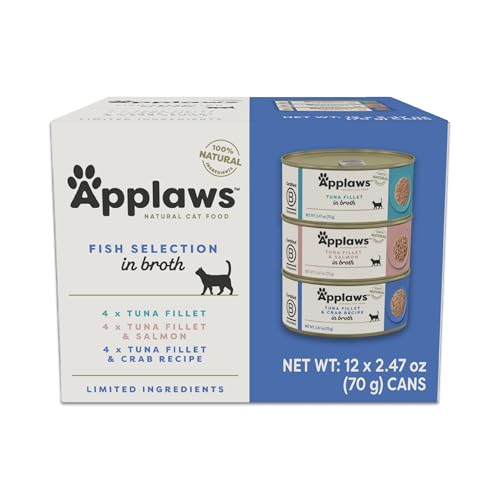
Applaws Fish Variety in Broth Wet Cat Food 12-Pack

Applaws Fish Variety in Broth Wet Cat Food 16-Pack

Fancy Feast Gourmet Naturals Pate Variety Pack

Stella & Chewy’s Raw Coated Cat Food 2.5lb Bag
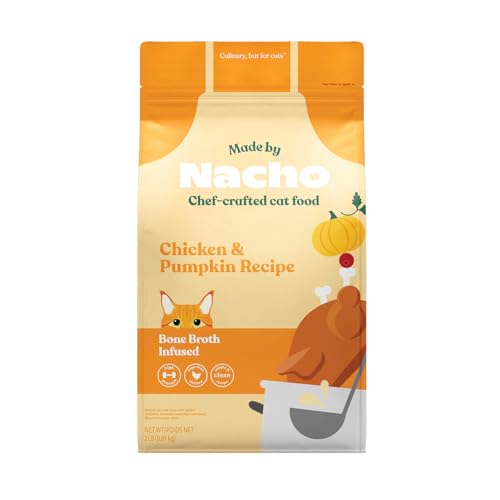
Made by Nacho Dry Cat Kibble Chicken & Pumpkin 2lb

Reveal Whitefish Grain Free Dry Cat Food 3 lb Bag

Optimeal Wet Cat Food Sea Protein Pouches 12-Pack

Chicken Soup for the Soul Grain-Free Salmon & Legumes 4lb
More On The Choices That Made The List
Small cans with short ingredient lists are the whole appeal here. Each 2.47 oz tin holds fish in broth rather than a heavy pate, so mealtime reads more like a treat course than a chore. In a busy household, that means less scraping half-eaten food out of the bowl.
The three-flavor rotation matters more than it sounds. Cats bored by one protein often finish a mixed case enthusiastically, and the small portion size suits supplemental feeding alongside a dry base diet.
Everyday Wins
- Broth-based texture adds moisture to a cat’s day, helpful for animals that drink little water on their own
- Three fish flavors keep rotation interesting without buying separate cases
- 2.47 oz tins mean an opened can gets finished in one sitting, cutting waste and fridge smell
- Compact cans store easily in a cupboard drawer
Things To Consider
- At this can size, a multi-cat home will burn through 12 tins quickly, so bulk sizes may suit better
- Broth-style recipes work best as a topper or complement, not a standalone diet for every cat
Key Specs
Who It Suits Best
Fish-motivated cats in single- or two-cat homes where wet food plays a supporting role to kibble.
A Better Fit Elsewhere
Households going through cans faster than expected should look at the Applaws 16-pack version below for fewer reorders.
This is the same recipe lineup as the 12-pack above, just stretched across four extra tins. That difference is exactly why it earns its own spot: anyone feeding wet food daily will appreciate ordering less often. The 2.47 oz format stays identical, so single servings and zero-waste meals carry over.
Owners of two or more cats commonly report this size hits the sweet spot between cupboard space and reorder frequency. The flavor mix still rotates through three fish varieties, which helps in homes where one cat hogs the tuna and another waits for the whitefish.
Reasons It Performs
- Four additional cans per order mean fewer deliveries and steadier stock
- Same small-tin freshness as the smaller case, no compromise on portioning
- Better suited to daily wet feeding than the 12-pack for a single enthusiastic eater
Points To Note
- Storage takes slightly more shelf space, worth checking cupboard depth before ordering
- Cats indifferent to fish-only menus may stall on this range entirely
Made For
Multi-cat households or daily wet-feeders who want the Applaws broth format without frequent reordering.
Where A Sibling Pick Shines
Cats needing a meat-and-poultry mix rather than pure fish should consider the Fancy Feast Gourmet Naturals pate pack, which spans five proteins including beef and chicken.
Where the Applaws tins lean treat-like, this pack is built as a complete daily diet. The recipes list real beef, chicken, salmon, trout, or tuna as the leading ingredient, with added vitamins and minerals rounding out adult nutritional needs. No corn, soy, artificial colors, flavors, or preservatives appear anywhere in the formula.
The soft pate texture deserves mention too. Senior cats and those with dental sensitivity tend to manage smooth pate more comfortably than chunky morsels, and the 3 oz can size covers a full meal for most adults. Two cases of twelve arrive together, which conveniently stocks a month or more of wet feeding.
Useful Strengths
- Formulated as complete, balanced adult nutrition, not just a topper
- Five-protein rotation reduces the boredom factor in single-flavor households
- Grain-free and free of corn, soy, and artificial additives
- Smooth pate suits older cats or those with dental trouble
- 24 cans per order keeps a steady supply on hand
Honest Caveats
- Opened 3 oz cans need refrigeration if a cat doesn’t finish in one sitting
- Pate loyalists aside, some cats prefer shredded or gravy styles over uniform texture
At A Glance
Right Fit For
Adult-cat owners who want one dependable wet food to anchor daily feeding without juggling multiple brands.
Another Choice May Suit
Cats craving gravy and texture variety may do better with the Optimeal sea protein pouches later in this list.
Raw-coated kibble splits the difference between convenience and ancestral feeding. Every piece of grain-free kibble carries a freeze-dried raw layer, which is where the aroma comes from, and that scent is precisely what turns stubborn noses into empty bowls. Cage-free chicken leads the recipe, backed by 65 to 70 percent animal protein overall.
The small kibble piece size is quietly practical. Kittens, seniors, and cats with dental issues all manage it easily, and added probiotics plus natural fiber support gentler digestion during transitions. For households that have cycled through five foods trying to please a picky eater, this one frequently ends the search.
Advantages To Know
- Freeze-dried raw coating delivers strong aroma that selective eaters respond to
- 65-70% animal protein mirrors a cat’s natural dietary pattern
- Probiotics and fiber ease digestion, especially useful when switching foods
- Small pieces suit kittens, seniors, and dental-sensitive cats alike
Trade Offs To Consider
- Raw-coated bags cost noticeably more per pound than standard kibble
- The coating’s oils mean the bag should be sealed tightly after opening to preserve freshness
Quick Facts
Who Will Love This
Owners of notoriously picky cats, or those wanting raw-style nutrition without handling raw meat themselves.
Swap It Out When
Budget-first shoppers feeding several cats may prefer the Chicken Soup for the Soul salmon formula, which covers all life stages at a friendlier cost per pound.
Bone broth infusion is the detail that separates this kibble from the shelf-standard stuff. The broth coats each piece, adding savory appeal while nudging hydration upward, a genuine concern for cats living exclusively on dry food. Cage-free chicken supplies the amino acids, and pumpkin rounds out a deliberately short ingredient list.
Compared with Stella & Chewy’s raw-coated bag, this one skips the raw element but keeps the flavor-forward approach at a typically lower cost. The brand also offers chicken & duck, salmon & pumpkin, and salmon & whitefish variants, plus 4 lb and 11 lb bags once a cat commits to a favorite.
Strong Points
- Bone broth infusion improves both taste and moisture intake from dry food
- Limited-ingredient recipe simplifies elimination diets and sensitive-stomach management
- High-protein cage-free chicken base supports lean muscle
- Multiple flavor and bag-size options let you scale up after a successful trial
Softer Spots
- A 2 lb bag disappears fast in multi-cat homes, so the larger sizes make more sense long term
- Grain-friendly rather than grain-free, which some strictly grain-avoidant owners may pass on
Product Snapshot
Whose Shelf It Belongs On
Dry-food households whose cats turn their noses up at plain kibble but aren’t ready for premium raw-coated pricing.
Reach For A Different Pick When
Cats with confirmed grain sensitivities fit the Reveal whitefish formula better, since that recipe runs fully grain free.
Some cats don’t need a complicated menu, they need a short one. Reveal builds its ocean whitefish recipe around a limited set of ingredients, with real fish protein leading the list and nothing artificial coloring, flavoring, or preserving the mix. The simplicity is the selling point, particularly for cats with touchy digestion.
The range also extends beyond this bag: chicken recipes exist in both adult and kitten formulations, so a household can stay within one brand from weaning onward. At 3 lb, the bag suits single-cat homes or serves as a rotational protein alongside something like the Made by Nacho chicken kibble.
What Pays Off
- Limited-ingredient whitefish recipe gives sensitive stomachs fewer variables to react to
- No artificial preservatives, colors, or flavors anywhere in the formula
- Kitten and adult chicken variants allow one-brand feeding across life stages
Details To Watch
- A 3 lb bag offers roughly a month of feeding for one average adult, so multi-cat homes will reorder often
- Fish-forward recipes leave a stronger odor in storage than poultry-based kibble, sealed containers help
Who Should Grab It
Owners running elimination trials or managing a cat with known grain reactions who want a straightforward single-protein option.
Consider Something Else When
Kittens need growth-specific nutrition, and the Stella & Chewy’s small-kibble raw-coated formula handles young cats and seniors in one bag.
This pouch pack packs more functional extras than any other wet option here. Fresh fillets of salmon, tuna, shrimp, herring, mackerel, and cod sit in savory gravy, and the formula layers in prebiotic FOS, a fiber source that feeds beneficial gut bacteria, alongside highly digestible protein. The result targets cats whose stomachs complain about everything else.
European-sourced ingredients, no grains, soy, GMOs, or artificial colors round out the profile. Each 3 oz pouch works as a standalone meal or a gravy topper over kibble, which makes it a flexible bridge for cats transitioning off dry-only diets. Pouches also open cleanly, no can opener required.
The Upside
- Prebiotic FOS and fiber actively support digestive balance, rare at this price tier
- Six sea proteins create genuine variety within a single case
- Works as complete meal or kibble topper, adding flexibility to feeding routines
- Grain free with no artificial colors, flavors, soy, or GMO ingredients
- Tear-open pouches beat cans for speed and zero leftover-storage hassle
Less Ideal Details
- Seafood-heavy rotation won’t suit cats with fish sensitivities or poultry preferences
- Gravy-style pouches can be messier at the bowl than firm pate
Feature Breakdown
Built With In Mind
Cats with sluggish digestion or owners who want maximum functional features per dollar in a wet format.
Not Your Match When
Pure-fish fatigue calls for the Fancy Feast Gourmet Naturals pack, whose beef and chicken recipes break up seafood monotony.
All-life-stage labeling is what makes this 4 lb bag genuinely practical. One formula feeds a kitten, an adult, and a senior in the same house, which removes the juggling act most multi-cat owners know too well. Real salmon leads the ingredient list, followed by fresh vegetables and legumes, with no by-product meals, wheat, corn, soy, or artificial preservatives.
Against the pricier Stella & Chewy’s bag, you give up the raw coating but keep a clean, meat-first recipe at a friendlier cost per pound. A chicken & legumes variant exists for cats tired of fish, and the 4 lb size strikes a reasonable balance between freshness and fewer reorders.
Bright Spots
- One bag covers kittens through seniors, simplifying multi-cat feeding
- Real salmon as first ingredient delivers quality protein without premium pricing
- No by-product meals, grains, or artificial additives in the formula
- Chicken variant available for rotation or fish-averse cats
Small Caveats
- Legume-based carbs won’t suit owners following strictly low-carb feeding philosophies
- Once opened, the bag needs an airtight container to keep the salmon oils from turning
The Numbers That Matter
The Right Fit
Budget-aware owners of mixed-age cat households who refuse to compromise on a meat-first, grain-free label.
Look Elsewhere When
A finicky eater ignores plain kibble altogether, the raw-coated Stella & Chewy’s formula tends to win that standoff.
What Matters Most Before Choosing Natural Cat Foods
Read The First Five Ingredients
The opening of an ingredient list tells you most of the story. Named proteins like cage-free chicken or real salmon in the first position signal a meat-led formula, while vague meals and grain fillers suggest otherwise. Cats are obligate carnivores, meaning their bodies are built to run on animal protein, so the front of the list should reflect that biology.
Match Format To Your Cat’s Habits
Wet food adds hydration, which matters for cats that barely touch their water bowl. Kibble offers convenience and dental abrasion but contributes almost no moisture. Many experienced owners land on a hybrid routine, using something like the Optimeal pouches as a daily topper over a dry base such as the Made by Nacho kibble.
Respect Life Stage And Sensitivities
Kitten, adult, and senior formulas differ in calorie density and nutrient ratios, so an all-life-stage label like the Chicken Soup for the Soul bag earns its keep in mixed-age homes. For suspected sensitivities, limited-ingredient recipes such as Reveal’s whitefish make elimination trials far easier to interpret.
Key Considerations Across These Picks
Traps First Timers Fall Into
Switching foods overnight is the classic error, and it usually ends with an unhappy stomach and a stained carpet. Transition over seven to ten days, blending increasing amounts of the new food into the old. Another slip: buying a huge bag before confirming your cat actually likes the recipe. Start small, then scale up.
When Paying More Pays Off
Higher-tier foods earn their markup through named whole proteins, functional additions like probiotics or prebiotic fiber, and shorter, cleaner ingredient decks. The Stella & Chewy’s raw coating, for example, exists specifically to convert picky eaters. Paying up makes sense when a cheaper food goes uneaten, because wasted kibble costs more than premium kibble ever will.
Frequently Asked Questions
Is grain-free always better for cats?
Not necessarily. Grains aren’t inherently harmful, but many cats with sensitivities do better without them. Judge the whole formula, especially whether a named meat leads the ingredient list.
Can I mix wet and dry food daily?
Yes, and many owners do exactly that. Wet food contributes hydration while kibble adds convenience, just account for total calories so your cat doesn’t gain weight.
How do I switch my cat to a new food?
Blend the new food into the old over seven to ten days, gradually shifting the ratio. Slow transitions protect digestion and give a picky cat time to accept new aromas.
Are small cans or pouches better than large ones?
Small portions waste less, since opened wet food spoils quickly even refrigerated. Single-cat homes usually benefit from 2.5 to 3 oz formats like the Applaws tins or Optimeal pouches.
What does “all life stages” actually mean?
It means the formula meets nutritional profiles for growth and maintenance alike, so kittens through seniors can eat it. That flexibility is handy in multi-cat households with different ages.
Closing Thoughts
Natural feeding comes down to matching the food in front of you to the cat in front of you. Fish lovers thrive on the Applaws broth tins, sensitive stomachs settle on Reveal or Optimeal, and stubborn eaters tend to surrender to the raw-coated Stella & Chewy’s. Start with a small bag or a single case, watch how your cat responds over two weeks, and adjust from there. The right answer is whichever bowl gets licked clean.
