

Cats with touchy digestion make mealtime stressful. One wrong ingredient and you’re cleaning up messes or watching your cat refuse the bowl entirely. This shortlist focuses on grain free formulas built around single, recognizable proteins, smooth pate textures, and moisture levels that sit easy on a delicate gut. Whether you’re managing a chronic sensitive stomach or just weaning off a food that stopped agreeing with your cat, there’s a fit here for every budget and feeding style.
The Shortlist At A Glance

Purina ONE Grain Free Pate Ocean Whitefish Recipe 48-Pack

Purina ONE Grain Free Pate Chicken Recipe 48-Pack
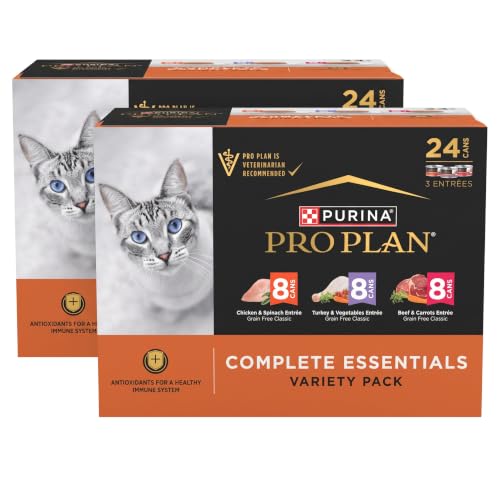
Purina Pro Plan Complete Essentials Variety Pack 48 Cans
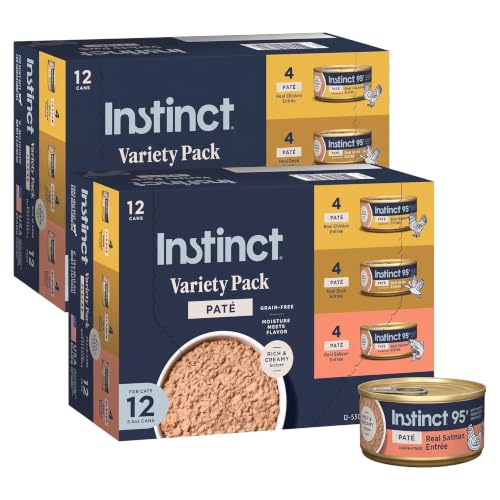
Instinct Original Pate Wet Cat Food Variety Pack

Tiki Cat After Dark Wet Cat Food Variety Pack

Instinct Limited Ingredient Diet Real Rabbit Pate

Solid Gold Let’s Stay In Indoor Cat Food Bundle
Taking A Closer Look At The Options
Fish leads the ingredient list here, which matters because ocean whitefish tends to be gentler on reactive stomachs than heavier red-meat recipes. The tender pate texture also helps: cats with dental sensitivity or fussy appetites often clean the bowl faster when there’s nothing to chew through.
The pull-top cans open without a can opener, a small thing you’ll appreciate at 6 a.m. feeding time. Buying 48 cans at once keeps the pantry stocked for weeks.
A Few Strong Suits
- Real fish as the first ingredient supports muscle maintenance without grain fillers
- Pull-top lids mean no sharp edges or lost openers in the drawer
- Smooth pate suits senior cats and those with dental issues
- Vitamins and minerals are blended into every serving for whole-body support
Things To Consider
- A 48-can case takes real cupboard space, so plan storage before ordering
- Some owners report fish recipes leave a stronger smell than poultry versions
Key Specs
Who It Suits Best
Multi-cat households and budget-minded owners who want a reliable daily wet food without specialty pricing.
Where Another Pick Suits Better
Cats with suspected chicken or fish allergies should look at the Instinct Limited Ingredient Diet Real Rabbit Pate instead, since rabbit sidesteps common triggers entirely.
Chicken is the mildest, most widely accepted protein in cat food, and this recipe puts it first. Compared to the Ocean Whitefish version above, you trade the fish aroma many kitchens struggle with for a neutral scent and a flavor profile even hesitant eaters tend to finish.
It’s the same practical platform otherwise: grain free pate, added vitamins and minerals, and pull-top 3 oz cans sold in a 48-count case. In our view, this is the safer starting point when you don’t yet know which protein your cat tolerates best.
Features That Help
- Real chicken leads the formula, delivering quality protein for lean muscle
- No grains means fewer common digestive irritants in every bowl
- Neutral smell makes indoor feeding more pleasant than fish-based options
Worth Noting
- Chicken is among the most common feline allergens, so confirmed chicken-sensitive cats should skip it
- Single-flavor cases can cause boredom in cats used to rotating proteins
Made For
Owners introducing their first sensitive-stomach diet who want an affordable, low-risk poultry option.
Consider Something Else When
You want built-in variety across meals; the Purina Pro Plan Complete Essentials Variety Pack covers three proteins in one order.
Where the two Purina ONE packs commit to one protein, this Pro Plan case rotates chicken, turkey, and beef so mealtime never goes stale. Turkey anchors the lineup, paired with vegetables and formulated without artificial colors or preservatives, a detail worth checking if you’re trimming unnecessary additives from a sensitive cat’s diet.
Nutritionally it reads like a complete adult diet: antioxidants for immune function, omega-6 fatty acids and vitamin A for skin and coat, taurine for vision, and a protein level aimed at maintaining ideal body condition. For most adult cats, that covers everything a daily wet food needs to do.
What Makes Sense
- Three-protein rotation prevents flavor fatigue in picky cats
- Antioxidants support immune health alongside digestion-friendly grain free formulation
- Omega-6s and vitamin A nourish coat condition, often visible within weeks of switching
- Complete and balanced labeling means it works as a sole diet, not just a topper
Trade Offs
- Mixed proteins complicate elimination diets, since you can’t isolate a trigger
- Beef is a known sensitivity source for some cats
At A Glance
Right Fit For
Adult cats with mild sensitivities whose owners want variety and full nutritional coverage in one purchase.
Not Your Match When
Your vet has flagged a specific protein trigger; the Instinct Limited Ingredient Diet Real Rabbit Pate gives you one protein and one vegetable, nothing else.
This is the step up from the Purina options. Each recipe runs roughly 95 percent real meat and organs with just 5 percent vegetables, fruit, and other wholesome additions, a ratio that mirrors what a cat would naturally eat. Cage-free chicken, cage-free duck, and wild-caught salmon rotate through the case, giving you three distinct animal proteins sourced well above commodity standards.
The payoff shows up in body condition: dense animal protein supports strong, lean muscle, and the smooth pate goes down easily. Owners commonly report shinier coats after switching to raw-inspired formulas like this one, though results vary by cat.
Advantages To Know
- 95 percent meat and organ content delivers biologically appropriate nutrition
- Cage-free and wild-caught sourcing appeals to quality-focused owners
- Three-protein variety keeps interest high across weeks of feeding
- Works as a full meal or a topper over dry kibble
Room For Improvement
- Larger 5.5 oz cans may leave leftovers for single-cat homes unless split across feedings
- Premium sourcing typically carries a higher cost per ounce than mainstream brands
Quick Facts
Who Will Love This
Owners who prioritize ingredient quality and are willing to pay more for meat-dense, minimally processed nutrition.
Look Elsewhere When
Budget drives the decision; either Purina ONE pack delivers solid grain free nutrition at a friendlier price point.
Hydration is the quiet weapon here. Every 2.8 oz can pairs shredded chicken and nutrient-dense organ meat with a savory broth, adding meaningful moisture to a cat’s day. Cats prone to urinary issues or those who ignore the water fountain benefit most from broth-heavy formats like this.
The formula skips grains and carbohydrates entirely, leaning fully carnivore, and it’s balanced for all life stages, kitten through senior. One honest caveat: the shredded-in-broth texture divides cats. Some lap it up; others paw at it once and walk away, so temperament matters before committing to a case.
What Earns Its Place
- Real chicken leads each recipe, backed by organ meat for micronutrient density
- High moisture content supplements daily water intake effortlessly
- Low calorie profile suits weight-management feeding plans
- Nutritionally balanced for kittens through adults, simplifying multi-age households
Small Caveats
- Broth-and-shreds texture isn’t universally accepted; pate loyalists may refuse it
- Smaller 2.8 oz cans mean opening more cans for larger cats
Whose Shelf It Belongs On
Homes with cats who need hydration support or calorie control, especially seniors and indoor loungers.
Another Choice May Suit
Cats committed to smooth pate textures will do better with the Instinct Original Pate Variety Pack, which keeps the premium protein profile in a uniform consistency.
When every other food on this list still causes trouble, this is the diagnostic tool disguised as dinner. One protein, farm-raised rabbit, and one vegetable. Nothing else. No chicken, beef, fish, dairy, eggs, corn, wheat, soy, carrageenan, artificial colors, or preservatives, which strips the ingredient list down to almost nothing that commonly triggers feline food sensitivities.
Rabbit digests easily and supplies complete amino acids, so despite the short list, nutrition doesn’t suffer. It serves as a full meal or a topper, and the pate texture wins over plenty of fussy eaters. Fair warning: novel proteins cost more, and some cats take a few servings to warm up to rabbit’s distinct flavor.
Practical Pluses
- Single novel protein isolates reactions and simplifies elimination diets
- Omits every major feline allergen group in one formula
- Easily digestible rabbit suits chronically upset stomachs
- Doubles as a topper for cats transitioning off problem foods
Points To Note
- Novel-protein recipes typically carry a higher price per can than mainstream options
- Rabbit’s flavor can require a gradual transition over several days
Core Details
Built With In Mind
Cats with confirmed or suspected protein allergies whose owners need a short, predictable ingredient list.
Skip It When
Your cat simply dislikes bland, simple flavors; the Tiki Cat After Dark Variety Pack offers richer aromatics that tempt reluctant eaters.
This bundle solves two indoor-cat problems at once. The 12 lb salmon kibble targets hairballs and sensitive digestion with fiber-rich lentils plus probiotics and superfoods like pumpkin, almonds, and broccoli, while the 12-can wet variety pack layers in four flavors of pates and shreds in gravy featuring chicken, tuna, mackerel, and sardine.
The dry recipe is grain free, gluten free, chicken free, and potato free, with moderate calories to help indoor cats hold a healthy weight. Mixing kibble and wet food also boosts daily moisture, something purely dry-fed cats rarely get enough of. It’s a pragmatic setup rather than a specialist one, and that’s exactly its appeal.
Everyday Perks
- Combined dry and wet format covers texture preferences in one order
- Lentil fiber and probiotics support hairball control and digestion
- Chicken-free, potato-free kibble avoids two frequent irritants
- Four wet flavors give picky eaters genuine rotation
Minor Gripes
- The mixed-protein wet pack complicates allergy isolation compared to single-protein diets
- A 12 lb kibble bag plus 12 cans demands notable storage space
Feature Snapshot
Perfect Match For
Indoor cats battling hairballs alongside mild stomach sensitivity, fed by owners who want one convenient combined setup.
A Better Fit Elsewhere
Cats needing strict single-protein control belong on the Instinct Limited Ingredient Diet Real Rabbit Pate, which trades convenience for precision.
What Matters Most Before Choosing Grain Free Cat Foods For Sensitive Stomach
Identify The Actual Trigger
Grain gets blamed often, but protein sources cause most feline food reactions. Track symptoms against what your cat currently eats, then choose a formula that removes the likely culprit. A limited ingredient diet with one novel protein, like rabbit, gives you the clearest signal during an elimination trial.
Moisture And Texture Count More Than You Think
Wet food delivers hydration dry kibble can’t match, and hydrated cats digest more comfortably. Texture matters too: pate suits dental-sensitive cats, while shreds in broth tempt those who crave variety. Matching format to your cat’s habits prevents half-eaten cans and wasted money.
Read The First Five Ingredients
The front of the bag tells you little; the ingredient list tells you everything. Real meat should lead, followed by recognizably whole foods. Long lists of unnamed meals, by-products, and artificial additives raise the odds of upsetting a reactive stomach.
Buy For Your Household Size
A 48-can case saves money for three cats but overwhelms a single-cat home where opened cans lose freshness fast. Scale pack size to actual consumption, and store unopened cans in a cool, dark spot to protect quality.
Key Considerations Across These Picks
Traps First Timers Fall Into
Switching foods overnight is the classic error. Mix increasing amounts of the new food into the old over seven to ten days so the gut adjusts. Also resist buying a full case of anything new; sample smaller quantities first, since even excellent formulas fail individual taste tests.
What Separates Premium From Basic
Higher-tier foods spend on sourcing and composition: cage-free meats, wild-caught fish, 95 percent meat content, and shorter additive lists. That density means smaller portions satisfy, which offsets some of the cost gap. Pay up when your cat has confirmed sensitivities or you want biologically appropriate ratios; stick with value picks for resilient cats.
Closing Thoughts
Sensitive-stomach feeding rewards patience more than spending. Start with the mildest formula that fits your budget, transition slowly, and watch how your cat responds over two to three weeks before judging results. The right choice here is whichever food your cat finishes eagerly and digests quietly, and one of these seven will almost certainly earn that role.
