

Raising chickens means making a hundred small decisions, and feed sits at the top of the pile. The right mix shapes egg quality, feather condition, and how much time you spend scraping a smelly coop. This shortlist covers whole-grain mashes, calcium supplements, grit, and the supporting products that keep a backyard flock thriving. Whether you run six hens in a suburban yard or a mixed duck-and-chicken setup on acreage, there’s a fit here for your routine.
How The Shortlist Stacks Up

Scratch and Peck Feeds Grower Mash 10 lb Pouch

Scratch and Peck Feeds Oyster Shell 4 lb Pouch

KIEYYRYT Chicken Toys Set (6 Pack)

Scratch and Peck Feeds Starter Grit 7 lb Pouch
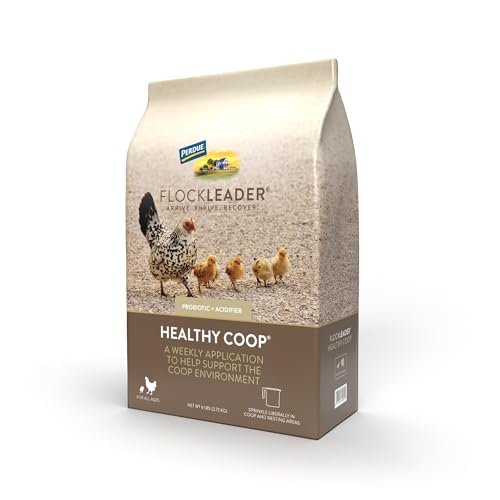
FLOCKLEADER Healthy Coop Odor Neutralizer 6lb

HoazHoald Dried Nesting Herbs 21 Oz

Scratch and Peck Feeds 3 Grain Scratch 10 lb Pouch

Roosty’s Chicken De-wormer Capsules 120 Count
More Details On Our Top Picks
This grower-stage mash carries a 17% protein level from whole grains, which is the range most growing birds need between the starter and layer phases. It skips corn and soy entirely, so it suits keepers who want a simpler ingredient list or who have noticed sensitivity in their flock.
The mash format is fermentable, a practice where you soak feed to boost digestibility and cut waste. Owners of hybrid and heritage breeds alike tend to report steady growth on this formula, and the pouch sizes scale from trial bags up to bulk 50-pound orders.
What Earns Its Place
- 17% protein supports steady development through the grower phase without overfeeding protein.
- Corn-free and soy-free formulation keeps the ingredient list short and predictable.
- Whole grains hold their nutrition better than heavily processed pellets, and nothing goes stale in a sealed pouch quickly.
- Four bag sizes mean you can start small with a new flock and move to bulk once you know your birds like it.
- No fillers or medications, which matters for keepers raising birds on a natural program.
Things To Consider
- Mash is dustier than pellets, so some spillage around the feeder is normal; a deep feeder tray helps.
- Whole-grain feed costs more per pound than commodity mash, a trade-off worth weighing against your flock size.
Key Specs
Who Will Love This
Keepers raising growing chicks or ducklings on an organic, medication-free program will find this the cleanest fit on the list.
A Better Fit Elsewhere
Once your pullets start laying, the Scratch and Peck Oyster Shell supplement below becomes the more useful companion purchase.
Laying hens pull enormous amounts of calcium into every eggshell, and thin shells are usually the first sign they’re running short. This pouch holds pure flaked oyster shell with no bleach, coral, or filler material mixed in, offered free-choice in a separate dish beside the regular feed.
Birds self-regulate their intake remarkably well, so you simply top up the dish and let them decide. The 4-pound size lasts a small laying flock several weeks, and the packaging is recyclable and compostable, a nice touch if you’re trying to cut household waste.
Everyday Wins
- Flaked texture is easy for hens and ducks to pick up and grind in the gizzard.
- Free-choice feeding means no measuring or dosing math on your end.
- Compostable packaging breaks down right along with your coop litter.
- Sourced within the USA and Canada, which shortens the supply chain compared to imported supplements.
Small Caveats
- Offer it only to actively laying birds; younger chicks don’t need supplemental calcium and too much can be counterproductive.
- A dedicated small dish works best, since mixing it into mash lets fine particles settle to the bottom.
Right Fit For
Anyone with laying hens or ducks who wants stronger eggshells without synthetic additives will get daily value from this pouch.
Swap It Out When
Keepers still feeding chicks should start with the Scratch and Peck Starter Grit instead, then graduate to this once eggs appear.
Bored chickens peck each other, and that’s usually how feather-picking starts in a confined coop. This six-piece set attacks the problem directly: a xylophone, two veggie skewers, a vegetable string bag, a swing, and a mirror, all designed to hang from cage wire, coop walls, or fence rails with hook mounts.
The nylon pockets and skewers let you serve cabbage leaves, lettuce, or leafy greens off the ground, which keeps treats cleaner and gives the flock something to work for. In a small urban run where foraging space is limited, enrichment items like these earn their keep fast.
What Works In Its Favor
- Hanging feeders keep greens off dirty bedding, cutting down on wasted and contaminated food.
- The mirror and xylophone give curious birds stimulation during long stretches indoors.
- Hook design installs in seconds on standard wire mesh without tools.
- Nylon construction handles rain and repeated pecking better than fabric alternatives.
Points To Note
- Some birds ignore toys at first; rotating pieces weekly tends to renew interest.
- Skewer points and hanging hardware deserve a quick check after storms so nothing hangs loose at head height.
Who Should Grab It
Urban and suburban keepers with small runs and restless flocks will see the biggest behavior payoff here.
Another Choice May Suit
Coop hygiene matters more than entertainment in damp climates, so pair this with the FLOCKLEADER bedding treatment reviewed next rather than choosing one over the other.
Chickens have no teeth, so they rely on grit, small insoluble stones held in the gizzard, to grind food down. Skip it and whole grains pass through largely undigested. This starter-size grit uses crushed quartzite or granite, sized for day-old chicks through roughly eight weeks, with a separate broiler window of four weeks.
New keepers often miss this piece entirely, and it’s the cheapest fix for poor chick growth. Sprinkling a little over feed early on also builds the habit of seeking grit out later in life.
The Helpful Details
- Insoluble stone stays in the gizzard instead of dissolving, doing its grinding job for weeks.
- Fine starter sizing matches tiny gizzards, unlike all-purpose grit sold for adult birds.
- Clear age guidance takes the guesswork out for first-time brooder setups.
- Works alongside the Grower Mash earlier in this list for a complete young-bird program.
Where It May Fall Short
- You’ll need to buy the larger grower and layer grit sizes as birds mature, so this pouch alone won’t carry a flock past two months.
- Store it somewhere dry; damp grit clumps and gets rejected by picky chicks.
Quick Facts
Made For
First-time chick raisers setting up a brooder should treat this as a non-negotiable line item alongside feed and heat.
Reach For A Different Pick When
Your birds are already laying, in which case the Scratch and Peck Oyster Shell covers the mineral side far better than grit ever could.
Ammonia buildup is the quiet enemy of every closed-up winter coop. This granular treatment combines live probiotic bacteria, mild acids, and moisture absorbers that you rake into bedding, where they work on odor and dampness at the source rather than masking smells with fragrance.
The bacteria arrive dried through a process meant to keep them viable across the product’s shelf life, and everything is grown and made in the United States. For coops near patios or neighbor fences, the difference in air quality can be noticeable within days of application.
Notable Gains
- Tackles moisture and ammonia together, addressing both sides of the smell problem.
- Live-culture approach supports the natural breakdown of droppings in deep-litter setups.
- No perfumes or harsh chemicals, so it fits a natural-management routine cleanly.
- Available in single 6-pound bags up to multi-pack bundles for larger coops.
Trade Offs To Consider
- It’s a recurring cost; expect to reapply with each bedding refresh rather than treating once.
- Results depend on ventilation too, so a sealed coop will still need airflow fixes alongside any additive.
Feature Snapshot
Whose Shelf It Belongs On
Winter coop keepers and anyone managing a deep-litter system in a humid climate will get the most from this.
Where A Sibling Pick Shines
For a lighter, scent-focused touch inside nest boxes specifically, the HoazHoald herb blend covered below is the gentler companion.
Nest boxes are where your hens spend their most important hours, and a handful of dried herbs makes them noticeably more inviting. This 21-ounce premixed blend combines eight botanicals: lavender, rose, mint, calendula, rosemary, chrysanthemum, wormwood, and cinnamon, all dried and ready to scatter.
You can tuck it into nesting pads, sprinkle it over fresh bedding, or add a pinch to feeders. The honest read is that herbs are a comfort upgrade, not a substitute for clean bedding, but hens do seem to settle into herb-dusted boxes faster, and the coop smells pleasant when you collect eggs.
Good Reasons To Consider
- Eight-botanical blend arrives pre-mixed, saving you from buying and combining individual herbs.
- Plant-based formula contains no added chemicals, keeping nest boxes gentle for sitting hens.
- Versatile enough for roost bars, dust baths, and coop corners beyond just the nest box.
- The 21-ounce volume stretches across many applications for a small flock.
Less Ideal Details
- Dried herbs lose potency over months, so reseal the bag tightly between uses.
- In very dusty coops the fine petals can add to airborne particles; go light on quantity in enclosed spaces.
Who It Suits Best
Keepers who enjoy the ritual side of chicken keeping and want fresher-smelling egg collection will love this blend.
Consider Something Else When
Heavy ammonia problems call for the FLOCKLEADER probiotic treatment instead, since herbs freshen but don’t absorb moisture.
Scratch grain is dessert for chickens, not dinner, and this three-grain organic mix is built with warm weather in mind. The slower-digesting grains generate less metabolic heat than corn-heavy blends, which helps birds stay comfortable through summer afternoons when heavier scratch would work against them.
Scatter a modest handful in the late afternoon and the flock will scratch and forage until dusk, burning energy and turning over bedding as a bonus. Like the Grower Mash at the top of this list, it’s raw, unpelletized whole grain and ferments beautifully if you want to stretch a bag further.
Everyday Advantages
- Slow-digesting grain profile suits hot months better than traditional corn scratch.
- USDA Organic and Non-GMO Project Verified, matching the rest of this brand’s lineup.
- Encourages natural scratching behavior that aerates coop bedding for you.
- Whole, unprocessed grains retain nutrition and absorb liquid well for fermentation.
What To Weigh
- Treat status only: overfeeding scratch dilutes the balanced nutrition in layer feed, so cap it at a small daily portion.
- Three grains means less variety than broader seed mixes, though most birds don’t seem to mind.
Core Details
The Right Fit
Summer flock keepers who want a clean, organic treat for evening scatter routines will get the most mileage here.
Skip It When
Your priority is complete daily nutrition rather than treats, in which case the Grower Mash or a proper layer ration belongs in the feeder first.
Internal parasites show up quietly: a drop in lay rate, dull feathers, birds that look off without looking sick. This 120-count bottle of plant-based capsules offers a flexible way to run a routine program, working for chickens, ducks, and other fowl at any age or size.
Dosing flexibility is the real selling point. Crush capsules into powder and stir into feed, dissolve them in water, or administer directly to a bird that needs individual attention. Production happens in Florida at a facility registered with the FDA and certified under GMP practices, which adds a layer of consistency you don’t always see in backyard poultry supplements.
Real-World Strengths
- Three administration methods cover everything from whole-flock programs to single-bird care.
- All-natural ingredient base fits chemical-light management styles.
- Rated for fowl of every age, so one bottle serves a mixed flock.
- Clear printed instructions reduce dosing guesswork for newer keepers.
Honest Caveats
- Confirm dosage guidance with a poultry veterinarian before starting any deworming routine, especially for laying hens whose eggs you eat.
- Capsule crushing adds a prep step compared to pour-on liquid products.
Essential Details
Best Suited To
Experienced keepers running scheduled parasite management across a mixed-age flock will appreciate the dosing options most.
Not Your Match When
Complete beginners still learning basic brooder care should master feed and grit first, starting with the Scratch and Peck Starter Grit before adding health products.
What Matters Most Before Choosing Natural Chicken Feeds
Match Feed To Life Stage
Chicks, growers, layers, and retirees all need different protein and calcium levels. A 17% grower mash suits birds filling out frame and feather, while active layers need oyster shell offered separately. Buying one bag for every bird in a mixed flock sounds efficient but shortchanges someone.
Read The Ingredient List First
Corn-free and soy-free formulas exist because many keepers want fewer variables in the diet. Whole grains retain nutrition longer than processed mash, and certifications such as USDA Organic signal third-party oversight of sourcing. Fewer ingredients generally means easier troubleshooting when something looks off.
Plan For The Supporting Cast
Feed alone doesn’t finish the job. Grit powers digestion, calcium builds shells, and clean bedding protects respiratory health. Budget for these companions before upgrading the main ration, since a premium feed fed without grit delivers only part of its value.
Buy Size Honestly
Bulk bags save money per pound but only for flocks that finish them while the feed stays fresh. A six-hen backyard setup does better with 10-pound pouches rotated regularly than a 50-pound sack aging in a humid garage.
Key Considerations Across These Picks
Traps First Timers Fall Into
The classic mistake is treating scratch grain as a complete diet, which starves birds of balanced protein and calcium. Another common slip is skipping grit entirely, leaving whole grains undigested. Store feed in sealed metal bins off concrete floors, since moisture and rodents ruin bags faster than most people expect.
Where The Extra Money Goes
Organic certification, Non-GMO verification, and domestic manufacturing all raise cost per pound. That premium buys traceable ingredients and consistent formulation, which matters most for breeding stock, showing birds, or families eating the eggs daily. Casual keepers with hardy mixed breeds may find mid-tier feed perfectly adequate.
Frequently Asked Questions
Do chickens need grit even with commercial feed?
Yes, whenever they eat anything other than crumbles or pellets. Whole grains, treats, and greens all require grit in the gizzard to break down properly.
How much oyster shell should laying hens get?
Offer it free-choice in a separate dish and let hens regulate their own intake. Most laying birds take what they need without prompting.
Can ducks and chickens share the same feed?
They can for most life stages, and several products on this list are formulated for both species. Watch protein levels during growth phases for best results.
How often should coop bedding be refreshed?
Spot-clean weekly and do a full change seasonally, adjusting for flock size and climate. Additives like probiotic treatments extend the interval comfortably.
Are herbal nest box blends actually useful?
They make nest boxes more inviting and fresher smelling, which encourages hens to lay where you want them. Think of them as a comfort upgrade rather than a sanitation tool.
Closing Remarks
Building a natural feeding program comes down to matching each product to a real job: the Grower Mash for growth, oyster shell for shells, grit for digestion, and the supporting items for coop health and bird happiness. Start with the basics your flock’s stage demands, add treats and comforts once the foundation holds, and adjust as your birds tell you what they need. Your hens will return the favor at breakfast.
