

The right substrate does more than sit at the bottom of your tank. It anchors roots, shapes water chemistry, and sets the visual tone every time you glance over at the glass. Whether you’re setting up a planted aquascape, a GloFish display, or a simple desktop tank, the gravel you choose will follow you for years, so it pays to pick deliberately. This roundup walks through seven options that cover the full range, from nutrient-rich soil to decorative pebbles that pull double duty on houseplants.
A Fast Comparison Of The Options

GloFish Aquarium Gravel 5 Pounds (White)

FANTIAN 5 lbs Aquarium Gravel 1/4 Inch
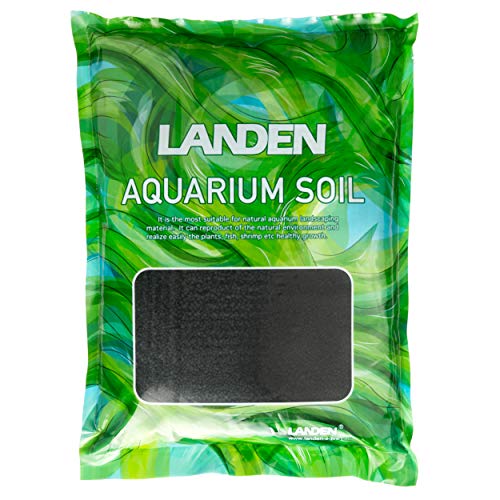
LANDEN Aquarium Substrate Soil 5L Black

Pulovin 5 lbs Pea Gravel 3/8 Inch Mixed Color
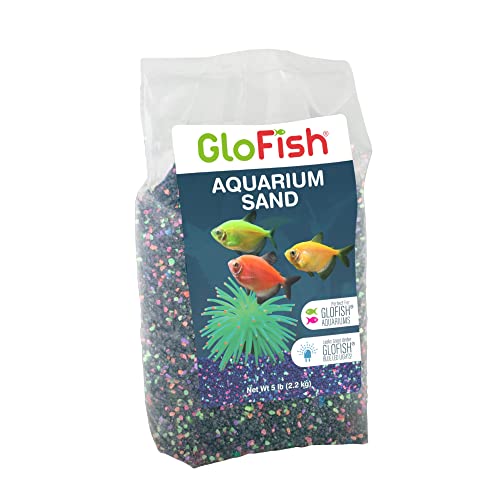
GloFish Aquarium Sand 5 Pounds Black with Highlights

Aqua Natural Midnight Pearl Gravel 10lb

NUPICK 3 lbs Pebbles 3/8 Inch
The Details Behind The Selections
White substrate changes everything under blue LED lighting, and this one is built specifically for fluorescent fish displays. In a kid’s bedroom or a living room show tank, the pale stones bounce glow colors back up through the water column instead of swallowing them the way dark gravel does.
The five-pound bag suits smaller setups, roughly a ten-gallon tank at a modest depth. Pair it with a few plants and the contrast between green foliage and bright stone reads clean rather than clinical.
Strong Points
- Reflects blue LED light so glowing fish and ornaments pop noticeably harder.
- Neutral white tone hides nothing, which makes spotting leftover food during cleanup easier.
- Five-pound sizing keeps cost down on starter and desktop tanks.
Things To Consider
- Light gravel shows algae and waste sooner, so expect more frequent siphoning to keep it looking fresh.
- It’s decorative rather than nutritive, so heavy root feeders will want supplemental tabs underneath.
Who It Suits Best
Families and hobbyists running GloFish-style displays under actinic lighting who want maximum visual impact from a simple bag of gravel.
Where A Sibling Pick Shines
Anyone chasing actual plant growth should step up to the LANDEN Aquarium Substrate Soil, which feeds roots directly instead of just dressing the floor.
Small tanks are where budgets get tested, and this pea gravel keeps the math friendly. At an average quarter-inch size, the stones are large enough that bettas and small community fish won’t mistake them for food, yet fine enough to look cohesive in a nano scape.
The brand notes some pieces run oversized after machine screening, which is worth knowing before you spread it. A quick sort while rinsing handles most strays, and the natural finish mimics a streambed without looking dyed.
What Stands Out
- Quarter-inch average grading suits shallow layers in five-to-ten-gallon setups.
- Natural coloring blends with live plants instead of competing with them.
- Five-pound bag covers a nano tank generously for the money.
- Safe around turtles and fish once rinsed, per the maker’s guidance.
Small Caveats
- Machine screening means occasional oversized pieces slip through, so plan on hand-sorting.
- Rinsing two to three times before first use is required, which adds setup time.
- No nutrient content, so rooted plants need fertilizer support.
Key Specs
Made For
First-time tank owners stocking a betta bowl or small community aquarium who want dependable coverage without stretching the budget.
Consider Something Else When
Shoppers wanting pre-washed convenience will prefer the Aqua Natural Midnight Pearl Gravel, which arrives triple washed and kiln dried.
This is the pick for people whose goal is plants first, fish second. Active soil like this is processed from natural earth material so it supplies minerals and trace elements straight to the root zone, something inert gravels simply can’t do. Carpeting species such as dwarf hairgrass tend to establish faster over it.
The deep black color also flatters green foliage and red stem plants alike, giving an aquascape that competition-style depth. Shrimp keepers take note: softer water conditions suit many caridina varieties well here.
Where It Helps
- Delivers fundamental minerals and trace elements that fuel healthy root systems.
- Supports shrimp species that prefer softer water parameters.
- Mixed particle sizes create a natural-looking, textured base layer.
- Rich black tone makes plant greens read more vivid against the substrate.
- Suits most aquatic plant types, from easy crypts to demanding carpeting grasses.
Points To Note
- Active soils can shift water chemistry initially, so cycling patience and monitoring matter more than with plain gravel.
- Five liters covers less area than a ten-pound gravel bag, so larger layouts need multiple bags.
Feature Snapshot
Right Fit For
Dedicated aquascapers growing demanding rooted plants who accept extra setup care in exchange for genuine growth performance.
Another Choice May Suit
Low-effort fish-first keepers will be happier with the FANTIAN pea gravel, which asks for nothing beyond a good rinse.
One bag, several jobs. These three-eighths-inch river pebbles work as tank substrate, succulent top dressing, lucky bamboo filler, vase accents, even drainage rock under potted plants. Households that juggle aquariums and houseplants get real value from that flexibility.
The mixed coloring gives a warm, varied riverbed feel compared with single-tone options like the GloFish white gravel. Expect some sorting, since river rocks naturally arrive in a range of sizes within the stated grade.
Why It Works Well
- Covers aquariums, vases, bamboo arrangements, and potted-plant drainage with one purchase.
- Three-eighths-inch sizing stays too big for most fish to ingest.
- Mixed tones add dimension that flat-colored substrates lack.
Less Ideal Details
- A two-to-three-rinse wash before first use is recommended, and dusty residue is commonly reported until then.
- Larger stones make fine-rooted carpeting plants harder to anchor than finer substrates allow.
Details At A Glance
Who Will Love This
Plant-and-fish households that want one bag of stones serving the aquarium, the windowsill succulents, and the kitchen bamboo jar.
Not Your Match When
Aquascapers needing uniform grain size for precise layouts will find the Aqua Natural Midnight Pearl’s even 2-4 mm grading far easier to work with.
Where the white GloFish gravel shouts, this black sand with flecked highlights whispers, and under blue LEDs the effect borders on theatrical. Sand also opens layout options gravel can’t match: gentle slopes, foreground beaches, and smooth planting beds for rooted stems.
The trade-off shows up at cleaning time. Sand compacts and vacuums differently than chunky gravel, so technique matters. Used thoughtfully, though, it’s arguably the most striking base layer in this entire lineup.
The Helpful Details
- Black base with lighter highlights creates depth that flat gravel can’t replicate.
- Smooth grains let rooted plants settle in without wedging against sharp edges.
- Clear dosing guidance, roughly 1.5 to 2 pounds per gallon, removes guesswork.
- Anchors GloFish ornaments and plants with a cohesive designer backdrop.
Honest Caveats
- Gravel-vacuuming requires low flow to avoid sucking the sand itself out, a learning curve new keepers report.
- Rinsing before use is necessary, and cloudy water on day one is common if skipped.
Quick Facts
Who Should Grab It
Display-tank hobbyists who prioritize atmosphere and are comfortable adapting their vacuum routine to a sand bed.
Look Elsewhere When
Keepers who want zero-maintenance siphoning should stick with the chunkier Aqua Natural Midnight Pearl Gravel instead.
Most budget gravels arrive dusty and demand three washes before the tank stops looking like fog. This one is triple washed and kiln dried before bagging, which cuts setup frustration dramatically. You still give it a quick rinse, but the difference is noticeable from the first pour.
The even 2-4 mm grading produces that layered riverbed look serious aquascapers chase, with lighter highlights adding texture against the dark base. Ten pounds covers a twenty-gallon comfortably, making it the workhorse option here.
The Upside
- Triple washing and kiln drying mean minimal dust and a faster, clearer fill day.
- Consistent 2-4 mm sizing supports even planting and tidy foreground lines.
- Midnight tone with pearl highlights gives a dimensional, natural riverbed appearance.
- Ten-pound quantity reduces repeat purchases on mid-size tanks.
- All-natural pebble composition avoids dyes that can leach over time.
One Thing Worth Considering
- Dark substrate absorbs light rather than reflecting it, so glow-focused displays lose some punch compared with the GloFish white gravel.
Product Snapshot
Whose Shelf It Belongs On
Intermediate hobbyists building naturalistic planted or community tanks who want clean, consistent substrate without premium-soil fuss.
Skip It When
Root-heavy aquascapes needing active nutrition belong with the LANDEN substrate soil, not inert pebble.
Three pounds sounds modest until you remember what it’s for: desktop tanks, terrarium layers, and potted-plant topping. Each pebble runs about three-eighths of an inch, machine-polished to a smooth, low-dust finish that needs only a rinse to shine up.
The dye-free and oil-free treatment matters more than it sounds. Colored gravels sometimes fade after months underwater, whereas these hold their tone through washing and submersion, according to the maker. Compared with the Pulovin bag, you’re trading quantity for a more refined surface finish.
Everyday Wins
- Polished, minimal-dust surface shortens prep to a single thorough rinse.
- Dye-free and oil-free construction resists fading in water over time.
- Compact three-pound bag stores easily and suits small projects precisely.
Practical Considerations
- Three pounds won’t cover anything beyond a small tank, so measure your footprint before committing.
- Smooth round stones offer weak grip for delicate carpeting plant roots.
Core Details
The Right Fit
Apartment dwellers and office-desk aquarists working with small volumes who want attractive, durable pebbles without leftovers.
A Better Fit Elsewhere
Larger tanks need the Aqua Natural Midnight Pearl Gravel’s ten-pound bag to reach proper depth economically.
What Matters Most Before Choosing Gravels For Aquarium Plants
Grain Size Shapes Everything
Particle size determines what you can grow and what stays safe. Fine sand under 2 mm suits carpeting plants and bottom dwellers, while 3/8-inch pebbles work better for stem plants and hardy rooters. Fish that sift substrate, like corydoras, prefer smoother, finer grains. Match the grain to both your flora and your fauna before anything else.
Inert Versus Active Substrate
Inert gravel, like most pebble products here, adds no nutrients and leaves water chemistry alone. Active soil, such as the LANDEN option, releases minerals and can soften water, which demanding plants love but certain fish may not. Beginners often do better starting inert and adding root tabs later.
Depth And Quantity Planning
Measure your tank footprint, then aim for two to three inches of depth for rooted plants. A five-pound bag covers far less than shoppers expect in a twenty-gallon, so calculate coverage before ordering rather than after.
Prep And Long-Term Care
Nearly every gravel needs rinsing before it enters the tank, and some need two or three rounds. Dark substrates hide waste longer but show algae differently, and sand demands gentler vacuuming. Know your maintenance appetite honestly.
Key Considerations Across These Picks
Traps First Timers Fall Into
Underestimating quantity tops the list, followed by skipping the rinse and clouding a fresh tank on day one. Another common misstep is choosing colored gravel purely for looks, then discovering it clashes with live plants or fades underwater. Sketch your layout and depth targets first, then buy accordingly.
What Separates Premium From Basic
Higher-tier substrates earn their price through processing: triple washing, kiln drying, mineral content, and tighter size grading. That translates to clearer fills, healthier roots, and less fiddling later. Basic gravel remains perfectly serviceable for fish-only tanks, so pay up mainly when plants are the mission.
Closing Thoughts
Substrate is the quiet foundation of every good tank, and the seven options above cover nearly every scenario a home aquarist faces. Match the grain to your plants, respect the rinse, and buy for your actual tank size rather than your hopes for it. Do those three things and whichever bag lands on your doorstep will serve you well for years.
