

The substrate you lay down sets the tone for the whole tank. Pick wrong and colors wash out, water chemistry drifts, and every photo looks flat. Pick right and your fish, plants, and lighting all get a stage that flatters them. This roundup covers seven substrates across gravel, sand, and natural pebble styles, so whether you’re setting up a kid’s first 10-gallon or dialing in a planted aquascape, there’s a fit here for your setup and your budget.
A Side-By-Side Look

GloFish Aquarium Gravel 5 Pounds, White

Aqua Natural Galaxy Sand Substrate, 10lb

Spectrastone Special Turquoise Aquarium Gravel, 5-Pound Bag

FANTIAN Aquarium Sand 0.6-1.2 mm, 5 lbs
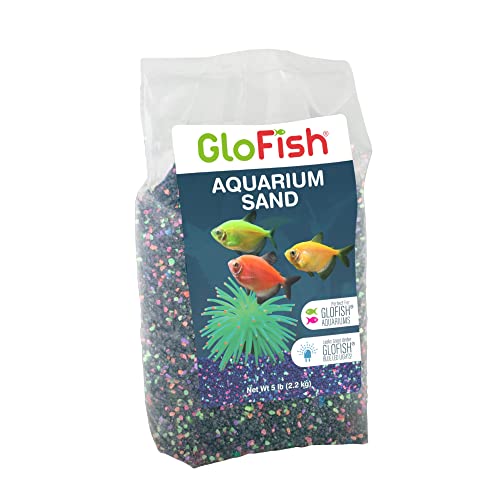
GloFish Aquarium Sand 5 Pounds, Black with Highlights

Aqua Natural Midnight Pearl Gravel, 10lb

SHIZWU 5LB Aquarium Pea Gravel, 4-8MM
A Closer Look At Each Pick
White substrate does one job brilliantly: it makes fluorescent fish pop. Under blue LED lighting, this bright gravel acts like a reflector, bouncing light back up through the water so GloFish and other neon-colored species read vividly from across the room.
The 5-pound bag suits smaller tanks well; a standard 10-gallon typically wants around 10 pounds for a comfortable two-inch bed, so plan on two bags. Compared with the darker GloFish sand later in this list, this white version leans brighter and more playful rather than moody.
Strengths Worth Knowing
- Bright white finish amplifies blue LED glow, so fluorescent fish look their best after dark
- Purpose-built to pair with GloFish tanks and décor, keeping a coordinated look without guesswork
- Gravel form factor makes routine siphoning straightforward compared with fine sand beds
- Light color hides less debris, which nudges you toward a cleaner tank overall
Things To Consider
- White shows algae and waste quickly, so expect more frequent spot-cleaning than a dark substrate demands
- Larger tanks need multiple bags, and shipping several at once adds weight cost
Who It Suits Best
Kids’ rooms, dorms, and anyone running a GloFish display who wants maximum glow from their existing lighting.
Where Another Pick Suits Better
Prefer a moodier, more dramatic look under the same lights? The GloFish Aquarium Sand Black with Highlights below delivers that instead.
This is the substrate for people who care how the tank photographs. Fine black sand catches tank light with a subtle shimmer, and dark backgrounds make green plants and colorful fish stand forward visually, a trick aquascapers have relied on for years.
The 10-pound bag covers a decent footprint in nano and mid-size tanks. Against the chunkier Midnight Pearl pebble from the same brand, Galaxy Sand reads sleeker and more uniform, closer to a night-sky floor than a riverbed.
Noteworthy Benefits
- Fine grain creates a smooth, even surface that looks deliberate rather than dumped
- Black base gives plants and bright fish real contrast, especially under accent lighting
- Doubles as terrarium bedding, so reptile keepers get crossover value from one bag
- 10-pound quantity reduces the number of bags needed versus typical 5-pound offerings
Worth Noting
- Fine sand can compact over time, so occasional gentle stirring keeps anaerobic pockets from forming
- Gravel vacuums can suck sand away easily; many owners hover the siphon above the bed instead of digging in
At A Glance
Made For
Hobbyists building planted or showcase tanks where visual contrast matters more than anything else.
Consider This Instead When
Want texture and a natural riverbed feel rather than a sleek dark floor? Aqua Natural’s Midnight Pearl Gravel fits that vision better.
Colored gravel gets a bad rap among hardcore aquascapers, but there’s a reason it never leaves store shelves: it’s fun, forgiving, and safe when done properly. Spectrastone’s turquoise option uses a non-toxic coating and, importantly, won’t shift your pH, the measure of how acidic or alkaline your water is.
That pH stability matters more than most first-timers realize. Unstable water chemistry stresses fish before anything else goes wrong, so a substrate that stays neutral removes a whole category of beginner mistakes.
Real-World Strengths
- pH-neutral composition means your water parameters stay predictable cycle after cycle
- Non-toxic coating keeps the tank safe for sensitive species and invertebrates
- Vivid turquoise adds personality to community tanks without extra décor spending
- Classic gravel size works with standard siphons, making weekly maintenance simple
Trade Offs
- Coated stones can dull slightly over years of cleaning, a slow fade rather than a sudden change
- The bold color won’t suit naturalistic or biotope-style aquascapes
Quick Facts
Right Fit For
First-time tank owners and families setting up a starter aquarium who want color without chemistry headaches.
Look Elsewhere When
Building a natural-looking scape? The SHIZWU pea gravel near the end of this list keeps things earthy and realistic.
Not every bag of substrate lives its whole life underwater. FANTIAN markets this 0.6-1.2 mm sand for fish tanks, potted plants, fire pits, candle vessels, vases, and craft projects, which makes it a practical buy for households that dabble in all of the above.
In-tank, that narrow grain range sits between true sand and fine gravel, giving rooted plants something to grip while still draining well. One honest note from the listing itself: expect some dust, and rinse it a couple of times before it goes anywhere near your water.
What Helps Most
- Consistent 0.6-1.2 mm grading supports plant roots while resisting deep compaction
- High-quality sourcing with no toxins or foreign matter mixed in
- One bag serves the tank, terrarium, vase filler, and fire pit duties alike
- Rinsing reveals a noticeably brighter appearance once dust washes away
Minor Gripes
- Ships dusty, so budget ten minutes of rinsing before setup or the water clouds badly
- Five pounds goes fast in anything larger than a 10-gallon
Feature Snapshot
Who Will Love This
Multitaskers who want one bag of decorative sand serving the aquarium, houseplants, and weekend craft projects.
Skip It When
You’d rather skip pre-rinsing entirely; the triple-washed Aqua Natural Midnight Pearl arrives cleaner out of the bag.
Where the white GloFish gravel shouts, this black sand whispers. Dark substrate with subtle highlights gives fluorescent fish a deep backdrop, and under blue LEDs the effect reads almost theatrical. GloFish suggests roughly 1.5 to 2 pounds of sand per gallon of water, so a 10-gallon needs about 15 to 20 pounds, meaning three to four bags for full coverage.
Sand also anchors ornaments and plants more securely than round gravel, which matters in tanks with active diggers like cichlids.
Everyday Perks
- Deep black base makes glowing fish colors appear sharper under blue LED lighting
- Fine sand holds plants and decorations firmly in place
- Coordinates with the wider GloFish décor line for a matched tank aesthetic
- Clear dosing guidance (1.5-2 lb per gallon) takes the math out of planning
Points To Note
- Rinse thoroughly before use; skipping this step clouds the tank for hours
- Vacuuming requires a light touch, since aggressive siphoning pulls the sand right out with the waste
Perfect Match For
GloFish keepers chasing a dramatic nighttime look, and anyone whose fish love to dig and rearrange the floor.
Another Choice May Suit
Running a brighter, kid-friendly theme instead? The white GloFish gravel at the top of this list flips the same concept.
Prep work is where cheap substrate quietly costs you an afternoon. Aqua Natural triple-washes and kiln-dries this pebble before it ships, so what lands on your doorstep is already close to tank-ready. The brand positions it among the cleanest substrates available, with no toxins and no foreign matter in the mix.
Each stone runs 2-4 mm and graded evenly, which produces that layered, three-dimensional riverbed look serious aquascapers chase. Lighter highlights scattered through the dark pebble add depth that flat-colored gravel simply can’t fake.
Where It Helps
- Triple washing and kiln drying mean minimal dust and faster, clearer tank fill
- Even 2-4 mm sizing creates a consistent, professional-looking riverbed texture
- 100% natural pebble suits biotope and planted builds alike
- 10-pound bag stretches further across medium tanks than standard 5-pound options
Small Caveats
- A quick rinse is still smart practice even with pre-washed substrate
- Premium processing puts it above basic colored gravels on cost per pound
Core Details
The Right Fit
Intermediate hobbyists and aquascapers who want a natural, textured floor and don’t mind paying for pre-cleaned stone.
A Better Fit Elsewhere
On a tighter budget, the FANTIAN sand earlier in this list covers similar ground for less money, with a bit more prep.
Natural river stones bring an honesty to a tank that coated gravel can’t match. These 4-8 mm pebbles ship unwaxed and uncoated, so what you see is genuine stone, and the varied sizes stack into a layered aquascape with real depth.
The trade-off for going natural is versatility outside the glass. Leftover stones slot straight into garden borders, vase fills, flower pot topping, or landscaping projects, which softens the cost of buying more bags than your tank strictly needs.
Standout Benefits
- All-natural, unwaxed pebbles keep the tank free of coatings and dyes
- Mixed 4-8 mm sizing builds visual layers that uniform gravel flattens out
- Leftovers serve gardens, vases, pots, and landscaping without a second purchase
- Roughly five pounds per bag makes topping up or rescaping affordable
Room For Improvement
- Natural stone varies batch to batch, so color and shape won’t match photos exactly
- Larger gaps between pebbles trap food and waste, calling for thorough vacuuming technique
Key Specs
Built With In Mind
Hobbyists who prefer an untreated, natural look and appreciate substrate that doubles as garden material.
Where A Sibling Pick Shines
For a finer, more polished natural floor, step up to the Aqua Natural Midnight Pearl reviewed just above.
What Matters Most Before Choosing Gravels For Freshwater Aquarium
Match Grain Size To Your Livestock
Grain size drives everything downstream. Fine sand suits bottom-dwellers like corydoras that sift through substrate, while 2-8 mm gravel anchors rooted plants and drains better. Fish that dig, such as many cichlids, do best on sand since sharp edges can injure their mouths during excavation.
Think about maintenance too. Coarse gravel traps debris between stones, demanding deeper vacuuming, whereas sand lets waste sit on top where a light siphon pass removes it easily.
Protect Your Water Chemistry
Some substrates quietly alter pH and hardness, which stresses fish adapted to neutral water. Look for products explicitly labeled pH-neutral or inert, like the Spectrastone turquoise gravel covered above. Crushed coral and shell-based mixes, by contrast, raise hardness deliberately and belong only in tanks built around that need.
Calculate Quantity Before Ordering
Underbuying is the classic rookie error. A standard rule lands near one to two pounds of substrate per gallon depending on desired depth, and planted tanks usually want the deeper end. Sand often calls for even more; the GloFish sand guidance of 1.5-2 pounds per gallon is a useful benchmark. Order enough in one go so batches match.
Factor In Prep And Cleaning Time
Every substrate needs rinsing, but some need far more than others. Pre-washed options like Aqua Natural’s kiln-dried pebble save real time on setup day, while dusty sands may take two or three rinse cycles before the water runs clear. Budget that hour honestly before choosing the cheapest bag on the shelf.
Key Considerations Across These Picks
Traps First Timers Fall Into
The biggest misstep is buying on color alone and ignoring grain size, then discovering your corydoras hate the sharp gravel. The second is underestimating quantity, leaving a thin, patchy floor. Rinse everything thoroughly regardless of packaging claims; cloudy water on day one almost always traces back to skipped prep.
What Separates Premium From Basic
Higher-priced substrates generally buy you processing, not prettiness. Triple washing, kiln drying, and even grading cost money at the factory but save you time and deliver a more consistent look. Casual tanks run happily on budget gravel; showcase and planted builds earn back the premium within weeks.
Bottom Line
Your tank’s floor should work as hard as your filter does. Bright GloFish gravel suits playful, lit-up displays, Aqua Natural’s sands and pebbles reward design-minded hobbyists, and the natural stone options keep things honest and versatile. Match grain to your fish, buy enough depth, rinse well, and any of these seven will hold up for years of enjoyment.
