

Clay litter works, but it comes with dust clouds, heavy bags, and a mining footprint most cat owners would rather skip. The good news is that plant-based and upcycled alternatives have caught up fast, and several now clump as hard as the clay you grew up with. This roundup covers eight natural litters built for real homes: multi-cat households, dusty apartments, kittens who sample everything, and cats who stress over change. Each pick below breaks down what it does well, where it falls short, and which reader profile it actually fits.
The Choices Worth Comparing

NATURE’S LOGIC Pine Pellet Cat Litter, Unscented, 12 lb
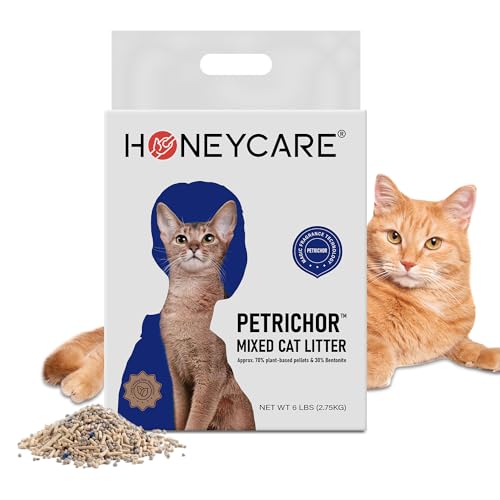
HONEY CARE Petrichor Mix Tofu Cat Litter, 6 Lbs

Catit Go Natural Pea Husk Clumping Cat Litter, 12.3 lbs

Dr. Elsey’s R&R Stress-Reducing Clumping Clay Cat Litter, 18 lb

World’s Best Good Habits Cat Attract Litter, 15 lb

So Phresh Pine Pellet Non-Clumping Cat Litter, 20 lbs

Naturally Fresh Walnut Shell Multi-Cat Litter, 30 Lbs

Naturally Fresh Quick-Clumping Walnut Shell Litter, 30 Lbs
The Strengths Of Each Pick
Pine pellets are the simplest entry point into natural litter, and this one keeps the ingredient list to exactly one thing: Ponderosa pine. There’s no clay, no silica dust, no perfume masking anything. For households with kittens or small mammals who might nibble at the box, that single-ingredient profile matters more than any fancy feature.
The format is non-clumping, so upkeep looks different from a scoopable litter. Wet pellets break down into soft sawdust you remove rather than firm clumps you lift out. Owners running this style tend to prefer a sifting box, since the spent material settles to the bottom where a quick shake separates it cleanly.
What Pays Off
- One ingredient, Ponderosa pine, means nothing questionable for curious kittens to ingest.
- Virtually dust-free handling spares your floors and your lungs during pours.
- Pine’s natural odor absorption handles box smell without added fragrance.
- Rated safe for cats, kittens, and other small mammals in one shared home.
Small Caveats
- No clumping action, so daily removal of broken-down sawdust becomes part of the routine.
- Cats raised on fine-grained clay sometimes reject pellet texture at first.
Who It Suits Best
Kitten owners and small-mammal households who want a single-ingredient, unscented litter with minimal dust.
A Better Fit Elsewhere
If firm clumps are non-negotiable, the Naturally Fresh Quick-Clumping Walnut Shell Litter delivers scoopable performance instead.
This one blends two worlds: plant-based tofu-style pellets mixed with bentonite clay, the mineral that gives traditional litters their hard-clumping behavior. The result behaves like a hybrid, forming usable clumps while keeping more of the bag plant-derived than a straight clay product. In our view, that middle path suits owners who want natural credentials without giving up scoopability.
The pellets measure around 2mm, a size chosen specifically to resist tracking between toes and across floors. Pair that with a low-dust formulation and you get less sweeping around the box, which apartment dwellers notice immediately. At 6 pounds per bag, it’s also light enough to carry upstairs without a second trip.
Notable Gains
- Tofu-and-bentonite blend forms clumps while staying lighter than pure clay.
- 2mm pellet size cuts down on litter scattered through the house.
- Low-dust pour keeps surfaces cleaner in small living spaces.
Points To Note
- The bentonite portion means it’s not fully plant-based, worth knowing if that’s your priority.
- Smaller bag size means more frequent repurchasing in multi-cat homes.
Made For
Apartment dwellers who want reduced tracking and dust but still expect dependable clumping from every scoop.
Reach For A Different Pick When
Households wanting zero clay content will find the Catit Go Natural Pea Husk litter a cleaner match.
Catit builds this litter from recycled pea husks, an agricultural byproduct that would otherwise go unused, bound with food-grade starch, corn powder, and guar gum. Guar gum is a natural thickener, the same ingredient that gives many gravies body, and here it supplies the clumping power. No synthetic additives ride along.
The soft pellets absorb up to three times their weight in moisture, which translates into fewer saturated patches at the bottom of the box. Compared with the NATURE’S LOGIC pine pellets earlier in this list, you trade the single-ingredient simplicity for actual clumping, and for most busy owners that trade makes sense. The unscented formula also respects cats who turn their noses up at perfumed boxes.
Where It Helps
- Recycled pea husks give strong eco credentials without sacrificing function.
- Food-grade binders mean nothing harsh sits in the box.
- High moisture absorption keeps the pan drier between full changes.
- Genuine clumping lets you scoop waste instead of swapping the whole tray.
Things To Consider
- Plant-based clumps can soften if left sitting, so a daily scoop habit pays off.
- Soft pellet texture may track slightly more than heavier mineral litters.
Feature Snapshot
Right Fit For
Eco-conscious owners doing daily scoops who want real clumps from a fully plant-derived formula.
Swap It Out When
Anxious or respiratory-sensitive cats often do better with Dr. Elsey’s R&R, whose near-dustless clay was formulated for them.
Yes, this is technically a clay litter, but it earns its place here because of how it’s engineered. Dr. Elsey’s strips out the usual irritants: no plant proteins, no perfumes, no deodorants. The brand describes the mix as 99% dustless, and that figure is the whole point, since airborne dust is a common trigger for both feline stress and respiratory discomfort.
For cats recovering from illness, newly adopted, or simply prone to box avoidance, a familiar-feeling fine-grain texture with nothing scented underneath tends to keep them using the box. Hard clumping rounds out the package, so maintenance stays conventional. You may find it the least “natural-sounding” name on this list, yet its stripped-down composition fits the spirit of the category better than many plant blends do.
Standout Benefits
- 99% dustless formulation supports easier breathing in enclosed spaces.
- Free of perfumes, deodorants, and common plant-protein allergens.
- Hard clumping keeps the daily routine familiar and quick.
- Designed specifically to reduce stress-related box avoidance.
Less Ideal Details
- Still a mined clay product, so the sustainability angle is weaker than plant options.
- 18-pound bag gets heavy to haul compared with lightweight tofu litters.
Who Will Love This
Owners of anxious, senior, or respiratory-sensitive cats who need a gentle, unscented, low-dust box experience.
Another Choice May Suit
Multi-cat homes fighting ammonia buildup may prefer the Naturally Fresh Multi-Cat walnut formula’s odor capacity.
Retraining a cat back into the box is one of the more frustrating ownership problems, and this litter attacks it directly. A plant-based attractant is baked into the corn-based granules, giving the box a scent profile that draws cats in rather than waiting for them to find it. That single design choice explains most of its appeal.
The base material matters too: 100% natural corn and plant fibers, safe even when a kitten samples a few granules, which the brand notes is normal exploratory behavior during transitions. Compared with the HONEY CARE blend reviewed above, this one skips clay entirely and leans fully on plant power. Odor control is solid for a corn base, though very large boxes may need more frequent topping up depending on your cat’s habits.
Useful Strengths
- Built-in plant attractant encourages consistent box use during retraining.
- Corn and plant fiber base is harmless if sampled by curious kittens.
- Unscented formula avoids competing with the attractant’s job.
Worth Bearing In Mind
- Corn-based granules can track further than heavier pellet formats.
- Attractant strength varies by cat, so results aren’t uniform across temperaments.
Quick Facts
Who Should Grab It
New kitten owners and anyone coaxing a previously house-trained cat back into reliable box habits.
Consider Something Else When
Budget-focused sifter-box users will get more value per pound from So Phresh pine pellets.
Here’s the budget workhorse of the group. So Phresh presses lumberyard byproducts into absorbent pellets, sourced under Sustainable Forestry Initiative certification, and ships them in a generous 20-pound bag made in the USA. Nothing about it is fancy, and that’s precisely why it earns its spot.
The mechanics mirror the NATURE’S LOGIC pick from earlier: pellets soak up liquid like tiny sponges, then crumble into sawdust that sifts away cleanly. With a sifter box, cleanup takes seconds and involves no scraping stuck-on residue. The wood carries only its own pine scent, no added fragrances, and that natural aroma neutralizes odor on contact. One honest caveat: pellet litters demand a compatible box setup, so factor that purchase into your switch.
The Practical Payoff
- Certified-sourced lumber byproducts make this an earth-conscious choice.
- Sawdust breakdown pairs perfectly with sifter boxes for mess-free cleaning.
- Natural pine scent tackles odor without any added perfume.
- Large 20-pound bag stretches further between purchases.
Some Limits To Know
- Non-clumping format requires a sifter box or frequent full-tray changes.
- Used pellets expand noticeably, so disposal volume adds up.
Core Details
The Right Fit
Cost-conscious owners already running or willing to buy a sifting litter box setup.
Look Elsewhere When
Anyone needing true clumping should step up to the Naturally Fresh Quick-Clumping walnut option instead.
Two cats double the ammonia, and most litters respond by piling on perfume. This one takes the opposite route: crushed walnut shells, an upcycled material with a documented knack for neutralizing ammonia organically. The box stays manageable because the material itself does the deodorizing, not a fragrance layered on top.
The 30-pound bulk bag suits multi-cat homes that burn through smaller sizes quickly, and the low-dust pour keeps refills from turning into a sneezing fit. It’s marketed as non-toxic and free of harmful silica dust, which matters in households where someone scoops daily. Worth noting though, walnut-shell granules are darker than clay, so used spots show differently against the pan until you adjust visually.
A Favorable Mix
- Walnut shells counter ammonia odors without chemical perfumes.
- Upcycled shell material keeps waste out of landfills.
- Low-dust handling makes daily scooping more pleasant.
- Multi-cat sizing in a 30-pound bag reduces reorder frequency.
Details To Watch
- Dark granules make visual inspection of the box a brief adjustment period.
- Some cats need a gradual transition onto the unfamiliar shell texture.
Best Suited To
Households with two or more cats sharing boxes who want serious odor control without synthetic scent.
Not Your Match When
Kitten households prioritizing ingestion safety may favor World’s Best corn-based attractant litter.
This is the sibling to the multi-cat version above, tuned for a different priority: speed and firmness of the scoop. Where the standard formula emphasizes capacity, this quick-clumping variant hardens waste fast enough that a morning scoop lifts clean chunks instead of crumbling fragments. Same upcycled walnut shells, same ammonia-fighting ability, different daily rhythm.
You still get the unscented, low-dust, sustainable package, and the 30-pound bag keeps a single-cat household stocked for weeks. The honest read is that this version costs a bit more attention on price per pound than pellet options, but owners who scoop once or twice daily usually consider the firmer clumps worth it. Cleanup feels closer to premium clay, minus the quarrying.
Useful Highlights
- Fast-forming clumps make daily scooping faster and less wasteful.
- Walnut shell base neutralizes ammonia without added fragrance.
- Upcycled, sustainable sourcing with low-dust handling.
- Easy-scoop performance rivals conventional clay routines.
Potential Sticking Points
- Clumps can stick to the pan bottom without a coated or lined box.
- Dark shell color takes a day or two to read visually.
At A Glance
Whose Shelf It Belongs On
Daily scoopers with one or two cats who want clay-like convenience from a plant-waste material.
Where A Sibling Pick Shines
Three-plus cat homes burning through litter faster should choose the Naturally Fresh Multi-Cat formula for its capacity focus.
What Matters Most Before Choosing Natural Litters For Cats
Clumping Versus Pellet Formats
Natural litters split into two camps. Clumping formulas (corn, wheat, pea husk, walnut) form removable clumps, so you scoop daily and top off the pan. Pellet formats (pine) break down into sawdust and pair best with sifting boxes. Match the format to the cleaning routine you’ll actually sustain, not the one you plan to start.
Dust And Additive Levels
Dust is the quiet dealbreaker. Pour a dusty litter in a small bathroom and you’ll feel it in your throat within a week. Look for explicitly low-dust or dustless claims, and check whether perfumes or deodorants appear anywhere on the label. Cats reject heavily scented boxes far more often than unscented ones.
Transition Strategy
Cats are creatures of habit, and a cold-turkey swap risks box refusal. Blend the new litter into the old over seven to ten days, increasing the ratio gradually. Attractant formulas like World’s Best shorten this window for reluctant cats, while pellet converts may need a separate transitional box alongside the original.
Household Scale
A single cat stretches a 12-pound bag for weeks; three cats empty it in days. Buy bag size accordingly, and prioritize ammonia-handling materials like walnut shells once you cross the two-cat line.
Key Considerations Across These Picks
Traps First Timers Fall Into
The most common mistake is switching litters overnight and blaming the product when the cat protests elsewhere in the house. Always transition gradually. Second trap: buying a pellet litter without owning a sifting box, then discovering cleanup means dumping the entire tray daily.
What Separates Premium From Basic
Higher-priced natural litters typically pay for refined particle sizing, faster clump formation, and certified material sourcing. Paying up makes sense for daily scoopers and multi-cat homes. Single-cat owners on a schedule can absolutely thrive on value pellet options.
Frequently Asked Questions
Are natural litters as effective as clay?
Modern plant-based formulas clump firmly and control odor comparably. Performance depends more on matching the format to your cleaning routine than on the material itself.
Can I flush natural cat litter?
Only some plant-based litters claim flushability, and local plumbing rules vary widely. Check the manufacturer’s guidance and your municipal regulations before trying.
Will my cat accept a litter switch?
Most cats adapt within a week given a gradual blend-in transition. Sudden swaps are the main cause of rejection, not the new material itself.
Do pine pellets smell like pine strongly?
The scent is mild and woody, similar to fresh shavings in a pet store. Most owners report it fades quickly after pouring.
How often should I fully replace natural litter?
Clumping litters need a full change roughly every three to four weeks with regular scooping. Pellet systems vary based on box size and cat count.
Closing Thoughts
Natural litter has stopped being a compromise. Between single-ingredient pine pellets, upcycled walnut shells, and pea husk clumpers, there’s a genuine match for nearly every household and cleaning style. Start with your routine, add your cat’s sensitivities, and pick accordingly. Your nose, and your cat’s, will settle the rest.
