

Feeding a cat sounds simple until you own one. Picky appetites, hairballs, sensitive stomachs, and weight creep all show up at the bowl, and the wrong kibble makes every one of them worse. This shortlist covers dry staples plus one wet option, so multi-cat homes and single-cat apartments both find a fit. Each pick below is matched to a specific situation, from budget feeding to targeted health support.
How The Shortlist Stacks Up

Optimeal Sea Protein Wet Cat Food Variety Pack 3oz

Friskies Purina Party Pack’d Dry Cat Food 15 lb.

Purina Cat Chow Indoor Hairball + Healthy Weight Dry Cat Food

Blue Buffalo Tastefuls Chicken Adult Indoor Dry Cat Food 15 lb

Blue Buffalo Tastefuls Chicken Sensitive Stomach Dry Cat Food 15 lb

Blue Buffalo Tastefuls Chicken Weight & Hairball Control Dry Cat Food 7 lb
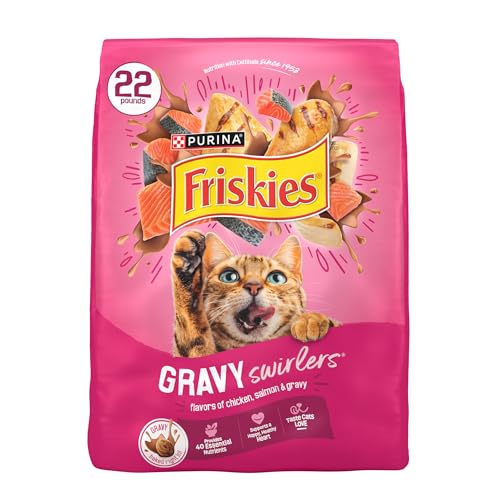
Purina Friskies Gravy Swirlers Dry Cat Food 22 lb. Bag
The Picks, Examined More Closely
Cats on an all-dry diet often run low on moisture, and that’s where this pouch lineup earns its spot. Six sea proteins rotate through the pack, salmon and tuna among them, so mealtime never turns into the same bowl twice.
The 3-ounce single servings suit portion control, and each pouch pulls double duty as a full meal or a topper over kibble like the Friskies options further down this list. Formulated by pet nutritionists, it’s built as complete daily nutrition rather than a treat.
Points In Its Favor
- Six different seafood flavors keep reluctant eaters interested week after week
- Prebiotic FOS and fiber support smoother digestion, which owners of gassy or irregular cats tend to notice
- No grains, artificial colors, soy, or GMOs in the recipe
- Single-serve pouches mean no half-opened cans drying out in the fridge
Things To Consider
- A 12-pouch pack goes quickly in multi-cat homes, so storage space for repeat orders matters
- Wet food costs more per serving than any dry option here
At A Glance
Who It Suits Best
Cat parents who want premium, grain-free wet nutrition and don’t mind paying more per meal for variety and hydration.
Where Another Pick Suits Better
Budget-focused households feeding several cats will stretch further with the Friskies Party Pack’d 15-pound bag instead.
Two cats, one bag, zero drama. That’s the pitch behind this chicken, liver, and turkey recipe, which mixes star-shaped Party Mix pieces into standard kibble for extra crunch appeal. The 15-pound format is aimed squarely at households going through bowls fast.
It delivers 38 essential nutrients as a complete adult formula, and the protein content fuels play sessions. Owners commonly report even fussy cats cleaning their bowls, though taste always varies by animal.
Notable Upsides
- Large 15-pound bag cuts down on reordering trips
- Mixed textures and shapes hold the attention of picky eaters
- Recipe includes immune-support nutrients alongside everyday protein
Worth Noting
- Once opened, the big bag needs an airtight container to keep kibble fresh and deter pantry pests
- No specialized formulas here, so cats with weight or digestion concerns need a targeted option
Made For
Multi-cat homes and value-minded shoppers who want a dependable, tasty staple without specialty pricing.
Consider Something Else When
An indoor cat battling hairballs fits the Purina Cat Chow Indoor Hairball + Healthy Weight formula better.
Indoor cats move less than their outdoor cousins, and the pounds sneak up quietly. This four-bag set tackles both common indoor complaints at once: a natural fiber blend helps hair pass through instead of coming back up, and the recipe accounts for reduced activity levels.
Real farm-raised chicken leads the ingredient list, backed by omega-6 fatty acids for skin and coat condition. Compared with the Blue Buffalo weight formula later in this list, it’s the more affordable route to similar goals.
Positive Points
- Fiber blend targets hairball frequency, a relief during shedding season
- Calorie-conscious recipe suits sedentary apartment cats
- 25 vitamins and minerals round out daily nutrition
- Four smaller bags stay fresher than one giant sack
Trade Offs
- Chicken-based recipes can trigger sensitivities in some cats, so transitions should be gradual
- Kibble-only diets still benefit from added water or wet toppers for hydration
Quick Facts
Right Fit For
Owners of laid-back indoor cats who want hairball and weight support at a sensible cost.
Not Your Match When
Cats with sensitive stomachs generally do better on the Blue Buffalo Tastefuls Sensitive Stomach recipe.
This is the generalist of the group, and a strong one. Real chicken sits first on the ingredient list, and the recipe was developed by veterinarians and animal nutritionists for healthy indoor adults with no special issues to manage.
Size flexibility is a genuine advantage here: bags run from 3 pounds up to 15, so a one-cat apartment can start small before committing. Against the Purina Cat Chow above, you’re paying more for the brand’s natural positioning and LifeSource Bits, a cold-formed blend of antioxidants, vitamins, and minerals designed to preserve nutrient potency.
A Few Strong Suits
- Chicken-first recipe supplies quality protein for muscle maintenance
- Multiple bag sizes let you trial before buying bulk
- LifeSource Bits add targeted antioxidant support
- Chicken and brown rice base avoids heavy filler reliance
Minor Gripes
- Costs noticeably more per pound than the Friskies options
- Some cats pick around the darker LifeSource Bits, according to widely shared owner reports
Key Specs
Best Suited To
Healthy indoor adult cats whose owners want a natural, chicken-led daily staple without specialty claims.
Look Elsewhere When
Weight management is the goal, since the Blue Buffalo Tastefuls Weight & Hairball Control version adds L-Carnitine for that job.
Frequent vomiting, loose stools, or a cat that guards the litter box nervously usually points to digestion. This sibling of the standard Tastefuls indoor recipe keeps the real-chicken-first approach but tunes the formula for tender stomachs.
Veterinarians and animal nutritionists shaped the recipe, and the same cold-processed LifeSource Bits appear here for immune support. You may find results take a few weeks of consistent feeding to show, which is typical for digestive formulas.
Positive Takeaways
- Gentle formulation aimed at reducing digestive upset
- Chicken-first protein keeps palatability high despite the specialty focus
- Antioxidant-rich LifeSource Bits support overall immunity
- Available up to 22 pounds for long-term feeding
Room For Improvement
- Transitions from other foods should span a week or more to avoid setbacks
- Persistent digestive trouble warrants a vet visit rather than a food swap alone
Feature Snapshot
Who Will Love This
Cat parents dealing with recurring tummy troubles who want a mainstream, widely available gentle formula.
A Better Fit Elsewhere
Healthy cats with no digestive history are better served by the standard Blue Buffalo Tastefuls Indoor recipe at a lower commitment.
Where the Purina Cat Chow handles weight and hairballs on a budget, this Blue Buffalo version approaches the same pair of problems with L-Carnitine, an amino acid that helps the body use fat for energy. Calories are carefully balanced rather than simply cut.
Palatability is the usual worry with light formulas, and Blue leans on taste testing feedback here, marketing it as highly palatable despite the reduced calories. Real chicken still opens the ingredient list, and LifeSource Bits carry over for immune support.
Real Benefits
- L-Carnitine supports fat metabolism alongside calorie control
- Helps reduce hairball formation in long-haired or heavy groomers
- Designed to keep muscle mass while weight comes down
Small Caveats
- Only 3- and 7-pound bags exist, so large or multi-cat homes reorder often
- Weight loss in cats should be gradual, so expect slow visible progress over months
Whose Shelf It Belongs On
Owners of overweight, hairball-prone cats who prefer a natural-brand formula and don’t mind smaller bags.
Skip It When
Bulk value matters most, because the Purina Cat Chow Indoor Hairball + Healthy Weight four-pack covers similar ground more economically.
Some cats turn their nose up at plain kibble but refuse wet food too. Gravy Swirlers splits the difference by baking gravy flavor directly into each piece, pairing chicken and salmon notes with that savory coating cats gravitate toward.
The 22-pound bag is the largest format on this list, sized for serious multi-cat operations or anyone tired of monthly reorders. Nutritionally it holds its own, delivering 40 essential nutrients with support for both immune and heart health.
The Case For It
- Baked-in gravy flavor wins over kibble-skeptical cats
- 40 essential nutrients make it a complete daily diet
- Jumbo 22-pound bag minimizes shopping frequency
- Smaller 3.15- and 16-pound sizes available for lighter feeders
Details To Watch
- An open 22-pound bag demands a sealed bin; exposed kibble loses crunch within days
- Flavor-forward recipes like this can encourage overeating, so measured portions help
The Details
The Right Fit
Households with fussy kibble-only cats that still want the economy and convenience of a large dry bag.
Another Choice May Suit
Cats needing genuine moisture in the bowl belong on the Optimeal Sea Protein wet pouches instead.
What Matters Most Before Choosing Hard Cat Foods
Match The Formula To The Actual Problem
A healthy adult cat needs nothing fancier than a complete, balanced staple like the Blue Buffalo Tastefuls Indoor recipe. Adding hairball, weight, or digestive formulas to a cat without those issues wastes money and can shift nutrient intake unnecessarily. Identify the symptom first, then buy the fix.
Read The First Ingredient, Not The Front Of The Bag
Ingredient lists run in descending order by weight, so a leading named protein such as chicken signals a meat-forward recipe. Vague openings suggest heavier filler reliance. Cats are obligate carnivores, meaning they require nutrients found in animal tissue, so protein quality drives long-term wellbeing.
Factor In Format And Household Size
Dry food stores easily and suits free-feeding routines, while wet options like the Optimeal pack add hydration and portion control. Multi-cat homes burn through volume fast, which makes the 15- and 22-pound Friskies bags practical, provided you own an airtight storage container.
Key Considerations Across These Picks
Traps First Timers Fall Into
Switching foods overnight is the classic error; abrupt changes commonly cause stomach upset, so blend old and new over seven to ten days. Another slip is buying a giant bag before confirming your cat actually likes the recipe. Start small, then scale up once the bowl gets emptied reliably.
What Separates Premium From Basic
Higher-tier formulas spend more on named proteins, natural ingredients, and targeted additives like L-Carnitine or prebiotic fiber. That matters for cats with specific needs. For a healthy cat eating well on a basic recipe, the upgrade buys refinement rather than necessity, and either path can work.
Closing Thoughts
The right choice depends less on the label and more on your cat’s age, activity, and quirks. Start with a complete everyday formula, add a targeted recipe only when a real issue shows up, and transition slowly whenever you switch. Watch the bowl, watch the litter box, and adjust from there.
