

Goldfinches and siskins cling to nyjer feeders like acrobats, but the wrong feeder turns that show into a seed-spilling mess. Nyjer is expensive, so you want hardware that holds it well, drains rain, and gives small birds plenty of grip. This shortlist covers tube-style screen feeders and refillable sock options for patios, gardens, and small yards alike.
How The Shortlist Stacks Up

Woodlink NAWLNT Audubon Finch Screen Tube Feeder

Mr. Canary Yellow Finch Sock Feeders, 2pk

Happy Wings 3Pc Refillable Nyjer Sock Feeder

Woodlink MINIMAG2 Mini Magnum Nyjer Feeder

MIXXIDEA Finch Bird Feeder Hanging Thistle Seed

Audubon NATUBE9 8 Port Thistle Tube Birdfeeder
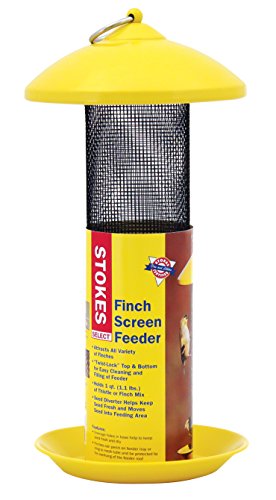
Stokes Select 38171 Finch Screen Bird Feeder

Gtongoko Finch Feeders All Metal Mesh Tube Green
Why These Options Stand Out
The die-cast aluminum body is the headline here, because plastic tubes crack after a couple of seasons in sun and frost. At thirteen inches, this one hangs from a tree limb or porch hook without any assembly, which means your first finch visit can happen the same afternoon you unpack it.
For anyone setting up a first feeding station, that ready-to-hang simplicity matters more than fancy extras. A pound of thistle or finch mix goes in, goldfinches cling to the mesh, and cleanup stays minimal.
Good Reasons To Consider
- Die-cast aluminum construction shrugs off the weathering that ruins plastic tubes within two seasons.
- No assembly required, so it hangs straight from the box on any branch or hook.
- Screen surface lets several finches perch at once from any angle.
- One-pound seed capacity suits casual weekend top-ups rather than daily refills.
Things To Consider
- Mesh surfaces need an occasional brush-out to clear damp seed hulls, especially in humid climates.
Who It Suits Best
First-time finch feeders who want durable metal hardware with zero setup friction.
Where A Sibling Pick Shines
Shoppers wanting a lower entry cost should look at the Happy Wings sock trio instead.
Sock feeders are nylon-mesh bags birds cling to directly, no perches needed. This pair arrives pre-filled with twelve ounces of sterilized nyjer apiece, so there is nothing to buy separately and nothing to assemble before hanging.
The honest appeal is immediacy: hang one by a window, and goldfinches can start feeding within days. Sterilized seed also removes the weed-growth worry that comes with cheaper nyjer blends scattered under a feeder.
The Practical Payoff
- Pre-filled design means birds can feed the same day you hang it.
- Sterilized seed won’t sprout into unwanted weeds beneath your feeder.
- Birds feed from every angle of the bag, which makes for lively window-side viewing.
- Two socks let you place feeders apart and reduce crowding squabbles.
Small Caveats
- Nylon mesh wears out faster than metal, so treat these as seasonal replacements rather than permanent gear.
- Once empty, you’ll need to source nyjer yourself to keep them going.
Quick Facts
Made For
Newcomers who want proof-of-concept before investing in rigid metal feeders.
Swap It Out When
Anyone planning year-round feeding will get more mileage from the Happy Wings refillable set.
Where the Mr. Canary socks ship full and disposable-minded, these three arrive empty and built to be reused season after season. Each twelve-inch sock swallows up to twenty ounces of nyjer, so a single fill lasts noticeably longer than the standard throwaway bag.
The wide mesh surface is the quiet advantage here. More fabric area means more finches feeding simultaneously, which turns a modest yard into a busy station during migration months.
Reasons It Performs
- Durable mesh designed for year-round use, not a single-season throwaway.
- Twenty ounces per sock stretches time between refills considerably.
- Three-pack pricing keeps the cost per feeding station very low.
- Generous surface area lets a whole finch flock eat at once.
Points To Note
- Seed is not included, so budget for a nyjer bag on day one.
- Empty socks offer less instant gratification than the pre-filled Mr. Canary pair.
At A Glance
Right Fit For
Budget-minded households feeding finches across multiple spots all season long.
Consider Something Else When
Those preferring structured perches over soft mesh should step up to the Woodlink MINIMAG2.
Small footprint, serious construction. The powder-coated finish (a baked-on paint layer that resists rust and chipping) covers an all-metal body, and the hunter-green caps blend into foliage better than bright plastic ever will.
Drain holes in the seed tray are the detail experienced feeders appreciate most. Wet nyjer clumps and molds quickly, and those holes let rain escape instead of pooling around the seed.
The Value In It
- All-metal body with powder coating holds up outdoors far longer than plastic tubes.
- Tray drain holes stop rainwater from spoiling your nyjer investment.
- Easy-open top makes refills a one-handed job on a ladder or step stool.
- Compact size fits balcony railings and small garden hooks comfortably.
Worth Noting
- The three-quarter-pound capacity means weekly refills during heavy finch traffic.
- Smaller birds are the target here; larger species may find the ports cramped.
Feature Snapshot
Who Should Grab It
Balcony gardeners and small-yard hosts who prioritize durability over sheer volume.
Reach For A Different Pick When
Heavy traffic calls for the Gtongoko’s two-and-a-half-pound reservoir instead.
Eight feeding ports is the number that separates this tube from most rivals, including the Audubon further down this list at the same port count. The difference shows at peak hours, when a dozen goldfinches queue up instead of fighting over three openings.
The transparent tube does double duty as a seed gauge. One glance from the kitchen window tells you whether a refill is due, no ladder climb required.
Where It Excels
- Eight ports support simultaneous feeding by goldfinches, chickadees, sparrows, and woodpeckers alike.
- Clear tube makes seed levels visible at a distance.
- Lid opens without tools for quick fills and routine washes.
- Regular cleaning is straightforward, which extends the feeder’s working life.
Less Ideal Details
- Owners commonly report needing to wipe the tube interior periodically, since clear plastic shows grime readily.
- Port spacing can invite house sparrows, which some finch purists would rather discourage.
Whose Shelf It Belongs On
Garden hosts chasing maximum bird variety during busy morning feeding windows.
Not Your Match When
Strictly finch-only feeding is better served by the finer screen of the Stokes Select model.
Flexibility is this tube’s calling card. Unlike dedicated nyjer screens, its generous seed chamber handles mixed blends, black oil sunflower, safflower, small nuts, and thistle alike, so one feeder can serve a changing menu through the seasons.
Eight ports keep the line moving when cardinals and finches share airspace. The trade-off is specialization: a generalist tube won’t dispense tiny nyjer seeds as cleanly as a purpose-built screen.
Practical Advantages
- Handles five-plus seed types, consolidating your feeding setup into fewer units.
- Big-capacity chamber reduces refill frequency for busy households.
- Eight ports accommodate simultaneous visitors without much jostling.
A Few Limitations
- Nyjer-specific performance trails true screen feeders like the Woodlink MINIMAG2.
- Plastic components may cloud over several seasons of sun exposure.
The Right Fit
Multi-species backyard stations where one versatile feeder beats three specialized ones.
Look Elsewhere When
Dedicated thistle feeding with minimal waste points toward the Stokes Select screen feeder.
That yellow metal roof isn’t just a color choice. In wet climates, a covered top keeps drizzle off the seed column, and dry nyjer is the difference between happy finches and a moldy cleanup job.
The screen body targets exactly the right crowd: goldfinches, house and purple finches, and pink siskins. With a 1.1-pound capacity, it sits neatly between the smaller Woodlink MINIMAG2 and larger reservoirs.
A Few Highlights
- Metal roof shields seed from rain, extending freshness between refills.
- Accepts thistle, NyjerPlus, and finch mixes without clogging complaints commonly reported elsewhere.
- Capacity suits moderate flocks fed every few days.
- Yellow finish adds a cheerful accent visible from indoors.
Details To Watch
- The roof adds bulk, so tight balcony spots may feel crowded compared with the slimmer MIXXIDEA tube.
The Details
Built With In Mind
Rain-prone regions where uncovered nyjer spoils fast and refills get tedious.
Another Choice May Suit
Dry, sunny climates can skip the roof weight and save with the Happy Wings socks.
Two and a half pounds of nyjer changes the ownership math entirely. Where the Woodlink MINIMAG2 asks for weekly attention, this reservoir stretches refills into a low-frequency chore, even with a resident flock draining it daily.
The 0.24-inch mesh openings are sized for finch beaks specifically, letting seed flow while discouraging bigger raiders. Maintenance stays tool-free too: a removable lid and detachable tray come apart for washing in minutes.
Why It Works Well
- Large 2.5-lb capacity slashes how often you climb out to refill.
- Wide opening and removable lid make topping up genuinely quick.
- Detachable seed tray simplifies the deep-clean routine.
- All-metal mesh body stands up to squirrels’ rougher handling better than plastic.
Trade Offs
- Full of seed, it carries real heft, so weak branches are a poor mounting choice.
- Green finish hides well but makes checking seed levels a closer inspection task.
Core Details
Perfect Match For
Dedicated finch enthusiasts running a high-traffic station through every season.
Skip It When
Apartment dwellers with light bird traffic will find the MIXXIDEA tube a better-scaled fit.
What Matters Most Before Choosing Nyjer Feeders
Match The Feeder To Your Flock Size
A lone pair of goldfinches empties a small sock slowly, while a migrating flock can strip a one-pound tube in days. Estimate your visitor count honestly before picking capacity. Oversized feeders hold stale seed; undersized ones turn refills into a daily errand.
Material Decides Longevity
Metal mesh bodies with powder-coated finishes resist rust and squirrel abuse far better than bare plastic tubes. Nylon socks cost less but expect to replace them every season or two. Neither approach is wrong; they just serve different budgets and patience levels.
Weather Protection Pays For Itself
Nyjer seed costs more per pound than almost anything else in your bird aisle, so drainage holes and covered roofs protect real money. Damp seed cakes inside a tube within days of rainfall. Covered designs like the Stokes Select earn their keep in wet regions especially.
Cleaning Access Is Non-Negotiable
Feeders with removable lids and trays get cleaned; fixed-top designs quietly grow mold. Plan on a rinse every couple of weeks during heavy use. Your finches will reward the hygiene with repeat visits.
Key Considerations Across These Picks
Wrong Turns To Avoid
The classic error is buying a general-purpose tube for pure nyjer duty; fine thistle seed pours straight through wide ports. Another slip is ignoring drainage, then wondering why seed turned solid after one storm. Match the opening size to the seed, always.
The Case For Spending Up
Higher-tier models buy metal over plastic, drainage over sealed bases, and capacities that cut refill labor. That upgrade pays off fastest for year-round feeders in harsh climates. Casual summer hosts can happily stay in the value tier.
Frequently Asked Questions
What seed works in a nyjer feeder?
Nyjer (also called thistle) is the intended fill, along with finch-specific blends. Some screen models also accept NyjerPlus, a treated variant that resists sprouting.
Do sock feeders work as well as tube feeders?
Socks attract finches just as reliably since birds cling directly to the mesh. They wear out faster, so tubes win on longevity while socks win on price and flexibility.
How often should I clean my feeder?
A rinse every two weeks handles typical use, with deeper cleaning monthly. Humid climates call for more frequent attention to prevent moldy seed.
Why is nyjer seed so expensive?
It’s imported, heat-treated to prevent germination, and sold in small quantities because birds waste little of it. Freshness matters too, since old nyjer loses appeal quickly.
Will squirrels raid a nyjer feeder?
Squirrels generally ignore nyjer itself but may damage soft mesh trying to reach other treats. All-metal bodies handle that abuse far better than nylon or thin plastic.
Wrap Up
Your yard, climate, and flock size settle this decision faster than any spec sheet. Start simple with a pre-filled sock, then graduate to metal once the finches prove loyal. Whichever route you take, dry seed and a clean feeder matter more than brand names. Hang something, watch what shows up, and adjust from there.
