

Walking a dog that lunges, barks, or freezes at every passing stranger turns a simple stroll into a stressful negotiation. The gear in this guide exists to change that dynamic: no-pull harnesses that redirect pulling without pressure on the throat, leash sleeves that signal “give us space” before anyone gets too close, and a training attachment that works with the collar you already own. Each option here suits a different point in your training journey, from newly adopted rescue dogs to strong pullers who’ve outgrown basic equipment. Match the tool to your dog’s specific triggers and body type, and daily walks get noticeably easier.
The Lineup, Simplified

APAKBAK No Pull Dog Harness with Handle

Advivio Dog Reactive Training in Progress Leash Sleeve

BLUPARK Dog Reactive Leash Sleeve

Advivio Reactive Not Aggressive Leash Sleeve Wrap
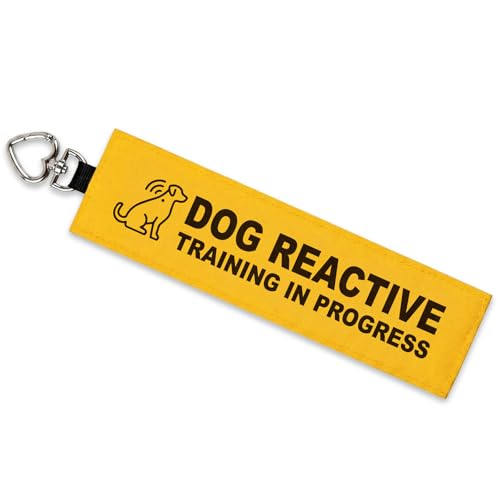
YROVWENQ Training in Progress Yellow Leash Wrap
MiracleLeash No Pull Chest Loop Attachment 15-120 lbs

Cenwa Nervous Rescue Jacket (Rescue M)
The Strengths Of Each Pick
A front clip changes where the leash pulls from, which is the whole trick behind no-pull designs like this one. Attach to the chest ring and forward momentum turns your dog slightly sideways instead of dragging you down the sidewalk; switch to the back ring once leash manners improve or during relaxed evening strolls.
The soft mesh padding matters more than most people expect. Dogs working through reactivity often tense up when gear feels restrictive, and a breathable vest-style cut keeps movement natural across small, medium, and large frames.
Noteworthy Benefits
- Front and back attachment points let you match control level to each walk’s difficulty
- Chest and belly straps adjust independently, closing the gaps dogs typically back out of
- Built-in top handle gives you a quick grab point near traffic, doorways, or other dogs
- Mesh padding spreads pressure across the chest rather than concentrating it at the neck
Things To Consider
- Two adjustment points take a few minutes to dial in correctly, so measure your dog’s girth before ordering
- Mesh construction benefits from regular airing out after rainy walks to prevent lingering odor
Who It Suits Best
Owners of medium-to-large reactive dogs who want one harness covering both intense training sessions and calm neighborhood loops.
Where A Sibling Pick Shines
Dogs that resist wearing a vest altogether often accept the MiracleLeash chest loop attachment below, since it adds nothing bulky to their body.
Sometimes the best harnesses for reactive dog walking pair with a clear visual warning, and this red sleeve does exactly that. It slides onto your existing leash and tells approaching walkers, joggers, and off-leash dogs’ owners to keep their distance before an awkward encounter starts.
The double-sided printing is the detail worth paying attention to. Cheaper single-sided wraps flip and twist as the leash moves, hiding the message at the worst moment. This one reads correctly whether your dog heels left, ranges right, or surges ahead, and black snap closures mean installation takes seconds with no threading.
Where It Delivers
- Identical text on both faces keeps the warning visible from any angle throughout the walk
- Snap-on design moves between leashes easily, useful for multi-dog households
- Polyester fiber build handles daily handling without fraying quickly
Small Caveats
- “Training in Progress” wording assumes strangers understand what it implies, which most do but not everyone will
- Spot cleaning keeps the red fabric looking sharp, since machine washing can dull printed lettering over time
Made For
Handlers actively working through a reactivity training plan whose dog wears a harness or collar already, and who mainly need bystander cooperation.
Swap It Out When
You want stronger daytime visibility over messaging nuance, the YROVWENQ yellow canvas wrap later in this list catches eyes faster in bright sun.
This BLUPARK sleeve strips the concept down to essentials: bold red fabric, direct “DOG REACTIVE” lettering, and a price that makes trying the category painless. At roughly 8.7 by 2.4 inches folded, it suits most standard flat nylon leads without overwhelming a short leash.
It also doubles as a lighthearted gift, which sounds trivial until you realize how isolating reactive-dog ownership feels. Handing a fellow foster parent one of these lands better than another scented candle ever will.
Where It Excels
- Unmistakable two-word message leaves zero room for misreading by passersby
- Machine-washable polyester shrugs off mud, drool, and sidewalk grime
- Universal sizing fits most everyday dog leashes right out of the package
- Produced in a smoke-free environment, a detail sensitive-nose households appreciate
Points To Note
- Single-sided printing means occasional flipping hides the text, unlike the Advivio sleeve reviewed earlier
- No snap hardware listed, so check how it fastens against your particular leash thickness
Right Fit For
New reactive-dog owners testing whether a leash alert actually changes stranger behavior before investing in pricier options.
Look Elsewhere When
All-angle visibility is non-negotiable for your walking routes, the double-sided Advivio training sleeve covers that gap properly.
Word choice carries weight with reactive dogs. “Reactive” alone can make strangers assume aggression, while this Advivio wrap spells out the distinction directly, protecting your dog’s reputation while still requesting space. Foster parents juggling fearful newcomers tend to value that nuance most.
Structurally it matches the brand’s training sleeve from earlier in this list: double-sided text, black snap closures, polyester fiber construction. You’re choosing between messages rather than builds, which honestly simplifies the decision.
What Makes Sense
- “Not aggressive” phrasing preempts unfair assumptions about your dog’s temperament
- Snaps attach in moments and transfer across leashes without tools or threading
- Two-sided printing survives twisting and flipping on active walks
Less Ideal Details
- The longer message needs a beat longer to read, so very fast-moving joggers may pass before absorbing it
- Polyester holds onto dried mud in the weave, so rinse promptly after messy trails
Best Suited To
Foster caregivers and rescue adopters whose dogs are fearful rather than hostile and need the public to know the difference.
Consider Something Else When
Your dog genuinely struggles with proximity, the Cenwa nervous rescue vest further down pairs wearable coverage with its own warning slogan.
Neon yellow canvas with black lettering reads at a distance, and that’s precisely why this wrap earns its place among the best harnesses for reactive dog setups. Color does the first job of stopping people; the printed warning does the second.
The fit range impresses too. Measuring 8.66 inches long with a 2.40-inch folded width, it wraps flat nylon leads, thick rope leashes, even harness straps, and a heart-shaped snap hook locks it in place. Animal shelters and foster networks commonly reach for exactly this kind of universal design because one size serves many dogs.
Useful Strengths
- High-contrast yellow stays legible in dim morning light and overcast weather
- Matching text on both sides prevents the twist-out-of-sight problem entirely
- Heart snap hook secures quickly yet releases cleanly for washing or leash swaps
- Works on rope leads and harness straps, not just standard flat webbing
Details To Watch
- Canvas feels stiffer than polyester sleeves at first and softens after several uses
- Bright yellow shows dirt readily, so budget a little extra cleaning attention
Key Specs
Who Will Love This
Early-morning and dusk walkers with nervous dogs who need maximum visibility from strangers before they’re within greeting distance.
Another Choice May Suit
Shoppers prioritizing softer fabric over raw visibility will prefer the Advivio training sleeve, which trades neon color for a lighter polyester feel.
Here’s the clever middle ground between a plain collar and a full harness. A chest loop is a secondary loop that sits low on a dog’s chest and connects to your leash, so forward lunging redirects sideways and swings the dog naturally back toward you. No gagging, no face pressure, no throat strain.
The 15-to-120-pound range covers nearly every breed, and compatibility stretches across flat collars, martingales, harnesses, retractables, rope leads, and long training lines. Compared with the APAKBAK vest at number one, this adds almost nothing to wear, which anxious dogs often tolerate far better.
Notable Gains
- Sideways redirection stops pulling physics rather than fighting strength with strength
- Attaches in seconds to gear you already own, no oversized specialty harness required
- Wide 15-120 lb span means one purchase survives puppy-to-adult growth
- Compatible with long lines, opening up recall and distance training work
Trade Offs
- Loop positioning takes a couple of adjustments to sit correctly on deep-chested breeds
- Inspect connection points periodically, as any added hardware deserves routine checks
Feature Rundown
Who Should Grab It
Owners of powerful pullers who hate the bulk of full vests and want a minimal, humane correction tool that works today.
Reach For A Different Pick When
Your priority is escape-proof body coverage rather than pull redirection, the APAKBAK mesh vest’s dual adjustment points handle that job.
Some dogs communicate better through what they wear than what their leash says. This Cenwa vest prints its warning slogan across the body itself, so the message travels with your dog even when the leash sleeve twists or a jacket covers the harness underneath.
Composite cloth gives it a soft, garment-like feel that nervous rescues generally accept more willingly than stiff webbing. Sizing runs Medium for 25-40 pound dogs and Large for 40-70 pounds, and since measurements are done by hand, checking your dog’s actual girth against the chart before ordering is wise.
Useful Highlights
- Body-worn slogan stays visible regardless of leash position or twists
- Composite cloth construction balances comfort with everyday durability
- Vest format layers cleanly over or alongside a walking harness
A Few Limitations
- Only two sizes exist, so very small or giant breeds fall outside the range
- Hand-measured sizing allows slight variance, order based on current weight and measure twice
Product Snapshot
The Right Fit
Recently adopted or fostered dogs in the 25-70 pound range whose anxiety stems from unwanted approaches rather than pulling strength.
Not Your Match When
Pulling is your main battle rather than social signaling, the MiracleLeash chest loop targets that problem far more directly.
What Matters Most Before Choosing Harnesses For Reactive Dog
Control Points Decide Everything
Front-clip attachments turn a lunge into a sideways pivot, which is why they dominate this category. Back clips suit calmer phases of training, and having both, as the APAKBAK harness does, lets you scale control to the day’s triggers. Single-point designs force compromise.
Escape Resistance Over Style
Reactive dogs back out of gear at the worst possible moment, usually near traffic. Independent chest and belly adjustment points close the gap over the shoulders that loose harnesses leave open. Measure girth, not just weight, and snug the fit until one finger fits beneath the strap.
Signaling Is Half The Battle
Many reactivity incidents start because a stranger closed distance uninvited. Leash sleeves and warning vests work as passive communication, asking for space without confrontation. Double-sided printing matters more than it sounds, since twisted wraps go invisible exactly when needed.
Match Gear To The Trigger
Pulling problems call for redirection tools like the MiracleLeash loop. Fear-based reactivity calls for visibility and messaging. Strong reactions to handling favor soft, minimal designs. Diagnose the behavior first, then shop.
Key Considerations Across These Picks
Wrong Turns To Avoid
The most common mistake is buying for looks instead of trigger type. A beautiful vest won’t stop pulling, and a no-pull loop won’t shield an anxious dog from unwanted greetings. Skipping the measuring tape ranks second, since poor fit undermines both comfort and escape resistance.
What Separates Premium From Basic
Higher-tier designs spend money where it counts: dual clip points, independent adjustability, reinforced stitching at stress zones, and double-sided high-contrast printing. Budget options cover the basics well enough for mild cases, but frequent walkers and strong pullers recoup the difference in calmer walks within weeks.
Closing Thoughts
Reactive behavior improves fastest when management and training reinforce each other, and every item above supports one side of that equation. Start with the tool matching your dog’s primary trigger, add a visibility aid if strangers keep approaching too close, and give each piece a fair trial over several weeks. Calmer walks are built one consistent outing at a time, and the right gear simply removes friction from the process.
