

Horses evolved to graze most of the day, so a pile of loose hay in a corner disappears fast and wastes money along the way. A slow feeder stretches mealtime, keeps stalls tidier, and cuts down the hay you sweep up every morning. Whether you manage a full barn or keep two goats alongside one trail horse, the seven options below cover nets, bags, and multi-packs worth a look.
A Closer Look At The Lineup

T TEKE Classic Slow Feed Hay Nets, 40″ Length, 2″ Holes

Majestic Ally Slow Feed 42″ Hay Net for Horses, 2-Pack

Derby Originals Front Web Slow Feeder Horse Hay Bag

INKNOTE Hanging Hay Feeder Tote with Adjustable Strap
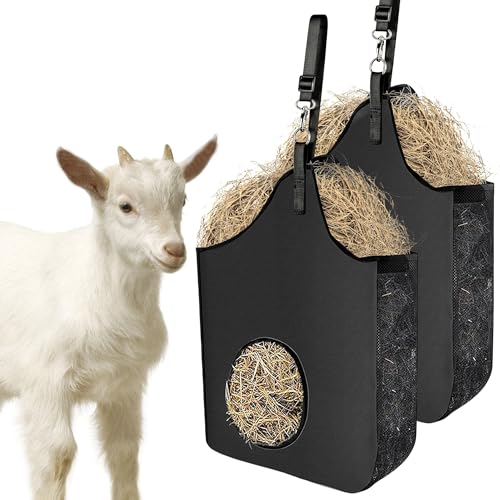
INKNOTE Hanging Hay Feeder Tote, 2-Pack
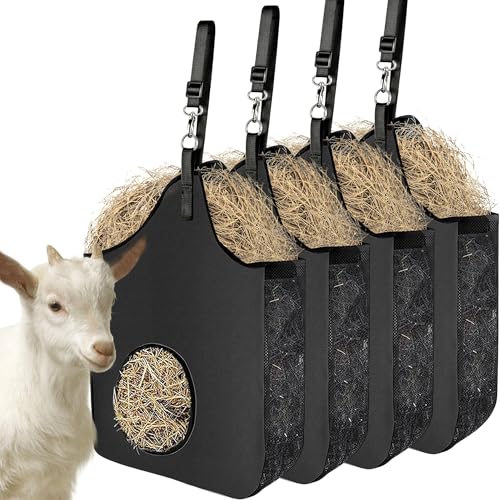
INKNOTE Hanging Hay Feeder Tote, 4-Pack

Derby Originals Easy Feeder Horse Hay Bag, Super Tough Bottom
The Details Behind The Selections
A classic net is the simplest way to start slow feeding, and this two-pack from T TEKE covers the basics without fuss. Each net runs 40 inches long with roughly 2-inch mesh openings, sized to hold around 14 pounds of hay at a fill.
The braided polyethylene cord feels soft against a horse’s muzzle, which matters more than people expect during long sessions at the net. A thick drawstring handles both carrying and tying to a rail, fence, or trailer ring. For barns feeding several animals on a budget, two nets in one order is a practical place to begin.
Practical Advantages
- Two nets per purchase means a spare is always clean and ready while one hangs in use.
- The 2-inch holes slow intake enough to stretch a flake across hours instead of minutes.
- Fine braided thread stays gentler on lips and whiskers than stiff, coarse netting.
- The 14-pound capacity suits a full evening’s ration for an average-sized horse.
Small Caveats
- Nets generally wear faster than fabric bags where horses paw or rub, so inspect knots weekly.
- You may find loading a full net fiddly until the drawstring technique clicks.
Feature Snapshot
Who It Suits Best
Cost-conscious owners feeding one or two horses or donkeys daily who want a straightforward net rather than a structured bag.
Swap It Out When
Rough feeders that shred netting will do better with the Derby Originals Front Web Slow Feeder Hay Bag and its reinforced webbing base.
Show weekends and long hauls are where this Majestic Ally net earns its spot. The adjustable nylon hanging rope lets you raise or lower the feed height inside a trailer or temporary stall, something fixed-loop nets like the T TEKE above can’t match.
At 42 inches it runs slightly longer than the first pick, holding roughly three to five flakes depending on how tightly you pack it. The small 2-by-2-inch holes mimic grazing behavior, which helps settle horses that bolt their hay in unfamiliar surroundings. Nine farm-friendly colors make matching your tack room easy too.
Key Advantages
- The adjustable rope adapts to trailer rings, stall bars, and paddock fencing without retying knots constantly.
- Tight 2×2-inch mesh slows greedy eaters and keeps bedding cleaner overnight.
- A two-net pack covers travel plus home use, handy at shows when one net is still damp from washing.
- Color options help you assign one net per horse and avoid mix-ups in shared barns.
Things To Weigh Up
- Nylon rope hangers can fray where they contact rough metal edges, so check contact points before each trip.
- Very small mouths may still pull hay quickly through the mesh, in our view better suited to average-sized horses.
Made For
Competitors and frequent haulers who need reliable slow feeding on the road as much as in the barn aisle.
Where Another Pick Suits Better
Stationary stall setups benefit more from the structured Derby Originals Easy Feeder Hay Bag, which hangs lower and holds its shape while empty.
Some horses treat every feeder like a chew toy, and that’s exactly the animal this bag was built for. Instead of soft netting, the front panel uses webbing with cross-stitched intersections and bartack reinforcement at every stress point, backed by a tough nylon webbing bottom.
The body measures about 21 by 7 by 25 inches and swallows two to three flakes of Timothy, orchard grass, or alfalfa. Openings run 1.75 inches square, slightly tighter than the nets earlier in this list, so mealtime stretches further. Loading stays simple because the wide mouth accepts flakes whole.
Useful Strengths
- Webbing construction shrugs off pulling and pawing that shreds ordinary nets within weeks.
- The reinforced bottom doubles as drainage, letting dust and fines drop away from the hay.
- Cross-stitched seams spread load evenly, reducing the blown-out corners common in cheaper bags.
- A six-month warranty period adds some reassurance for hard-use expectations.
Potential Sticking Points
- Shake out accumulated dust and stems from the webbing grid regularly, especially with stemmy grass hay.
- The narrower footprint holds less than the larger Easy Feeder model below.
Quick Facts
Right Fit For
Owners of young horses, cribbers-adjacent nibblers, or any animal that has already destroyed a net or two.
Reach For A Different Pick When
Gentle eaters who don’t abuse gear can save money with the T TEKE hay nets instead.
Not everyone shopping this category runs a horse barn, and this single INKNOTE tote leans toward goats, sheep, and other small stock. The oxford-fabric body measures roughly 19.7 by 17.7 by 6 inches, with a generous 8-inch diameter feeding outlet that gives animals plenty of reach.
An adjustable strap lets you set the height to suit shorter animals, keeping feed off the ground and out of bedding. Wide-mouth access also makes stuffing hay quick, a small thing that adds up twice a day. Owners commonly report the stitched seams hold up well under normal small-livestock use.
Real Benefits
- The large 8-inch outlet accommodates different muzzle sizes and feeding styles without frustration.
- Hanging position keeps hay clean and reduces trampled waste in the pen.
- Oxford fabric wipes down easily compared with knotted netting that traps stems.
Worth Noting
- Full-size horses may out-pull lightweight fabric construction over time, so this suits smaller animals best.
Who Should Grab It
Hobby farmers with a goat or two who want an inexpensive, low-maintenance hanging feeder.
Another Choice May Suit
Larger herds should step up to the INKNOTE 4-Pack version below for better per-unit coverage.
Same tote as the previous pick, doubled up. That matters because animals sharing a pen fight less when each has a dedicated station, and a second feeder also gives you a dry spare while one airs out after washing.
Dimensions stay identical at about 19.7 by 17.7 by 6 inches with the same 8-inch outlet, and each unit carries its own adjustable strap. Two stations spaced along a fence line encourage natural movement between bites, which suits grazing-minded goats nicely.
Everyday Perks
- One feeder per animal cuts squabbling at mealtimes in shared enclosures.
- Rotation between two totes extends fabric life and simplifies cleaning schedules.
- Identical sizing makes hanging heights consistent across the pen.
Less Ideal Details
- Storage takes twice the wall space of a single tote, worth planning before ordering.
Best Suited To
Small homesteads running a pair of goats, miniature horses, or sheep in one enclosure.
Consider Something Else When
Solo-animal households get everything they need from the single INKNOTE tote above at a lighter commitment.
The four-pack rounds out the INKNOTE family, built for anyone rotating animals through paddocks or managing a mixed small-livestock yard. Four identical totes mean you can leave feeders stationed in separate pens instead of hauling one tote around twice daily.
Specs carry over unchanged: roughly 19.7 by 17.7 by 6 inches per tote, 8-inch outlets, adjustable straps, and washable oxford fabric. The honest trade-off is redundancy, since four units share the same single-point failure modes, but for multi-pen operations the convenience outweighs that easily.
Bright Spots
- Per-station cost drops meaningfully versus buying singles one at a time.
- Feeding four pens from stocked stations saves real time on busy mornings.
- Spares stay available when a tote needs a deep clean or repair.
Points To Keep In Mind
- Four totes demand dedicated storage between seasons, ideally somewhere dry and rodent-free.
- Matching the wrong strap length across pens is an easy oversight, so label each hanging spot.
The Right Fit
Small farms juggling three or four enclosures who value routine over variety.
Skip It When
A single-horse owner gains nothing here over the Derby Originals Front Web bag, which is purpose-built for equine strength.
This is the flagship of the list, and the difference shows immediately next to the Front Web model reviewed earlier. Its patented four-sided webbing construction lets a horse eat comfortably from any angle of the bag, not just the face panel, which reduces crowding at one spot and spreads wear evenly.
The body spans about 24 by 10 by 24 inches with 3.5-by-3-inch rectangular openings, noticeably larger than the Front Web’s 1.75-inch squares. That means faster access for polite eaters while the reinforced overlapping-webbing Super Tough Bottom keeps structure and lets dust escape. Stuffing takes seconds, which your morning routine will appreciate.
What Helps Most
- Four-sided eating access mimics natural grazing posture better than single-panel designs.
- The patented web layout removes the ripped-seam failure mode common in fabric-front bags.
- Generous openings suit senior horses or those new to slow feeding who need an easier transition.
- A one-year warranty period backs the heavier-duty build.
- Vented bottom design keeps hay fresher by letting fines and moisture drain out.
A Few Limitations
- Larger openings slow eating less aggressively, so extreme portion control calls for tighter mesh elsewhere.
- Some horses initially paw at the flexible sides until they learn the bag’s rhythm.
Technical Highlights
Who Will Love This
Daily stall-feeding owners who want durability, easy loading, and a design their horse can use comfortably for years.
Not Your Match When
Tight budgets or travel-focused needs point toward the Majestic Ally hay net pair instead.
What Matters Most Before Choosing Hay Feeders For Horses
Match Mesh To Your Animal
Opening size drives everything. Tight mesh around 1.75 to 2 inches suits aggressive eaters and ponies, stretching a flake across several hours. Larger 3-inch-plus openings work better for seniors, dental-sensitive horses, or animals transitioning onto slow feeding for the first time. Start looser and tighten gradually rather than frustrating a horse into giving up on the feeder entirely.
Material Decides Lifespan
Braided poly nets cost little and feel gentle but rarely survive a dedicated pawer past a season or two. Nylon webbing bags with reinforced bottoms handle abuse far better and shake clean faster. Oxford fabric totes sit in the middle, ideal for smaller livestock with gentler habits.
Hanging Height And Placement
Mount feeders high enough that a hoof can’t catch the bottom, yet low enough for a natural grazing head position. In trailers, adjustable straps earn their keep. Ground-level feeding risks trampled, soiled hay, which quietly erases the savings slow feeding creates.
Key Considerations Across These Picks
Traps First Timers Fall Into
The most common mistake is choosing mesh too tight for a first-time slow-feeder user, leading to frustration and abandoned meals. Skipping the height check is another: a feeder hung too low invites a caught hoof. Finally, many shoppers buy one feeder for a shared paddock and create competition instead of calm.
Where The Extra Money Goes
Premium bags like the Derby Originals Easy Feeder spend on patented structural webbing, bartack stitching, and vented bases. That engineering translates directly into years rather than months of service and fewer replacements. Paying up pays off fastest for destructive eaters and daily-use stalls.
Wrap Up
Slow feeding isn’t complicated, but the right format depends on your animal and your routine. Nets like the T TEKE and Majestic Ally keep costs down and travel easy, while the Derby Originals bags bring serious durability to daily stall life. The INKNOTE totes round things out for goat and small-stock keepers. Match opening size and material to your situation, hang it safely, and both your hay bill and your horse’s routine will thank you.
