

Feeding cattle on open ground gets expensive fast. Trampled, soiled hay can account for a surprising share of a feed bill, and anyone who has raked soggy flakes out of a muddy lot knows the frustration. A well-chosen feeder keeps hay off the dirt, slows down greedy eaters, and cuts your refill trips to once a day or less. This roundup covers seven options that fit different setups, from small homestead goat pens to multi-head cattle operations, including hanging fabric bags and wall-mounted steel racks built for daily abuse.
A Closer Look At The Lineup
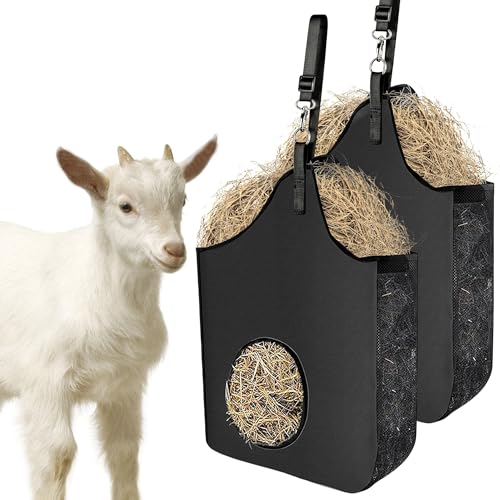
INKNOTE Hay Bag Hanging Goat Feeder Tote, 2 Pack

INKNOTE Hay Bag Hanging Goat Feeder Tote
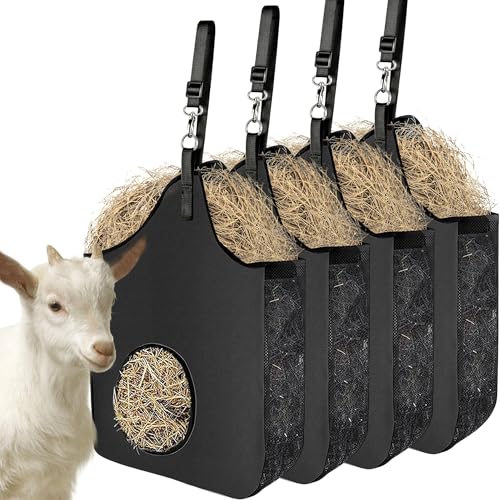
INKNOTE Hay Bag Hanging Goat Feeder Tote, 4 Pack

VEVOR Livestock Feeder 18.5 Gallon Steel Hay Rack

BUYYAH Wall Mount Hay Rack 16 Gallon

BUYYAH Horse Hay Feeder 24 Gallon

Lazaluking Goats Hay Feeder 35.5” Iron Wall Rack
More Details On Our Top Picks
Fabric hay bags solve a problem steel racks can’t: they travel. Hang one from a fence post, a stall rail, or a trailer divider, and your animals graze from it wherever they stand. Each bag in this two-pack measures roughly 19.7 by 17.7 inches with a 7.9-inch feed opening sized for slower, tidier eating.
The oxford fabric body is stitched rather than molded, so it flexes when an animal tugs at a flake instead of cracking like rigid plastic tends to. For most small setups, two bags let you rotate between pens without washing anything mid-week.
Real-World Strengths
- The wide 7.9-inch opening slows grazing, which means less hay shoved onto the ground and fewer refills.
- Oxford fabric holds up to daily tugging better than thinner polyester bags commonly do.
- An adjustable strap lets you match hang height to goats, sheep, or smaller calves without re-rigging hardware.
- Two units arrive together, so you can stagger feeding stations and reduce crowding at one spot.
Things To Consider
- Fabric is chewable; persistent animals may work at seams over a season, and owners commonly report replacing bags every year or two.
- Roughly 50 cm across, each bag suits smaller stock better than full-grown beef cattle.
Key Specs
Who It Suits Best
Homesteaders running goats, sheep, or young stock across two or three small paddocks will get the most from this pair.
Where A Sibling Pick Shines
Anyone feeding full-size cattle daily should look at the VEVOR Livestock Feeder instead, since its welded steel frame shrugs off heavier animals.
This is the single-bag version of the INKNOTE design above, and honestly, that’s its whole appeal. One tote, one strap, no commitment. New goat and sheep keepers often want to test whether their animals will actually use a bag before outfitting every pen, and this makes that experiment cheap.
You get the same footprint as the two-pack: about 19.7 inches tall with a 7.9-inch grass opening, hung from an adjustable webbing strap. Fill it in the morning and most small animals will pace themselves through the day.
The Case For It
- A low-cost way to learn your animals’ feeding habits before scaling up.
- The adjustable strap adapts to fence height changes between pastures.
- Weighs little when empty, so moving it between locations takes seconds.
Worth Noting
- One bag means one station, so dominant animals may guard it in group settings.
Right Fit For
First-time keepers with a handful of goats or sheep in a single pen are the natural audience here.
Another Choice May Suit
Once you know your animals take to bag feeding, stepping up to the INKNOTE four-pack spreads cost per unit lower across multiple pens.
Four bags change the math on herd behavior. Spread them along a fenceline and subordinate animals finally get a turn at the trough, which matters more than any spec sheet admits. Each unit matches the earlier INKNOTE dimensions, so mixing packs across your property stays consistent.
In practice, this quantity fits rotational grazing setups where animals move through several smaller lots during the week. You leave a filled bag in each lot and stop hauling gear behind the herd.
Reasons It Performs
- Multiple stations cut pushing and shoving at a single feed point.
- Identical sizing across all four keeps hang height adjustments predictable.
- Spares exist when one bag is drying after cleaning.
Small Caveats
- Four fabric bags still demand seasonal inspection for chew damage along stitching lines.
Made For
Small farms running rotational paddocks with mixed goats, sheep, or weaned calves will find this the most practical quantity.
Reach For A Different Pick When
Permanent barn installations call for metal instead, and the BUYYAH Wall Mount Hay Rack handles that fixed-position role far better.
Here’s where the list shifts from fabric to steel. VEVOR builds this rack from cold-rolled steel with fully welded joints, then adds a powder coating to resist rust outdoors. Cold-rolled steel, briefly, is steel finished at room temperature for tighter tolerances and higher strength than hot-rolled stock. Translation: this thing is built to take a shoulder shove from a cow and stay put.
At 24.4 inches long and wall-mounted, it feeds multiple animals from one fill. Owners of busy barns report that a single morning load carries the herd through the day, which trims chores considerably.
Useful Strengths
- An 18.5-gallon capacity supports all-day feeding without midday top-ups.
- Full welding means fewer weak points than bolted racks develop over time.
- Rounded edges and corners reduce the scrape injuries common with sharp-edged metal feeders.
- Powder coating stands up to rain and humidity in outdoor runs.
- The multiple-sided layout lets several animals eat simultaneously without fighting for position.
Points To Keep In Mind
- Wall mounting requires solid backing and proper anchors; expect some installation effort up front.
- Steel needs occasional coating checks in wet climates where chips could invite rust.
Details At A Glance
Who Will Love This
Cattle and horse owners feeding a small herd daily from a barn wall or sturdy fence line will appreciate the set-and-forget routine.
A Better Fit Elsewhere
Tight aisles where 24 inches of protruding rack feels cramped suit the slimmer BUYYAH 16 Gallon rack better.
Narrow barns punish bulky equipment. At just 9 inches deep, this BUYYAH rack hugs the wall while still offering a 27-inch-wide feeding face and 16 gallons of volume. That depth figure is the number worth memorizing if you’re squeezing a feeder beside a waterer or gate swing.
The proportions lean toward sheep, goats, and lighter stock, though the listing positions it for all-day feeding generally. Compared with the VEVOR above, you trade some raw capacity for a noticeably slimmer profile.
What Works In Its Favor
- The shallow 9-inch depth clears tight walkways other racks would block.
- 16 gallons covers overnight feeding for small groups.
- Wall mounting frees the entire floor for bedding and foot traffic.
Practical Considerations
- Mounting hardware quality varies by wall type, so verify your studs or masonry anchors first.
- Full-grown cattle may find the 15.7-inch height awkward compared with taller floor models.
- Hay dust collects in corners; a quick weekly brush-out keeps things tidy.
The Right Fit
Barn owners working narrow aisles or compact stalls with sheep and goat flocks get the best return here.
Consider Something Else When
Larger herds needing more volume per fill should compare the BUYYAH 24 Gallon model below, which nearly doubles capacity.
This BUYYAH scales everything up: a 31.5-inch frame holding 24 gallons, sold as a two-piece set. Carbon steel construction gives it the stiffness plastic racks lack, and the finish resists rust without deforming under load. BPA-free construction also matters around animals that mouth surfaces.
Installation is genuinely quick by wall-feeder standards, since tools ship included. Two units let you split feeding between ends of a barn, which spreads animals out and calms mealtime competition.
Bright Spots
- Two racks in one package cover opposite sides of a stable or shelter.
- Carbon steel resists warping even when loaded heavily.
- 24 gallons stretches refill intervals to roughly a day for moderate-sized groups.
- Wall-mount design plus included tools shortens setup time considerably.
Less Ideal Details
- Each rack measures 22.5 inches tall, so confirm your mounting wall has the clearance before ordering.
Core Details
Best Suited To
Growing operations with horses or a mixed cattle-and-horse string benefit most from this two-station approach.
Not Your Match When
Very large herds that empty 24 gallons too fast should step straight to the Lazaluking rack and its 67-gallon reserve.
Biggest capacity on the list, full stop. This 35.5-inch iron rack holds 67 gallons, enough that several goats, cows, or horses can feed at the same time without anyone waiting. The steel frame structure resists deformation and rust, and unlike fabric bags, there’s simply nothing for a bored animal to shred.
A bonus blanket-holder function adds off-season utility, letting the rack earn its wall space year-round. In our view, this is the pick for operations that measure feed waste in bales, not flakes.
The Value In It
- 67 gallons supports simultaneous feeding for a whole mixed-species group.
- Steel frame construction withstands years of animal contact without tearing or denting easily.
- Rust-resistant finish tolerates both indoor barn and outdoor run placement.
- Elevated access keeps hay off mud and bedding, protecting feed quality.
- The dual-purpose design stores blankets in warmer months.
Factors To Consider
- Its 17-inch depth projects further than slimmer racks, so plan mounting clearance carefully.
- Iron weight makes solo installation a two-person job for most people.
Quick Facts
Who Should Grab It
Farm operators managing goats alongside cattle or horses in a shared enclosure will find nothing else here matches its throughput.
Skip It When
Portable feeding across paddocks calls for the INKNOTE four-pack instead, since fabric bags move where steel cannot.
What Matters Most Before Choosing Hay Feeders For Cattle
Match Capacity To Your Herd
Count heads before you count features. A 16-gallon rack comfortably serves a small sheep or goat group overnight, while a dozen cattle will empty it before lunch. The general rule among experienced keepers is simple: undersized feeders mean twice-daily refills and more crowding, both of which erode the time savings a feeder exists to provide.
Steel Beats Fabric For Fixed Stations
Oxford-fabric bags shine for portability and small animals, but permanent installations reward metal. Powder-coated carbon or cold-rolled steel survives weather, kicking, and chewing in ways stitched textile never will. Decide first whether your feeding point moves seasonally or stays put, because that single answer eliminates half this list immediately.
Height And Depth Decide Daily Comfort
Measure twice here. A rack mounted too high forces shorter animals to reach awkwardly, and one mounted too deep into a narrow aisle blocks wheelbarrows and foot traffic. Most wall-mounted designs project 9 to 17 inches, so walk the space with a tape measure before committing.
Slow-Feed Openings Cut Waste
Wide openings dump hay; controlled ones ration it. Bags with narrower grass outlets and racks with bar spacing both slow consumption, which improves digestion pacing and keeps flakes out of the mud. Waste reduction alone often repays the equipment cost within a season for anyone feeding commercial bales.
Key Considerations Across These Picks
Traps First Timers Fall Into
The classic error is buying for today’s herd, not next spring’s. Calves grow, flocks expand, and a feeder sized exactly right in January strains by summer. Second trap: skipping the tape measure on aisle width and mount height, which turns delivery day into a return shipment. Check anchor points too, since hollow shed siding rarely holds a loaded steel rack.
Where The Extra Money Goes
Higher-capacity steel racks cost more because of materials and welding labor, not marketing. Full welds, powder coating, and thicker gauge steel all add manufacturing expense that shows up as years of service. Paying up makes sense once daily refills or replacement fabric bags start eating your time; until then, a basic bag covers the learning curve affordably.
Wrap Up
Seven feeders, three distinct strategies: portable fabric bags for flexible paddocks, slim wall racks for tight barns, and high-volume steel for serious throughput. Start by measuring your space and counting mouths, then match the format to how often you actually want to haul hay. The right choice quietly pays for itself in saved feed and shorter chore lists, season after season.
