

Pellet-based supplements have quietly become the easiest way to keep a horse’s nutrition on track. Grain top-dressing gets messy, powders blow away in the aisle, and picky eaters turn their noses up at anything dusty. The seven products below solve those daily headaches in different ways, from hoof repair to sand removal. Whether you manage one backyard mare or a full barn, there’s a fit here for your feeding routine.
The Main Contenders
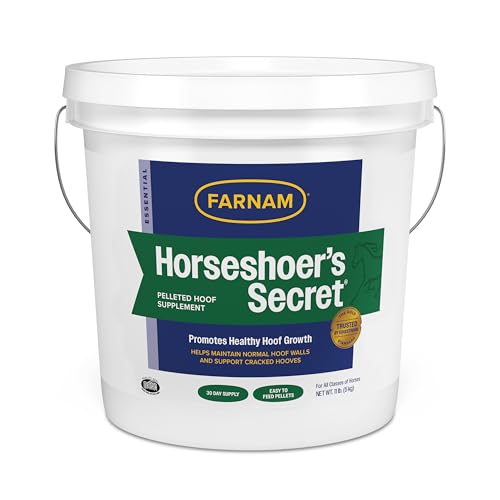
Farnam Horseshoer’s Secret Pelleted Hoof & Biotin Supplements, 11 lb

Manna Pro NutriGood Low-Sugar Apple Horse Treats, 4 lb Bag
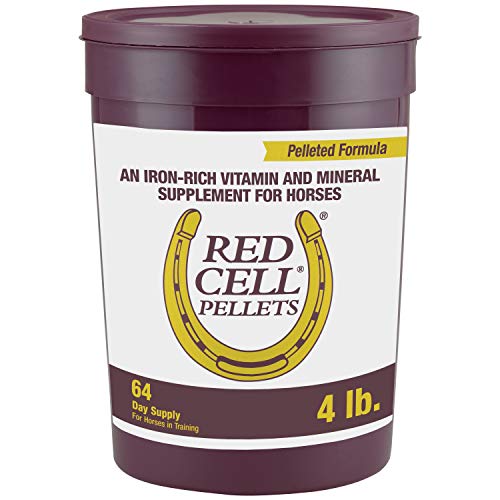
Horse Health Red Cell Vitamin-Iron Mineral Supplement Pellets, 4 lb

Corta-Flx U-Gard Digestive Supplement Pellets, 10 lb Bucket

Farnam Equi Aid Natural Psyllium Pellets, Apple/Molasses, 10 lb

Flix 100% Flaxseed Omega-3 Horse Treats, 9 lb

Exotic Nutrition Timothy Pellets 7.5 lb, Sun Cured High Fiber
A Deeper Look At The Lineup
Horse owners dealing with chips and vertical cracks usually hear the same advice from their farrier: fix it from the inside. That’s exactly what this alfalfa-based pellet does. Biotin, a B-vitamin tied to keratin production, sits alongside lysine, methionine, omega fatty acids, copper, and zinc so the hoof wall has raw material to rebuild with.
The pelleted format matters more than people expect. It mixes into grain without sifting to the bottom of the bucket, which means less waste and fewer missed doses during a busy morning feed run.
What Helps Most
- Nutrient stack covers growth and repair in one scoop instead of juggling several tubs
- Alfalfa base keeps most horses eating it willingly, even fussy feeders
- Farriers commonly recommend this line for hardening soft, splitting walls
- An 11-pound container stretches across weeks of daily feeding
Things To Consider
- Hoof growth is slow; owners typically report visible change only after a full trim cycle or two
- Store the bag sealed and dry, since pellets can crumble in humid tack rooms
Key Specs
Who Will Love This
Owners whose horses grow thin-walled or cracked feet, especially barefoot trimmer clients wanting measurable improvement between visits.
A Better Fit Elsewhere
Riders chasing coat shine rather than hoof repair will get more mileage from the Flix flaxseed treats further down this list.
Treat time is where careful diets fall apart. Most commercial cookies load up on molasses, which is rough news for an easy keeper or a horse watching its sugar intake. This bag flips that script with roughly 80 percent less sugar and starch than typical leading treats, using beet pulp and soybean hulls as the base instead.
In a training session where rewards come fast and often, that difference adds up. The apple flavor still lands well enough that horses work for it, based on what owners consistently report, though a few sugar-addicted ponies may take a session to adjust.
A Strong Showing
- No added sugar or molasses, so reward frequency doesn’t derail a controlled diet
- Wholesome ingredient list with no artificial colors or flavors
- Pocket-sized pieces suit groundwork and trailer-loading practice
Worth Noting
- The reduced sweetness means some treat-motivated horses show less enthusiasm than they do for sticky molasses cookies
- Keep the bag clipped shut; lower-fat baked treats can stale faster in open bins
Right Fit For
Anyone managing an overweight, insulin-challenged, or laminitis-prone horse who still wants a reliable training reward on hand.
Skip It When
Handlers needing a high-value jackpot reward for difficult loading scenarios may prefer the richer taste of the Flix flaxseed treats listed later.
Iron rarely gets attention until a horse looks flat and dull-coated mid-season. Red blood cells carry oxygen to muscle via hemoglobin, an iron-dependent protein, and this pellet supplies iron alongside a wide B-vitamin panel plus vitamins A, D3, E, and K. Trace minerals like selenium, zinc, and manganese round out the mix.
The pellet form solves the classic problem with the original liquid version: no sticky residue on scoops, buckets, or your jacket sleeve. A four-pound tub covers roughly 64 days of top-dressing at standard rates, which makes daily barn chores simpler.
Useful Strengths
- One serving replaces a shelf of separate vitamin and mineral containers
- Pellet format tops dress neatly onto any grain ration
- Suits performance horses in heavy work that burn through nutrient reserves
A Few Limitations
- Iron supplementation isn’t needed by every horse; a vet should confirm deficiency first, since excess iron offers no benefit
- Four pounds goes quickly with a multi-hose string sharing one bucket
Feature Rundown
Who Should Grab It
Owners of hard-working competition or ranch horses whose vets have flagged low iron or general condition dips.
Another Choice May Suit
Horses needing targeted stomach buffering rather than broad micronutrients will do better on the Corta-Flx U-Gard pellets reviewed next.
Stall confinement, high-grain rations, and show schedules are a rough combination for equine stomachs. Ulcer risk climbs when acid sits against unprotected lining, and that’s where calcium and magnesium earn their keep: both minerals buffer stomach acid and help hold pH in a healthier range. This bucket delivers exactly that, nothing gimmicky.
The 10-pound size suits a single horse on a sustained program. Compared with the Red Cell pellets above, this one targets one job rather than covering the whole vitamin alphabet, and trainers often run both side by side during show season.
Benefits That Matter
- Calcium and magnesium work together to reduce acid load on the stomach lining
- Appropriate for all classes of horses, from idle retirees to active competitors
- Bucket packaging survives barn dust and damp aisles better than paper bags
- Pellets top dress easily, so picky eaters rarely notice the addition
Points To Keep In Mind
- It supports gastric environment rather than treating diagnosed ulcers; veterinary treatment stays essential there
- Consistency counts, and skipping doses on off-days weakens the buffering effect many owners report
At A Glance
Whose Shelf It Belongs On
Show barn managers and anyone keeping a horse stalled more hours than it grazes, especially through stressful travel months.
Reach For A Different Pick When
Horses on sandy lots face a different gut threat entirely, and the Farnam Equi Aid psyllium pellets coming up handle that specific problem.
Horses grazing dry lots or sandy pastures swallow grit with every bite, and over time that sediment settles in the ventral colon, the lower section of the large intestine. Psyllium husk, a soluble fiber that swells into a gel, helps move that accumulated sand out safely. This product exists for precisely that scenario, and few alternatives address it as directly.
The apple and molasses flavoring gives it real staying power with foals, seniors, and adults alike. It carries NASC certification, a quality-assurance seal from the National Animal Supplement Council, which signals manufacturing accountability.
Everyday Perks
- Directly targets sand and dirt clearance from the ventral colon
- Soluble psyllium fiber also supports regular bowel function day to day
- Palatable enough that dosing rarely becomes a wrestling match
- Fits horses of every age, from youngstock through geriatrics
Small Caveats
- Psyllium programs run in cycles rather than continuously, so plan dosing windows around your regional sand risk
- Always pair with fresh water access; fiber needs hydration to do its job
Quick Facts
Best Suited To
Properties with sandy soil, dry winter paddocks, or a history of sand colic episodes in the herd.
Consider Something Else When
For general coat, joint, and metabolic support on clean pasture, the Flix flaxseed treats below offer broader everyday value.
One ingredient, whole flaxseed, pressed into a firm treat. There’s something refreshing about a label you can read in two seconds. Flax brings concentrated omega-3 fatty acids, the same fat family linked to glossier coats and comfortable joints, along with antioxidants that support immune function.
Metabolic horses are the group that benefits most here. With no added sugar, these treats suit insulin-resistant and PPID (Cushing’s) horses, and flax’s omega-3 content plays a documented role in glucose handling. Owners of itchy, allergy-prone horses also reach for flax regularly, since omega-3s can ease skin reactivity over time.
Where It Helps
- Single-ingredient purity removes guesswork from sensitive diets
- Omega-3s support shine, joint comfort, and immune health in one feed-through
- No sugar added, making it appropriate for IR and Cushing’s horses
- Nine-pound box lasts a single horse a good while at treat-scale portions
Less Ideal Details
- Whole-flax density means these sit firmer and less cookie-like than baked treats some horses expect
- Flax is calorie-dense, so easy keepers need portion discipline regardless of the sugar-free label
The Right Fit
Metabolic horse owners and anyone chasing coat quality through a natural, additive-free route.
Swap It Out When
For a softer, fruit-flavored training reward on a strict low-starch budget, the Manna Pro NutriGood apple treats earlier in this list fit better.
Not every hay pellet in your feed room belongs to a horse. This sun-cured timothy option serves the grass-eating side of a hobby farm: rabbits, guinea pigs, chinchillas, degus, tortoises, and other small herbivores. Timothy grass, cut and dried in the field, gets compressed into tidy pellets that store far better than loose bales in a garage.
The nutritional profile leans exactly where small pets need it: high digestible fiber, modest protein, and balanced vitamins and minerals. Vets commonly recommend timothy-based diets for weight management in rabbits and guinea pigs, since obesity creeps up fast on alfalfa-heavy rations.
What Makes Sense
- High digestible fiber supports gut motility, critical for rabbit and cavy digestion
- Lower protein content helps prevent weight gain in sedentary house pets
- Pelleted form eliminates the dust and stem mess of loose hay
Details To Watch
- Pellets shouldn’t fully replace long-strand hay; chew time on coarse hay keeps teeth worn down
- Reseal the bag promptly, as pellet freshness fades in open air
Core Details
Made For
Small-pet households wanting a clean, vet-endorsed staple alongside their horses’ supplement routine.
Look Elsewhere When
Equine-specific nutrition is the goal here, and the Farnam Horseshoer’s Secret hoof pellets at the top of this list remain the stronger barn investment.
What Matters Before You Feed Pellets
Match The Product To The Actual Problem
A pellet supplement works best aimed at one clear issue. Cracked hooves call for biotin and trace minerals, sandy turnout calls for psyllium, and a stressed show schedule calls for gastric buffering. Buying broadly “just in case” wastes money and complicates the feed bin.
Read The Ingredient Base First
The carrier tells you a lot. Alfalfa bases add protein and palatability, beet pulp and soybean hulls keep starch down, and single-ingredient options like flax leave nothing hidden. Horses with metabolic sensitivities do best with short, transparent lists.
Think In Feeding Cycles, Not Days
Hoof wall grows slowly, and gut changes take weeks. Judge any pellet program over a full trim cycle or a couple of months rather than a single bag, and keep notes so trends become obvious at the next vet visit.
Key Considerations Across These Picks
Wrong Turns To Avoid
The biggest slip is stacking overlapping supplements without checking totals, since doubling biotin or selenium helps nobody. Another common error: buying a large size before confirming your horse will actually eat it. Start small, then scale up once palatability is proven in your own bucket.
When Paying More Pays Off
Higher-tier products justify cost through certification, concentration, and consistency. NASC-audited lines like Equi Aid, and single-source formulas like Flix, cost more per pound but deliver predictable dosing. For a horse with a diagnosed need, that reliability beats saving a few dollars on an unverified blend.
Bottom Line
Your horse’s needs should drive the choice, not the shiniest label. Start with the clearest problem in front of you, whether that’s hoof quality, stomach comfort, sand exposure, or a smarter treat jar. Each product here earns its place for a specific reason, and matching that reason to your barn is the whole game. Feed consistently, watch the results, and let the outcomes guide your next order.
