

An enclosed terrarium lives or dies by what goes inside it. Sealed glass holds its own humidity, so the right greenery keeps itself watered while the wrong choices turn to mush in weeks. This roundup covers eight options that solve different parts of that problem: starter kits with live miniature plants, moss packs for forest-floor texture, ferns for shaded corners, and low-maintenance artificial vines for reptile habitats where real foliage would get trampled. Whether you’re assembling your first jar garden or dressing a gecko tank, there’s a fit here for your setup, your light conditions, and how much upkeep you actually want to do.
An Overview Of The Picks

Hirt’s Gardens Terrarium Kit with 3 Plants

HERCOCCI Reptile Vines Terrarium Decor Set
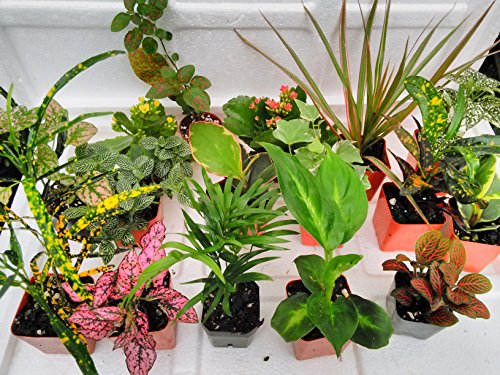
JM BAMBOO Terrarium Plants 6-Pack

LuckyRunes Live Moss 4-Pack

Live Moss Duo Pack Sheet/Sphagnum

Moonorange Reptile Artificial Plants 2-Piece

Vtapliea Tall Aquarium Plants 5-Pack

BubbleBlooms Fern Variety Assortment 6 Plants
Why These Options Stand Out
Most first terrariums fail because people guess at layers. This kit removes the guesswork by bundling three live miniature plants with sheet moss, potting soil formulated for sealed containers, carbonized charcoal, decorative mulch, and reindeer moss in a single box. You supply any clear glass vessel, from a mason jar to an old fish bowl, and everything else arrives ready to layer.
The charcoal layer matters more than newcomers expect: it absorbs odors and impurities in the closed, humid air inside the jar. Varieties shift with the season, which keeps things interesting but means you won’t know the exact species until it lands on your doorstep.
Everyday Perks
- Complete layer system means no separate shopping trips for soil, charcoal, or moss.
- Three living miniatures give you instant scale and color instead of an empty jar.
- Works with virtually any clear container you already own, cutting startup cost further.
- Charcoal inclusion supports fresher air inside long-term sealed builds.
Things To Consider
- Seasonal variety rotation makes species selection unpredictable order to order.
- The container itself isn’t included, so measure your jar before planting day.
Key Specs
Who It Suits Best
Anyone assembling a first sealed jar garden who wants every layer delivered in one purchase rather than pieced together over weeks.
A Better Fit Elsewhere
Shoppers wanting more plant volume for bigger vessels will find the JM BAMBOO six-pack covers large containers with less repetition.
Where the Hirt’s kit grows real plants, this HERCOCCI set takes the opposite route: four pieces of bendable artificial greenery built for tanks where climbing animals would shred anything alive. The bundle pairs a 41-inch green vine, roughly 3.3 feet of brown vine, a 33-inch hanging plant, and a 78-inch leaf garland, giving you enough length to wrap branches, line backgrounds, and drape from lids in one pass.
Polyethylene plastic forms the vines with soft silk leaves attached, a combination keepers commonly report feels natural under a gecko’s grip. Twisting different sizes together builds genuine three-dimensional structure rather than flat backdrop strips.
Why It Works Well
- Four coordinated pieces let you layer ground, mid-level, and canopy cover at once.
- Cleanup is a rinse: dip in water and debris slides off, no pruning schedule required.
- Bendable cores hold whatever shape you twist them into around driftwood or mesh.
Worth Noting
- Artificial foliage offers zero humidity benefit, unlike the live moss packs later in this list.
- You may find the plastic sheen noticeable up close compared with real growth.
Made For
Keepers of climbing species such as crested geckos or anoles who want dense, reshappable cover without adding plant care to their routine.
Reach For A Different Pick When
Habitats needing moisture-holding substrate should lean toward the LUCKYRUNES Live Moss Duo Pack, which serves humidity rather than just looks.
Volume is the whole pitch here. Instead of Hirt’s three miniatures, JM BAMBOO ships six live plants sized roughly 4 to 6 inches tall, each rooted in its own 2.5-inch pot. That headcount fills a gallon jar or a wide cloche without bare patches, and spares remain if one specimen struggles during acclimation.
Selection rotates with the season, so two orders rarely match. In practice that suits tinkerers fine: part of the hobby is seeing what shows up and arranging it. Gardeners wanting a specific species list should temper expectations, though the mixed assortment generally skews toward slow-growing shade dwellers that tolerate sealed humidity well.
A Favorable Mix
- Six rooted plants provide immediate density for larger vessels and groupings.
- Individual nursery pots make rearranging layouts painless before final planting.
- Modest 4-to-6-inch height fits standard jar openings without heavy trimming.
- Assortment variety turns every unboxing into a small design exercise.
Small Caveats
- Species identity stays unknown until arrival, frustrating planners chasing exact looks.
- Live shipping means inspecting promptly; owners commonly report best results with same-day unpacking.
At A Glance
Right Fit For
Hobbyists filling a gallon-size jar or building several small terrariums at once who value quantity and variety over guaranteed species.
Another Choice May Suit
Display-focused growers after curated, gift-worthy specimens will prefer the BubbleBlooms fern assortment’s hand-selected approach.
Moss is the quiet workhorse of enclosed builds, and this four-piece pack delivers the real thing, grown naturally rather than dyed or preserved. Each piece runs about 3.5 by 7 inches, enough combined area to carpet the floor of a medium jar or top-dress several bonsai pots. Expect Hypnum, Dicranum, Brachythecium, Racomitrium, or similar types depending on the harvest season.
The use cases stretch past terrariums into floral arrangements, fairy gardens, orchid pot tops, and miniature landscapes, which explains why crafters keep it stocked alongside plant people. Living moss also pulls double duty in reptile enclosures, holding surface humidity where plastic vines like the HERCOCCI set cannot.
Everyday Advantages
- Living moss continues growing and self-repairs in humid sealed conditions.
- Roughly 98 square inches of combined coverage carpets most desktop jars in one layer.
- Natural texture variation between species creates believable forest-floor depth.
- Works across terrariums, bonsai, orchids, and craft displays, stretching its usefulness.
Trade Offs
- Species mix changes seasonally, so texture and shade differ between orders.
- Live moss needs consistent moisture; dry spells cause browning that misting only slowly reverses.
Quick Facts
Best Suited To
Closed-terrarium builders and craft hobbyists who want authentic living groundcover they can divide across several small projects.
Skip It When
Your project needs guaranteed uniform texture, since seasonal variation makes exact matching between packs unreliable.
This duo solves the shipping problem that plagues live moss. Both greenhouse-grown pieces, each around 3.5 by 7 inches, arrive dry and dormant, then rehydrate fully within 30 to 60 minutes of generous misting or a light soak. Dry transit prevents rot in the box, a failure mode owners of pre-moistened moss shipments know all too well.
The two varieties differ deliberately in color and texture, so a vivarium floor gains contrast instead of a flat green mat. Snake and gecko keepers use sheet moss as humidity substrate while bonsai growers tuck it around trunk bases; either way, the revival trick makes storage forgiving, since unused portions simply wait dry until needed.
What Works In Its Favor
- Dry dormancy shipping eliminates rot risk and extends shelf life before use.
- Rehydration in under an hour gets a project from box to finished fast.
- Two contrasting textures build depth that single-variety packs can’t match.
Points To Note
- Only two pieces arrive, so large floors require buying multiple packs.
- The first revival demands thorough soaking; light spritzing leaves edges crunchy, per widely reported user experience.
Feature Snapshot
Who Will Love This
Reptile and amphibian keepers needing dependable humidity substrate that stores dry between habitat refreshes.
Where A Sibling Pick Shines
Projects wanting broader coverage across many small crafts are better served by the LuckyRunes 4-pack’s extra pieces.
Two thick, lush fake plants anchor this set, aimed squarely at amphibian hideouts and aquarium corners where something permanent needs to look alive year-round. Unlike the bendable HERCOCCI vines, these hold a fixed planted silhouette, which suits keepers who want a finished look immediately rather than a material to sculpt.
One practical detail earns mention: leaves sometimes curl or wrinkle in transit, and a brief warm-water soak relaxes them back into shape. Just mind the temperature, since excessive heat softens the fixing glue. That five-minute fix beats returning a perfectly good set.
Features That Help
- Dense foliage creates convincing hiding spots shy frogs and newts gravitate toward.
- No lighting, trimming, or fertilizing ever enters the maintenance picture.
- Transit wrinkles resolve with a short warm-water soak, no replacement needed.
- Safe for both terrarium and aquarium placement, doubling its range.
Honest Caveats
- Fixed shapes limit layout creativity compared with twistable vine sets.
- Heat near the glue joints can deform the plants, so keep them away from basking lamps.
Perfect Match For
Busy amphibian and fish keepers who want attractive, zero-effort greenery that survives neglect indefinitely.
Swap It Out When
Climbing species need grabbable, repositionable structure, where the HERCOCCI vine set’s flexible cores serve far better.
Height distinguishes this five-piece set. These tall silk-and-plastic stems reach upward like background flora, filling rear glass panels in aquascapes or adding vertical interest behind shorter terrarium foreground plantings. Each stem carries a resin and ceramic base, a weighting detail that keeps plants upright in gravel without fishing-line anchors or glue.
Material choice matters underwater: the construction avoids shifting water chemistry in freshwater or saltwater setups, according to the maker’s guidance. Betta keepers in particular favor tall soft silks since flowing fins snag easily on rigid plastic. A warm-water rinse before first use clears packing residue, and that’s genuinely the entire maintenance routine.
Benefits That Matter
- Tall profiles fill empty back walls that short decor leaves looking bare.
- Ceramic-weighted bases stand firm in substrate without extra anchoring work.
- Soft silk fronds suit delicate-finned fish better than stiff plastic blades.
- Five stems allow layered groupings at varying depths in one purchase.
Room For Improvement
- Artificial stems contribute nothing biologically, offering no oxygen or nutrient uptake.
- Owners commonly note dust settles on dry-terrarium placements, requiring occasional rinsing.
Built With In Mind
Aquascapers and betta owners dressing mid-to-large tanks who want instant vertical greenery with no lighting upgrades.
Look Elsewhere When
Compact desktop jars call for smaller accents, where the Moonorange two-piece set’s modest footprint integrates more naturally.
Ferns thrive exactly where sealed terrariums excel: steady humidity, gentle indirect light, and no drafts. BubbleBlooms curates six different live ferns in 2-inch pots, sourced from professional local growers rather than pulled from a warehouse rack. Each shipment follows standard horticultural handling, which shows in how plants typically arrive settled and hydrated.
Compared with the JM BAMBOO mix, this assortment leans ornamental: the tiny pixie-scale fronds suit display jars, dish gardens, and gifting more than utilitarian filler. Natural variation guarantees no two sets match, which gift recipients tend to appreciate and species purists should accept going in.
Useful Highlights
- Six distinct fern varieties deliver curated diversity instead of random leftovers.
- Small 2-inch pots slot cleanly into narrow jar necks and tight arrangements.
- Grower-sourced handling gives live arrivals a fair shot at settling in well.
- Gift-ready presentation works straight from the box for plant-loving friends.
Potential Sticking Points
- Ferns demand bright indirect light; dim rooms lead to sparse, leggy growth over time.
- Delicate fronds bruise in transit occasionally, though most recover with stable humidity.
Core Details
The Right Fit
Decor-focused growers and gift-givers who prize refined miniature ferns for bright shelves, offices, and display jars.
Consider Something Else When
Raw volume for a big build matters more than curation, pointing you back to the JM BAMBOO six-pack’s straightforward assortment.
What Matters Most Before Choosing Plants For Enclosed Terrarium
Light Beats Everything Else
Sealed glass magnifies whatever light reaches it. Direct sun cooks the interior within hours, while deep shade starves even forgiving species. Position your terrarium near a window with filtered brightness, then match plants to that reality: ferns and most mosses tolerate lower levels, whereas colorful miniatures usually want more.
Humidity Tolerance Decides Survival
A closed container recycles its own moisture, which favors plants adapted to damp, still air. Species that hate wet roots or constant leaf moisture decline quickly regardless of care. Live moss and most tropical miniatures fit naturally; desert-oriented succulents do not belong in a sealed jar, period.
Scale And Growth Rate
Miniature plants stay miniature only briefly if they’re vigorous growers. Slow-growing varieties preserve your composition for months, while fast spreaders need regular pruning through the jar opening. Check expected mature size against your vessel before committing.
Real Versus Artificial
Live greenery regulates humidity and rewards attention, but it demands suitable light and occasional trimming. Artificial options like the vine sets above cost nothing in upkeep and suit animal habitats where plants face rough treatment. Many experienced keepers blend both: living moss below, durable faux foliage above.
Key Considerations Across These Picks
Traps First Timers Fall Into
The classic error is buying plants before choosing a container, then forcing oversized roots through a narrow neck. Measure first. A second slip is mixing desert and tropical species in one sealed jar; their needs cancel each other out. Lastly, skip direct sunlight entirely, since glass concentrates heat faster than most people expect.
What Separates Premium From Basic
Higher-priced live assortments typically reflect grower curation, careful shipping preparation, and healthier root systems, as the BubbleBlooms approach illustrates. Kits that include charcoal and properly blended soil save failed-build frustration worth more than the modest markup. Paying up pays off when a dead terrarium means restarting from zero.
Frequently Asked Questions
Do enclosed terrariums need watering?
Rarely once established. The sealed cycle recycles moisture, so most builds need only a light misting every few weeks when condensation disappears entirely.
Can succulents live in a sealed terrarium?
They shouldn’t. Succulents require dry airflow and will rot in trapped humidity, so reserve them for open containers instead.
How much light does a closed terrarium need?
Bright, indirect light suits nearly everything inside one. Place it near a north or east-facing window and away from direct sun exposure.
Why is charcoal used in terrarium layers?
Charcoal absorbs odors and impurities from stagnant, humid air. It keeps the closed environment fresher over long stretches between maintenance.
How do I clean artificial terrarium plants?
Remove them and swish in lukewarm water until debris releases. Avoid hot water on glued components, which can soften adhesive bonds.
Closing Remarks
Your best result comes from matching the pick to the vessel and the light you already have. Start with the Hirt’s kit for a foolproof first build, add LuckyRunes moss for authentic groundcover, and reach for the artificial sets whenever animals or low light rule out living greenery. Whichever direction you take, measure the jar first and let the plants follow.
