

Feeding a dog well shouldn’t feel like a research project. Between kibble burnout, sensitive stomachs, and picky eaters who turn their nose up at dinner, most households eventually need a smarter option than the same bag on repeat. That’s where this list comes in.
The seven foods below cover the realistic range of what a modern dog owner actually needs: a freeze-dried topper for fussy appetites, human-grade dehydrated meals, wet food variety packs, raw nutrition, air-dried protein, and gut-focused kibble blends. Each one earns its spot with specific attributes rather than marketing gloss, and each has honest trade-offs worth knowing before you commit to a big bag or case.
The Leading Options At A Glance
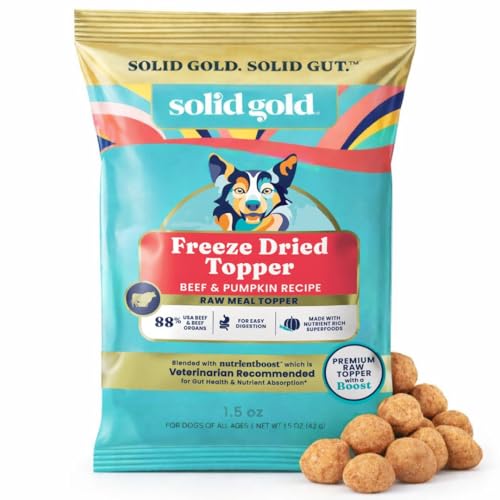
Solid Gold Freeze Dried Dog Food Topper & Treats, Beef, 1.5oz

The Honest Kitchen Wholemade Whole Grain Beef Recipe Dehydrated Dog Food, 10 lb Box

I and love and you Baad Mooon On The Rise Wet Dog Food Variety Pack, 13oz, 6pk

Optimeal Wet Dog Food Small Breed Variety Pack, 3oz Pouches (12 Pack)
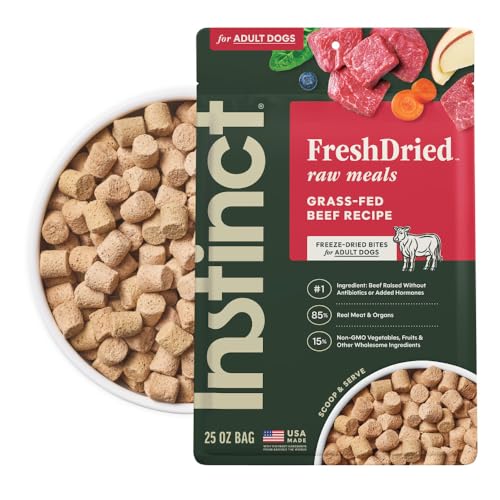
Instinct Freeze Dried Raw Meals Grain Free Beef Recipe, 25 oz

Full Moon Pure Protein Air Dried Dog Food Free Range Chicken Recipe, 1lb

Instinct RawBoost Gut Health Dry Dog Food + Freeze Dried Chicken, 3.5 lb
Taking A Closer Look At The Options
A bored dog at the bowl is a familiar scene, and this little beef pouch exists to fix it. Solid Gold builds the recipe around real beef and organ meat, then folds in pumpkin and cranberries for a functional edge most toppers skip.
The format matters too: it works as a sprinkle over kibble or straight from the bag as a treat, so one purchase covers two jobs. In our view, that dual role is exactly why it suits households dealing with a reluctant eater.
Points In Its Favor
- Beef, organ meat, pumpkin, and cranberries give plain kibble an aroma dogs actually notice
- Plasma, amino acids, and FOS prebiotics support gut microflora, useful for sensitive stomachs
- Doubles as a training treat, which stretches the value of even the smallest size
- Multiple sizes from 1.5oz up to 12.5oz let you trial before committing to bulk
Small Caveats
- The smallest pouch goes fast with daily use, so frequent reordering is likely
- Freeze-dried pieces can crumble at the bottom of the bag; storing upright helps
Who Will Love This
Owners of picky eaters or seniors with fading appetites who want a low-effort upgrade to an existing diet.
Reach For A Different Pick When
If the goal is a complete meal rather than a booster, The Honest Kitchen Wholemade Beef Recipe handles full feeding far more economically.
Dehydration means removing moisture at low heat instead of pressure-cooking ingredients into pellets, and Honest Kitchen leans on that gentle process here. Ranch-raised beef, oats, and carrots read like a grocery list, not a feed formula.
Add warm water, wait about three minutes, and you have a hydrating meal. The 10-pound box yields roughly 40 pounds of finished food, which changes the math considerably compared with fresh delivery services.
What Earns Its Place
- Fiber-rich oats and carrots support digestion, a genuine plus for sensitive stomachs
- Beneficial fats work toward softer skin and a shinier coat over weeks of feeding
- The 4x yield from one box makes near-homemade feeding practical on a budget
- Works equally well as a standalone meal or a topper stirred into dry food
- Whole-grain recipe suits dogs that tolerate grains fine and thrive on them
Trade Offs To Consider
- Rehydration adds a few minutes to every meal, unlike grab-and-scoop kibble
- Once mixed, leftovers need refrigeration like any fresh food would
- Grain-inclusive formulas don’t suit every dog on a vet-directed grain-free plan
Key Specs
Right Fit For
Budget-conscious owners who want fresh-food benefits daily and don’t mind a three-minute prep step.
Another Choice May Suit
Anyone wanting zero prep should look at Full Moon’s Air Dried Chicken, which scoops straight from the bag like kibble.
Meal fatigue hits dogs too, and this six-can pack answers it by pairing beef with lamb across the case. The brand keeps things simple: real meat first, non-GMO vegetables alongside, no grain and no filler ingredients padding the can.
At 13 ounces per can, portions suit medium and large dogs as a full meal, though plenty of owners spoon half a can over dry food instead. Either way, the rotation between proteins keeps dinner interesting week after week.
Real Benefits
- Beef and lamb recipes in one pack prevent flavor boredom without buying two cases
- Grain-free and filler-free formulation puts calories into meat, not starch
- Canned format stores for years unopened, handy for pantry stock-ups
Things To Consider
- Opened cans need refrigeration and get used within a couple of days
- Wet-only feeding costs more per calorie than dry, so many owners mix rather than replace
- The playful branding won’t tell you nutrient percentages at a glance; check the label panel
Feature Snapshot
Made For
Households mixing wet into dry for palatability, or larger dogs eating canned food as their main course.
Where A Sibling Pick Shines
Toy breeds waste most of a 13-ounce can, so Optimeal’s 3-ounce small-breed pouches are the tidier match there.
Small breeds eat small amounts, and standard cans leave you storing half-used portions for days. Optimeal solves that with 3-ounce pouches sized to a single serving, filled with tender morsels set in aspic, which is simply a savory gel that holds moisture and flavor.
The formulation targets little dogs specifically: highly digestible proteins, added fiber, and FOS prebiotics for gentler digestion. Omega-3 and Omega-6 fatty acids round it out, aimed at skin and coat condition over time.
Notable Upsides
- Single-serve pouches mean no refrigerated leftovers and no wasted food
- Complete and balanced for adult small breeds, suitable as a daily staple
- Calcium and phosphorus levels support bone and muscle maintenance in active little dogs
- Soft texture suits older small breeds with dental wear
Less Ideal Details
- Pouches create more packaging waste per calorie than cans or bags
- Three ounces is too small to anchor a large dog’s meal economically
Who Should Grab It
Owners of Chihuahua-through-Cocker-size dogs who want portioned wet food without any measuring or storage fuss.
Skip It When
Big-dog homes get better value from the I and love and you 13-ounce cans reviewed earlier.
This is the most protein-dense option on the list. Instinct packs three times more real meat and nutrient-rich organs than its own Original kibble line, and nothing here is cooked, since freeze drying preserves raw ingredients by removing moisture under vacuum.
Serve it as a complete meal after rehydrating, or crumble pieces over existing food for a serious upgrade. Active dogs and working breeds are the natural audience, given how much animal protein each scoop carries.
Where It Helps
- Triple the meat and organ content of comparable kibble supports lean muscle
- Never-cooked processing keeps nutrients in their raw form
- No grains, so it fits elimination-style or grain-sensitive feeding plans
- Size range from 3oz samplers up to 45oz bags accommodates cautious starts
Points To Keep In Mind
- Raw-format food costs noticeably more per pound than conventional dry diets
- Handle and store with the same care you’d give raw meat; wash bowls and hands after serving
- Dogs new to rich raw food may need a gradual transition to avoid loose stools
Core Details
Whose Shelf It Belongs On
Owners of high-drive or athletic dogs prioritizing protein above all else, with budget flexibility to match.
Swap It Out When
Cost-conscious daily feeders will find Instinct’s own RawBoost Gut Health blend delivers partial raw benefits at kibble pricing.
Chicken makes up 90% of this recipe, and you can see actual pieces of meat in the bag rather than uniform brown pellets. Air drying, a slow low-heat process, preserves more naturally occurring vitamins and minerals than high-temperature extrusion does.
The bites land somewhere between jerky and kibble in texture, tender enough that many dogs treat them as treats. Compared with Instinct’s raw meals, this sits a step closer to conventional dry food while staying firmly human grade.
Useful Highlights
- 90% chicken with no rendered meals or pea protein fillers
- Gentle air drying retains vitamins and aids digestibility
- Scoops and stores exactly like kibble, no raw handling required
- Human grade standards applied throughout production
- Jerky-style tenderness wins over dogs that reject hard kibble
Honest Caveats
- One-pound bags run out quickly for medium and large dogs at full-meal portions
- Soft-ish pieces can clump in humid climates; a sealed container prevents it
Quick Facts
Who It Suits Best
Owners transitioning a dog off heavily processed kibble who still want scoop-and-serve convenience.
Look Elsewhere When
Full-meal feeders of large dogs will stretch further with The Honest Kitchen’s 10-pound dehydrated box.
Not every household wants to go fully raw, and this bag splits the difference sensibly. Crunchy cage-free-chicken kibble gets mixed with freeze-dried raw pieces, so each scoop delivers both texture and a hit of raw nutrition.
The gut-health angle is the real differentiator versus the pure raw beef meals earlier in this list. Prebiotics and probiotics work together to maintain balanced gut microflora, supported by antioxidants and omegas, all made in the USA.
Real-World Strengths
- Raw pieces mixed into kibble boost nutrition without changing your routine
- Probiotic and prebiotic blend targets digestion day after day
- Free of corn, wheat, soy, potato, and by-product meals
- Cage-free chicken leads the ingredient list for quality animal protein
Where It May Fall Short
- Picky dogs sometimes fish out the raw pieces and leave the kibble behind
- The 3.5-pound bag suits small dogs best; big breeds burn through it fast
Technical Reference
The Right Fit
Daily feeders wanting a single-bag solution that improves digestion and palatability without raw handling.
Consider Something Else When
Dogs needing maximum protein density belong on the full Instinct Freeze Dried Raw Beef Meals instead.
Choosing Well: What Actually Matters With Healthy Foods For Dogs
Match The Format To Your Routine
Honesty first: the healthiest food is the one you’ll consistently serve correctly. Dehydrated boxes deliver fresh-style nutrition but demand a three-minute prep and fridge space for leftovers. Air-dried and freeze-dried options scoop like kibble yet cost more per pound. Wet food wins on palatability but complicates storage once opened.
Map your weekday reality against these formats before falling for ingredient lists alone.
Read Past The Front Of The Bag
The first named ingredient tells you more than any slogan. Meat leading the list signals animal protein as the caloric backbone; pea protein or rendered meals in that slot suggest otherwise. Also note what’s excluded, since grain-free formulations matter only for dogs with specific sensitivities, not as a default virtue.
Complete-and-balanced labeling for your dog’s life stage is the baseline everything else builds on.
Transition Slowly, Watch Closely
Richer foods deserve gradual introductions over seven to ten days, blending increasing amounts into the old diet. Sudden switches commonly produce loose stools regardless of food quality. Coat condition, stool consistency, and energy over four to six weeks are the honest report card.
Size And Budget Math
Small dogs make premium formats affordable; a Chihuahua eats through a pouch-based diet slowly. Large breeds change the equation entirely, where high-yield formats like dehydrated concentrates keep quality feeding financially sane.
Key Considerations Across These Picks
Wrong Turns To Avoid
The classic slip is buying a large bag of anything new before confirming your dog accepts it. Start with the smallest available size, as Solid Gold and Instinct both offer sampler portions. Another common error is treating grain-free as automatically healthier when your dog tolerates grains perfectly well, which narrows good options unnecessarily.
The Case For Spending Up
Higher-tier foods concentrate their extra cost into named meats, organ content, and functional additions like prebiotics and omega fatty acids. That spend pays off most visibly for dogs with dull coats, inconsistent stools, or low food drive. For thriving dogs on solid kibble, mid-tier options often deliver everything they need.
Bottom Line
Your dog’s appetite, size, and stomach should drive this choice more than any ranking. Picky eaters respond fastest to the Solid Gold topper or the I and love and you variety pack. Full-meal upgraders get the most from Honest Kitchen or Instinct’s raw and RawBoost lines, while small-breed homes will appreciate Optimeal’s portioned pouches. Start small, transition gradually, and let your dog’s condition over the following month confirm the decision.
