

Chihuahua puppies eat small meals but burn energy fast, so every bowl has to earn its space. The wrong kibble size or a gravy that’s too thick can turn dinner into a struggle for a two-pound pup with a needle-sized jaw. This roundup covers wet, dry, and starter formulas built for extra-small breeds, from first-bite mousse textures to breed-specific adult transitions. Each pick below is matched to a real scenario: weaning litters, picky eaters, budget households, and owners planning ahead for adulthood.
A Quick View Of The Lineup

Royal Canin X-Small Puppy Thin Slices in Gravy, 3 oz

Royal Canin Chihuahua Adult Wet Dog Food, 3 oz
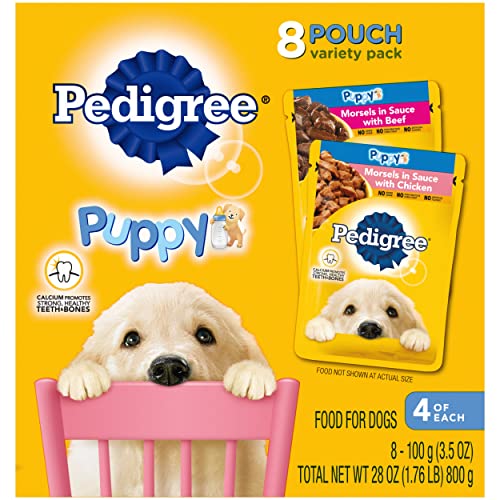
Pedigree Puppy Soft Wet Food Variety Pack, 3.5 oz
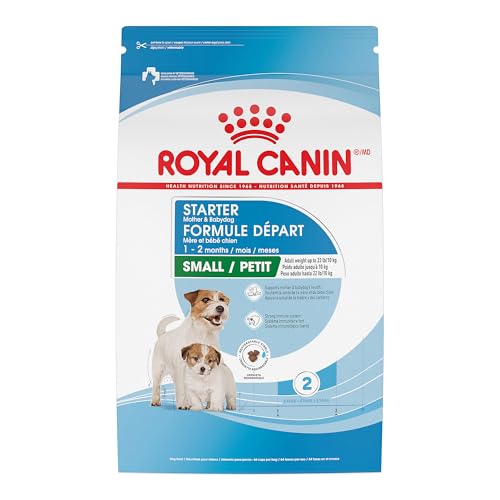
Royal Canin Small Starter Mother & Babydog Dry Food, 2.5 lb

Nutro Ultra High Protein Puppy Dry Food, Chicken, Lamb & Salmon, 3.5 lb

Nutrish Puppy Dry Food, Chicken & Brown Rice, 5 lb

VICTOR Hi-Pro Plus Small & Medium Breed Puppy Kibble, 5 lb

Purina Pro Plan Small Breed Wet Puppy Food, Chicken
Meet The Standout Selections
Tiny jaws need tiny portions, and this is where Royal Canin’s x-small line earns its reputation. The thin slices sit in a light gravy that a puppy weighing under eight pounds can manage without effort, which matters most during those wobbly first weeks home. It’s formulated specifically for pups aged 2 to 10 months whose expected adult weight stays at or below 8 pounds.
In a busy household, the single-serve 3-ounce cups mean less waste and no messy scooping. Compared with the Pedigree pouches later in this list, you’re paying more but getting a formula tuned to one very specific body type.
Bright Spots
- Prebiotics plus highly digestible proteins support gut balance, which often means firmer stools during the house-training stretch.
- DHA, an omega-3 fatty acid linked to brain development, is built into every serving.
- Vitamins E and C act as antioxidants supporting immune system growth.
- The soft slice texture suits teething mouths that still struggle with hard kibble.
Things To Consider
- Wet food spoils quickly once opened, so refrigerate leftovers and use them within a day or two.
- Per-ounce cost runs higher than bagged dry alternatives.
Who It Suits Best
Owners of purebred or mixed Chihuahua-type puppies under 10 months who want portion-controlled wet meals sized to an extra-small frame.
Where A Sibling Pick Shines
Once your pup passes 8 months, the Royal Canin Chihuahua Adult Wet Food takes over the same brand logic for grown dogs.
Few brands build a recipe around one breed’s quirks, but this loaf-in-gravy formula targets Chihuahuas from 8 months onward. The moderately high fat and energy density make sense for a toy breed with a fast metabolism and a famously selective palate. Picky eaters tend to finish it, which alone solves half the feeding battles owners report with this breed.
It works as a standalone diet or as a topper stirred into Royal Canin’s matching Chihuahua dry kibble, giving you flexibility as your dog matures out of the puppy stage covered by the X-Small pick above.
Useful Touches
- EPA and DHA omega-3s alongside biotin support skin condition and coat shine, a visible win within weeks of consistent feeding.
- Soluble and insoluble fibers promote steady digestion and can reduce stool volume and odor.
- The soft loaf texture requires no chewing effort, helpful for smaller mouths or dental sensitivity.
Trade Offs
- This is an adult formula, not a puppy food, so it belongs in your rotation after the 8-month mark rather than before.
- Canned formats mean recurring purchases add up faster than dry bags over a year.
Made For
Chihuahua owners past the puppy window who want breed-tailored wet nutrition, especially with a fussy eater at home.
Skip It When
Households still feeding a young litter should stay on the Royal Canin Small Starter Mother & Babydog formula instead.
Not every household needs a boutique recipe, and this eight-count variety pack keeps wet-food costs manageable while covering two proteins. The chicken and beef morsels come in sauce, soft enough for a growing puppy and versatile enough to serve three ways: as a full meal, a topper, or a mixer folded into dry kibble.
The trade-off against the Royal Canin options earlier in this list is precision. There’s no breed-specific sizing here, though the DHA and calcium content still speaks directly to puppy needs like brain development and bone strength.
Benefits That Matter
- Calcium supports developing teeth and bones during the fastest growth phase.
- No added sugar, no high fructose corn syrup, and no artificial flavors keep the label short.
- Real chicken or beef leads the flavor profile, which helps with reluctant eaters.
- Production facilities operate with zero-waste-to-landfill commitments.
Small Caveats
- Pouches can be trickier to portion precisely than cups, and leftovers need sealing and refrigeration.
- Generic puppy sizing means you’ll want to verify serving amounts suit a toy-breed frame.
Who Should Grab It
Multi-puppy homes or budget-focused owners who want a dependable wet option without premium pricing.
Another Choice May Suit
If ingredient sourcing tops your list, the Nutro Ultra High Protein recipe offers a stricter non-GMO profile at a higher tier.
Most puppy foods ignore the mother entirely, and that gap shows during late gestation and nursing when her caloric demands spike. This starter formula serves both ends of the relationship: dense energy for the dam, and a nutritional bridge that eases puppies from milk toward solid food up to roughly two months old. One bag covers the whole early chapter.
It pairs naturally with the X-Small wet food at position one, since both share Royal Canin’s small-breed digestive approach. Once weaning wraps, you’d transition pups onto a dedicated puppy recipe.
Notable Upsides
- A single product handles the mother’s lactation needs and the litter’s first solids, simplifying pantry planning for breeders.
- The transition design reduces digestive upset that commonly accompanies abrupt food switches.
Points To Note
- The 2.5-lb bag suits small litters; larger litters will burn through it quickly and may justify the bigger sizes offered.
- Kibble designed for tiny mouths means careful storage in a sealed container to keep it fresh between feedings.
The Right Fit
Breeders and owners of pregnant or nursing small-breed dams managing a litter through the weaning window.
Swap It Out When
Single-puppy households with no breeding plans get more value from the Nutrish Chicken & Brown Rice puppy bag.
Three animal proteins in one bowl sets this apart from the single-protein Nutrish recipe nearby. Chicken leads, with lamb and salmon rounding out an amino acid profile aimed at lean growth. The ingredient philosophy leans clean: non-GMO components, no chicken by-product meal, and none of the corn, wheat, or soy fillers that sensitive stomachs sometimes object to.
Dry kibble also stores better than any wet option in this lineup, which busy owners appreciate once the novelty of daily can-opening wears off.
Reasons It Performs
- Omega-3 and omega-6 fatty acids nourish skin and coat, often visible as reduced flaking.
- DHA supports brain and eye development through the critical early months.
- Multiple protein sources offer dietary variety within a single bag.
- Larger 12-, 22-, and 27-pound sizes exist once your pup proves the formula agrees with them.
What To Weigh
- Hard kibble challenges very young puppies still cutting teeth, so softening with warm water helps early on.
- Premium ingredients carry a higher shelf price than mainstream bags.
Feature Snapshot
Best Suited To
Owners prioritizing ingredient quality and willing to pay above mainstream pricing for a cleaner label.
Consider Something Else When
Households watching monthly spend will find the Pedigree variety pack delivers core puppy nutrition for less.
Real chicken as the first ingredient, brown rice for digestible carbs, and a short list of things left out: artificial flavors among them. That simplicity is the appeal here. The recipe carries added vitamins, minerals, and nutrients for complete daily feeding, and it’s built for all breeds rather than one body type, which makes it flexible if your household mixes sizes.
A portion of each bag’s purpose ties back to The Rachael Ray Foundation, which channels support toward animals in need. That won’t change what lands in the bowl, but some owners care about it, and it’s fair to know.
Standout Benefits
- DHA and EPA together back brain development and healthy vision as puppies grow.
- The formula receives veterinarian review and backing from a dedicated nutrition team.
- Natural labeling with no artificial flavors keeps the ingredient list approachable.
Honest Caveats
- No breed-specific kibble sizing, so confirm the pieces suit a Chihuahua’s small mouth before committing to a large bag.
- Open bags should live in an airtight bin; owners commonly note kibble loses appeal once it goes stale.
Core Details
Whose Shelf It Belongs On
All-breed puppy owners wanting a straightforward natural dry food without premium-tier pricing.
Reach For A Different Pick When
Toy-breed-specific nutrition is the goal, and the Royal Canin X-Small line matches kibble and portion design to the breed itself.
Energy-dense is the operative phrase for this beef-first formula, aimed squarely at small and medium breed puppies burning calories fast. Where the Nutro pick emphasizes ingredient philosophy, VICTOR emphasizes fuel: substantial protein levels encourage lean muscle, minerals shore up bones and teeth, and DHA rounds out brain and vision support.
Gut health gets attention too, with prebiotics plus live probiotics working to establish a stable digestive system early. For active pups constantly on the move, that combination fits the workload.
A Few Highlights
- Beef-first recipe delivers dense energy suited to lively, fast-growing puppies.
- Prebiotics and live probiotics help establish healthy gut flora from the start.
- Formulated without several common allergens, easing worries for reactive dogs.
Less Ideal Details
- Calorie density cuts both ways: less active or easily overfed pups may gain weight quickly, so measure portions carefully.
- The 5-lb bag goes fast with enthusiastic eaters compared with larger formats.
Right Fit For
Owners of energetic small-breed puppies who prioritize protein density and digestive support over boutique labels.
A Better Fit Elsewhere
Calm or weight-sensitive pups do better on the measured, breed-calibrated servings of the Royal Canin X-Small wet food.
A 24-can case changes the math on wet feeding: fewer reorders, consistent stock, and a lower per-meal cost than buying small multipacks. The chicken-and-brown-rice entrée targets puppies up to one year, with real chicken leading for the protein that builds lean muscle. Unlike the Pedigree pouches, this one positions itself firmly in the science-led tier of the market.
It’s complete and balanced on its own, so no mixing is required, though it also pairs well over dry kibble for texture-loving pups.
Strengths Worth Knowing
- DHA supports brain and vision development through the full first year.
- No artificial colors, flavors, or preservatives appear anywhere in the recipe.
- Chicken and brown rice contribute to immune support plus skin and coat nourishment.
- Manufacturing happens at Purina-owned U.S. facilities, tightening quality control.
Details To Watch
- Twenty-four cans demand serious pantry space, a real constraint in small apartments.
- Opened cans need refrigeration and prompt use to avoid waste.
Quick Facts
Perfect Match For
Small-breed puppy owners committed to wet feeding who want a year-long, complete-nutrition staple in bulk.
Where Another Pick Suits Better
Occasional toppers and tight budgets fit the Pedigree variety pack better than a 24-can commitment.
What Matters Most Before Choosing Puppy Foods For Chihuahua
Kibble Size And Texture Come First
A Chihuahua puppy’s mouth is genuinely tiny, and oversized kibble turns mealtime into frustration. Wet formats and small-piece dry formulas remove that barrier entirely. Check the manufacturer’s stated target weight range too; foods built for pups topping out under 8 pounds differ meaningfully from generic small-breed blends.
Growth Nutrients Deserve Attention
DHA appears across nearly every pick here for good reason: this omega-3 fatty acid supports brain and eye development during the first year. Pair that with adequate calcium for bone growth and digestible proteins for steady energy. Prebiotics and probiotics matter more than most shoppers expect, since toy-breed puppies are prone to digestive ups and downs.
Match Format To Your Routine
Wet food wins on palatability but demands refrigeration and frequent repurchasing. Dry food stores for weeks in an airtight container and suits automatic feeders. Many Chihuahua owners land on a hybrid: dry as the base, wet as a topper for fussy evenings. Your schedule should decide, not marketing.
Plan The Transition Ahead
Puppies shift stages fast. A starter formula covers weaning, a puppy recipe covers growth, and breed-specific adult food waits at 8 to 12 months. Choosing brands with parallel lines, as Royal Canin does here, makes each switch gentler on a small digestive system.
Key Considerations Across These Picks
Wrong Turns To Avoid
The most common slip is buying adult food too early, or puppy food too long. Age ranges printed on each bag exist for a reason. Second mistake: skipping portion measurement. Toy breeds gain weight quickly, and free-feeding a Chihuahua rarely ends well. Start small with any new formula and watch stool quality for a week before committing to a large size.
The Case For Spending Up
Premium tiers buy specificity: breed-matched calorie density, named protein sources, and digestive support blends. For a breed with known sensitivity and picky appetites, that precision often prevents wasted bags a reluctant eater refuses anyway. Mainstream options remain perfectly serviceable, but the upgrade pays off most with finicky or delicate-stomached pups.
Frequently Asked Questions
When should a Chihuahua puppy switch from puppy food?
Most small-breed formulas recommend transitioning around 8 to 12 months of age. Follow the age range printed on your specific food, since formulations vary.
Is wet or dry food better for Chihuahua puppies?
Wet food suits tiny teeth and picky appetites, while dry food stores longer and supports dental wear. Many owners combine both for balance.
How much should a Chihuahua puppy eat daily?
Serving amounts depend on the food’s calorie density and your pup’s weight, so follow the bag’s chart closely. Split daily amounts into three or four small meals early on.
What does DHA actually do for puppies?
DHA is an omega-3 fatty acid tied to brain and vision development during growth. Nearly every pick in this list includes it deliberately.
Can I mix brands of puppy food?
Mixing brands works, but change foods gradually over about a week to avoid digestive upset. Keep total daily portions within your vet-approved range.
Closing Thoughts
Your Chihuahua’s first year moves quickly, and the right food makes each stage smoother. Match the format to your routine, respect the age windows, and measure every serving. Start with the pick closest to your pup’s current stage, whether that’s a weaning starter or a year-long wet staple, and adjust from there. Small dog, big decisions, but nothing here is complicated once you know what to look for.
