

A garage full of chewed weather stripping, droppings behind the shelving, and a car wiring harness that suddenly looks like a snack bar is a problem most homeowners meet at least once. Rats and mice slip under garage doors through gaps the width of a pencil, and once they settle in, they multiply fast. The right repellent strategy stops them before they move in, whether that means a physical barrier on the door itself, an ultrasonic unit humming away in the corner, or scent-based deterrents tucked into dark corners. This roundup covers eight options across all three approaches so you can match the tool to your specific setup.
A Closer Look At The Lineup

Xcluder Stainless Steel Garage Door Rodent Shield 2 Door Kit
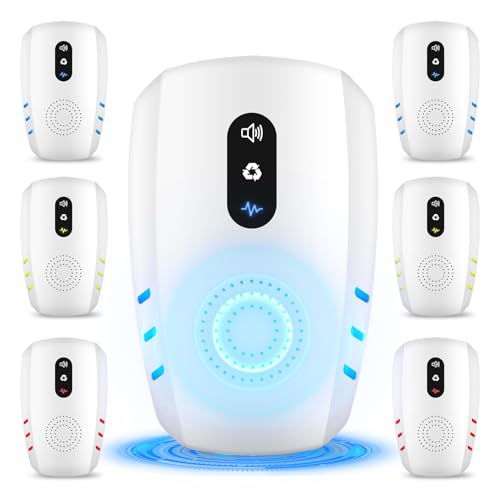
Jqely 2026 Upgraded Ultrasonic Indoor Pest Repeller 6 Pack

TERMX Ultrasonic Pest Repeller Indoor 4-Mode
Nameiec Rodent Repellent for Mouse & Rats, 1.41 Oz 24pc

PestXDrops Peppermint Rodent Repellent Balls 14 Pack

SAHETO Rodent Repellent 36 Balls, Peppermint Oil Mouse Repellent

MouseBlocker 1000x Plug-in Rodent Deterrent

Bonide Rat Magic Rodent Repellent, 5 lb. Granules
A Deeper Look At The Lineup
Rodents treat rubber weather stripping like a chew toy, and that bottom seal is exactly where most garage break-ins happen. This kit takes a different route than scent or sound: stainless steel strips mount along the door edge, creating a surface rats and mice physically cannot gnaw through.
The pack covers two doors with four 8-inch strips, which suits both residential garages and light commercial spaces such as small workshops. Unlike the ultrasonic options later in this list, there’s nothing to plug in and no scent to fade out over time.
Strong Points
- Stainless steel construction resists chewing, gnawing, and weathering year after year
- Targets the single most common entry point, the gap beneath the door seal
- One kit handles two doors, useful for detached garages with double bays
- Fits both residential and commercial door setups without modification
- No power, refills, or replacement cycles to manage once installed
Things To Consider
- Installation takes some effort with tools, unlike plug-and-play electronic units
- It blocks entry but does nothing about rodents already living inside the space
Key Specs
Who It Suits Best
Homeowners who want a permanent, low-maintenance fix at the door rather than an ongoing refill routine.
A Better Fit Elsewhere
Anyone dealing with rodents already nesting indoors will get faster results from the Jqely six-pack repeller, which works the interior space instead of the threshold.
Ultrasonic means sound above human hearing range, typically pitched high enough to irritate rodents while staying silent to you. This Jqely six-pack spreads multiple units around a space, which matters because high-frequency sound doesn’t travel well through walls or stacked storage boxes.
Each plug-in unit runs three modes, letting you adjust output depending on how stubborn the activity seems. Owners commonly report placing one near the garage door, one by shelving, and one near stored pet food for layered coverage.
What Works In Its Favor
- Six units in one package cover large garages or a garage plus adjoining rooms
- Three operating modes give you flexibility as conditions change
- Works against mice plus roaches, ants, spiders, and mosquitoes
- Simple outlet installation with zero cleanup afterward
Small Caveats
- Effectiveness depends on room layout, since solid objects block ultrasonic waves
- Needs a free outlet in each coverage zone, which older garages may lack
Made For
Anyone with a spacious garage or attached storage area who wants broad, chemical-free coverage from a single purchase.
Swap It Out When
For a smaller single-room space, the TERMX four-mode unit below delivers similar technology with fewer outlets tied up.
Where the Jqely pack spreads coverage across six outlets, this TERMX unit concentrates on doing one job well in a single spot. Four modes let you cycle through different output patterns, a design choice aimed at keeping rodents from acclimating to a constant tone.
The no-touch approach is the real draw here. There are no traps to empty, no bait to refresh, and no carcasses to deal with, which makes it a fit for anyone who dreads that side of rodent control. Plug it into an outlet near known activity and leave it alone.
Everyday Advantages
- Four modes vary the signal to reduce habituation over weeks of use
- Completely silent to people and common household pets
- No mess, no disposal, no consumables to reorder
Points To Note
- A single unit covers limited square footage, so big garages need several
- Results tend to build gradually rather than appearing overnight
Right Fit For
Renters and apartment dwellers who need a discreet, reversible solution they can take along when they move.
Where A Sibling Pick Shines
Larger two-car garages get better value from the Jqely six-pack, whose extra units fill corners a lone repeller can’t reach.
Scent-based deterrents work on a simple principle: rodents rely heavily on smell, and an overwhelming mint odor makes a space feel hostile to them. These 24 pouches use plant-derived peppermint oil rather than poisons or snap mechanisms, so nothing harmful sits within reach of curious pets or children.
Each pouch measures 1.41 ounces, sized to tuck into engine bays, behind water heaters, or along baseboards. That flexibility is why this format shows up in RVs, attics, and storage units as often as garages.
The Good Stuff
- Natural peppermint formula avoids traps, poison, and electronics entirely
- Safe placement near family areas, pets, and stored belongings
- Works indoors and outdoors, from basements to vehicle engine compartments
- 24 pouches distribute across many trouble spots at once
Worth Noting
- Scent fades over weeks, so pouches need periodic swapping to stay effective
- The mint aroma is noticeable up close, which some people enjoy and others don’t
Feature Snapshot
Who Will Love This
Households with pets or young children who want deterrence without introducing chemicals or lethal devices.
Reach For A Different Pick When
Outdoor perimeter work across soil and garden beds calls for the Bonide Rat Magic granules later in this list, which spread more easily over open ground.
This 14-pack takes the same peppermint concept as the Nameiec pouches but formats it as solid balls instead of sachets. The difference sounds minor until you’re placing them outdoors, where a firm ball resists moisture and crumbling far better than a fabric pouch.
They suit sheds, woodpiles, patio edges, and the strip of ground between your garage door and the yard. Plant-based ingredients mean rain runoff isn’t a concern the way it would be with chemical granules, though you’ll still want to keep them out of standing water.
The Value In It
- Solid ball format holds up better in damp outdoor conditions than pouches
- Strong mint scent creates a deterrent zone without sprays or traps
- Fourteen balls cover a typical shed-and-garage perimeter comfortably
Less Ideal Details
- Fewer pieces per pack than competing scent products on this list
- Outdoor exposure shortens scent life compared with indoor placement
Best Suited To
Homeowners focused on the exterior approach, pushing rodents away from the building before they ever reach the door.
Another Choice May Suit
Interior garage shelves and closets are better served by the Nameiec 24-piece pouches, which offer more units for enclosed spaces.
Thirty-six balls is the headline here, nearly triple the PestXDrops count and half again the Nameiec pouch quantity. For anyone protecting multiple vehicles, a garage, and a garden shed simultaneously, that volume changes the math considerably.
The formula leans on peppermint oil to build a scent barrier that discourages entry rather than harming anything that wanders close. Placement flexibility runs from under the hood of a stored car to the back corner of an RV bay, and owners commonly report rotating balls every few weeks as the aroma mellows.
A Favorable Mix
- 36 balls stretch across cars, RVs, gardens, and the garage in one buy
- Non-invasive scent barrier suits households avoiding traps and poison
- Long-lasting protection reported when balls are rotated on schedule
- Works equally well indoors and out
Details To Watch
- Ball size limits placement in very narrow gaps compared with flat pouches
- Requires occasional repositioning to maintain a strong scent line
Core Details
Who Should Grab It
Multi-vehicle households and property owners covering several structures at once, where per-unit cost matters.
Not Your Match When
A single small garage needs less volume, and the PestXDrops 14-pack handles that scope without leftover stock sitting in a drawer.
Most plug-in repellers are designed for bedrooms and kitchens. This one was engineered specifically for garages and outbuildings, producing a heavy percussive ultrasonic pulse meant to make an entire structure uncomfortable for rodents rather than just one room.
That focus shows in the intended use list: cars, trucks, motorcycles, snowmobiles, RVs, boats, and tractors. Anyone who has paid for chewed wiring harness repair knows why parked vehicles are worth protecting specifically. One consideration worth weighing: the stronger output is tuned for unoccupied utility spaces, not living areas.
Everyday Wins
- Percussive ultrasonic output designed for whole-building coverage, not single rooms
- Purpose-built for garages where vehicles sit vulnerable for days at a time
- Simple plug-in setup with no refills, baits, or disposals
- Protects seasonal equipment like snowmobiles and boats during storage months
Factors To Consider
- Requires a working outlet inside the garage or building
- Output strength makes it better suited to utility spaces than finished rooms
Product At A Glance
Whose Shelf It Belongs On
Vehicle collectors and rural property owners storing expensive equipment in detached garages through long off-seasons.
Consider Something Else When
Finished garages doubling as gyms or offices pair better with the quieter TERMX unit, which keeps output gentler for occupied rooms.
Everything before this point protects structures. Bonide’s Rat Magic protects the ground around them, coming as five pounds of ready-to-use granules you shake directly onto soil, mulch, or gravel paths. No mixing, no spraying, no measuring.
The blend relies on essential oils to discourage rats, chipmunks, and squirrels from treated zones. Typical placement circles foundations, garden beds, bird feeders, trash cans, and barn perimeters, forming a scented ring that nudges rodents toward easier territory. Rain eventually dilutes the effect, so reapplication after heavy weather is part of the routine.
Practical Pluses
- Ready-to-use granules spread in minutes with no mixing or equipment
- Five pounds covers substantial foundation and garden perimeters
- Essential-oil blend targets rats, chipmunks, and squirrels alike
- Versatile around sheds, stables, feeders, and refuse areas
Trade Offs To Consider
- Outdoor-only application, so it won’t address activity inside the garage
- Weather exposure means repeat applications follow significant rainfall
Quick Facts
The Right Fit
Gardeners and rural homeowners defending yards, sheds, and foundations before rodents ever reach a door.
Skip It When
An active indoor infestation calls for the Xcluder door shield paired with an interior ultrasonic unit instead of ground treatment alone.
What Matters Most Before Choosing Rat Repellents For Garage
Match The Method To The Problem
Physical barriers stop new entries but won’t evict current residents. Scent deterrents and ultrasonic units push rodents out of spaces they’ve already claimed. Diagnose first: fresh droppings inside mean interior tools, while gnawed door seals point to a threshold fix like the Xcluder shield.
Coverage Area And Layout
Ultrasonic sound reflects poorly around dense clutter, and a packed garage full of shelving creates shadows where the signal never reaches. Count your outlets honestly too. A six-unit pack only helps if six sockets exist in sensible spots.
Household Safety Priorities
Homes with pets, children, or curious dogs that sniff everything do best with plant-based pouches and granules. Electronic units avoid chemicals entirely, while physical barriers involve nothing ingestible at all.
Ongoing Maintenance Reality
Every method demands some upkeep. Scent products fade and need rotation, granules wash away in rain, and even a steel shield deserves an annual inspection. Choose the routine you’ll actually follow through on.
Key Considerations Across These Picks
Traps First Timers Fall Into
The classic error is buying one device for a three-car garage and expecting miracles. Sound and scent both fade with distance, so spread multiple units or pouches along walls and corners. Another slip: ignoring the entry point entirely. Interior repellents work far better once a physical fix seals the door gap.
The Case For Spending Up
Higher-tier options earn their cost through durability and coverage. A stainless steel shield is a one-time install measured in years, while budget scent packs need constant replenishment. Purpose-built units like the MouseBlocker 1000x also justify their premium by targeting garages specifically rather than adapting indoor tech.
Frequently Asked Questions
Do ultrasonic repellers really work in garages?
They can help, though results depend heavily on layout since clutter blocks high-frequency sound. Multiple units placed strategically perform noticeably better than a single device.
How long do peppermint repellent balls last?
Most hold a noticeable scent for several weeks before fading. Rotating or replacing them monthly keeps the deterrent barrier consistent.
Can rats chew through garage door seals?
Yes, rubber and vinyl weather stripping offers little resistance to determined gnawing. Stainless steel shielding exists precisely because softer materials fail.
Are scent-based repellents safe around pets?
Peppermint-oil products are generally formulated to be non-toxic to household animals. Strong aromas can bother sensitive noses, so place pouches away from pet resting spots.
Should I combine multiple repellent types?
Layered approaches tend to outperform any single method. Pairing a door barrier with interior scent or sound deterrents covers both entry and habitation.
Wrap Up
Your garage’s weak points should drive the choice. Chewed door seals call for the Xcluder shield, parked vehicles deserve the MouseBlocker 1000x, and shared family spaces favor the Nameiec pouches. Whatever combination fits, act before winter drives rodents indoors, because prevention costs far less than rewiring a car. Start with the entry points, then work inward.
