

Red-eared sliders are messy, active swimmers, and the gear around them makes or breaks daily care. A weak filter or the wrong substrate turns a fun habitat into a chore within a week. This roundup covers tanks, filtration, substrate, and water conditioning that hold up in real living rooms, not just product photos. Whether you’re setting up a hatchling’s first home or upgrading an adult’s enclosure, there’s a fit here for your space and your schedule.
A Side-By-Side Look
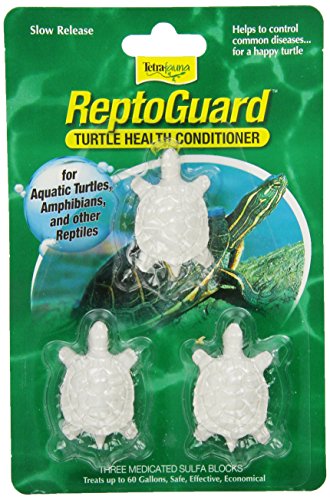
TetraFauna ReptoGuard Turtle Health Conditioner 3 Count
REPTI ZOO 10 Gallon Reptile Tank Glass Terrarium Sliding Screen Top

TARARIUM Turtle Tank Filter Adjustable 20-75 Gal 290GPH
REPTI ZOO Full Glass 15 Gallon Reptile Tank

Zoo Med Aquatic River Pebbles for Turtle 10 lbs.

Clioran Turtle Tank with Lid Red Eared Slider Habitat Small White

Geegoods Turtle Tank with Multi-Function Areas
The Details Behind The Selections
Turtle water goes sour fast, and this slow-dissolving conditioner block is the low-effort answer most keepers reach for. You drop it in, it releases gradually, and it works on aquatic turtles plus amphibians and other reptiles sharing the setup.
The three-count format suits a routine: one block per interval, spares on the shelf. In a busy household where full water changes slip a day or two, that buffer matters more than any single spec sheet line.
What Pays Off
- Slow-release dosing means less frequent handling of the water column
- Works across turtles, amphibians, and other reptiles in shared enclosures
- Three blocks per pack stretch a maintenance season without reordering
- No measuring or mixing, which keeps weekly care simple
Things To Consider
- A conditioner supports water quality but doesn’t replace regular partial changes and solid filtration
Key Specs
Made For
Busy keepers running established aquatic turtle tanks who want dependable water support between scheduled cleanings.
Where A Sibling Pick Shines
Keepers prioritizing heavy mechanical waste removal should pair this with the TARARIUM Turtle Tank Filter, whose three-stage system handles debris directly.
This 20 by 12 by 10 inch glass terrarium earns its spot through visibility. The patented design gives you a 360 degree view of the landscape, so a hatchling slider stays in sight from any angle in the room rather than just the front pane.
The sliding screen top opens with a lift-and-pull motion, and its full mesh surface lets UVB light and fresh air pass through while a built-in feeding hole saves you from removing the whole lid at mealtime. Assembly reportedly takes about two minutes, which is welcome after unboxing glass.
The Helpful Details
- Full-view glass means better observation and easier health checks on small turtles
- Screen top supports ventilation plus UVB penetration for basking needs
- Dedicated feeding hole cuts lid handling during daily routines
- Transparent PVC tray holds water and substrate without leaking onto furniture
Small Caveats
- Ten gallons fills quickly as a slider grows, so plan an upgrade path early
- Glass panels deserve careful transport and a level surface to avoid stress points
Who Should Grab It
Apartment dwellers and first-time keepers housing a baby slider or small reptile where floor space is tight.
Swap It Out When
Anyone needing extra swimming volume should step up to the REPTI ZOO Full Glass 15 Gallon Tank instead.
Sliders produce more waste than fish of similar size, so filtration capacity is the spec that actually matters here. This internal unit moves up to 290 GPH (gallons per hour, a measure of how much water cycles through the media) and covers tanks from 20 to 75 gallons depending on the model you choose.
The waterfall-style output adds surface agitation, which helps oxygen exchange in a heavily stocked turtle tank. Because it’s internal, there’s no external plumbing to hide, though you’ll want clearance behind the rim for maintenance access.
The Upside
- Double-sided dense sponge catches debris, leftover food, and fine particles before they circulate
- Ceramic bio-balls provide porous surface area where beneficial bacteria break down waste
- Adjustable flow lets you dial output down for hatchlings or up for adults
- Operates at low water levels, useful in turtle setups kept partially filled
Points To Note
- Sponge media needs rinsing every week or two in turtle tanks, more often than in fish-only aquariums
- An internal unit occupies swimming space inside smaller enclosures
Quick Facts
Right Fit For
Intermediate keepers running 40-plus gallon adult slider tanks who want strong turnover without canister-filter complexity.
Another Choice May Suit
Smaller nursery setups are better served by the Geegoods Multi-Function Tank, which bundles a matched filter with the enclosure itself.
Where the smaller REPTI ZOO 10 gallon leans compact, this 15 gallon version trades footprint for volume, and that extra five gallons buys meaningful swim room for a growing semi-aquatic pet. The full-glass construction gives an unobstructed view from every side, handy for spotting appetite changes or shell issues early.
The top screen uses thinner mesh wire than typical lids, letting more UVA, UVB, and infrared heat reach the basking area. With only a top opening, escape routes stay closed and feeding stays simple.
Useful Touches
- Thinner mesh top maximizes UVB and heat penetration compared with standard screens
- Single top opening prevents escapes and speeds up feeding
- Transparent PVC bottom tray contains water and substrate cleanly
- Extra volume over the 10 gallon model extends usable time before an upgrade
Worth Bearing In Mind
- Fifteen gallons still suits juveniles best; adult sliders eventually need substantially more water volume
- Full glass weighs noticeably more once filled, so choose the stand location before filling
Details At A Glance
Who Will Love This
Keepers moving a juvenile slider out of a starter kit who want quality glass without committing to a large aquarium yet.
Reach For A Different Pick When
Shoppers wanting a complete out-of-box habitat with accessories included will find the Geegoods kit more convenient.
Substrate is the detail new keepers get wrong most often, and these smooth river pebbles remove the guesswork. Zoo Med formulates them specifically for fully aquatic species like red-eared sliders, map turtles, painted turtles, musk turtles, and cooters, sizing each stone so it can’t be swallowed accidentally during feeding frenzies.
The pebbles arrive pre-washed, which cuts the usual rinse-and-repeat prep down to a quick check before laying them in. Ten pounds covers a modest tank floor; larger enclosures will want a second bag for even coverage.
Where It Helps
- Smooth rounded surfaces protect shells and soft undersides during bottom-walking
- Pre-washed straight from the bag, saving significant prep time
- Natural riverbed look pairs well with live plants and driftwood
- Species-matched sizing reduces ingestion risk in eager eaters
Less Ideal Details
- Not suitable for softshell turtles, whose delicate plastrons need sand instead
- Debris settles between stones, so a gravel vacuum becomes part of the cleaning routine
Core Details
Whose Shelf It Belongs On
Owners of hardy aquatic species like sliders and painted turtles who want natural-looking, low-risk flooring.
Consider Something Else When
Softshell turtle keepers should skip pebbles entirely and research fine-sand options suited to sensitive skin.
First tanks live or die on cleanup ease, and this white starter habitat attacks that problem directly with a bottom drainage outlet. Instead of scooping or siphoning during water changes, you open the drain and let old water exit, then refill. For anyone keeping a baby slider indoors, that single feature reshapes the weekly routine.
The included lid doubles as an anti-escape barrier, which matters because young sliders are surprisingly determined climbers. Accessories come bundled, so the kit functions as a complete starting point rather than a bare shell.
Notable Upsides
- Bottom drain makes water changes dramatically faster than scoop methods
- Secure lidded design stops escapes in curious juveniles
- Accessories included mean fewer separate purchases at setup
- Compact indoor footprint fits desks, counters, and small apartments
Trade Offs To Consider
- Small overall capacity means planning a larger home as your turtle matures
- Plastic construction can pick up scratches over years of routine cleaning
The Right Fit
New keepers bringing home a baby red-eared slider who value fast, low-mess maintenance above expandability.
Not Your Match When
Keepers wanting glass clarity and longer usable lifespan may prefer the REPTI ZOO Full Glass 15 Gallon Tank despite losing the drain feature.
This kit thinks in zones rather than a single water box. There’s a basking platform, a non-slip crawling area, a diving pool, and dedicated breeding and hibernation sections, all laid out so a small turtle can move between rest, feed, and play without rearranging anything. Compared with the bare-bones Clioran starter, it arrives far closer to finished.
The bundle covers the essentials: tank, plastic tree, light fixture, filter, and decorative colored stones. Assembly is designed to be straightforward, and the transparent blue material lets you watch activity throughout the day.
A Favorable Mix
- Multi-zone layout encourages natural basking, swimming, and crawling behavior
- Complete accessory list removes the need for separate fixture shopping
- Built-in light and filter handle the two hardest setup tasks
- Non-slip crawl surfaces reduce slips during land excursions
Factors To Weigh
- Sized for small turtles under roughly 2.5 inches, so growth demands a bigger enclosure later
- Included filter is basic; heavier waste loads benefit from the TARARIUM unit as an add-on
Feature Snapshot
Who It Suits Best
Families setting up a first habitat for a baby red-eared slider or small amphibian who want everything in one box.
Look Elsewhere When
Adult slider owners needing serious water volume should build around a large glass tank with the TARARIUM filter instead.
What Matters Most Before Choosing Red Eared Slider Tank Setups
Size Now, Not Later
Sliders grow quickly, and a tank that fits a hatchling cramps an adult within a couple of years. Plan for the mature size of your turtle, or budget for a staged upgrade. Floor space matters as much as height since these animals swim horizontally.
Filtration Capacity
Turtles are far messier than fish, so a filter rated for your tank size often underperforms in practice. Oversizing by one tier keeps water clearer between changes. Look for multi-stage designs combining mechanical sponge capture with biological media like ceramic bio-balls.
Basking And Light Access
A dry, heated basking spot with UVB penetration isn’t optional equipment; it’s core habitat. Screen tops that admit UVB and infrared heat make lamp placement easier. Confirm the lid design allows proper fixture mounting before purchasing.
Cleaning Realism
Be honest about your schedule. Drain outlets, pre-washed substrate, and slow-release conditioners all reduce weekly effort. The right setup is one you’ll actually maintain consistently, not the most impressive one on paper.
Key Considerations Across These Picks
Traps First Timers Fall Into
The classic error is buying for the turtle you have today. Hatchlings double in size fast, and cramped water leads to cloudy conditions and stressed animals. Another common miss is pairing a big tank with an undersized filter, then fighting algae all year. Match filtration generously from day one.
Where The Extra Money Goes
Higher-tier glass tanks cost more because thicker panes, precise silicone seams, and refined screen tops last years longer than budget plastic. That durability shows up as fewer replacements and steadier temperatures. Spending up pays off most for keepers planning to stay in the hobby long term.
Frequently Asked Questions
How big should a red-eared slider tank be?
Adult sliders generally need substantial swimming volume, commonly cited around 10 gallons per inch of shell. Start larger than you think necessary to avoid an early upgrade.
Do sliders need a basking area?
Yes, every slider habitat requires a dry platform with heat and UVB lighting. Without it, shell and bone problems become likely over time.
Can I keep a slider in a 10 gallon tank?
Only very young hatchlings fit comfortably in that size. Plan a larger enclosure as growth continues.
How often should turtle tank water be changed?
Partial changes weekly work well for most setups, supported by strong filtration. Heavily stocked tanks may need more frequent attention.
Is substrate necessary in a slider tank?
It’s optional but beneficial for natural behavior and appearance. Choose smooth, appropriately sized material like river pebbles for safety.
Closing Thoughts
Building a great slider habitat comes down to matching gear to your turtle’s actual stage of life and your own maintenance habits. Start with adequate volume, oversize the filter, and add conveniences like drains or conditioner blocks where they genuinely save you time. Every item here solves a specific piece of that puzzle, so mix and match based on what your setup is missing. Your turtle will show its appreciation in clear water and steady appetite.
