

Salmon-based kibble has earned its place in a lot of homes, especially where chicken sensitivity or dull coats are part of daily life. The challenge is that the shelf is crowded, and bag sizes, formulas, and philosophies vary more than most shoppers expect. This roundup sorts eight well-regarded salmon dry dog foods by who they actually serve, from budget-friendly bulk bags to small-breed and grain-free specialists. Match the pick to your dog’s size, stomach, and your storage space, and mealtime gets simpler.
A Snapshot Of The Selections

Nutrish Salmon Dry Dog Food, 26 lb. Bag

Nutrish Salmon Dry Dog Food, 4.5 lb. Bag

Nutrish Salmon Dry Dog Food, 12 lb. Bag

Blue Buffalo Life Protection Formula Salmon Adult, 5 lb

Blue Buffalo Life Protection Formula Salmon Adult, 30 lb
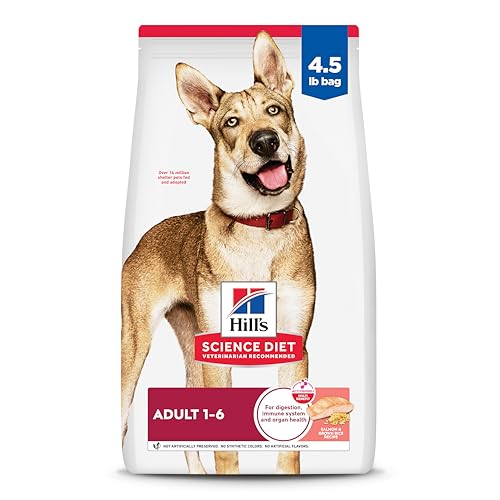
Hill’s Science Diet Adult 1-6 Dry Dog Food

Halo Holistic Small Breed Wild-Caught Salmon & Whitefish, 3.5 lb

Open Farm Grain Free Wild Caught Salmon Kibble, 4 lb
A Deeper Look At The Lineup
The 26-pound version of Nutrish’s salmon recipe is built for households that go through kibble fast. Real salmon sits at the top of the ingredient list, and the formula is reviewed by veterinarians and nutrition staff before it ships. For a two-dog home feeding twice a day, one bag covers weeks of meals without constant reordering.
The recipe targets adult dogs of every size, so mixed-breed houses don’t need separate bags. Storage is the main planning point: an airtight bin keeps the large volume fresh longer than the original packaging alone.
The Value In It
- Salmon listed first, which matters when you want named protein rather than vague meat meals leading the bowl
- Bulk sizing cuts down how often you reorder, a real convenience for busy weeks
- Suits small, medium, and large adults alike, simplifying multi-dog feeding
- Veterinarian-reviewed formulation adds a layer of confidence behind the label
Things To Consider
- A 26-pound bag needs dedicated sealed storage; left open, kibble can lose freshness within weeks
- Owners of picky eaters sometimes report a transition period before dogs fully accept a new fish recipe
Key Specs
Who It Suits Best
Owners of two or more adult dogs who want a straightforward salmon recipe without boutique pricing.
Where A Sibling Pick Shines
Single-dog homes will find the 12-pound Nutrish bag easier to handle and store while keeping the same recipe.
Switching foods is a slow business, and this 4.5-pound bag exists precisely for that phase. Same salmon-first recipe as the larger Nutrish bags, just sized so you can run a proper seven-to-ten-day transition without committing to 26 pounds your dog may reject. Apartment dwellers also appreciate that it fits a cabinet shelf with room to spare.
In our view, this is the smartest entry point into the recipe. Once your dog clears the transition, stepping up to the 12- or 26-pound bag makes sense.
Reasons It Performs
- Trial-friendly size lets you test palatability before buying bulk
- Identical salmon-first formula to the bigger bags, so results carry over
- Light enough to lift and pour one-handed, handy for smaller owners
Small Caveats
- Per-pound cost runs higher than the bulk bags, so it’s a bridge purchase rather than a long-term one
- A single small bag disappears quickly with a large dog, sometimes inside two weeks
Right Fit For
First-time food switchers and small-dog owners who want the Nutrish salmon recipe in a manageable quantity.
Swap It Out When
Once your dog accepts the flavor, the 26-pound Nutrish bag delivers the same food far more economically.
The middle child of the Nutrish lineup solves a specific problem: bulk savings without bulk weight. Twelve pounds is enough to feed a 30-pound dog for roughly a month, yet the bag stays light enough to carry from the car without a second trip. The recipe itself matches the other sizes, salmon first, complete nutrition for adults, vet-reviewed.
For most single-dog homes, this hits the sweet spot between the 4.5-pound trial bag and the 26-pound commitment. Freshness is easier to manage too, since you cycle through stock faster.
A Few Strong Suits
- Balances per-pound value against storage practicality better than either extreme
- Same salmon-led, veterinarian-reviewed recipe as the rest of the family
- Roughly a month of food for a mid-size dog means predictable reordering
- Kibble stays fresher because turnover is quicker than with jumbo bags
Points To Note
- Large-breed owners will still burn through it fast and may prefer the 30-pound Blue Buffalo below
- Like any opened kibble bag, it deserves a clip or bin once the seal breaks
Built With In Mind
Owners of one medium or small adult dog who reorder monthly and lack pantry space for oversized bags.
Another Choice May Suit
Households with multiple large dogs get better value per pound from the 30-pound Blue Buffalo Life Protection bag.
Chicken allergy suspicion is one of the most common reasons owners land on a salmon recipe, and Blue Buffalo built this one specifically for that crowd. The salmon and brown rice formula is chicken-free, paired with brown rice for steady energy, and rounded out with added vitamins and minerals. Unlike the Nutrish bags earlier in this list, the emphasis here is exclusion: what’s left out matters as much as what goes in.
The 5-pound size suits the elimination-diet phase, when you need a clean, single-protein window to observe how your dog responds.
Useful Touches
- Chicken-free formulation gives sensitive dogs a genuine alternative, not just a different flavor
- Brown rice base supports consistent energy through the day
- Natural ingredients with supplemental vitamins and minerals for balanced adult nutrition
- Part of a wide Life Protection range, so switching flavors later stays simple
Less Ideal Details
- Five pounds vanishes quickly with anything beyond a small dog
- Premium positioning means a higher per-pound spend than mainstream grocery brands
Details At A Glance
Who Will Love This
Owners running a careful food trial for a chicken-sensitive adult dog, especially in smaller breeds.
Reach For A Different Pick When
Confirmed success with the recipe calls for the 30-pound Blue Buffalo version, which stretches the same formula much further.
Everything true of the 5-pound Blue Buffalo applies here, scaled for serious appetites. Thirty pounds of chicken-free salmon and brown rice kibble feeds a large adult dog for well over a month, which changes the ownership math entirely. You order less often, pay less per pound, and stop thinking about food logistics for weeks at a stretch.
The trade-off is physical: this is a heavy bag, and you’ll want a wheeled container or a storage spot near the feeding station. Owners commonly report transferring it into a lidded bin on day one, and honestly, that’s the right move.
Real Benefits
- Best per-pound economics in the Blue Buffalo salmon range for committed households
- Chicken-free recipe remains the headline feature at every size
- Cuts reorder frequency dramatically for large-breed owners
What To Weigh
- Nearly 30 pounds of kibble demands sturdy sealed storage to protect freshness over months
- Awkward to lift and pour; a scoop-and-bin setup saves your back
- Overbuying risks staleness for single small dogs, so match the size to actual consumption
Whose Shelf It Belongs On
Large-breed or multi-dog homes already sold on the chicken-free salmon formula and equipped with an airtight bin.
Not Your Match When
Smaller households still trialing the recipe should start with the 5-pound Blue Buffalo bag before scaling up.
Hill’s approaches adult nutrition like an engineer: quality protein for lean muscle, natural fibers for digestion, omega-6 fatty acids for coat condition. The brand’s veterinary heritage shows in how precisely the formula targets dogs aged one through six, the years when maintenance matters more than growth or senior support. Compared with the marketing-forward Nutrish bags, Hill’s reads clinical, and some owners find that reassuring.
Multiple bag sizes, from small trial packs up to 33 pounds, make it easy to calibrate your order to your dog’s appetite.
What Pays Off
- Omega-6 content supports coat shine, a visible result many owners notice within weeks
- Natural fiber blend aids digestion, useful for dogs with inconsistent stools
- Wide size range from 4 to 33 pounds fits nearly any household rhythm
- Long-standing veterinary reputation behind the formula
Some Limits To Know
- Not grain-free, so dogs with grain sensitivities may do better with Halo or Open Farm below
- Flavor acceptance varies; some dogs take time to warm up to the profile
Quick Facts
The Right Fit
Owners of healthy adult dogs in their prime years who prioritize clinically grounded nutrition over trend-driven formulas.
Consider Something Else When
Dogs needing grain-free or small-breed-specific recipes are better served by the Halo Holistic option further down.
Small breeds eat less but often have touchier stomachs, and Halo builds its entire Holistic small-breed line around that reality. Whole wild-caught salmon and whitefish lead the recipe, with no rendered fish meals, plus a triple prebiotic, probiotic, and postbiotic blend aimed squarely at gut health. Grain-free too, with no corn, wheat, or soy, which sidesteps several common sensitivity triggers at once.
The 3.5-pound bag suits a ten-pound dog for weeks, and a 10-pound option exists once you’re confident. MSC-certified sourcing adds traceability you don’t get from the mass-market picks above.
Notable Upsides
- Whole wild-caught fish instead of fish meal, improving digestibility and nutrient retention
- Triple digestive support targets the small-dog stomach issues owners report most
- Grain-free with no corn, wheat, or soy, covering multiple sensitivity bases
- Omega fatty acid balance aimed at dry skin and coat shine
- L-carnitine and reduced fat help maintain lean body condition
Trade Offs
- Small bag sizes mean frequent reordering compared with the 30-pound Blue Buffalo
- Grain-free formulas cost more per pound than rice-based alternatives like Hill’s
Core Details
Who Should Grab It
Owners of small breeds with sensitive digestion or skin issues who want premium fish nutrition in right-sized bags.
Look Elsewhere When
Larger dogs with hearty appetites fit the Open Farm salmon kibble better, thanks to broader size availability.
Open Farm sits at the top of this list on sourcing ethics as much as nutrition. Wild-caught salmon anchors a grain-free, nutrient-dense kibble built from ethically raised proteins, non-GMO produce, and functional additions like pumpkin and coconut oil. Where Halo focuses on small breeds, Open Farm’s salmon recipe serves a wider range of dogs, with the brand’s catalog spanning beef, lamb, duck, turkey, and senior variants if you ever rotate.
You’re paying for transparency here, and depending on your priorities, that may be exactly the point. The 4-pound bag keeps things fresh between orders.
Where It Excels
- Ethically sourced, sustainably caught salmon with supply-chain transparency rare in the category
- Superfood additions like pumpkin and coconut oil support digestion and skin
- Non-GMO produce rounds out a short, readable ingredient list
- Complete and balanced for adult maintenance despite the grain-free format
Potential Sticking Points
- Premium pricing puts it above every other pick here on a per-pound basis
- Four-pound bags mean regular reorders for medium and large dogs
- Grain-free isn’t necessary for every dog, so confirm the need before committing
Feature Snapshot
Made For
Ingredient-conscious owners who treat sourcing ethics as non-negotiable and don’t mind paying for it.
A Better Fit Elsewhere
Budget-focused households wanting similar salmon-first simplicity will find the 26-pound Nutrish bag far kinder to the wallet.
What Matters Most Before Choosing Salmon Dry Dog Foods
Start With Your Dog, Not The Label
The best salmon food is the one matched to your dog’s age, size, and known sensitivities. A chicken-free formula like Blue Buffalo’s only matters if poultry is actually the problem, and grain-free recipes suit a narrower group than marketing suggests. Write down what you know about your dog’s digestion and skin before comparing bags.
Read The First Five Ingredients
Ingredient lists are ordered by weight, so the opening lines tell you where the protein really comes from. Named whole proteins such as salmon or whitefish signal a different formulation philosophy than generic meals. Halo’s whole-fish approach versus a rendered-meal recipe is a meaningful distinction worth understanding.
Size The Bag To Your Reality
Bulk bags save money per pound but only if your dog finishes them while the kibble is still fresh. A 30-pound bag makes sense for a Great Dane and a waste risk for a Chihuahua. Match bag size to monthly consumption and available sealed storage.
Plan The Transition
Any food change deserves a gradual switch over seven to ten days, blending increasing amounts of the new kibble into the old. Rushing the swap invites stomach upset that gets blamed on the food itself.
Key Considerations Across These Picks
Where Shoppers Go Wrong
The classic error is buying jumbo bags before confirming palatability, then watching expensive kibble go stale. Another frequent misstep is assuming grain-free automatically means healthier; plenty of dogs digest grains without issue. Skip both traps by starting small and observing your own dog.
What Separates Premium From Basic
Higher-tier foods spend on sourcing and formulation: wild-caught fish, certified supply chains, digestive blends, and named superfoods. That translates to tighter quality control and often better coat and stool outcomes. Whether it’s worth the premium depends on your dog’s sensitivities and your budget, not on the category’s hype.
Frequently Asked Questions
Is salmon dog food good for dogs with chicken allergies?
Many chicken-sensitive dogs tolerate salmon-based recipes well, and options like Blue Buffalo’s chicken-free formula exist specifically for this reason. Always confirm the specific allergy with your veterinarian before switching.
How long does an open bag of dry dog food stay fresh?
Most kibble holds peak freshness for four to six weeks after opening when stored in an airtight container. Larger bags should always be transferred to sealed bins to slow oxidation.
Can I mix salmon kibble with my dog’s current food?
Yes, blending old and new food over seven to ten days is the standard transition method. Gradually increase the new food’s share until the swap is complete.
Does grain-free salmon food suit all dogs?
No, grain-free formulations benefit dogs with specific grain sensitivities but offer no advantage for others. Discuss your dog’s history with a vet before choosing a grain-free diet.
What bag size should a first-time buyer choose?
Start with the smallest available size, typically 3.5 to 5 pounds, to confirm your dog accepts the recipe. Scale up to bulk sizes only after a successful transition.
Closing Thoughts
Every pick here earns its place for a different dog. Multi-dog homes get straightforward value from the Nutrish bags, chicken-sensitive pups have a clear path through Blue Buffalo, and small breeds with fussy stomachs are well covered by Halo. Open Farm rewards owners who care about sourcing as much as nutrition. Start with your dog’s actual needs, buy small first, and let the results guide the next bag.
