

A dog with a sensitive stomach turns every meal into a gamble. Loose stools, gas, and half-eaten bowls wear you down fast, especially when you can’t tell which ingredient is the culprit. This list covers the whole toolkit: therapeutic veterinary diets, everyday kibble built around prebiotics, wet food cups, a freeze-dried topper, and a probiotic chew, so you can match the fix to your dog’s actual problem rather than guessing.
The Shortlist At A Glance

Wellness Bowl Boosters Digestive Health Chicken Topper 4 oz

Hill’s Prescription Diet i/d Wet Dog Food

Hill’s Science Diet Adult 7+ Digestion Dry Dog Food
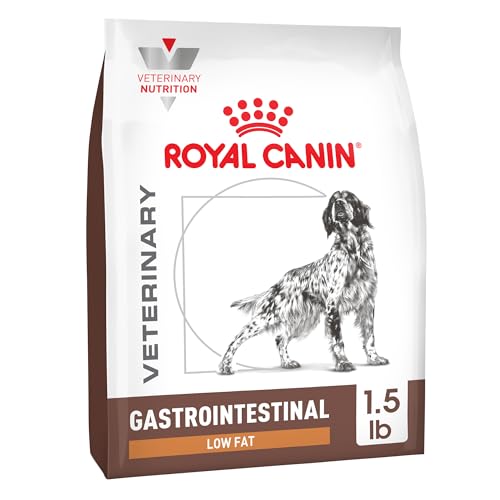
Royal Canin GI Low Fat Adult Dry Dog Food 1.5 lb

Purina Pro Plan Senior 7+ Salmon and Rice 4 lb Bag

Weruva Belly Belly Nice! Digestive Support Cups Pack of 10

Wellness CORE Digestive Health Chicken Kibble 4 lb

Carmelie Probiotic Chews for Dogs 200ct
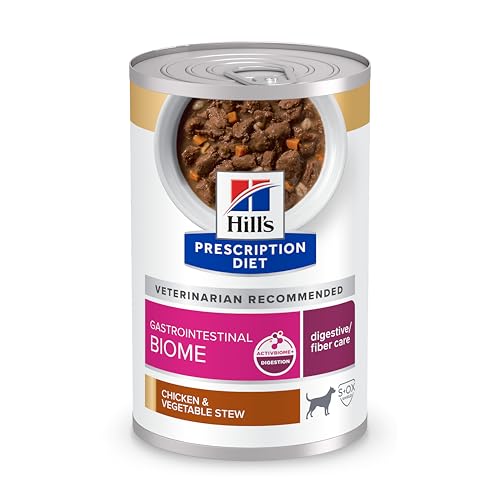
Hill’s Prescription Diet GI Biome Wet Dog Food
More Details On Our Top Picks
Sometimes the problem isn’t the food, it’s the boredom or the transition. This freeze-dried topper from Wellness lets you keep whatever kibble already agrees with your dog and sprinkle digestive support on top instead of starting over. The pieces mix freeze-dried chicken with fruits and vegetables, so a fussy eater gets a reason to finish the bowl.
The 4-ounce bag suits small dogs or trial runs; multi-packs stretch further for larger breeds. Because it’s a topper rather than a complete meal, you’re adding flavor and functional ingredients without rewriting your dog’s entire diet overnight.
Strong Points
- Freeze-dried format keeps the chicken aroma strong enough to tempt reluctant eaters.
- Works across small, medium, and large breeds, so one bag covers mixed-size households.
- Lets you test digestive-focused ingredients before committing to a full bag of new kibble.
- Grain-free recipe fits dogs already on grain-free routines.
- Tiny footprint in the pantry compared with storing a second full food.
Things To Consider
- A 4-ounce bag disappears quickly with big dogs, so heavy users will want the two-pack.
- It supplements rather than replaces meals, so severe digestive cases still need a complete diet change.
Who It Suits Best
Families with picky or transitioning dogs who want a low-commitment first step toward better digestion.
Where Another Pick Suits Better
Dogs needing a full therapeutic diet are better served by Hill’s Prescription Diet i/d Wet Dog Food below.
This is the stew-style option Hill’s nutritionists and veterinarians built specifically for settling digestive upsets in adult dogs. The highly digestible formula exists so nutrients absorb easily even while the gut is irritated, which matters most during recovery weeks after vomiting or diarrhea episodes. The ActivBiome+ prebiotic fiber blend feeds beneficial gut bacteria, a concept worth knowing: prebiotics are fibers that nourish good microbes rather than adding live ones.
Being wet food, it also helps with hydration, something dehydrated dogs often need. The chicken and vegetable stew texture tends to go down easily with dogs who refuse bland kibble during rough patches.
What We Like
- Clinically formulated nutrition aimed at calming digestive upsets.
- Highly digestible recipe supports nutrient absorption when the gut is compromised.
- Stew format adds moisture and appeals to dogs off their food.
Worth Noting
- Prescription diets are meant to be used under veterinary direction, so confirm fit with your vet first.
- Canned feeding costs more per serving than dry kibble over time.
Quick Facts
Made For
Adult dogs in active digestive recovery whose veterinarian has recommended a therapeutic gastrointestinal diet.
Consider Something Else When
Healthy seniors needing maintenance support will find Hill’s Science Diet Adult 7+ Digestion Dry Dog Food more practical day to day.
Senior dogs face a double challenge: aging guts and aging joints. This Science Diet formula tackles both, pairing the same ActivBiome+ prebiotic technology found in the prescription i/d line with whole grain oats and pumpkin, two ingredients long used to firm up stools. Hill’s states the blend promotes regularity within about a week, which gives you a clear window to judge results.
Chicken leads the ingredient list, and the balanced nutrition profile targets overall wellness rather than digestion alone. Available in 3.5-pound trial bags and a 22-pound bulk option, it’s easy to start small before committing to the big bag.
Bright Spots
- Prebiotic blend plus pumpkin and oats targets stool quality directly.
- Chicken as the first ingredient keeps protein quality high.
- Formulated for dogs seven and older, covering senior-specific needs.
- Small trial bag makes the switch low-risk.
Minor Gripes
- Some owners report a transition period of loose stools during the first week of switching.
- Kibble size may be large for very small senior mouths.
- Not grain-free, so grain-sensitive dogs need a different route.
At A Glance
Right Fit For
Owners of senior dogs wanting an over-the-counter daily kibble that addresses both digestion and general wellness.
Look Elsewhere When
Fat-intolerant dogs do better on Royal Canin GI Low Fat, which is engineered specifically for fat sensitivity.
Fat is one of the hardest things for a compromised gut to process, and that’s exactly the gap this Royal Canin veterinary diet fills. The kibble is deliberately low in fat yet still flavorful, aimed at dogs who struggle to digest or tolerate fat in ordinary food. A blend of dietary fibers works alongside prebiotics to support the microbiome, the community of bacteria living in the intestinal tract.
The 1.5-pound bag is genuinely useful here: veterinary diets should be vet-approved, and a small bag lets you trial it without waste. Larger 6.61, 17.6, and 28.6-pound bags cover long-term feeding once your vet confirms it’s working.
Plus Points
- Low-fat formulation designed for fat-digestion difficulties.
- Prebiotics help maintain healthy gut bacteria balance.
- Fiber blend supports stool consistency and digestive function.
- Four bag sizes suit everything from trials to multi-dog homes.
Points To Note
- As a veterinary diet, it requires professional guidance before use.
- The small starter bag runs out fast for medium and large dogs.
Details At A Glance
Who Should Grab It
Dogs diagnosed with fat intolerance or pancreatitis-prone digestion whose vet has pointed them toward a low-fat therapeutic diet.
Swap It Out When
Dogs whose issue is fiber balance rather than fat handling may get more from Hill’s Prescription Diet GI Biome Wet Dog Food.
Where the Hill’s senior formula leans on prebiotics, Purina Pro Plan takes a broader swing at senior health. Salmon sits at the top of the ingredient list, backed by oatmeal and rice, a combination chosen because it digests easily and helps maintain stool quality. At 29% protein, it supports lean muscle in older dogs who still move a lot.
The joint story matters too: glucosamine and EPA, an omega-3 fatty acid, target mobility, while natural prebiotic fiber and antioxidants cover digestion and immune function. One bag, four jobs. The honest trade-off is that it’s a sensitive-skin-and-stomach formula rather than a dedicated GI therapeutic diet, so serious digestive conditions need stronger medicine.
Highlights
- Salmon-first recipe brings omega-3s along with flavor most dogs accept readily.
- Oatmeal and rice base is gentle and supports consistent stools.
- Glucosamine plus EPA addresses joint comfort alongside digestion.
- 29% protein helps seniors hold onto muscle mass.
Softer Spots
- It’s a maintenance formula, not a treatment for diagnosed GI disease.
Who Will Love This
Active senior dogs with mild stomach sensitivity whose owners want one food covering joints, skin, and digestion together.
Another Choice May Suit
Seniors focused purely on gut regularity will find the targeted prebiotic approach of Hill’s Science Diet Adult 7+ a tighter match.
Weruva built its reputation on human-grade-style wet recipes, and this variety pack applies that approach to digestion. Each 3.5-ounce cup folds in pumpkin, quinoa, and inulin, a prebiotic fiber extracted from plant roots that feeds good gut bacteria. Four different recipes fill the ten-cup box, which solves a real problem: dogs tire of single-flavor wet food faster than anything else in the pantry.
The cups also shine as toppers or partial meal replacements for dogs moving off rich foods. Recipes skip grains, gluten, and carrageenan, a thickener some owners prefer to avoid, giving the line a clean-label feel.
Reasons To Buy
- Pumpkin, quinoa, and inulin deliver genuine digestive-support ingredients.
- Four rotating recipes keep mealtime interesting for fussy dogs.
- Single-serve cups mean no messy cans half-stored in the fridge.
- No grains, gluten, or carrageenan in the recipes.
- Doubles as a topper for kibble-based diets.
Small Caveats
- At 3.5 ounces per cup, large-breed dogs need several cups per meal, which adds up.
- Wet food spoils quickly once opened, so leftovers need refrigeration.
Core Details
The Right Fit
Small and medium dogs already eating wet food whose owners want digestive benefits baked into every serving.
Reach For A Different Pick When
Dry-kibble households get better value from Wellness CORE Digestive Health, which delivers similar gut support in kibble form.
This is the everyday workhorse of the list. Wellness coats each piece of this high-protein kibble with guaranteed levels of probiotics, meaning live beneficial bacteria applied after cooking so they actually survive in the bag. Digestive enzymes and a proprietary prebiotic fiber blend round out the gut-support stack, all in a wholesome-grain recipe designed for sensitive stomachs.
The lineup covers small, large, and standard breed sizes in chicken, plus a whitefish variant, so sizing isn’t an afterthought. Compared with the Weruva cups earlier, this one costs less per serving and stores for months, though it lacks the moisture content that helps some dogs.
Standout Traits
- Probiotic-coated kibble delivers live cultures with every meal.
- Digestive enzymes aid breakdown of proteins and fats.
- High protein supports muscle without upsetting sensitive stomachs.
- Breed-specific variants handle kibble-size differences properly.
- Available up to 24 pounds for multi-dog savings.
Room For Improvement
- Contains grains, ruling out grain-sensitive dogs.
- Probiotic coatings can degrade in hot storage, so cool, dry pantry space matters.
- Transition periods commonly bring temporary stool changes.
Whose Shelf It Belongs On
Owners of adult dogs with ongoing mild sensitivity who want a dependable daily kibble rather than a therapeutic diet.
Not Your Match When
Dogs needing clinical intervention belong on a veterinary formula like Royal Canin GI Low Fat instead.
Not every digestive problem calls for new food. These soft chews layer three kinds of support into one treat: probiotics rated at 4.5 billion CFU across six strains, digestive enzymes to help break down meals, and prebiotics, with inulin and FOS feeding the good bacteria once they arrive. CFU simply means colony-forming units, the standard measure of live probiotic strength.
The 200-count tub stretches roughly several months for a medium dog, making it one of the cheapest ways to add gut support to an existing diet. Owners commonly reach for chews like these during food transitions, stressful boarding stays, or seasonal tummy wobbles.
Upsides
- Combines probiotics, enzymes, and prebiotics in a single chew.
- Inulin and FOS prebiotics also support immune function through gut health.
- Large 200-count supply reduces how often you reorder.
- Works alongside any food on this list without another diet change.
Honest Caveats
- Chews are treats, not medication, so persistent symptoms still warrant a vet visit.
- Soft chews can dry out once the tub is opened frequently.
Feature Snapshot
Built With In Mind
Dog owners who want supplemental gut support without changing their pet’s current food at all.
Skip It When
Dogs with diagnosed GI conditions need a therapeutic diet such as Hill’s Prescription Diet i/d rather than a supplement.
Chronic loose stools are where this chicken and vegetable stew earns its place. Unlike the i/d formula reviewed earlier, which focuses on settling acute upsets, GI Biome is a high-fiber therapeutic diet built around ActivBiome+ technology shown to rapidly activate beneficial gut bacteria. Soluble and insoluble fibers sit in deliberate balance, since each type does different work: soluble fiber gels and slows digestion, insoluble fiber adds bulk and speeds things along.
High levels of DHA and EPA omega-3 fatty acids add anti-inflammatory-leaning nutritional support. Hill’s notes the formula also promotes a urinary environment that reduces the risk of certain crystal formation, a quiet bonus for dogs prone to urinary issues.
Positives
- Balanced soluble and insoluble fibers promote regular bowel movements.
- ActivBiome+ rapidly activates beneficial gut bacteria.
- Rich in DHA and EPA omega-3 fatty acids.
- Wet stew format boosts hydration and acceptance.
Areas To Watch
- Requires veterinary consultation before starting, as with all Prescription Diets.
- Opened cans need refrigeration and lose appeal within days.
Spec Overview
Perfect Match For
Dogs with chronic stool irregularity whose veterinarian has identified fiber-responsive digestive imbalance.
Where A Sibling Pick Shines
Dogs facing short-term upset rather than chronic issues recover well on the gentler Hill’s Prescription Diet i/d instead.
What Matters Most Before Choosing a Sensitive Stomach Formula
Match the Fix to the Problem
Occasional soft stools point toward prebiotic kibble or a supplement, while recurring diarrhea, vomiting, or weight loss deserves a veterinary exam first. Therapeutic diets like Royal Canin GI Low Fat and Hill’s GI Biome exist precisely because some conditions need clinically formulated nutrition, not a grocery-shelf swap. Getting the diagnosis right saves months of trial and error.
Read the Fiber Story
Fiber type matters more than fiber amount. Pumpkin and oats lean gentle and bulking, inulin and FOS feed gut bacteria directly, and balanced soluble-insoluble blends target irregularity from both directions. Check which approach a formula uses before assuming all “digestive” labels mean the same thing.
Plan the Transition
Even the right food causes temporary upset when switched cold turkey. Blend increasing amounts of the new food into the old over seven to ten days, and keep a probiotic chew like the Carmelie on hand to smooth the rough edges. Watch stool quality daily during the switch; it’s your clearest signal of whether the formula suits your dog.
Factor In Format and Budget
Wet food wins on hydration and picky-dog appeal but costs more per calorie and spoils fast once opened. Kibble stores for months and suits large dogs economically. Many owners land on a hybrid: quality kibble as the base, a Weruva cup or Wellness topper layered on top for interest and extra gut support.
Key Considerations Across These Picks
Traps First Timers Fall Into
The biggest mistake is buying a “sensitive stomach” label without checking what it actually contains; some rely on limited ingredients, others on added fiber, and they solve different problems. Starting a prescription diet without veterinary guidance is the second trap, since these formulas treat specific diagnoses. Skipping the gradual transition ranks third, and it ruins otherwise good matches.
When Paying More Pays Off
Therapeutic diets cost more because they carry clinical research, controlled nutrient levels, and veterinary oversight behind them. That premium is worth paying for diagnosed conditions, and wasted money for a healthy dog who just needs a prebiotic kibble. Spend up when a professional has identified the problem; spend smart everywhere else.
Frequently Asked Questions
How long before a digestive dog food shows results?
Most formulas need two to four weeks of consistent feeding before stool quality stabilizes. Some brands, including Hill’s, suggest noticeable regularity changes within about a week.
Can I mix a topper with prescription food?
Ask your veterinarian first, since additions can alter the carefully balanced nutrient profile of a therapeutic diet. Non-prescription diets generally tolerate toppers freely.
Are grains bad for dogs with digestive issues?
Not necessarily; whole grains like oats and rice digest easily and provide useful fiber. Grain sensitivity affects a minority of dogs, so grain-free isn’t automatically better.
Do probiotic chews really work?
Multi-strain chews with meaningful CFU counts can support gut balance, particularly during transitions or stress. They complement good nutrition rather than replacing it.
Should I see a vet before switching foods?
Yes, whenever symptoms persist beyond a few days, involve blood, or come with weight loss. Mild occasional looseness usually doesn’t require a visit.
Closing Thoughts
Your dog’s gut decides how they feel every single day, so it deserves a deliberate choice rather than a shelf grab. Start by identifying whether the problem is acute, chronic, or just fussiness, then match the tool: a topper for picky eaters, prebiotic kibble for maintenance, a therapeutic diet for diagnosed conditions. Give any new formula a fair two-week run, keep notes on stool quality, and loop in your vet when things don’t improve. The right answer is usually simpler than it looks from the outside.
