

Chicken hides in more dog food than most owners realize. By-product meals, flavorings, even some treats carry poultry proteins that can leave a sensitive dog scratching at 2 a.m. This list focuses on salmon, lamb, turkey, and beef recipes built without chicken, plus one supplement option for dogs whose itching needs extra support alongside a diet change.
The Shortlist At A Glance

Blue Buffalo Homestyle Recipe Wet Dog Food Variety Pack 12.5 oz

Blue Buffalo Life Protection Formula Salmon Adult Dry Dog Food 5 lb

Nutro Limited Ingredient Diet Dry Dog Food, Lamb & Sweet Potato, 4 lb

Blue Buffalo Basics Salmon Adult Grain-Free Dry Dog Food, 4 lb

Whole Paws Grain Free Salmon & Peas Dog Food 64 Ounce

CANIDAE Pure Farm to Bowl Dog Food, Wild-Caught Salmon & Barley, 4 lb
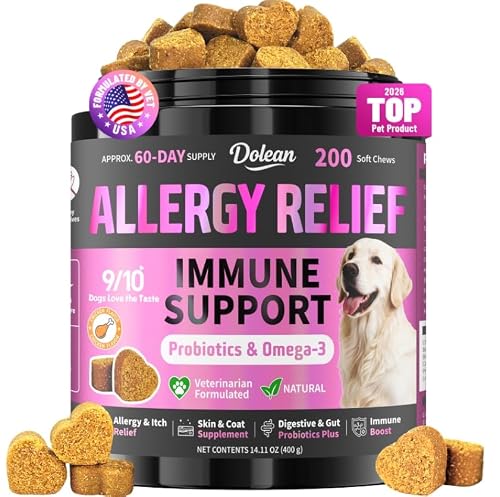
Dolean Dog Allergy Chews 200 Count

Hill’s Science Diet Sensitive Stomach & Skin Dry Dog Food
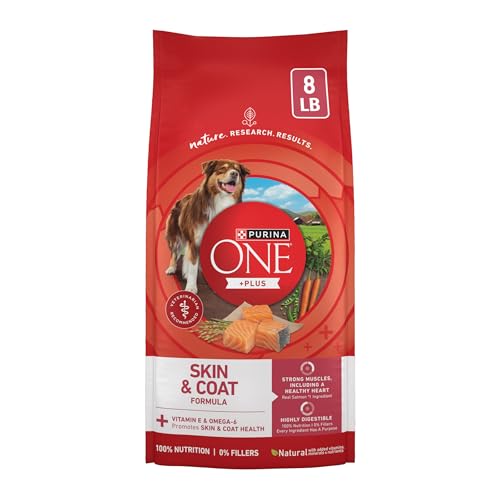
Purina ONE Plus Skin & Coat, Sensitive Stomach Dry Dog Food, 8 lb Bag
More Details On Our Top Picks
Wet food earns its place in a chicken-allergy plan because it tempts dogs whose appetite has gone flat on plain kibble. This six-can variety pack arrives in 12.5-ounce portions sized for single meals or mix-in toppers, with lamb, turkey, and beef-forward recipes rather than poultry-heavy ones.
In a busy household, the format matters as much as the recipe. Pop a can, stir it into dry food, and even a stubborn eater cleans the bowl. Owners commonly report the pate texture mixes cleanly without leaving greasy residue in the bowl.
Strong Points
- Lamb, turkey, and beef recipes give you rotation options without reintroducing chicken
- The 12.5-ounce can covers a full meal for medium dogs or several topper servings for small ones
- Wet texture helps older dogs with dental trouble keep eating comfortably
- Variety packing means less boredom at mealtime across a multi-week stretch
- No chicken or poultry by-product meals in the formulation
Things To Consider
- Opened cans need refrigeration and stay fresh only a few days, so plan portions accordingly
- Wet food costs more per calorie than kibble, so most owners use it as a supplement rather than a sole diet
Made For
Picky or senior dogs who need moisture-rich, chicken-free meals mixed into an existing routine.
A Better Fit Elsewhere
Households wanting a complete standalone diet will find the Blue Buffalo Life Protection Formula Salmon kibble below more economical day to day.
This is the workhorse of the list: a salmon-and-brown-rice kibble built as a complete daily diet for adult dogs, explicitly formulated chicken-free. Where the Homestyle cans above handle toppers and variety, this bag handles breakfast and dinner every day of the week.
The 5-pound size suits small breeds or trial runs before committing to a larger bag. Brown rice supplies steady carbohydrates, and the recipe skips corn, wheat, and soy, which keeps the ingredient list friendlier for sensitive stomachs.
What We Like
- Real salmon leads the ingredient list instead of chicken or poultry meals
- Brown rice digests gently, which matters for dogs whose allergies come with tummy trouble
- Kibble stores easily in an airtight bin for weeks without fuss
- Formulated for adult maintenance, so it works as a permanent switch rather than a temporary fix
Minor Gripes
- The 5-pound bag runs out fast for large breeds, and bigger sizes cost more upfront
- Some finicky dogs take a week or two to warm up to fish-based kibble, based on widely reported owner feedback
Right Fit For
Owners of small-to-medium adult dogs who want one dependable, affordable chicken-free kibble for daily feeding.
Where A Sibling Pick Shines
Dogs also reacting to grains fit the Blue Buffalo Basics Salmon Grain-Free recipe better, since it drops rice entirely.
Limited ingredient diets strip a recipe down to the bare essentials, and this Nutro formula does exactly that: ten key ingredients or fewer, lamb first, sweet potato for digestible carbs. Nothing here relies on chicken, dairy protein, beef, corn, wheat, or soy.
That simplicity is the whole point during an elimination trial, when your vet asks you to feed one novel protein and watch the skin respond. Omega 3 and 6 fatty acids support coat condition while you wait out the adjustment period.
Highlights
- Ten key ingredients or fewer makes reaction-tracking far easier than with long-label foods
- Lamb as the first ingredient gives chicken-allergic dogs a genuinely different protein source
- Omega fatty acids nourish skin from the inside, complementing the allergy-friendly recipe
- Vitamin E and selenium contribute antioxidant support for everyday immune function
- Non-GMO ingredients appeal to owners who read labels closely
Small Caveats
- Trace amounts of other proteins may appear due to shared facility handling, worth confirming with your vet for severe allergies
- Fewer ingredients means fewer flavor layers, and a minority of dogs initially turn their nose up
Quick Facts
Who Should Grab It
Dogs mid-elimination-trial or those reacting to multiple proteins, under veterinary guidance.
Swap It Out When
Grain tolerance is fine and budget matters more; the Whole Paws Salmon & Peas recipe below delivers similar simplicity at a lower cost.
Compared with the Life Protection salmon kibble earlier in this list, the Basics line goes a step further by removing grains altogether. Real salmon still leads, potato replaces rice as the carbohydrate, and the recipe omits chicken and poultry by-product meals along with corn, wheat, and soy.
That combination targets dogs dealing with two problems at once: a chicken sensitivity and a digestive system that grumbles at grains. Antioxidant-rich LifeSource Bits, Blue Buffalo’s signature kibble pieces, add immune-focused nutrition to the mix.
Upsides
- Grain-free potato base suits dogs whose sensitivities extend past poultry
- Omega 3 and 6 fatty acids support skin and coat through the adjustment window
- LifeSource Bits deliver antioxidants aimed at immune health
- Salmon-first formulation keeps the protein source clearly identifiable
Points To Note
- Grain-free diets aren’t automatically healthier; discuss the choice with your vet before switching permanently
- The 4-pound bag disappears quickly with medium and large dogs in the house
- Kibble transitions go smoother over seven to ten days, so stock some current food for blending
Feature Snapshot
Whose Shelf It Belongs On
Adult dogs with combined chicken and grain sensitivities whose owners want a mainstream, widely stocked solution.
Not Your Match When
Your dog tolerates grains fine; the cheaper Blue Buffalo Life Protection Salmon formula covers the same chicken-free ground.
Feeding a chicken-allergic dog shouldn’t require a second mortgage, and this Whole Paws recipe exists precisely for that reality. Real salmon sits first on the label, peas supply the carbohydrate and fiber, and the grain-free formulation keeps things simple.
The 64-ounce size stretches further than the 4-pound bags elsewhere on this list, which matters in multi-dog homes or with a large breed eating through smaller bags weekly. It’s a straightforward recipe without premium add-ons, and the honest read is that many dogs do just fine on that approach.
Bright Spots
- Salmon-first, grain-free recipe at a price point friendlier than boutique brands
- Large 64-ounce format reduces how often you reorder
- Short concept list (salmon, peas) makes label reading quick
Softer Spots
- Peas as a primary carb don’t suit every dog; some owners report softer stools during transition
- Fewer specialized additives than pricier limited-ingredient formulas offer
Who Will Love This
Multi-dog households and large-breed owners who need volume without sacrificing the chicken-free requirement.
Reach For A Different Pick When
You’re running a strict elimination trial; the Nutro Limited Ingredient Lamb & Sweet Potato offers tighter ingredient control.
Active dogs burn through calories differently than couch companions, and this CANIDAE recipe is built around that reality. Wild-caught salmon anchors the formula, barley provides sustained-release energy, and the Farm to Bowl line emphasizes nutrient-dense ingredients chosen for working-level output.
Where the Whole Paws pick above prioritizes value, this one prioritizes ingredient provenance and density. You pay more per pound, and in return the recipe aims at steady energy and healthy digestion for dogs that actually move all day.
Plus Points
- Wild-caught salmon offers a distinct, non-chicken protein with strong palatability
- Barley releases energy gradually, suiting long walks, hikes, and training sessions
- Nutrient-dense formulation supports digestion alongside activity demands
- Available up to 22 pounds, easing the restock cycle for big eaters
Honest Caveats
- Barley contains gluten, so it’s wrong for dogs with confirmed grain intolerances
- Per-pound cost runs above value-oriented picks like Whole Paws
Core Details
Best Suited To
High-energy adult dogs, sporting breeds, and hiking partners whose owners want premium sourcing.
Consider Something Else When
Grain sensitivity is on the table; the Blue Buffalo Basics Salmon Grain-Free removes barley from the equation.
Food changes address the root cause, but seasonal and environmental triggers keep itching alive no matter what’s in the bowl. These chews sit alongside a chicken-free diet rather than replacing one, combining colostrum, turmeric, ginger root, organic licorice root, apple cider vinegar, and black pepper powder in a daily chew.
The gut angle is what separates this jar from basic itch supplements: FOS prebiotic plus a six-strain probiotic complex targets digestive balance, which contributes to skin comfort from the inside. One honest flag deserves mention here, though. The chews are chicken-flavored for palatability, so severely chicken-allergic dogs may not be candidates; check with your vet first.
Reasons To Buy
- Multi-symptom design addresses scratching, paw licking, and general skin irritation behaviors
- Prebiotic-plus-probiotic blend supports gut flora tied to overall immune wellness
- 200-chew jar lasts roughly two to three months depending on dog size
- Treat-like texture means most dogs accept the dose without pill-wrangling
Trade Offs
- Chicken flavoring conflicts with strict chicken avoidance, a real limitation for this specific audience
- Supplements support comfort but don’t replace veterinary diagnosis of food allergies
- Results depend on consistent daily dosing, which takes calendar discipline
The Right Fit
Dogs whose itching persists seasonally despite a chicken-free diet, cleared by a veterinarian for the flavoring.
Another Choice May Suit
Dogs with confirmed severe chicken allergy should skip this and focus on dietary picks such as the Nutro Limited Ingredient formula instead.
Hill’s approaches the problem from the veterinary-nutrition side, formulating for dogs whose sensitive stomachs and irritated skin arrive together. Prebiotic fiber fuels beneficial gut bacteria, supporting a balanced microbiome, which research increasingly links to skin health.
Size flexibility sets this apart from nearly everything else here: bags run from 3.5 pounds up to 35 pounds, so a Great Dane owner and a Chihuahua owner buy the same formula at very different scales. That range also makes long-term commitment painless once you’ve confirmed the food agrees with your dog.
Standout Traits
- Prebiotic fiber supports gut bacteria tied to both digestion and skin condition
- Five bag sizes from 3.5 to 35 pounds fit nearly any breed or budget cadence
- Science-backed formulation developed with veterinary nutrition expertise
- Designed specifically for the stomach-and-skin combo presentation
Worth Noting
- Verify the specific recipe variant matches your dog’s chicken restriction before ordering, since lineups vary
- Premium positioning puts it above grocery-tier pricing
At A Glance
Who It Suits Best
Dogs whose chicken sensitivity shows up as much in loose stools as in scratching, especially larger breeds needing bulk bags.
Look Elsewhere When
You want a strictly limited ingredient panel; the Nutro Lamb & Sweet Potato keeps the list shorter and simpler.
Closing out the list is the accessible option: real salmon first, rice and oatmeal for gentle digestion, and vitamin E with omega-6 fatty acids aimed squarely at coat condition. Purina produces this formula in its own U.S. facilities without artificial colors, flavors, or preservatives.
Compared with the Hill’s entry above, this one trades some size-range flexibility for wider availability and a lower typical spend. Four antioxidant sources support immune function, natural glucosamine sources address joints, and crunchy kibble texture helps with teeth and gums.
Positives
- Salmon-first SmartBlend avoids chicken as the headline protein
- Oatmeal and rice digest easily for sensitive stomachs
- Glucosamine sources add joint support rarely seen at this tier
- Crunchy kibble texture contributes to dental maintenance
Areas To Watch
- Rice-based formula won’t suit dogs needing grain-free diets
- Confirm the exact variant is chicken-free for your dog’s severity level
Spec Overview
Perfect Match For
Budget-aware owners of grain-tolerant adults who want trusted-brand nutrition without boutique pricing.
Skip It When
Grains are a trigger; the Blue Buffalo Basics Salmon Grain-Free handles that case directly.
What Matters Most Before Choosing Dog Foods For Dogs Allergic To Chicken
Confirm What Your Dog Is Actually Reacting To
Chicken allergy and chicken intolerance behave differently, and only a vet-run elimination diet sorts them out reliably. Start by reading every label, including treats and dental chews, because poultry by-product meal hides in surprising places. A two-to-three-month trial on a single novel protein tells you more than any marketing claim.
Read The First Five Ingredients, Not The Front Of The Bag
The first ingredient carries the most weight in the recipe, so salmon, lamb, or turkey leading the list signals a genuinely chicken-free base. Scan the next four lines for vague terms like “animal fat” or unnamed “meat meal,” which can mask poultry sources. Specificity on the label usually reflects specificity in the factory.
Match The Format To Your Household
Kibble wins on cost, storage, and dental benefits, while wet food wins over picky eaters and adds hydration. Supplements fill gaps only after diet is settled. Most owners land on a kibble base with occasional wet toppers, adjusting based on how their dog’s skin responds over the first month.
Plan The Transition Properly
Switching foods cold turkey (no pun intended) often causes digestive upset that gets mistaken for an allergic reaction. Blend old and new food across seven to ten days, increasing the new ratio gradually. Keep a simple log of scratching, stool quality, and coat changes so patterns become visible.
Key Considerations Across These Picks
Traps First Timers Fall Into
The biggest mistake is trusting “chicken-free” branding without checking the guaranteed analysis and ingredient callouts, since flavorings and fats sometimes carry poultry derivatives. Another common slip is changing treats, chews, and table scraps at the same time as the food, which muddies the results completely. Change one variable at a time.
When Paying More Pays Off
Premium tiers buy tighter ingredient control, named protein sources, and added functional nutrients like prebiotics and omega fatty acids. That spending makes sense during diagnosis or for dogs with multiple sensitivities. Once you know exactly what triggers your dog, a mid-tier salmon or lamb formula often maintains results just as well.
Frequently Asked Questions
Can a dog allergic to chicken eat eggs?
Sometimes, but not always. Egg and chicken proteins are distinct enough that many affected dogs tolerate eggs, though cross-reactivity occurs in a subset, so introduce eggs cautiously under veterinary guidance.
How long until I see improvement after switching foods?
Skin-related signs typically ease within four to eight weeks of removing the trigger. Digestive improvements often show sooner, sometimes within one to two weeks.
Is grain-free necessary for a chicken allergy?
No, grain-free and chicken-free are separate concerns. Grains matter only when your dog shows a separate grain sensitivity, which a vet can help identify.
Are chicken-flavored supplements safe for these dogs?
Usually not for severely allergic dogs, since flavoring derives from actual chicken. Confirm the flavoring source with the manufacturer and your veterinarian before use.
Should I rotate proteins once my dog improves?
Rotation can broaden nutrition and reduce the chance of developing new sensitivities. Introduce one new protein at a time and monitor for two to three weeks before adding another.
Closing Thoughts
A chicken allergy narrows your shopping list, but it doesn’t have to complicate your life. Pick one formula from this roundup that matches your dog’s other sensitivities, transition slowly, and give the change eight full weeks before judging results. Your dog’s coat and your sleep schedule will both tell you whether it’s working.
