

Anyone who has dropped a fresh branch into a tank knows the frustration: wood that floats for a week, tints the water brown, or arrives too small to anchor a layout. The right piece of driftwood solves all three at once, giving fish cover, shrimp a grazing surface, and your aquascape a natural backbone. This shortlist covers seven options across different sizes and budgets, from tiny spider-wood clusters for nano tanks to large branches built for reptile enclosures, so you can match the wood to the tank you actually keep.
The Shortlist At A Glance

WDEFUN Natural Driftwood Branches 7-11″ (3 Pack)

Smoothedo-Pets Betta Silk Leaf Hammock Cave (Type-E)

Vmiapxo Spider Wood Driftwood 8-Pack (3.15″-4″)
Vmiapxo Spider Wood Driftwood 8-Pack (4″-6″)
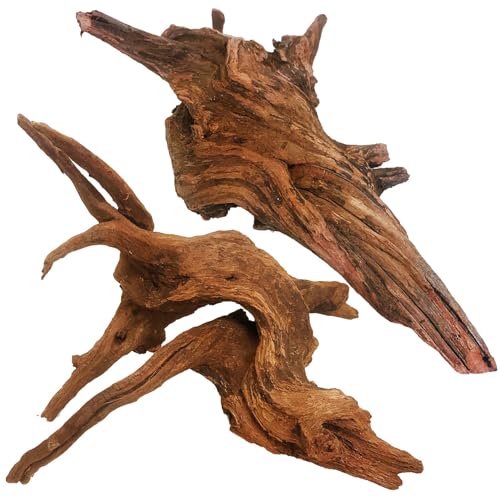
kathson Large Aquarium Driftwood Branches 10″-14″ (2 PCS)

Jorewood Twisted Aquarium Driftwood 7-11″ (3-Piece)

YZHZOM Small Natural Driftwood 4-6″ (4pcs)
More Details On Our Top Picks
This three-piece set sits in the sweet spot for most home aquariums: each hand-selected branch runs 7 to 11 inches, long enough to anchor a mid-size layout without swallowing a 20-gallon tank. The wood is dense by design, which matters more than it sounds. Dense wood sinks quickly instead of bobbing at the surface for days, and it releases fewer tannins, the organic compounds that turn water tea-colored.
In practice, that makes this a low-drama choice for anyone keeping bettas, shrimp, or snails, species that appreciate hiding structure but suffer in murky water. No two branches match, so expect a one-of-a-kind arrangement rather than a catalog photo.
Strong Points
- Three assorted branches give you enough material to build a layered hardscape in one purchase.
- The dense composition settles to the substrate fast, sparing you the pebble-weighting routine lighter woods demand.
- Reduced tannin release keeps water clearer, a real benefit for shrimp colonies and light-colored gravel beds.
- Works double duty in reptile terrariums where lizards need climbing texture.
Things To Consider
- A quick soak or rinse before installation is still wise; owners commonly report slight tinting from any natural wood during the first week.
- Because shapes vary piece to piece, the exact silhouette you receive may differ from listing photos.
Key Specs
Made For
Freshwater keepers running betta, shrimp, or community tanks who want substantial, sink-ready wood without heavy prep work.
Where A Sibling Pick Shines
Shoppers wanting maximum piece count per dollar should look at the Vmiapxo Spider Wood 8-Pack instead, since eight smaller branches suit intricate nano layouts better than three larger ones.
Not every tank needs real timber. This ornament bundles three functions into one compact unit roughly 6 by 4 by 3 inches, standing about 4 inches tall: a silk leaf pad bettas rest on, a cave for shelter, and a driftwood-style silhouette that reads naturally in a bowl or desktop tank. The build combines gypsum, polyethylene, and plastic finished with stable pigment, so the manufacturer expects no fading under normal conditions.
For goldfish bowls and small betta setups where a 10-inch branch simply will not fit, this fills the gap neatly. One honest note: it is an ornament, not living wood, so it won’t leach beneficial tannins or host biofilm the way natural branches do.
Highlights
- Leaf pad plus cave plus wood look in a single footprint saves space in cramped bowls.
- Stable pigments mean no color bleed into the water column under typical use.
- No soaking or boiling required before it goes in the tank.
Minor Gripes
- Being brand new out of the box, a thorough rinse first is still recommended by the maker.
- Synthetic construction offers none of the surface biology real wood provides grazing shrimp.
Who Should Grab It
Betta owners with bowls or tanks under 5 gallons who want rest spots and cover in one small ornament.
Swap It Out When
Keepers of larger planted aquariums will get far more visual depth from the WDEFUN 3-piece branch set, whose 7 to 11 inch pieces suit tanks of 10 gallons and up.
Spider wood gets its name from the spindly, many-branched limbs that fan out like legs, and aquascapers prize it because moss and ferns attach easily along every twig. This eight-piece pack keeps each branch between 3.15 and 4 inches, sizing aimed squarely at nano tanks, shrimp cubes, and terrarium foregrounds. Each piece arrives cleaned, peeled, dried, and trimmed, so the prep burden is lighter than raw collected wood.
The trade-off shows up in the prep instructions: the maker advises several rounds of soaking or rinsing beforehand because the surface fades slightly and can tint water otherwise. Budget that afternoon and you get eight distinct silhouettes for arranging, stacking, or gluing moss onto.
Upsides
- Eight unique branches let you experiment with multiple layouts before committing one to the tank.
- Pre-cleaned and trimmed surfaces take glue, thread, and moss without extra sanding.
- Small scale suits 5 to 10 gallon setups where bigger branches overwhelm the frame.
Softer Spots
- Expect a few soak-and-rinse cycles before installation; skipping them risks discolored water, a widely reported issue with untreated spider wood.
- At under 4 inches, individual pieces lack the mass to anchor heavy stone structures.
Quick Facts
Right Fit For
Nano aquascapers and shrimp keepers building detailed miniature scenes on a modest budget.
Consider Something Else When
Those with 20-gallon-plus tanks should step up to the Vmiapxo 4-to-6-inch version reviewed next, which offers the same style with more presence.
Same family, bigger bones. This variant stretches each branch to 4 through 6 inches, which changes the character of a layout noticeably: limbs reach higher into the water column, leaving room beneath for carpeting plants and open swimming lanes. Everything else carries over from the smaller pack, including the cleaned, peeled, dried finish and the instruction to rinse thoroughly before submersion.
You may find this the more versatile size in practice, since 4 to 6 inches reads well in everything from a 10-gallon betta tank to a 29-gallon community setup. Like its sibling, it also doubles as terrarium décor for climbing reptiles.
Bright Spots
- The taller branch profile creates vertical interest that flat rocks and small wood cannot.
- Eight assorted shapes mean damaged or unsuitable pieces rarely leave you short.
- Pre-trimmed ends sit flush against glass and substrate without splinters.
Points To Note
- Multiple pre-soaks remain necessary; the manufacturer notes the wood fades slightly and can discolor water when rushed into service.
- Spider wood floats until fully saturated, so plan on weighting pieces for the first day or two.
Feature Snapshot
Who Will Love This
Planted-tank hobbyists moving up from nano kits who want affordable branching wood with room to grow moss gardens.
Look Elsewhere When
For dramatic single-statement pieces rather than many small ones, the kathson 10-to-14-inch branches deliver far more visual weight per piece.
Scale up and the requirements change. At 10 to 14 inches per branch, this two-piece set targets large aquariums and reptile habitats where bearded dragons, geckos, and snakes need genuine climbing structure, not decorative twigs. The wood itself is described as strong and durable enough to hold up underwater or in dry enclosures, which covers both use cases without modification.
Two hefty pieces give a 55-gallon tank a believable riverbank feel, and in a vivarium they serve as basking ramps and territory markers. The honest caveat is size discipline: measure your tank’s height first, because a 14-inch branch angled diagonally eats serious swimming space in anything under 36 inches long.
Reasons To Buy
- Genuine large-format branches support the weight of climbing reptiles, something thin spider wood cannot.
- Assorted natural shapes add realism that cast resin ornaments struggle to match.
- Only two pieces to position, which simplifies cleaning around the hardscape.
Honest Caveats
- Oversized for nano and desktop tanks; the proportions only work in 40 gallons and up.
- Large natural wood typically needs an extended soak before it stays submerged, so allow several days of preparation.
Details At A Glance
Whose Shelf It Belongs On
Reptile keepers and owners of 50-gallon-plus aquariums who need load-bearing, climbable wood.
Another Choice May Suit
Mid-size freshwater tanks are better served by the Jorewood 3-piece set, whose 7 to 11 inch twisted branches balance presence against swim space.
Twisted grain is what separates memorable driftwood from ordinary sticks, and this three-piece set leans into it hard. Each hand-selected branch spans 7 to 11 inches with corkscrew curves that catch light differently from every angle, the kind of shape aquascapers usually pay a premium for individually. The maker emphasizes low tannin release alongside easy sinking, addressing the two complaints that dominate driftwood feedback everywhere.
Dual-use design extends its value: fish and shrimp gain hiding pockets among the curves while lizards and geckos get textured climbing surfaces in a terrarium. Compared with the WDEFUN set at a similar size range, this one trades a touch of bulk for more sculptural lines.
Standout Traits
- Low-tannin treatment means less amber staining and fewer water changes during break-in.
- Curved, twisted forms create natural archways for tetras and rasboras to swim through.
- Hand-selection filters out soft or rotten sections common in bulk-sorted packs.
- Safe for both aquatic life and reptiles with no chemical additives involved.
Trade Offs
- Even low-tannin wood benefits from an initial boil or soak, so budget prep time regardless of marketing claims.
- Three sculptural pieces cost more per branch than high-count packs like the Vmiapxo sets.
Who It Suits Best
Show-tank aquascapers who want gallery-worthy silhouettes and clear water from day one.
Skip It When
Budget-focused nano builders get better value per piece from the YZHZOM four-pack covered below.
Small wood, carefully sorted. This four-piece bundle keeps every branch between 4 and 6 inches, with each piece individually selected rather than scooped from a bulk bin. That curation shows in the consistency: you get four usable accents instead of the mixed bag of splinters and duds that cheaper assortments sometimes ship.
The intended audience spans reptile tanks and aquarium styling alike, and the pieces slot naturally into terrarium foregrounds, paludarium banks, or as secondary wood behind a larger centerpiece. Prep expectations are stated plainly by the maker: boiling and soaking for a day or two is required before tank placement, longer than some rivals suggest. Plan accordingly and the payoff is clean, character-rich wood at a friendly entry point.
Plus Points
- Four curated pieces provide accent variety without overwhelming a small tank’s footprint.
- The 4-to-6-inch range layers well behind larger branches like the kathson set for depth.
- Individual selection reduces the odds of receiving cracked or crumbling wood.
Areas To Watch
- The required boil-and-soak routine runs a day or more, the longest prep window on this list.
- Received shapes will differ from photos since every piece is genuinely one of a kind.
Core Details
Built With In Mind
Terrarium hobbyists and aquascapers hunting affordable, consistent accent wood for layering and detail work.
Reach For A Different Pick When
Shoppers wanting sink-ready convenience with minimal prep should choose the WDEFUN 3-pack, whose denser wood skips the lengthy boiling stage.
What Matters Most Before Choosing Driftwoods For Aquarium
Size Against Tank Volume
The single most common mismatch is proportion. A 14-inch branch dominates a 10-gallon tank and steals swimming space, while 3-inch twigs vanish in a 75-gallon show tank. Measure your tank’s length and height, then pick wood that occupies roughly a third of the visual frame. Community fish need open lanes; bettas and shrimp prefer dense cover.
Tannins And Water Chemistry
Tannins are natural compounds in wood that leach into water and tint it amber, like steeped tea. Some keepers love the blackwater look; others find it clouds light-colored substrates. Low-tannin options such as the Jorewood set minimize the effect, while any natural wood benefits from a boil or multi-day soak before installation.
Real Wood Versus Resin Ornaments
Natural driftwood hosts biofilm that shrimp graze on and slowly releases trace organics, but it demands prep time and eventually softens. Synthetic ornaments like the Smoothedo-Pets cave install instantly and never decay, yet they contribute nothing biologically. Your stocking list should decide this, not aesthetics alone.
Dual-Purpose Value
Households mixing fish tanks with reptile enclosures get more mileage from sturdy, climbable branches such as the kathson pair. Single-habitat keepers can prioritize shape and sinking behavior instead.
Key Considerations Across These Picks
Traps First Timers Fall Into
The biggest mistake is skipping the soak. Fresh driftwood floats, stains water, and can carry surface debris, and impatient installs lead to cloudy tanks within hours. Second trap: buying for looks alone. A gorgeous branch that blocks your filter intake or crowds adult fish becomes a maintenance headache. Always sketch the layout before ordering.
When Paying More Pays Off
Higher-priced sets buy hand-selection, denser grain, and lower tannin content, which translates to less prep and clearer water. Casual bowl owners won’t notice the difference. Dedicated aquascapers running planted show tanks will, and for them the upgrade pays for itself in saved water changes and fewer layout do-overs.
Closing Thoughts
Driftwood is the cheapest way to make an aquarium look established, and the right pick depends mostly on tank size and patience for prep. Small nano builds thrive with the Vmiapxo packs, show tanks deserve the sculptural Jorewood branches, and reptile keepers should lean toward kathson’s sturdy pair. Whichever route fits your setup, give the wood a proper soak first and it will reward you for years.
