

A liver diagnosis changes how you shop for dog food overnight. Suddenly every label gets scrutinized, protein sources matter more than marketing, and digestibility becomes the whole game. This shortlist focuses on gentle, meat-first recipes with clean ingredient decks, from everyday kibble to air-dried and freeze-dried formats that suit smaller appetites or picky eaters. One note up front: always run any diet change past your veterinarian first, since liver conditions vary widely and your vet knows your dog’s specific numbers.
Quick Look At Our Top Picks

Wellness CORE+ Wild Game Recipe Dry Dog Food, 4 lb

Dr. Marty Nature’s Blend Small Breed Freeze-Dried Dog Food, 6 oz

Solid Gold Air Dried Beef Food Topper, 4 oz
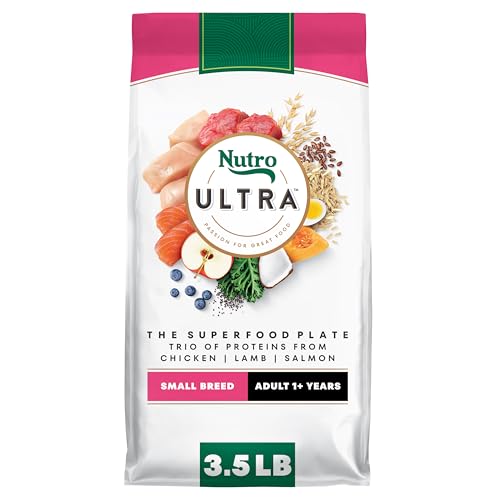
Nutro Ultra Small Breed Adult Dry Dog Food, 3.5 lb

Open Farm Grass-Fed Beef Dry Dog Food, 4lb Bag

Tender & True Organic Chicken & Liver Recipe Dog Food, 11 lb

The Pets Table Air Dried Dog Food, Beef & Berries, 4.5 lb
More Details On Our Top Picks
Novel proteins are the headline here. Duck, lamb, boar, and rabbit give this kibble a flavor profile most pantry-staple brands never touch, which matters when a dog on a restricted diet has grown tired of the same old bowl. The kibble ships with freeze-dried raw pieces mixed in, adding aroma that tends to wake up hesitant appetites.
In a multi-dog home, the four-pound starter bag lets you trial the recipe before committing to the 10, 18, or 20-pound formats. Owners commonly report the wild game blend goes over well with fussy eaters, though palatability always varies dog to dog.
Strong Points
- Four distinct animal proteins keep mealtime interesting for long-term feeding
- Freeze-dried bites boost scent and flavor, useful for dogs with dulled appetites
- Multiple bag sizes mean you can scale up once you know it agrees with your dog
- Kibble-plus-raw hybrid format offers texture variety in one scoop
- No grains in the recipe, which some sensitive stomachs handle better
Things To Consider
- The mixed-protein formula complicates elimination diets, so confirm each protein with your vet
- Once opened, the bag needs sealing well since the freeze-dried pieces can lose crispness
At A Glance
Made For
Adult dogs whose appetites have gone flat on single-protein kibble, especially those whose vets approve varied novel meats.
A Better Fit Elsewhere
Shoppers wanting one simple, familiar protein may prefer the Open Farm grass-fed beef kibble reviewed below.
Where the Wellness bag targets variety seekers, this six-ounce pouch solves a different problem: portion control for tiny dogs. Freeze-drying removes moisture at low temperatures, which preserves nutrients without heavy cooking, and the result is a lightweight food that travels easily. A weekend trip with a small breed fits in a jacket pocket.
The listed flavor runs toward seafood, blended with other proteins and produce, aimed squarely at adult small-breed dogs. In our view, the small pouch works best as a topper or short-trip ration rather than a sole staple, simply because the volume runs out fast with daily feeding.
Highlights
- Freeze-dried format keeps nutrients intact without high-heat processing
- Pocket-sized pouch suits travel, boarding, and backup meals
- Sized for small breeds, so portions stay manageable
Small Caveats
- Six ounces disappears quickly as a full diet, making frequent repurchasing likely
- Owners commonly report the pieces crumble in the bag, so pour gently
Who It Suits Best
Small-breed owners who want a nutrient-dense option for travel days, training rewards, or reviving a stale appetite.
Swap It Out When
Daily feeders of larger dogs will get far more value per ounce from the Tender & True organic chicken recipe later in this list.
This one earns its spot as the low-commitment entry point. Real beef gets gently air dried, a process that uses warm circulating air rather than freeze-drying, preserving nutrients while keeping costs down. Sprinkled over an existing kibble, it turns a refused bowl into a finished one, which is exactly the job most liver-diet households need done.
Because it doubles as a treat, one small bag covers two jobs. Sizes range from four ounces up to two pounds, with a three-pack of ten-ounce bags for households that burn through it fast.
Upsides
- Air-dried beef delivers strong aroma at a friendlier cost than freeze-dried options
- Works as topper, training reward, or standalone snack
- Four size options let you match spend to your dog’s enthusiasm
Points To Note
- It supplements rather than replaces a complete diet, so it cannot carry nutrition alone
- Beef-heavy toppers add calories quickly; measure rather than eyeball the sprinkle
- Some owners report clumping in humid kitchens, so store the bag sealed and cool
Feature Snapshot
Right Fit For
Anyone coaxing a picky or unwell dog through meals on a modest budget, without changing their base food yet.
Reach For A Different Pick When
A complete standalone diet is the goal, and the Nutro Ultra small-breed kibble handles that role better.
Chicken leads the ingredient deck here, backed by lamb and salmon in what the brand calls its trio-of-proteins approach. For small breeds, the kibble piece size matters as much as the recipe, and this one is built specifically for smaller jaws. Fourteen superfoods round out the formula alongside omega-3 and omega-6 fatty acids, which support skin and coat condition over weeks of feeding.
The recipe skips corn, wheat, soy, and chicken by-product meal, and the brand states its ingredients are non-GMO. Compared with the Solid Gold topper above, this is a full meal rather than an accent, and the 12 and 22-pound bags make it economical for daily feeding once your dog settles in.
Reasons To Buy
- Three animal proteins deliver varied amino acid profiles in one bowl
- Omega fatty acids show up as coat shine within typical feeding cycles
- Clean label exclusions (corn, wheat, soy, by-product meal) simplify vet conversations
- Small-breed kibble sizing suits tiny mouths and slower chewers
Worth Noting
- Chicken-first formulas rule it out for dogs with poultry sensitivities
- The 3.5-pound trial bag runs out fast for even small dogs, so plan the upgrade
Core Details
Whose Shelf It Belongs On
Small-breed households wanting a straightforward, complete daily kibble with a transparent ingredient list.
Not Your Match When
Poultry-sensitive dogs do better on the Open Farm grass-fed beef recipe, which sidesteps chicken entirely.
Sourcing transparency sets this kibble apart. The beef comes from grass-fed animals, the produce is stated as non-GMO, and the brand publishes where its ingredients originate, which makes vet discussions about copper and protein content considerably easier. Pumpkin and coconut oil appear among the supporting ingredients, both commonly used for digestive comfort.
The lineup spans seven recipes, from pasture-raised lamb to wild-caught salmon and a senior-specific blend, so households can rotate within one trusted brand. Against the Nutro Ultra above, this one trades the triple-protein approach for a single clearly identified beef base, which suits elimination-style feeding plans.
Bright Spots
- Single named protein simplifies tracking how a sensitive dog responds
- Published sourcing gives you verifiable answers instead of vague claims
- Pumpkin and coconut oil support stool quality in many dogs
- Seven recipes allow rotation without switching brands
Honest Caveats
- The four-pound bag is the smallest format here relative to daily feeding needs
- Premium positioning means a higher ongoing cost than mainstream kibble
Spec Overview
Who Will Love This
Detail-oriented owners managing a sensitive dog who want documented sourcing behind every ingredient.
Consider Something Else When
Budget-conscious multi-dog homes will stretch further with the Tender & True eleven-pound organic bag.
This is the workhorse of the list. Organic chicken raised without cages leads the recipe, and the name tells you the second story: liver is built into the formula as a natural organ-meat nutrient source. The recipe leaves out corn, wheat, soy, and artificial preservatives, colors, or flavors, keeping the deck short enough to read in one pass.
Size options run four, eleven, and twenty pounds, and the mid-size bag hits a practical sweet spot for single-dog homes. Unlike the air-dried Pets Table coming next, this is conventional kibble, which means lower cost per pound and easier storage in a standard bin.
Plus Points
- Organic first ingredient at a mid-list price point
- Liver inclusion supplies natural vitamin content from organ meat
- Twenty-pound format suits multi-dog or large-breed households
- No artificial preservatives simplifies long-term feeding decisions
Softer Spots
- Organic kibble still contains liver itself, so confirm organ-meat levels with your vet for liver-compromised dogs
- Palatability reports are mixed; some dogs need a transition period
Best Suited To
Households feeding one or more dogs daily who want organic credentials without boutique pricing.
Look Elsewhere When
Your dog rejects standard kibble texture; the air-dried Pets Table beef recipe wins over texture-fussy eaters.
Closing the list is the most calorie-dense option here. Air drying concentrates nutrients into a dense, jerky-like food, so a small scoop carries serious energy, useful for dogs struggling to hold weight. Beef anchors the recipe alongside berries, spinach, and carrots, with no artificial preservatives or filler grains like corn or wheat.
The range extends to salmon and whitefish, turkey and spinach, and chicken and sweet potato, plus grain-inclusive variety packs for dogs that tolerate grains fine. Compared with the Solid Gold topper earlier, this is a complete meal rather than a garnish, and the 72-ounce twin pack covers roughly a month of small-dog feeding depending on portioning.
Standout Traits
- High calorie density supports weight maintenance in small servings
- Berries and leafy greens add antioxidant variety beyond meat alone
- Five recipe paths let you rotate flavors within one format
- Soft-chew texture suits senior dogs and reluctant chewers
- Two-pack sizing reduces reordering frequency
Trade Offs
- Concentrated nutrition means portions must be measured precisely to avoid overfeeding
- Reseal the pack firmly; owners commonly report softening in humid climates
Details At A Glance
The Right Fit
Owners of underweight, senior, or small-breed dogs who need maximum nutrition per scoop and vet approval for a denser diet.
Another Choice May Suit
Large dogs with big appetites will find the per-pound economics of the Tender & True twenty-pound bag far kinder.
What Matters Most Before Choosing a Liver-Friendly Dog Food
Protein Quality Beats Protein Quantity
Dogs with liver concerns generally do better on moderate amounts of highly digestible animal protein than on heavy doses of low-grade meal. Look for a named meat as the first ingredient, and ask your vet whether copper content should factor in, since some liver conditions call for copper restriction. Novel proteins like duck, rabbit, or boar can help when a dog has grown intolerant of common meats.
Digestibility Is the Quiet Decider
A nutrient only counts if your dog absorbs it. Gently processed formats such as air-dried and freeze-dried foods tend to preserve nutrients without harsh heat, and shorter ingredient lists leave fewer compounds for a stressed system to handle. Watch stool quality and energy over the first few weeks of any switch; they tell you more than any label promise.
Match Format to Your Feeding Reality
Kibble remains the cheapest and easiest to store, while air-dried and freeze-dried options cost more per ounce but concentrate nutrition into smaller portions. Small breeds and seniors often do well on softer textures, whereas large dogs drain premium formats fast. Buy the smallest available bag first, transition gradually over seven to ten days, and keep your vet in the loop throughout.
Key Considerations Across These Picks
Traps First Timers Fall Into
The classic mistake is swapping diets overnight, which upsets digestion and muddies whether the new food actually helps. Another common slip is trusting front-of-bag claims instead of reading the full ingredient deck, where fillers and unnamed fats hide. Skipping the vet conversation ranks worst of all, because liver conditions differ sharply and a food that suits one diagnosis can work against another.
The Case For Spending Up
Higher-tier foods pay for named proteins, gentler processing, and traceable sourcing, all of which matter more for a compromised liver than for a healthy dog. You are buying predictability: fewer unknowns, cleaner labels, and formats that preserve nutrients. For long-term management, that consistency usually justifies the extra cost per bowl.
Closing Thoughts
Feeding a dog with liver challenges is a marathon of small, careful decisions, and the right food makes those decisions lighter. Start with your vet’s guidance, trial a small bag, and let stool quality, appetite, and energy guide the verdict. Any of these seven can earn a permanent spot in your rotation once it proves itself in your own kitchen.
