

Feeding a dog well shouldn’t feel like a chemistry exam, yet the kibble aisle makes it one. Some dogs need tiny pieces for little jaws, others thrive on raw-style nutrition, and plenty of households just want a dependable bag that won’t break the monthly budget. This shortlist covers all three situations, from budget-friendly staples to freeze-dried raw formulas, so you can match a bag to your dog’s size, appetite, and your own routine.
The Shortlist At A Glance
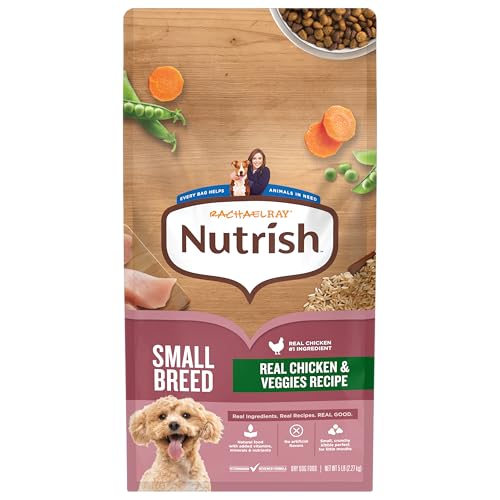
Nutrish Small Breed Dry Dog Food with Chicken, 5 lb Bag

Primal Kibble in The Raw Freeze-Dried Beef Dog Food, 1.5 lb

Stella & Chewy’s Wild Red Coated GF Prairie Dry Dog Food, 3.5 lb

Whole Paws Grain-Free Chicken & Garbanzo Bean Dry Dog Food, 4 lb

Purina Dog Chow Complete Adult Chicken Flavor Dry Dog Food

Get Joy Freeze Dried Raw Chicken Dog Food, 16oz

K9 Natural Canned High Protein Grain-Free Wet Dog Food Pate
More Details On Our Top Picks
Small dogs burn through calories fast, and their jaws simply can’t handle oversized kibble. Rachael Ray Nutrish built this recipe around real chicken as the first ingredient, then shaped every piece small and crunchy so a Chihuahua or Yorkie actually finishes the bowl instead of pushing it around.
The formula is veterinarian reviewed and stays natural, leaning on added vitamins and minerals rather than artificial flavors. A 5-pound bag suits apartment dwellers with limited pantry space, though larger bags exist for households that go through food quickly.
Strong Points
- Real chicken leads the ingredient list, giving small dogs a protein-first meal they tend to finish eagerly.
- Small, crunchy pieces suit tiny mouths, which means less gulping and fewer leftover crumbs in the bowl.
- Veterinarian-reviewed recipe adds confidence for owners who want expert input behind the formula.
- No artificial flavors, so you’re not feeding filler taste enhancers at every meal.
- Purchases support animals in need through The Rachael Ray Foundation.
Things To Consider
- The 5-pound bag runs out quickly for multi-dog homes, so storage space for bigger sizes is worth planning.
- Owners of grain-sensitive dogs may want to check the full ingredient panel before switching.
Key Specs
Made For
Adult small-breed owners who want a straightforward, protein-led daily kibble without premium pricing.
A Better Fit Elsewhere
Dogs needing higher protein density or raw-style nutrition will do better with the Primal Kibble in The Raw beef formula covered next.
Freeze-drying removes moisture at low temperatures instead of cooking food at high heat, which helps preserve nutrients that traditional extruded kibble can lose. Primal applies that process to grass-fed beef here, producing bites that serve straight from the bag with no thawing, mixing, or hydration step.
This small-breed recipe works as a complete meal replacement or a rotation topper alongside whatever you already feed. Compared with the Nutrish bag above, you’re paying more per pound for minimally processed protein, and in our view that trade only makes sense when raw feeding is a priority for your household.
What We Like
- Grass-fed beef delivers protein-rich nutrition without high-heat processing.
- Scoop-and-serve format fits busy mornings, since there’s zero prep involved.
- Freeze-drying preserves flavor, which tends to win over hesitant eaters.
Worth Noting
- Cost per serving runs noticeably above conventional kibble, so budgets matter here.
- Once opened, the bag should be resealed tightly and stored cool and dry to protect freshness.
At A Glance
Right Fit For
Committed raw-feeders with small dogs who want convenience without compromising on minimal processing.
Swap It Out When
Budget-focused shoppers feeding multiple dogs will find the Whole Paws grain-free chicken recipe further down far easier on the wallet.
Where Primal goes fully freeze-dried, Stella & Chewy’s takes a hybrid route: conventional kibble coated in freeze-dried raw, plus raw chunks mixed through the bag. The result reads like dry food but smells and tastes closer to raw, which explains why it’s frequently cited as a picky-eater solution.
The Prairie recipe draws 93% of its protein from six poultry sources, including quail, guineafowl, goose, and duck, alongside whole-prey ingredients like organ meats and cartilage. Probiotics support digestion, taurine supports heart function, and omega fatty acids from chia seeds and salmon oil show up for skin and coat. That’s a lot packed into one bag.
Highlights
- Freeze-dried raw coating turns ordinary kibble into something selective dogs rarely refuse.
- 93% of protein comes from six poultry sources, offering variety most single-protein bags can’t match.
- Grain-free, legume-free, and free of potatoes, peas, lentils, and by-product meals.
- Probiotics and taurine address digestion and heart support in the same bowl.
- Omega-rich chia seeds and salmon oil contribute to coat condition over time.
Softer Spots
- The 3.5 lb bag disappears fast for medium or large dogs, making it a costly staple at scale.
- Dogs with poultry sensitivities have limited options within this specific recipe.
Quick Facts
Who Should Grab It
Owners of stubbornly picky dogs who’ve rejected standard kibble and want a raw-inspired fix without switching feeding formats entirely.
Reach For A Different Pick When
Puppies and seniors needing a wet, hydrating option are better served by the K9 Natural lamb pate at the end of this list.
Not every household needs a boutique formula, and this 4-pound grain-free bag exists precisely for those who don’t. Chicken leads the recipe, garbanzo beans supply carbohydrates and fiber, and added prebiotics aim to keep digestion steady, which matters for dogs prone to loose stools during food transitions.
Against the Stella & Chewy’s hybrid above, you give up the raw coating and multi-protein variety but gain a simpler ingredient story at a friendlier cost. Owners commonly report it as an easy transition food, though finicky eaters sometimes need a topper stirred in before they commit.
Plus Points
- Prebiotics and fiber support digestive regularity, useful during diet changes.
- Grain-free formulation suits dogs whose owners prefer to avoid grains.
- Chicken-forward recipe keeps things simple and affordable.
Points To Note
- Palatability is decent rather than exceptional, so some dogs benefit from mixing in a spoonful of wet food.
- The 4 lb size means frequent repurchasing for larger breeds.
Who Will Love This
Budget-minded owners of small to medium dogs who want grain-free feeding without specialty pricing.
Consider Something Else When
Houses burning through 20-plus pounds monthly should look at the Purina Dog Chow entry below, which comes in larger, economical formats.
Some products earn their shelf space through longevity, and Dog Chow has fed generations of dogs on a complete-and-balanced adult formula. There’s nothing experimental here: chicken flavor throughout, nutrition designed to meet an adult dog’s daily needs, and wide availability that makes restocking painless even in rural areas.
You’re trading the ingredient refinement of the Whole Paws or Primal options for predictability and value. For multi-dog homes where two or three bowls get filled twice a day, that trade often wins out, and many long-term owners report consistent acceptance from even indifferent eaters.
Bright Spots
- Complete and balanced for adult dogs, covering baseline daily nutrition.
- Long-established formula with decades of real-world feeding history behind it.
- Easy to find and restock, which matters more than people admit.
Minor Gripes
- Ingredient quality sits below the premium picks in this list, as expected at this tier.
- Dogs with grain sensitivities aren’t the target audience here.
Whose Shelf It Belongs On
Practical owners of healthy adult dogs, especially multi-dog households prioritizing consistency and cost control.
Another Choice May Suit
Anyone wanting gut-health extras should step up to the Get Joy freeze-dried chicken recipe reviewed next.
Get Joy leans hard into digestion, layering prebiotics, probiotics, and postbiotics into a grain-free raw chicken base made from USDA chicken and organ meats. The brand cites 97% nutrient retention from its freeze-drying process, which translates to more usable nutrition per scoop than heavily cooked alternatives typically deliver.
Unlike the Primal bag earlier, which positions itself strictly as a small-breed meal, this one spans small to large breeds and doubles neatly as a topper or treat over existing kibble. That flexibility makes it a low-commitment entry point into raw-style feeding, and the 16 oz size lets you trial it without clearing freezer space.
Reasons To Buy
- Triple biotic support targets gut health, digestion, and immunity together.
- 97% nutrient retention means less of the good stuff gets lost in processing.
- Works as a full meal, topper, or training treat depending on your routine.
- Grain-free USDA chicken base suits owners avoiding fillers.
Small Caveats
- The 16 oz bag is a trial size for large dogs, so ongoing use means frequent reordering.
- As with any diet change, a gradual transition over several days helps avoid stomach upset.
Feature Snapshot
Who It Suits Best
Owners of dogs with sensitive stomachs who want raw-style nutrition with explicit digestive support built in.
Look Elsewhere When
Shoppers wanting maximum meat content per can will prefer the K9 Natural pate coming up last.
Yes, this one’s a can, not a bag, but it earns its place as the hydration play in a dry-kibble lineup. Made in New Zealand with 90% meat, organs, and bone from grass-fed lamb, the pate also brings green mussels, fruits, and vegetables into the mix for joint mobility and natural energy support.
There are no grains, gums, binders, or fillers here, just fresh New Zealand water adding moisture that supports kidney function, a genuine concern for dogs living mostly on dry food. Formulated for every life stage, it works as a complete meal or a mixer stirred into any of the kibbles above, and senior dogs with worn teeth tend to handle the soft texture easily.
Standout Traits
- 90% grass-fed lamb, organs, and bone delivers dense, meat-first nutrition.
- High moisture content supports hydration and kidney function in dry-fed dogs.
- Green mussels and vegetables contribute to joints and sustained energy.
- Complete and balanced for puppies through seniors.
Honest Caveats
- Canned feeding costs more per calorie than any kibble on this list.
- Opened cans need refrigeration and should be used within a few days.
Details At A Glance
The Right Fit
Senior-dog owners and anyone looking to boost moisture intake alongside a dry-kibble base.
Where A Sibling Pick Shines
For pure dry-food convenience at scale, the Purina Dog Chow formula remains the more practical daily driver.
What Matters Most Before Choosing Dry Kibbles For Dogs
Match The Kibble To The Mouth
Kibble size sounds trivial until a 6-pound dog struggles with pieces built for a Labrador. Small-bite formulas reduce gulping and waste, while larger dogs handle standard pieces fine. Life stage matters too: puppies, adults, and seniors have different energy and nutrient demands, so check the label’s intended age range before committing to a big bag.
Read The First Five Ingredients
The opening of an ingredient list tells you where most of the nutrition comes from. A named protein leading the list, followed by recognizable whole foods, generally signals a stronger formula than one opening with vague grain fillers. Dogs with known sensitivities also benefit from shorter, clearer lists, since fewer ingredients mean fewer potential triggers.
Factor In Your Actual Routine
The best formula on paper fails if it doesn’t fit your week. Freeze-dried raw options demand nothing more than a scoop, but they cost more per serving and smaller bags run out faster. Budget kibble stretches further across multiple dogs. Honest self-assessment here prevents the half-used premium bag languishing in the pantry.
Transition Slowly, Always
Whatever you choose, mix the new food into the old over seven to ten days, increasing the ratio gradually. Sudden switches commonly cause digestive upset regardless of formula quality, and a slow transition also gives you time to spot any adverse reactions early.
Key Considerations Across These Picks
Traps First Timers Fall Into
Buying on brand recognition alone is the classic error, followed closely by ignoring bag size relative to your dog’s consumption rate. A 4-pound bag looks cheap until you’re reordering weekly. Another common slip: skipping the transition period entirely, then blaming the food for stomach trouble that a gradual switch would have avoided.
What Separates Premium From Basic
Higher-tier formulas spend their extra cost on named animal proteins, freeze-dried or raw components, and functional additions like probiotics, taurine, and omega sources. Basic options cover daily nutrition competently but lean harder on grains and generic ingredients. The upgrade pays off most for picky eaters, sensitive stomachs, and dogs with visible coat or digestion issues.
Closing Thoughts
There’s no single right answer in this lineup, and that’s the point. Small-breed households have a purpose-built option in the Nutrish chicken recipe, raw-feeders get real value from Primal and Get Joy, and practical multi-dog homes will keep coming back to Dog Chow. Start with your dog’s size and stomach, buy the smallest sensible bag first, and let the empty bowl tell you what’s working.
