

Feeding ducks sounds simple until you’re standing at the pond with a bag of bread and a guilty conscience. Bread fills them up without nourishing them, and the same trap exists in the feed aisle, where poultry formulas vary wildly in protein, calcium, and pellet design. Whether you keep backyard ducks, raise goslings alongside chicks, or just want to feed park waterfowl responsibly, the right bag makes daily care easier and the water cleaner. This shortlist covers floating pellets, organic mashes, all-flock crumbles, wildlife blends, and high-calcium treats so you can match the feed to your birds instead of guessing.
The Shortlist At A Glance

Natural Waterscapes Waterfowl Feed 5 lb Floating Pellets

Scratch and Peck Grower Mash for Chickens & Ducks 10 lb

Purina Flock Raiser Crumbles 5 lb Bag

Ernst Grain & Livestock Bird and Wildlife Feed 10 lb

Natural Waterscapes Waterfowl Feed 20 lb Bag

Eaton Pet and Pasture Dried Black Soldier Fly Larvae 1 lb
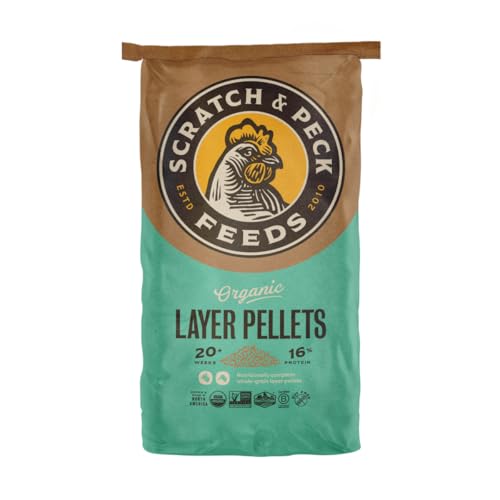
Scratch and Peck Layer Pellets for Chickens & Ducks 25 lb
More Details On Our Top Picks
Most duck food sinks, which means half your purchase ends up rotting on the pond floor. These pellets are built to stay on the surface for over an hour, so birds eat what you toss instead of the water absorbing it. The recipe leans on fishmeal with a deliberate fiber-to-protein balance, formulated specifically for ducks, swans, and geese rather than adapted from chicken rations.
The resealable pouch matters more than it sounds. A five-pound bag lives through weeks of park visits or backyard pond sessions without going stale, and you can toss a handful straight from hand to water.
Strong Points
- Pellets float over an hour, so nearly everything gets eaten instead of fouling the water
- Fishmeal-based diet designed around waterfowl needs, not generic poultry
- Balanced fiber and protein means less undigested waste entering ponds
- Resealable packaging keeps pellets fresh between outings
Things To Consider
- The five-pound size runs out quickly if you feed a large resident flock daily; bulk storage in an airtight bin helps
Who It Suits Best
Anyone who feeds wild ducks at a park or keeps a small pet flock on a garden pond.
A Better Fit Elsewhere
Backyard keepers raising growing ducklings will get more mileage from the Scratch and Peck Grower Mash, which is formulated for development stages.
Growing birds burn through nutrition fast, and this mash is built for that stretch between brooder and layer. It’s a whole-grain formula carrying 17% protein, corn-free and soy-free, which matters to keepers who want cleaner ingredients or who have birds with sensitivities. The mash texture is also fermentable, a practice many homesteaders use to boost digestibility and stretch a bag further.
Certifications carry real weight here: USDA Organic and Non-GMO Project Verified, with no fillers or medications mixed in. That pedigree suits hybrid and heritage breeds alike. The honest trade-off is price per pound compared with conventional crumbles, and mash can look dusty next to pellets, though most coops adapt within days.
What We Like
- 17% protein supports steady growth in both chickens and ducks from one bag
- USDA Organic and Non-GMO Project Verified, with zero medications or fillers
- Corn-free and soy-free formula suits sensitive birds and ingredient-conscious keepers
- Fermentable mash lets you improve digestibility at home
Minor Gripes
- Costs more per pound than conventional feeds, and loose mash tends to scatter in windy runs
- Store the pouch sealed and dry; whole-grain mashes can attract moisture and clump in humid climates
Quick Facts
Made For
Homesteaders and backyard keepers raising ducklings and chicks together who prioritize certified-clean ingredients over lowest cost.
Where Another Pick Suits Better
Keepers on a tighter budget raising a mixed flock will find Purina Flock Raiser Crumbles covers the same growth stage for less money.
Mixed flocks create a storage problem: separate bags for ducks, turkeys, and geese eat shelf space fast. Purina solves that with one crumble formulated for starting and growing chickens, ducks, geese, and turkeys past eight to ten weeks. Essential amino acids support muscle and skeletal development, while added prebiotics, probiotics, and yeast back up digestion and immune function.
There’s also marigold extract in the mix, which deepens beak, shank, and plumage color, a small touch show keepers appreciate. Compared with the Scratch and Peck mash above, this is the pragmatic choice: widely available, competitively priced, and forgiving for first-time flock owners still learning portion sizes.
Highlights
- One complete formula covers ducks, chickens, geese, and growing turkeys
- Prebiotics, probiotics, and yeast support digestive and immune health
- Essential amino acids back bone and muscle growth during development
- Marigold extract enriches beak, shank, and feather coloration
Small Caveats
- Crumbles generate more dust than pellets, which some coops report settling in feeders
- No organic certification, so ingredient-focused keepers may prefer the premium options here
Right Fit For
First-time flock owners running a mixed backyard group who want one reliable, widely stocked bag.
Consider Something Else When
Duck-only households focused on pond feeding should reach for the Natural Waterscapes floating pellets instead.
Not every yard has one species to feed. This non-GMO blend mixes corn, barley, wheat, black oil sunflowers, and roasted soybeans into a single scoop that draws ducks, songbirds, squirrels, turkeys, and even deer to the same corner of the property. It works scattered in ground piles or loaded into platform feeders, giving you flexibility that pelleted rations don’t offer.
Treat it as a supplement rather than a complete ration. Whole grains lack the fortified vitamin profile of a formulated duck feed, so it shines alongside one of the complete picks above rather than replacing one. For acreage owners who enjoy watching a busy, varied backyard ecosystem, though, few bags pull double duty this well.
Reasons To Buy
- Five-ingredient grain mix attracts a wide range of wildlife beyond ducks
- Non-GMO sourcing appeals to naturally minded landowners
- Works in ground piles or standard feeders without special equipment
- Roasted soybeans add fat and protein density to the blend
Points To Note
- Not a complete, fortified diet, so pair it with a formulated feed for birds you rely on daily
- Loose grain left out overnight commonly draws rodents, so feed modest amounts and sweep spills
Who Will Love This
Rural and semi-rural homeowners who want one bag serving ducks, songbirds, and larger visitors alike.
Swap It Out When
Urban duck keepers with a single small pond will get better results from the Natural Waterscapes 5 lb floating pellets.
This is the same floating waterfowl formula as our top pick, scaled up fourfold for people who feed often. The pellets still ride the surface for over an hour, still carry the fishmeal-based duck, swan, and goose diet, and still leave less waste sinking into the water. What changes is economics and convenience: twenty pounds covers a season of weekend park trips or months of daily pond feeding without reordering.
Regulars at busy parks know the drill, a crowd of mallards materializes the moment you sit down, and a small bag disappears fast. One practical note: transfer the contents to a sealed metal bin once opened, since a paper sack invites moisture and pests in a garage.
Bright Spots
- Identical floating performance to the 5 lb version, with far fewer reorders
- Fishmeal-forward diet matched to ducks, swans, and geese
- Balanced fiber and protein reduces uneaten feed sinking into ponds
- Ideal volume for frequent park visits or established pet flocks
Honest Caveats
- Twenty pounds demands dry, sealed storage; an open bag in humid weather can stale quickly
- Overkill for occasional feeders who visit the pond a few times a year
At A Glance
Best Suited To
Weekly park feeders and owners of multiple waterfowl who want bulk value without sacrificing the floating format.
Reach For A Different Pick When
Occasional feeders should stick with the 5 lb Natural Waterscapes bag, which stays fresh longer in casual use.
Treats do work a complete ration can’t: they build trust, encourage natural foraging, and deliver targeted nutrients during demanding stretches like molt or egg laying. These USA-grown black soldier fly larvae pack protein, calcium, phosphorus, lysine, and dietary fat, with a calcium content dramatically higher than mealworms. That mineral edge matters for laying hens producing shells day after day.
The grubs are raised sustainably on pre-consumer food waste meeting AAFCO feed guidelines, without hormones, antibiotics, or pesticides. Scatter a handful in bedding and watch even lazy ducks start scratching. Keep the bag clipped shut, though, because dried larvae left exposed in a warm coop can draw moths.
Plus Points
- Calcium levels far above mealworms support shell quality in laying females
- Protein, fat, and lysine make molt-season recovery noticeably smoother
- Scattering grubs triggers instinctive foraging behavior and mental stimulation
- Raised in the USA on pre-consumer waste that meets AAFCO guidelines
Softer Spots
- A supplement only, never a meal replacement, so portion control falls on you
- Seal the bag tightly after each use; dried larvae can attract pantry pests in warm storage
Whose Shelf It Belongs On
Backyard flock owners who want a high-value training and molt-support treat for ducks and hens alike.
Another Choice May Suit
Keepers needing everyday complete nutrition rather than a treat should lean on the Purina Flock Raiser Crumbles as their staple.
Once your ducks start laying, their nutritional needs shift hard toward calcium and sustained protein. This layer pellet answers that shift with cracked grains and whole-food ingredients, soy-free and free of medications and fillers, in either 16% or 18% protein versions depending on your flock’s workload. Like its grower sibling earlier in this list, it carries USDA Organic and Non-GMO Project Verified credentials.
Pellets beat mash for adult flocks on two counts: less waste at the feeder and less dust in the coop air. The 25-pound bag suits an established laying group well. Worth noting though, the premium ingredient standards come at a higher per-pound cost than conventional layer feeds, a trade many egg-quality-focused keepers accept willingly.
Standout Traits
- Formulated specifically for laying chickens and ducks in one shared bag
- USDA Organic and Non-GMO Project Verified, soy-free with no medications or fillers
- Pellet form cuts feeder waste and coop dust versus mash
- Two protein levels let you match the formula to your flock’s output
Room For Improvement
- Per-pound cost sits above conventional layer feeds, which adds up with large flocks
- Transition birds gradually over a week or so; abrupt feed switches can temporarily slow laying
The Right Fit
Established backyard flocks of laying hens and ducks where ingredient quality and egg production both matter.
Where A Sibling Pick Shines
Still raising young birds? The Scratch and Peck Grower Mash reviewed earlier is the correct stage-matched choice.
Factors To Weigh Before Choosing Duck Feeds
Match The Feed To The Life Stage
Ducklings, growing juveniles, and laying adults need different nutrient profiles, and using the wrong stage formula causes real problems. Grower feeds around 17% protein suit development, while layers need elevated calcium for shell formation. Check the label’s stated protein percentage before anything else.
Think About Where Feeding Happens
Water feeding changes the math entirely. Sinking feed rots, clouds ponds, and feeds algae, which is why floating pellets exist. Ground-fed backyard flocks do fine with crumbles or pellets in a covered feeder, but pond-side feeding demands a floating format.
Read The Ingredient Philosophy
Conventional fortified feeds like Purina deliver complete nutrition affordably. Organic, soy-free options such as Scratch and Peck cost more per pound but suit keepers with ingredient priorities or sensitive birds. Neither approach is wrong; your budget and values decide.
Account For Storage And Freshness
Feed loses nutritional punch with heat, humidity, and pests. Buy sizes you’ll finish within a couple of months, and invest in a sealed metal bin. A cheap galvanized can protects a twenty-pound investment better than any additive.
Key Considerations Across These Picks
Traps First Timers Fall Into
The classic error is buying bread or a single generic birdseed for every situation. Bread starves waterfowl nutritionally, and unfortified seed blends don’t replace a complete ration. Another common slip is skipping the life-stage check, handing layer feed to ducklings or grower feed to laying hens.
When Paying More Pays Off
Premium organic feeds justify their cost through certified ingredients, no fillers, and formulations tuned to specific stages. Frequent park feeders see the payoff differently: bulk floating pellets cost less per feeding session and waste less in the water. Spend up where your use case actually rewards it.
Closing Thoughts
Feeding ducks well comes down to matching three things: the bird’s life stage, the feeding environment, and your own routine. Floating pellets serve pond and park duty, stage-specific mashes and crumbles anchor the coop, and a calcium-rich grub treat rounds out the program. Start with one complete feed that fits your setup, add treats sparingly, and store everything sealed. Your flock, and the water they swim in, will show the difference.
