

Raising ducklings means getting nutrition right from day one, and the wrong feed can slow growth or leave a pond fouled with soggy leftovers. This roundup covers complete starter feeds, layer rations, protein toppers, supplements, and the grit that ties it all together. Whether you’re brooding a handful of ducklings in a garage brooder or tossing food to wild waterfowl at a park pond, there’s a fit here for your setup.
The Shortlist At A Glance

Natural Waterscapes Waterfowl Feed (5 lb)
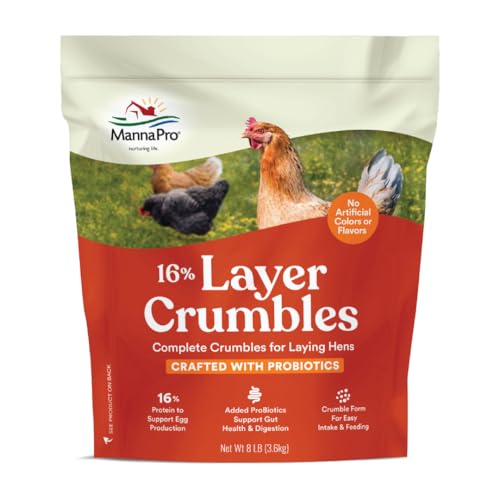
Manna Pro Layer Crumbles Chicken Feed 8 lb

Scratch and Peck Starter Mash for Chickens & Ducks 10 lb

NAOUTHLY Bulk Dried Mealworms 10 lb Bag

Nature INTENDED Brewer’s Yeast + Probiotics Supplement 10 oz

Purina Start and Grow Non-Medicated Chick Crumbles 5 lb

Scratch and Peck Starter Grit for Chickens & Ducks 7 lb
More Details On Our Top Picks
Most bread tossed to ducks sinks, rots, and feeds algae instead of birds. These pellets are built to float for over an hour, so waterfowl actually get the calories and your pond stays cleaner. The formula targets ducks, geese, and swans specifically rather than borrowing a chicken ration.
The diet includes fishmeal alongside a balanced fiber-to-protein ratio, which matters because better digestibility means less waste settling into the water. A resealable bag keeps the pellets fresh between visits, handy when you only feed the local pond a few times a week.
Strong Points
- Pellets stay afloat over an hour, so feeding happens above water where birds can reach it
- Formulated for ducks, swans, and geese rather than generic poultry
- Fishmeal plus fiber balance supports digestion and reduces uneaten debris in ponds
- Resealable packaging keeps a 5 lb supply fresh across multiple outings
Things To Consider
- A 5 lb bag goes quickly at a busy public pond, so frequent visitors may want a larger size
- Store the bag sealed and dry; damp storage can soften pellets before you ever toss them
Key Specs
Who It Suits Best
Pond-side regulars and pet duck owners who want surface feeding without the mess of bread.
Where Another Pick Suits Better
Raising baby ducklings indoors calls for the Scratch and Peck Starter Mash instead, since its 20.5% protein supports early growth.
Once your ducklings mature into laying adults, their needs shift hard toward calcium and steady protein. Manna Pro’s crumbles deliver a complete 16% protein ration designed for laying hens, and many mixed-flock keepers use it as the base their ducks share alongside extra niacin. The crumble texture is easy to peck, which cuts down on the scattered-feed mess you get with finer mashes.
Vitamins and minerals, calcium included, round out the formula to support strong shells and consistent laying through the year. An 8 lb bag suits smaller coops well; larger flocks will burn through it fast.
What We Like
- 16% protein supports shell strength and steady egg production
- Crumble form encourages natural pecking and less feed waste
- Calcium and vitamin enrichment covers laying-hen needs in one bag
Minor Gripes
- Not formulated specifically for waterfowl, so ducks need supplemental niacin
- Keep the bag closed tightly; crumbles attract moisture and pests in humid coops
Right Fit For
Small backyard flocks of laying hens, especially first-time keepers who want one complete ration.
Another Choice May Suit
Duck-focused households raising babies will get more mileage from the Purina Start and Grow crumbles during the brooder stage.
Baby waterfowl grow at a startling pace, and this mash is built for it: 20.5% protein sourced from organic grains fuels muscle development, bone growth, and those famously soft first feathers. Unlike the Manna Pro layer ration aimed at adult hens, this one is formulated for chicks and ducklings from the start.
You can serve it dry straight from the pouch, or ferment it, a practice some keepers use to encourage balanced eating and curb selective picking. The formula skips unnecessary additives, which appeals to anyone running an organic-minded homestead. Sizes run up to 50 lb, so scaling up as the brooder fills is straightforward.
Highlights
- 20.5% protein from organic grains matches rapid duckling growth demands
- Suits both chickens and ducks, simplifying a mixed brooder
- Additive-free, allergen-conscious formula for cleaner nutrition
- Flexible serving: dry or fermented, depending on your routine
- Multiple bag sizes from 10 lb up to 50 lb
Softer Spots
- Mash texture can cling to wet brooder bedding, so refresh the feeder area often
- Whole-grain diets like this call for grit alongside, an extra purchase to plan for
Quick Facts
Made For
Homesteaders and hobby farmers brooding ducklings and chicks together under organic standards.
Swap It Out When
Budget-first shoppers raising only chicks may prefer the widely available Purina Start and Grow at a lower entry cost.
Treats do real work in a flock: mealworms are a protein-dense reward that tames birds, rewards good behavior, and gives molting hens a boost. This 10 lb bulk bag is non-GMO with no preservatives or additives, and the same tub works for chickens, ducks, wild birds, reptiles, and even fish.
The resealable bag stores without refrigeration in a cool, dry spot, and the brand states a shelf life of up to 24 months, which makes bulk buying practical rather than risky. One honest note: because these are dried, they lack the moisture of live worms, so fresh water should always be nearby.
Upsides
- High-protein treat that supports molting feathers and training routines
- Non-GMO, additive-free drying keeps ingredients simple
- Resealable bulk bag stores up to 24 months without refrigeration
- One bag serves chickens, ducks, wild birds, reptiles, and fish
Points To Note
- Dried worms carry no moisture, so pair servings with fresh drinking water
- In very humid climates, check the seal periodically to keep the bag clump-free
Details At A Glance
Who Will Love This
Keepers of mixed flocks and wildlife feeders who go through treats quickly and want pantry-stable storage.
Reach For A Different Pick When
For targeted nutritional support rather than treats, the Nature INTENDED Brewer’s Yeast supplement addresses specific gaps like niacin.
Ducks need notably more niacin than chickens, a gap that shows up as leg weakness in young birds fed plain chick rations. This supplement combines brewer’s yeast, probiotics, prebiotics, and added niacin in one dust-on powder, making it a common fix for mixed flocks sharing a single feeder. The amino acid and vitamin content also targets feather quality, which is why molt-season keepers reach for it.
The foil-lined resealable pouch comes in 10, 20, and 72 ounce sizes, so you can start small and scale once you know your flock takes to it. Sprinkle rate depends on bird count, so follow the label directions closely.
Bright Spots
- Niacin addition helps close the waterfowl-specific dietary gap
- Probiotics and prebiotics support gut balance in stressed or molting birds
- Amino acids and vitamins back feather regrowth through the molt
- Three pouch sizes let small flocks start without overcommitting
Honest Caveats
- It’s a supplement, not a complete feed, so it works alongside a base ration rather than replacing one
- Powder can settle at the bottom of the feeder; mix it into moist feed for even intake
Whose Shelf It Belongs On
Duck owners feeding chicken-based rations, and anyone managing a stressful molt season.
Consider Something Else When
Healthy adult hens on a complete layer diet already have their bases covered by the Manna Pro crumbles.
For a first brooder, simplicity wins. Purina’s Start and Grow is a complete, non-medicated crumble, meaning no supplements are required on top of it, which removes a lot of guesswork for newcomers. Prebiotics and probiotics support digestive and immune health during the fragile early weeks, and vitamin A fortification helps birds develop into healthy adults while vitamin E backs immune function.
An interesting touch is the marigold extract, included at a level the brand credits for brighter beaks, shanks, and overall appearance. The 5 lb bag fits a small hatch batch nicely, though bigger brooders will want the two-pack.
Plus Points
- Complete and balanced, no additional supplements necessary
- Prebiotics and probiotics support digestive and immune health in young birds
- Marigold extract contributes to vibrant beak and shank color
- Non-medicated formula suits keepers who prefer no medication
Trade Offs
- Ducks on this ration typically still need a niacin top-up such as the Nature INTENDED supplement
- The 5 lb size runs out fast with more than a dozen chicks in the brooder
Spec Overview
Who Should Grab It
First-time chick raisers who want a trusted, no-fuss complete starter in a manageable bag size.
Look Elsewhere When
Organic-certified operations should step up to the Scratch and Peck Starter Mash for its certified organic grains.
Birds have no teeth, so grit does the grinding for them. Insoluble crushed quartzite or granite lodges in the gizzard, the muscular grinding organ, and mechanically breaks down whole grains and fibrous bits. Skip it and a whole-grain or mash diet simply doesn’t digest properly.
This starter-size grit is sized for day-old birds through roughly eight weeks, with broiler chicks covered from day one to four weeks. The brand suggests sprinkling it over feed early on to establish correct eating habits. The 7 lb pouch pairs naturally with the Scratch and Peck Starter Mash reviewed earlier, forming a complete feeding system.
Reasons To Buy
- Insoluble quartzite or granite stays in the gizzard where grinding happens
- Starter particle size suits day-one ducklings and chicks
- Completes any whole-grain or mash feeding program
Room For Improvement
- Grit is consumed gradually, so a 7 lb pouch outlasts the starter stage for small flocks
- Offer it in a separate dish; mixing too heavily into feed can discourage picky eaters
Core Details
The Right Fit
Anyone feeding whole-grain or fermented mash diets to young ducks and chicks from hatch onward.
Where A Sibling Pick Shines
Birds on pelleted commercial rations that dissolve easily may not need grit yet, making the Purina crumbles a simpler solo route.
What Matters Most Before Choosing Duckling Feeds
Match The Feed To The Life Stage
A starter ration carries far more protein than a layer feed because young birds are building bone, muscle, and feathers simultaneously. Feeding a layer ration to ducklings shortchanges them, and feeding a starter to laying hens leaves them calcium-starved. Check the labeled protein percentage first, then the intended age range.
Know Your Species Gap
Ducks require more niacin than chickens, a detail many first-time keepers discover the hard way through leg issues in growing ducklings. Mixed flocks work fine on shared feed as long as a niacin source sits alongside it.
Consider Where Feeding Happens
Pond feeding changes everything. Floating pellets beat sinking ones for open water, while dry crumbles suit covered feeders in a coop. Storage counts too: resealable bags protect feed from humidity, pests, and mold in garage or shed setups.
Plan For The Extras
Grit, supplements, and treats each play a role, but none replaces a complete base ration. Budget for the full system rather than a single bag.
Key Considerations Across These Picks
Traps First Timers Fall Into
The most common slip is buying one bag for every age group in the yard. Starter, grower, and layer formulas exist for real reasons, and blending them blunts the benefits of each. Another frequent miss is skipping grit with whole-grain feeds, which quietly undermines digestion. Bread at the pond remains the classic error; it floats briefly, then rots.
What Separates Premium From Basic
Higher-tier feeds lean on organic grain sourcing, added probiotics, and species-specific formulations. That matters most in the brooder, where a few weeks of strong nutrition shapes adult health. For mature, healthy layers on a solid base ration, the premium bump buys less noticeable returns.
Closing Thoughts
Feeding ducklings well comes down to matching the ration to the bird’s age, species, and setting. Start with a proper starter feed, add niacin support for waterfowl, keep grit available for whole-grain diets, and save the floating pellets for pond visits. Any of the seven here will serve you honestly; the right one just depends on whose beaks you’re filling.
