

Nobody wants to share a kitchen with mice or a pantry with roaches, but sprays and snap traps bring their own mess. Plug-in electronic repellers promise a cleaner route: sound waves that make your walls uncomfortable for pests while staying silent to you. The catch is that quality varies wildly, and coverage claims don’t always match reality. This shortlist sorts seven solid options by room size, pest type, and how much of your home you actually need to protect.
The Shortlist At A Glance
Jqely 2026 Upgraded Ultrasonic Pest Repeller 6 Pack

Jqely 2026 Upgraded Ultrasonic Pest Repeller 10 Pack

BOZFLY 6 Pack Ultrasonic Pest & Insect Repeller (White)

Molding Excellence 3 Mode Ultrasonic Pest Repeller
Victor Ultra PestChaser Rodent Repeller

NexKey 2026 Upgraded Ultrasonic Pest Repeller 6 Pack

PEST OFFENSE Upgraded Electronic Pest Repeller
More Details On Our Top Picks
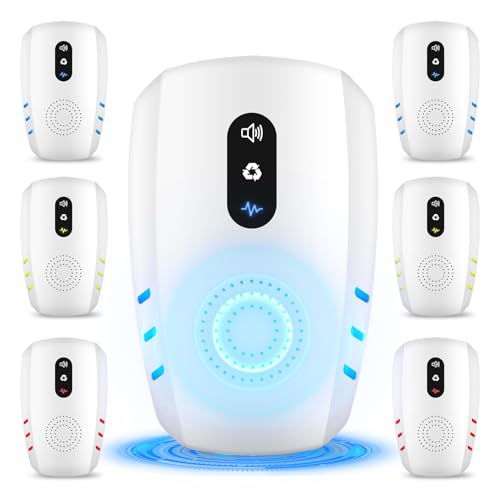
Six plug-in units in one box changes the math for apartment dwellers, since ultrasonic sound doesn’t pass through walls and each room needs its own device. This Jqely set sweeps a 10kHz-65kHz range, a spread wide enough to bother mice, roaches, ants, and spiders without a fixed tone they can adapt to. Three operating modes let you dial intensity up or down.
For a one-bedroom place, you could cover the kitchen, living room, and both sleeping areas with units to spare. The honest read: results typically take a week or two of continuous use, so patience matters.
Strong Points
- Six units mean whole-home placement without buying extras
- 10kHz-65kHz multi-frequency output resists pest habituation
- Three modes let you match intensity to the infestation
- Plug-in design needs no batteries, refills, or cleanup
Things To Consider
- Ultrasonic waves stop at walls, so uncovered rooms stay unprotected
- Expect a gradual ramp-up over one to two weeks rather than overnight results
At A Glance
Who It Suits Best
Renters and apartment dwellers who want spray-free, trap-free coverage across several rooms at once.
Where A Sibling Pick Shines
Anyone protecting a four-bedroom house will run out of units fast, and the Jqely 10 Pack version covers that footprint more comfortably.
This is the same Jqely hardware as the six-pack above, stretched to ten units for larger floor plans. Because ultrasound bounces poorly through drywall and cabinetry, a big house genuinely needs a device per room, and ten outlets’ worth of coverage handles basements, garages, and upper floors in one order. The 10kHz-65kHz sweep and three-mode control carry over unchanged.
Landlords prepping a turnover unit or owners of split-level homes get the most from this count. One practical note: leaving them plugged in year-round is the intended usage, so reserve outlets accordingly in tight kitchen setups.
Highlights
- Ten units cover multi-story homes without staggered purchases
- Identical 10kHz-65kHz frequency sweep as the smaller set
- Continuous plug-in operation means zero maintenance once placed
- Sensible for rental turnovers and seasonal cabins
Small Caveats
- Ten wall outlets tied up permanently is a real trade-off in older homes with few sockets
- Overkill for studio apartments, where the six-pack does the same job cheaper
Made For
Owners of large or multi-level homes, plus landlords equipping several rooms before a new tenant moves in.
Consider Something Else When
Smaller apartments are better served by the Jqely 6 Pack, which delivers the identical technology with fewer spare units.
Where the Jqely sets lean on mode count, the BOZFLY keeps things simpler with a two-mode toggle aimed squarely at insect problems. A single press runs a silent frequency-conversion cycle for everyday pests; a second press activates an enhanced mode with audible external sound for heavier activity. A third press shuts the unit off entirely, which is handy for bedrooms at night.
The target list runs long: mosquitoes, roaches, flies, mice, geckos, and spiders. In a bug-prone southern kitchen, that enhanced mode earns its keep during summer months, though you may find the audible setting intrusive in open living spaces.
Upsides
- Silent and enhanced modes handle both light and heavy pressure
- Frequency conversion varies output so pests don’t acclimate
- Explicit off state suits bedrooms and nurseries
- Six white units blend into standard outlet plates
Points To Note
- The enhanced mode produces external sound you’ll hear in the same room
- Only two modes, less granular than three-mode rivals
Quick Facts
Right Fit For
Homeowners in warm, humid climates where crawling and flying insects outnumber rodents as the main complaint.
Swap It Out When
Rodent-heavy garages and sheds get better results from the Victor Ultra PestChaser, which is purpose-built for mice and rats.
Most plug-in repellers quote coverage per small room; this Molding Excellence unit claims roughly 120 square meters, about 1,290 square feet, per device. That’s a meaningful difference in an open-plan great room where one outlet near the kitchen island can plausibly serve the whole shared space. Three adjustable frequency settings let you steer output toward whatever’s actually moving around.
Compared to the BOZFLY’s insect tilt, this one markets itself as an all-rounder against cockroaches, mice, mosquitoes, spiders, ants, and flies alike. Fewer units per dollar of coverage, but you’ll still want one per enclosed bedroom.
What We Like
- Large per-unit coverage suits open-concept layouts
- Three adjustable frequencies target different pest types
- No refills, sprays, or dead-pickup cleanup involved
Worth Noting
- Single-unit packaging means buying multiples for multi-room homes
- Large-area claims assume unobstructed space; furniture and walls shrink the effective zone
Feature Snapshot
Who Will Love This
Owners of loft apartments or open-plan homes who’d rather place one strong unit than scatter five weak ones.
Another Choice May Suit
Room-by-room coverage on a budget is easier with the Jqely 6 Pack, which trades per-unit reach for quantity.
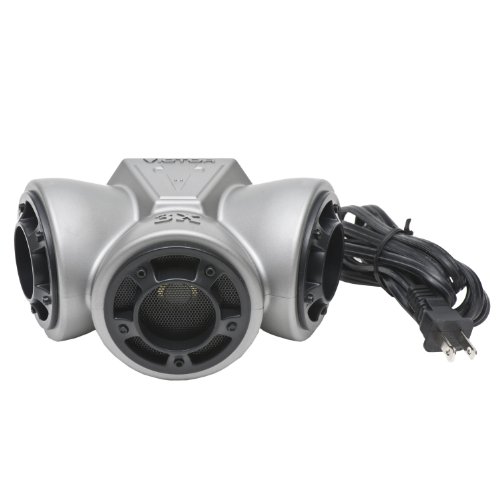
Victor has been in the rodent business for generations, and the Ultra PestChaser reflects that focus. Instead of chasing every bug in the catalog, it hammers rodents with ultrasound peaking at 100dB across a 32-62kHz band, with over 80 oscillating output patterns so mice and rats never settle into the noise. That’s serious output for serious spaces: homes, businesses, even warehouses.
The trade-off is specialization. Against roaches or mosquitoes, the generalist plug-ins above make more sense. Against a persistent mouse problem in a garage full of stored goods, this is the tool built for the job.
Bright Spots
- 100dB peak output is among the strongest in this category
- 80-plus oscillation patterns prevent rodent habituation
- Sized for large areas, including commercial spaces
- From a long-established rodent-control brand
Honest Caveats
- Rodent-only focus, so insect coverage isn’t the design goal
- At 100dB peaks, pets with sensitive hearing may react in small rooms
Spec Overview
Best Suited To
Garage, workshop, and small-warehouse owners fighting an established mouse or rat presence rather than a seasonal bug nuisance.
Look Elsewhere When
Mixed insect-and-rodent households get broader value from the NexKey repeller below, which spans a much wider frequency band.
The NexKey’s headline number is its frequency span: intelligent conversion cycling between two wave types across 15kHz-75kHz, the widest band on this list. That matters because different pests respond to different frequencies, and a broader sweep means one device can plausibly bother a roach behind the fridge and a mouse in the wall cavity. The 2026 refresh centers on that dual-frequency conversion logic.
Six plug-in units arrive per box, matching the Jqely sets on quantity. The working principle, per the maker, is sustained ultrasonic stimulation that pests find intolerable over time, so steady 24/7 placement is the intended usage pattern.
Reasons To Buy
- 15kHz-75kHz range is the widest frequency spread here
- Dual-wave intelligent conversion varies the signal continuously
- Six units support multi-room deployment
- Covers roaches, rodents, mosquitoes, spiders, and ants in one device
Softer Spots
- Long-term effectiveness depends on continuous power, so unplugged units do nothing
- Marketing leans on neuron-stimulation language that’s harder to verify than raw specs
Who Should Grab It
Households facing several pest types at once and wanting one wide-band device to handle the mix.
Reach For A Different Pick When
Pure rodent pressure in a large space calls for the Victor Ultra PestChaser’s higher-output, rodent-first design.
PEST OFFENSE takes a different technical route than the ultrasonic units above: random digital cycling, which varies the signal unpredictably rather than sweeping a fixed band. The logic is sound, since pests habituate to patterns, and randomness keeps the environment unsettled. The maker positions it against mice, rats, and roaches specifically, in homes, offices, businesses, garages, and warehouses.
The refreshed exterior design is a small but real plus for visible outlets in a storefront or reception area. One unit per enclosed space remains the rule, so offices with several rooms will want multiples.
Plus Points
- Random digital cycling resists pest adaptation better than fixed tones
- Targets both rodents and roaches, the two most common indoor complaints
- Rated for residential and commercial environments alike
- No chemicals, sprays, or mess to manage around staff or family
Minor Gripes
- Single-unit packaging adds up across a multi-room office
- Placement near soft furnishings may dampen sound projection, per common user reports
Core Details
The Right Fit
Small-business owners and office managers who need discreet, maintenance-free pest deterrence in customer-facing spaces.
Not Your Match When
Whole-home insect coverage on a set-and-forget budget is simpler with the BOZFLY six-pack and its silent daily mode.
What Matters Most Before Choosing Electronic Pest Control Repellers
Coverage and Placement Reality
Ultrasonic sound behaves like light: it travels in fairly straight lines, reflects off hard surfaces, and dies at walls. A device in the hallway does nothing for the bedroom behind it. Match the unit count to your actual room count, and favor open-plan claims like the Molding Excellence’s 1,290-square-foot rating for big shared spaces.
Frequency Range and Mode Flexibility
A wider band, such as the NexKey’s 15kHz-75kHz spread, gives pests less to adapt to. Modes matter too: silent settings suit bedrooms, while enhanced or audible settings suit garages during a heavy season. Three modes beat two when your pest pressure changes through the year.
Target Pest Match
Rodent-focused hardware like the Victor PestChaser outputs far more intensity than generalist plug-ins, but it isn’t tuned for insects. Be honest about what’s actually invading before spending.
Power and Maintenance
Every unit here draws wall power continuously. Count your spare outlets first, especially in older kitchens, and plan for year-round placement since effectiveness fades the moment a device goes dark.
Key Considerations Across These Picks
Where Shoppers Go Wrong
The classic mistake is buying one unit for a whole house, then declaring the category useless. Ultrasound doesn’t penetrate walls, so under-coverage guarantees disappointment. A second trap is expecting overnight results; most makers describe a one-to-two-week ramp as pests relocate. Give any device a fair window before judging it.
What The Higher Tier Buys
Pricier units generally buy output intensity and engineering, not magic. The Victor’s 100dB peak and 80-plus oscillation patterns cost more to build than a single fixed-frequency buzzer, and that engineering shows in large spaces. Pay up for garages, warehouses, or stubborn rodent pressure; stay budget-tier for a quiet apartment with an occasional ant trail.
Bottom Line
Electronic repellers work best as one layer in a broader approach: seal entry points, store food properly, and let steady ultrasonic pressure do the rest. Match the unit count to your rooms, pick hardware tuned to your actual pest, and give it two weeks of continuous power. Start with the Jqely six-pack for most homes, and step up to the Victor when rodents are the real problem.
