

Feeding a dog sounds simple until life gets in the way. Late meetings, weekend trips, and early shifts all collide with a hungry pet standing by an empty bowl. The right feeder closes that gap, whether you need scheduled portions from your phone, a gravity bin that refills itself, or a puzzle bowl that slows down a gulper. This shortlist covers seven options across smart dispensers, camera-equipped units, and no-electronics designs, so you can match the tool to your dog’s size, your schedule, and how much tech you actually want in your kitchen.
The Shortlist At A Glance
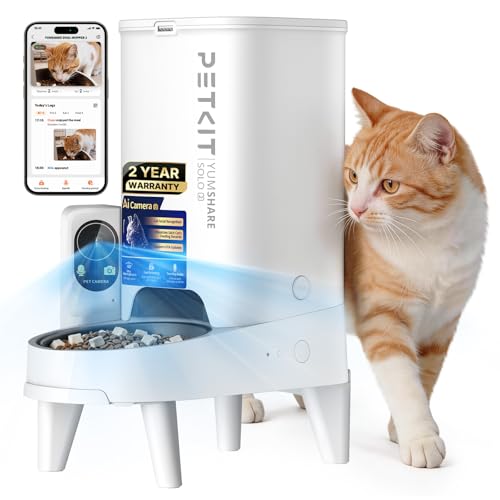
PETKIT Automatic Feeder with 1080P Camera

UTCG Large Breed Automatic Dog Feeder 12L
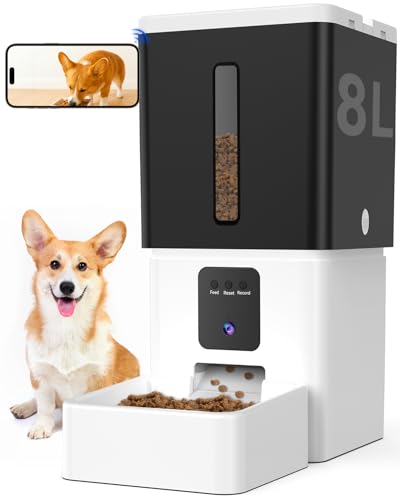
UTCG Automatic Dog Feeder with Camera 8L

KADTC Adjustable Slow Feeder Puzzle Bowl

Little Giant Chow Hound Feeder 25 Lb (2-Pack)
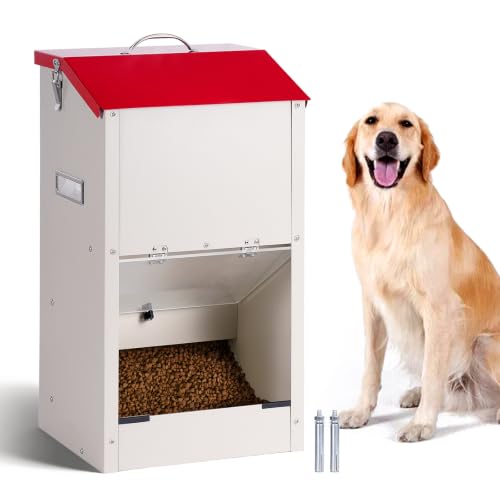
KHEARPSL 25 Lb Gravity Dog Feeder with Stand

MOLLY&CODY 14L WiFi Automatic Dog Feeder
More Details On Our Top Picks
The PETKIT unit is the pick for anyone who worries about a pet home alone. Its 1080P camera pairs a wide viewing angle with infrared night vision, so you can check the bowl at midnight as easily as noon. Two-way audio lets you talk through meal call prompts, which helps coax hesitant eaters.
It connects over 2.4GHz WiFi and includes a desiccant bag to keep kibble dry inside the hopper. Note the sizing honestly: this is built around cats and small dogs, not big breeds.
Bright Spots
- HD video with night vision means you can confirm meals happened without guessing.
- Two-way audio turns remote feeding into reassurance, useful for nervous pets.
- Motion capture alerts you when your dog approaches the bowl.
- A desiccant compartment fights stale kibble between refills.
Small Caveats
- Capacity suits small dogs; owners of Labs will want one of the larger UTCG bins below.
- Cloud video features depend on a stable 2.4GHz connection, worth checking before setup.
Who Will Love This
Apartment dwellers with small dogs or cats who travel overnight and want visual proof of feeding.
Where A Sibling Pick Shines
The MOLLY&CODY 14L feeder below fits medium-to-large dogs better, trading the camera for far bigger capacity.
Where the PETKIT targets small companions, this UTCG bin is sized for Golden Retrievers, German Shepherds, Huskies, and Rottweilers. Twelve liters holds roughly fifty cups of kibble, enough for fifteen to twenty days of meals for one large dog. That translates to fewer refills and fewer “did anyone feed him?” arguments in busy households.
Multi-dog homes get real value here too, since two big eaters can drain a smaller hopper in days. The trade-off is footprint: expect a floor-standing unit that needs dedicated space near a wall outlet.
Reasons To Buy
- Fifty-cup capacity covers weeks of feeding for large breeds without constant topping up.
- Sized specifically for big-jaw dogs that overwhelm small-breed feeders.
- Cuts refill chores dramatically for frequent travelers and shift workers.
Trade Offs
- Its bulk makes it awkward to move once filled, so plan placement carefully.
- Kibble stays fresher longest in cool, dry rooms; garages with humidity swings are a poor fit.
Right Fit For
Owners of one or more large breeds who want maximum autonomy between refills.
Consider Something Else When
Medium-dog households should look at the 8L UTCG camera model instead, which trims capacity while adding monitoring.
This second UTCG entry splits the difference nicely: eight liters, about thirty-three cups, plus an HD camera with night vision. Scheduling runs through an app over both 2.4GHz and 5GHz WiFi, and you can program up to fifteen meals daily with portion control. For dogs on strict diets, that granularity matters more than raw capacity.
In our view it’s the most complete mid-size option here, though the hopper still won’t outlast the 12L sibling on long trips.
What We Like
- Night-vision camera lets travelers verify meals and ease separation worry.
- Fifteen-meal scheduling supports medical or weight-management feeding plans.
- Dual-band WiFi gives more router flexibility than single-band rivals.
- Portion control builds consistent habits for food-motivated dogs.
Points To Note
- App setup takes some patience on first pairing, based on commonly reported experiences.
- Hopper cleaning requires full emptying, so schedule washes between food bags.
Quick Facts
Made For
Busy professionals with medium dogs who want both automation and a live view of mealtimes.
Not Your Match When
Giant-breed owners should step up to the 12L UTCG above for its longer runway between refills.
Everything above automates delivery; the KADTC changes how fast your dog eats. A flow adjustment dials meals out across five to sixty minutes, and a patented spin-to-release mechanism makes your dog nudge and think for each bite. It’s less a dispenser than a dinner game, and clever pups stay challenged as you tighten the settings over time.
No power, no app, no programming. That simplicity is exactly why it earns a spot next to the smart feeders.
Standout Traits
- Five-to-sixty-minute pacing range suits everything from mild gulpers to serious speed eaters.
- Spin-to-release play adds mental exercise alongside the meal itself.
- Keeps one dog occupied while another eats calmly nearby.
- No electronics means nothing to charge, pair, or fail.
Honest Caveats
- Manual cleaning after each meal is part of the deal, unlike sealed hoppers.
- Determined chewers may test the moving parts, so supervise early sessions.
At A Glance
Who Should Grab It
Owners of fast eaters or high-energy dogs who want engagement without another gadget on the counter.
Another Choice May Suit
Dogs needing scheduled meals away from home fit the MOLLY&CODY 14L better, since this bowl requires a human present.
Little Giant’s Chow Hound is farm-grade simplicity: heavy-gauge galvanized steel, twenty-five pounds of kibble per unit, sold as a pair. There’s no timer and no sensor, just gravity doing the work. Kennels, barns, and garages are where these earn their keep, since steel shrugs off weather and rough handling far better than plastic hoppers.
Getting two units means you can run food in one and treats in the other, or serve two separate areas.
Plus Points
- Heavy-gauge metal construction stands up to outdoor and kennel environments.
- Twenty-five-pound capacity per unit handles big appetites between fills.
- Two-pack value covers multiple stations or a food-and-treats split.
- Zero setup beyond filling; nothing to plug in or configure.
Softer Spots
- Gravity design allows continuous access, a poor match for dogs on strict portion control.
- Steel can develop surface rust in persistently damp conditions, so sheltered placement helps.
Whose Shelf It Belongs On
Rural owners, kennel operators, and anyone feeding working dogs in unheated spaces.
Skip It When
Veterinary-directed meal timing calls for the KHEARPSL or MOLLY&CODY timed dispensers instead.
The KHEARPSL brings gravity feeding indoors with a thoughtful twist: a transparent door. Your dog sees the food waiting inside, and you see the fill level at a glance, which removes the guesswork that plagues opaque hoppers. The gate is tuned so dogs push it open easily while keeping birds and other raiders out.
Compared to Little Giant’s steel pair, this one trades ruggedness for visibility and a raised stand that’s easier on tall dogs’ necks.
Highlights
- Clear door shows remaining food instantly, cutting surprise empty-bowl moments.
- Elevated stand positions the bowl at a comfortable height for large breeds.
- Optimized gate resists wildlife theft while staying easy for your dog.
- Twenty-five-pound capacity stretches refills across busy weeks.
Worth Noting
- Free-access gravity feeding won’t suit weight-managed dogs; timed models handle rations better.
- The transparent panel may cloud over time with kibble oils, so occasional wiping keeps it clear.
Best Suited To
Self-feeders with healthy, free-choice eaters who want visible supply levels without electronics.
Look Elsewhere When
Portion-scheduled households belong with the UTCG 8L, whose app handles exact meal times.
Closing the list is the most feature-complete large-dog option. Fourteen liters holds about sixty cups, enough for roughly thirty days of meals for one big eater. Six scheduled meals per day come through the iOS and Android app, with adjustable portions per serving, and remote feeding covers last-minute plan changes.
Two details set it apart: dual power supply keeps meals flowing during outages, and an anti-blockage system clears jams before they strand your dog hungry. The stainless steel bowl resists the chin acne that plastic sometimes triggers.
Upsides
- Sixty-cup capacity supports month-long stretches between refills.
- Dual power backup protects the schedule during blackouts.
- Anti-blockage design reduces jam-related missed meals.
- Stainless bowl cleans easily and suits sensitive skin.
- App control enables remote top-up feeds from anywhere.
Areas To Watch
- WiFi scheduling depends on 2.4GHz bands, common but worth confirming on older routers.
- Full hopper washes take effort given the size, so plan them around bag changes.
Feature Rundown
The Right Fit
Large-dog owners planning extended trips who want redundancy built into the hardware.
A Better Fit Elsewhere
Smaller dogs and tighter budgets pair better with the PETKIT camera feeder at the top of this list.
Choosing Between Feeders Without Regret
Match Capacity To Your Absences
Capacity math starts with your dog’s daily intake. A large breed eating four cups a day drains a 33-cup hopper in about eight days, while the same dog stretches a 60-cup unit past two weeks. Overnight trips justify modest capacity; week-long absences demand the bigger bins. Measure your actual scoop size against the listed cup figures before committing.
Timed Versus Gravity Access
Timed dispensers ration meals precisely, which matters for weight management and veterinary feeding plans. Gravity feeders let dogs graze freely, which suits self-regulating eaters but invites overeating in food-driven breeds. Most vets recommend measured meals for dogs prone to weight gain, so honest self-assessment of your dog’s habits comes first.
Power And Connectivity Realities
Smart feeders need stable 2.4GHz WiFi coverage wherever the unit sits, and basements or far corners often have weak signal. Dual-power models add outage protection that single-plug units lack. Place the feeder within reliable range before assuming app control will work smoothly.
Cleaning And Upkeep
Hoppers need periodic washing between food bags to prevent oil buildup and stale odors. Stainless bowls wipe clean faster than plastic and resist scratches that harbor residue. Choose a design you’ll actually maintain, because neglected feeders undermine every other benefit.
Key Considerations Across These Picks
Traps First Timers Fall Into
Oversizing is the classic error: a huge hopper for a small dog invites stale kibble and pest interest. The opposite mistake is buying a cute compact unit for a Rottweiler and refilling it twice weekly. Check jaw size and daily volume first, then buy.
The Upgrade Payoff
Higher-tier models add cameras, dual power, and anti-jam hardware. Those features pay off mainly for frequent travelers and owners of escape-artist eaters. Home-all-day owners with routine schedules rarely miss them.
Bottom Line
Your dog’s size, appetite habits, and your absence pattern decide everything here. Big breeds and long trips point to the MOLLY&CODY or the 12L UTCG, while camera lovers with small dogs will lean toward the PETKIT. Fast eaters get genuine value from the KADTC puzzle bowl, and no-frills setups suit the Little Giant pair. Match the feeder to the routine you actually live, and mealtimes stop being a stress point.
