

Saltwater tanks punish lazy filtration fast. Cloudy water, algae blooms, and stressed fish show up within days when your filter can’t keep up with a marine bioload. Whether you run a compact nano reef or a 150-gallon display, the right filter does most of the heavy lifting so you’re not hauling buckets every weekend. This roundup covers seven options spanning internal power filters, sponge filters, hang-on-back units, and even cut-to-size media pads, matched to different tank sizes and keeper styles. Each entry breaks down where it excels, where it falls short, and who should actually spend their money on it.
The Shortlist At A Glance

Atlantis Aqua Submersible Aquarium Filter (55-100 Gallon)
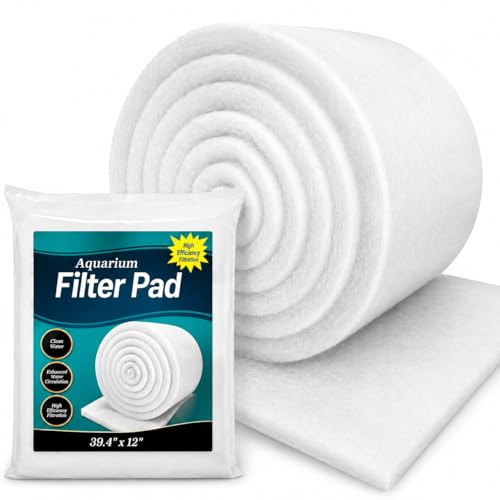
MAQIHAN Aquarium Filter Media Pad White Filter Floss

TARARIUM Turtle Tank Filter 290GPH Adjustable 20-75 Gal.
Aqueon SmartClean Power Filter with EcoRenew Cartridge (10-20 Gallon)

coospider-repta Internal Aquarium Filter for 55-150 Gallons

TARARIUM Fish Tank Filter Powerful 400GPH for 75-200 Gallon
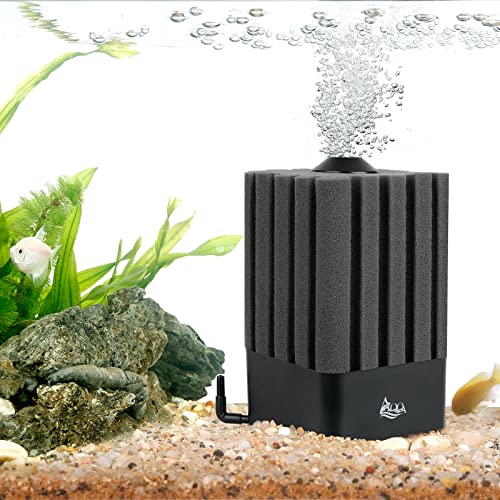
AQQA Aquarium Sponge Filter for 20-110 Gallon
More Details On Our Top Picks
Most submersible filters pull water in from side intakes, which lets some flow shortcut past the media. Atlantis Aqua takes a different route here: water enters through the bottom of the unit, forcing it through the entire filtration path before it exits. In a busy 75-gallon saltwater community tank, that design choice means fewer dead zones and less detritus settling on the substrate.
The silent operation claim matters most in living rooms and bedrooms, where pump hum becomes background noise you stop noticing until it’s gone. Placement is simple since everything sits inside the tank, though you’ll want to confirm clearance under your rockwork before committing.
Strong Points
- Bottom-draw intake pushes water through the full media column instead of letting it bypass along the sides.
- Sized to cover 55 to 100 gallon tanks, which covers most mid-size reef and fish-only setups.
- Owners commonly report quiet running once seated properly on a level surface.
- No external plumbing or drilling required, so retrofitting an established tank stays painless.
Things To Consider
- Rinsing the internal media during water changes is part of the routine, and access inside a stocked tank takes some patience.
- Submersible units add visible equipment inside the glass, unlike a hang-on-back design.
Key Specs
Who It Suits Best
Intermediate keepers running 55 to 100 gallon saltwater or freshwater community tanks who want strong turnover without visible external hardware.
Where Another Pick Suits Better
Smaller tanks under 30 gallons are better served by the Aqueon SmartClean Power Filter, which is purpose-built for the 10 to 20 gallon range.
This one isn’t a filter at all, and that’s exactly its appeal. The MAQIHAN pad is a large sheet of mechanical filter floss, roughly 39 by 12 inches, that you trim to fit whatever chamber, sump baffle, or cartridge slot your system uses. Think of it as the polish stage of filtration: it catches fine particles the sponge stages miss, which is what turns technically clean water into visually clear water.
Saltwater keepers running sumps get the most from a roll like this, since cutting custom squares beats paying for pre-cut cartridges month after month. It works in freshwater, ponds, and turtle habitats too, according to the manufacturer.
What We Like
- The oversized sheet yields dozens of custom cuts, stretching one purchase across many months of maintenance.
- Fine-fiber construction targets sediment and floating debris that coarser sponges let pass through.
- Good water permeability means decent flow without constant clogging between rinses.
Worth Noting
- You’ll need scissors and a few minutes of trimming per change, which is more hands-on than dropping in a pre-shaped cartridge.
- It provides mechanical capture only, so biological media like ceramic rings still has to do the nitrogen-cycle work.
Made For
Hobbyists with sumps, canisters, or modded HOB filters who want affordable, customizable mechanical media rather than proprietary cartridges.
Consider Something Else
Keepers wanting a complete plug-and-play unit should look at the TARARIUM 290GPH internal filter, which bundles mechanical and biological stages in one body.
Turtle tanks break normal filters. Reptiles are messy, water levels run low, and standard intakes end up sucking air half the time. TARARIUM built this 290 GPH unit specifically for that reality, with a low-water-level operating range and a three-stage layout: a double-sided mesh sponge grabs waste and leftover food first, then ceramic bio-balls host the bacteria that process ammonia, the compound that makes water toxic to aquatic life.
The adjustable flow valve is the detail worth pausing on. Crank it down for shrimp or frog habitats, open it up for a heavy-bioload turtle tub. Compared to the AQQA sponge filter later in this list, this one moves far more water and handles bigger messes.
Highlights
- Three-stage design pairs mechanical capture with ceramic bio-media for genuine biological processing.
- 290 GPH turnover suits tanks from 20 up to 75 gallons, including shallow reptile setups.
- Adjustable output lets you tune current strength for delicate species.
- Works in both freshwater and saltwater systems.
Trade Offs
- The sponge stage needs regular rinsing in removed tank water, and turtle waste loads mean that chore comes around often.
- An internal footprint eats swimming space in smaller 20 gallon enclosures.
At A Glance
Right Fit For
Reptile and amphibian keepers with shallow, messy habitats who need low-water operation and tunable flow in one package.
A Better Fit Elsewhere
Pure fish-only tanks over 75 gallons will outgrow this unit quickly; the TARARIUM 400GPH model below is the stronger match there.
Water changes are the chore that decides whether beginners stick with the hobby, and Aqueon clearly designed around that insight. The SmartClean mechanism lets you perform partial changes without pulling the filter off the tank, routing dirty water out cleanly instead of splashing it across your stand. For anyone keeping a 10 to 20 gallon nano reef or betta setup on a desk, that difference shows up every single week.
The EcoRenew cartridge slots in and out without fuss, and adjustable flow plus quiet operation round out a package aimed squarely at first-time keepers. It’s a hang-on-back unit, so it keeps the inside of your aquascape clear of equipment, a real advantage over the internal picks in this list.
Upsides
- SmartClean technology simplifies partial water changes into a quick, low-mess routine.
- Hang-on-back placement leaves tank interiors free for rockwork and livestock.
- Adjustable flow suits both calm betta tanks and busier community nanos.
- Rated for freshwater and saltwater alike, giving new marine keepers flexibility.
Minor Gripes
- Proprietary cartridges create ongoing replacement costs compared to cut-your-own media like the MAQIHAN pad.
- Capacity tops out at 20 gallons, so it won’t grow with an expanding hobby.
Best Suited To
First-time saltwater or freshwater keepers running small desktop and starter tanks who value easy maintenance over raw power.
Another Choice May Suit
Larger 40-plus gallon systems need more muscle; the coospider-repta internal filter handles up to 150 gallons with room to spare.
Big tanks need big turnover, and this coospider-repta unit brings a 300 GPH pump rated for aquariums from 55 all the way to 150 gallons, plus ponds and koi tubs. That range puts it a tier above the Atlantis Aqua pick in coverage, making it the option for keepers whose systems keep growing. A dual-layer black biochemical sponge handles odor and particle removal, while an adjustable aeration valve lets you boost dissolved oxygen, something saltwater fish and turtles both respond to with noticeably better activity levels.
The wave-making function adds surface agitation, which helps gas exchange in tall tanks where stagnant surface film tends to form. One honest caveat: at this output, current-sensitive species may need the valve dialed back.
Bright Spots
- 300 GPH pump covers an unusually wide 55 to 150 gallon span, including pond applications.
- Adjustable aeration raises oxygen levels for healthier, more active stock.
- Dual-stage deep sponge tackles odors and fine impurities together.
- Wave-making action improves surface gas exchange in deeper displays.
Room For Improvement
- Strong default flow can stress slow swimmers unless you moderate the output valve.
- Sponge media requires routine squeezing during water changes to hold peak flow.
Quick Facts
Who Will Love This
Keepers of large fish-only marine tanks, turtle tubs, and outdoor koi containers who want one powerful internal unit instead of stacked smaller filters.
Reach For A Different Pick
Nano and mid-size tanks are overserved here; the Aqueon SmartClean fits 10 to 20 gallon systems far more proportionally.
This is the muscle car of the list. At 400 GPH, TARARIUM’s flagship circulates tanks from 75 to 200 gallons and even pulls double duty in small ponds and fountains. Three-stage deep filtration works as a full water-circulation system, and many owners report it stretches the interval between water changes considerably in large displays.
The clever bit is the transparent housing. Because the black sponge sits in a clear box, you can see dirt accumulate and judge cleaning time at a glance instead of guessing. Compare that to the sealed Atlantis Aqua unit, where you’re rinsing on a schedule regardless of actual load. For busy keepers managing a big saltwater system alongside work and family, that visibility alone justifies the choice.
Reasons To Buy
- 400 GPH three-stage circulation handles very large tanks and reduces water-change frequency.
- Transparent body shows sponge fouling instantly, taking guesswork out of maintenance timing.
- Doubles as a fountain or small pond pump, adding versatility beyond the aquarium.
- Wave-maker function supports surface movement in wide displays.
Points To Note
- High output generates noticeable current; delicate species may need flow redirection or a lower-rated sibling like the 290GPH model.
- Internal placement means lifting a larger unit out for deep cleans.
Feature Snapshot
The Right Fit
Experienced keepers running 75 to 200 gallon saltwater or freshwater displays who prioritize maximum circulation and easy status checks.
Swap It Out
Smaller tanks under 75 gallons would be overwhelmed; step down to the coospider-repta 300 GPH unit for a better-matched flow rate.
Sponge filters run on air, not impellers, and that single fact explains their loyal following among breeders. The AQQA unit connects to an external air pump via 4mm airline tubing (neither included), producing a whisper-quiet, gentle flow that won’t pin tiny fry against the intake or shred shrimp antennae. Betta keepers love them for the same reason: no strong current, no stressed fins.
The vertical-pattern sponge provides substantial surface area for beneficial bacteria while trapping debris mechanically. Against the powered TARARIUM units earlier in this list, it trades raw turnover for safety and silence, and in breeding or shrimp tanks that trade is worth making every time. Just budget for the air pump separately.
Plus Points
- Air-powered operation delivers near-silent running suitable for bedrooms and offices.
- Gentle flow protects bettas, shrimp, and fragile fry from intake injury.
- Dual-stage vertical sponge offers both mechanical capture and bacterial housing.
- Sized flexibly from 20 up to 110 gallons depending on paired air pump strength.
Small Caveats
- An external air pump and 4mm hose are required purchases, so factor those into your setup cost.
- Sponges need periodic squeezing in removed tank water, and they colonize slowly in brand-new tanks.
Core Details
Whose Shelf It Belongs On
Breeders, shrimp keepers, and betta owners who prize gentle flow and quiet operation over high-volume turnover.
Where A Sibling Pick Shines
Heavy-bioload turtle tanks need powered suction; the TARARIUM 290GPH internal filter clears waste far faster than any air-driven sponge.
Matching A Filter To Your Tank’s Real Demands
Size And Turnover First
Match the rated gallon range to your actual tank volume, then lean toward the upper end for saltwater. Marine systems carry heavier bioloads than planted freshwater, and underpowered filtration shows up as persistent nitrate and algae problems within weeks. A 75-gallon reef, for instance, sits comfortably in the range of both the Atlantis Aqua and coospider-repta units covered above.
Flow Style Matters As Much As Power
Delicate stock changes the equation entirely. Seahorses, shrimp, and fry need gentle, diffuse current, which is why air-driven sponge designs persist despite modest specs. Aggressive fish and turtle habitats demand the opposite: high GPH and coarse mechanical capture. Decide what swims in your tank before comparing numbers.
Maintenance Reality Check
Every filter trades convenience somewhere. Proprietary cartridges cost recurring money, sponges need manual rinsing, and transparent housings trade looks for visibility. Honest self-assessment about how often you’ll actually service the unit prevents the most common regret in this category.
Key Considerations Across These Picks
Traps First Timers Fall Into
The classic error is buying for tank size alone and ignoring bioload. A lightly stocked 40-gallon and a turtle tub of the same volume need completely different machines. The second slip is skipping the air pump line item on sponge filters, then discovering the filter can’t run standalone. Read the accessory requirements before checkout, not after.
When Paying More Pays Off
Higher-tier units earn their cost through flow rate, multi-stage media, and smarter maintenance features like visible dirt indicators or tool-free water changes. Spending up makes sense above roughly 50 gallons or with messy livestock. Below that threshold, a basic well-matched filter outperforms an oversized one every time.
Closing Thoughts
Saltwater success starts with matching filtration to your specific tank, stock, and maintenance habits rather than chasing the biggest number on the box. Every option here earns its place for a distinct kind of keeper, from nano-tank beginners to 200-gallon display veterans. Measure your tank, count your fish, and choose accordingly. Your water clarity will tell you quickly whether you got it right.
