

Finches are picky diners, and the wrong feeder sends them straight to your neighbor’s yard. Nyjer seed is tiny and expensive, so a feeder that leaks, clumps, or holds water wastes money fast. The seven options below cover both ends of the spectrum: disposable sock feeders you can hang today, and all-metal tube designs built to survive seasons of weather. Whether your yard draws goldfinches, siskins, or chickadees, there’s a fit here for how often you actually want to refill.
The Shortlist At A Glance

Mr. Canary Yellow ‘Pair of Socks’ Finch Sock Feeders, 2pk

MIXXIDEA Finch Bird Feeder Hanging Metal Thistle Seed Feeder

MIXXIDEA Finch Bird Feeder Hanging Metal Thistle Seed Feeder

Gtongoko Finch Feeders All Metal Mesh Tube Bird Feeder Green
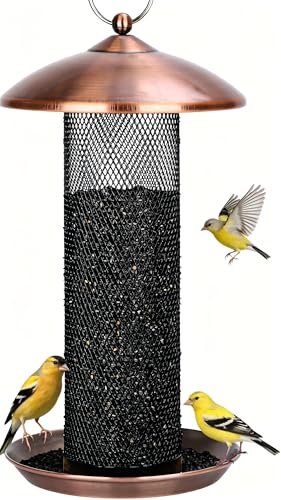
Gtongoko Finch Feeders All Metal Mesh Tube Bird Feeder Copper
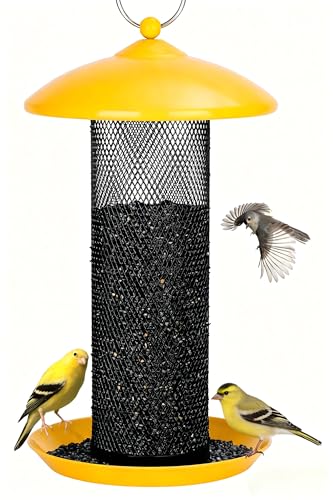
Gtongoko Finch Feeders All Metal Mesh Tube Bird Feeder Yellow

iBorn Finch Feeder Nyjer/Thistle 14 Inch Tube (Yellow)
More Details On Our Top Picks
Sock feeders work differently from every other design here. Instead of perches and ports, finches cling directly to a nylon mesh bag and pull seed from any angle, which makes for genuinely entertaining viewing from a kitchen window.
This two-pack arrives pre-filled with sterilized Nyjer seed, roughly 24 ounces total, so there’s nothing to assemble or buy before hanging. For most backyards, that means birds can find it within days rather than weeks.
Strong Points
- Comes filled and ready, so first-time hosts skip the seed-buying step entirely
- Two separate bags let you spread feeding spots around the yard and reduce crowding
- Fabric surface gives small songbirds a natural clinging grip no rigid tube matches
- Sterilized seed formulation avoids the sprouting and infestation issues raw seed sometimes causes
- All-season use means one purchase covers winter flocks and summer molting visitors alike
Things To Consider
- Nylon mesh wears faster than metal, and wet weather shortens its usable life, so plan on replacing bags periodically
Key Specs
Made For
Anyone hosting finches for the first time who wants results this week without learning feeder maintenance yet.
A Better Fit Elsewhere
Shoppers wanting a multi-year fixture should look at the Gtongoko green mesh tube instead, since its all-metal build outlasts fabric by seasons.
Where the Mr. Canary socks trade durability for simplicity, this MIXXIDEA tube goes the other way: a clear plastic body framed in metal, hung from a branch or hook with no tools at any point. The transparent walls are the real selling point, because you can see the seed line from indoors and refill before the feeder runs dry.
Eight feeding ports mean several goldfinches can eat at once, and the same layout also suits chickadees, sparrows, and even woodpeckers willing to perch. Cleaning is a lid-off job, and regular rinsing is what keeps these tubes serving for multiple seasons.
What We Like
- See-through tube shows seed levels at a glance, ending surprise empty-feeder mornings
- Tool-free lid opens wide enough for both filling and scrubbing
- Eight ports cut squabbling during peak morning traffic
Small Caveats
- Plastic tubing can cloud and crack over years of sun exposure compared with the Gtongoko’s full-metal body
- Seed capacity isn’t published, so heavy-traffic yards may refill more often than expected
- Perch spacing favors smaller birds; larger species may crowd the ports awkwardly
Who Should Grab It
Gardeners testing whether finches will visit at all, who’d rather spend little before committing to premium hardware.
Swap It Out When
The Gtongoko copper model suits anyone already certain about finch feeding and wanting weatherproof construction instead.
This listing shares its design DNA with the MIXXIDEA above: metal-framed clear tube, eight ports, tool-free maintenance. The difference comes down to availability and timing, since stock of one variant tends to appear while the other sells through. Functionally, you’re choosing between two doors into the same house.
In practice, owners commonly report the same routine working well: pop the lid, pour thistle or Nyjer, rinse monthly. The wide port count matters most once a local flock discovers the feeder, when six birds on one tube stop being a novelty and start being a traffic jam.
Highlights
- Eight ports handle simultaneous feeders without constant sparring
- Clear body doubles as a seed gauge, so refills happen on schedule
- Lid-off cleaning needs no brushes beyond a standard bottle brush
- Attracts goldfinches plus chickadees, sparrows, and woodpeckers for a livelier yard
Worth Noting
- Same plastic-body longevity question as its sibling; shade placement extends life noticeably
- Capacity figures aren’t specified, so match expectations to flock size conservatively
Quick Facts
Right Fit For
Suburban yards with established finch populations that justify a higher-capacity group feeder.
Consider Something Else When
Wet-climate gardeners will get better seed protection from the iBorn 14-inch tube, whose drainage holes shed rainwater.
This is where the list shifts from entry-level to buy-once hardware. Every surface is metal, including the mesh shell, and the 2.5-pound seed capacity means a week or more between refills for typical backyard flocks. Compared with the MIXXIDEA tubes, you’re trading visibility for longevity.
The 0.24-inch mesh openings deserve a mention: they’re sized so finches can grip and extract seed while larger bully species struggle, which quietly solves the squirrel-and-grackle problem cheaper feeders create. Refilling uses a removable lid over a wide opening, and the detachable tray lifts out for washing.
Upsides
- All-metal construction shrugs off sun, snow, and squirrel attention season after season
- 2.5 lb capacity cuts refill trips to roughly weekly for average flocks
- Fine mesh naturally filters for small-beaked birds, discouraging bigger raiders
- Detachable seed tray empties and washes without disassembling the whole unit
Points To Note
- You can’t see remaining seed levels through opaque metal, so lifting the lid becomes part of the routine
Details At A Glance
Whose Shelf It Belongs On
Committed backyard birders who’d rather maintain one sturdy feeder than replace plastic ones every couple of years.
Reach For A Different Pick When
Apartment dwellers with limited rail space may prefer the compact Mr. Canary socks, which weigh almost nothing and store flat.
Everything said about the green Gtongoko applies here, because mechanically this is the same feeder: 2.5-pound capacity, 0.24-inch mesh, removable lid and tray. What changes is the finish. The copper tone reads warm against brick, wood siding, and autumn foliage in a way the green version doesn’t attempt.
That sounds cosmetic until you consider where feeders actually live: visible from your best window, often near seating areas. Owners tend to report the copper finish aging gracefully outdoors, developing character rather than looking worn. Birds don’t care either way, so this choice is purely about your view.
Bright Spots
- Copper finish complements garden settings where green hardware would disappear or clash
- Identical 2.5 lb capacity means the same low-frequency refill schedule
- Wide-mouth fill and lift-out tray keep the upkeep identical to its sibling
- Fine mesh continues filtering for goldfinches, siskins, and other small-beaked visitors
Honest Caveats
- Opaque metal hides seed levels, and some owners add a simple check to their weekly routine
- Decorative finishes can show weathering differently than plain powder coat depending on local conditions
Spec Overview
Perfect Match For
Homeowners treating the feeding station as part of the landscape design rather than hidden utility gear.
Not Your Match When
Practicality-first shoppers get the identical function for less visual commitment from the Gtongoko green model earlier in this list.
Third in the Gtongoko family, this yellow variant carries the same 2.5-pound capacity and 0.24-inch mesh as its green and copper siblings. The color argument here is different though: bright yellow happens to echo the plumage of American goldfinches themselves, and some birders believe high-visibility feeders get discovered faster by passing flocks. That’s anecdotal rather than proven, but the logic tracks.
Against the MIXXIDEA tubes reviewed earlier, this one still wins on build quality; against its own siblings, it wins on visibility from a distance. Same removable lid, same detachable tray, same weekly-ish refill rhythm.
Plus Points
- High-visibility yellow stands out against foliage, potentially speeding discovery by new flocks
- Full metal body and fine mesh deliver the same finch-first feeding as the rest of the range
- 2.5 lb hold reduces refill frequency for busy households
Softer Spots
- Opaque walls mean seed checks stay manual, a common note among mesh-feeder owners
- Bold color divides opinion; some patios suit it, others don’t
- Three near-identical variants make choosing mostly an aesthetic exercise
Who Will Love This
Rural and suburban hosts hanging feeders well away from the house, where being spotted from the air matters more than blending in.
Another Choice May Suit
Shoppers prioritizing discreet garden styling will likely prefer the copper Gtongoko, which offers the same mechanics in a quieter finish.
The iBorn closes the list by solving the problem the Gtongoko metal tubes can’t: wet seed. Four drainage holes sit at the base of the tube, letting rainwater escape instead of pooling and turning Nyjer into a clumped, spoiled mess. In rainy regions, that single detail separates feeders that last from feeders that get dumped out monthly.
Above those holes, V-shaped spacers inside the tube stop seed from packing down at the bottom, so birds can actually reach the last portion instead of abandoning it. Twelve small ports and eight metal perches round out a design clearly drawn from years of accumulated feeder complaints.
Reasons To Buy
- Base drainage holes protect seed freshness through wet spells, protecting both seed budget and bird health
- V-shaped internal spacers prevent bottom-of-tube waste that plagues plain tubes
- Twelve ports plus eight metal perches support the largest simultaneous crowd in this lineup
- Fourteen-inch length balances capacity against a footprint that fits modest hanging spots
- Metal perches resist chewing far better than plastic equivalents
Minor Gripes
- More ports mean more surfaces to scrub during cleaning sessions
- Seed capacity isn’t stated by the maker, so gauge refill intervals by observation
Core Details
Best Suited To
Birders in rainy or humid climates who’ve lost seed to moisture before and want engineering that anticipates it.
Look Elsewhere When
Dry-region minimalists who value wipe-clean simplicity over drainage hardware may find the MIXXIDEA tube easier to live with.
Choosing Between These Feeders: What Actually Matters
Seed Type And Port Size Come First
Nyjer, sometimes labeled thistle, is a tiny oily seed that finches love and most other birds ignore. A feeder built for it has small ports or fine mesh, usually around a quarter inch, which keeps seed from pouring out while letting finch beaks work. Buy a general-purpose feeder and you’ll watch expensive Nyjer spill onto the ground unused.
Match the mechanism to your goal. Sock-style mesh bags maximize clinging space for big flocks, while tube designs with perches offer tidier, more controlled feeding.
Capacity Versus Refill Discipline
A 2.5-pound hopper like the Gtongoko’s suits people who travel or simply forget, since it stretches refills toward weekly. Smaller tubes demand more attention but let you adjust seed quantity to actual bird traffic, which matters because stale Nyjer turns birds away faster than an empty feeder does.
Honest self-assessment helps here: choose the size matching the maintenance rhythm you’ll actually keep, not the one you intend to keep.
Material And Climate
Plastic tubes cost less and show seed levels, but UV exposure eventually clouds and cracks them. Full-metal builds cost more up front and shrug off squirrels, sun, and winters. Wet climates add a third factor: drainage holes, like the iBorn’s four base ports, prevent the spoiled-seed problem that no material choice fixes alone.
Placement matters too. Shaded spots extend plastic lifespan; exposed hooks favor metal.
Key Considerations Across These Picks
Traps First Timers Fall Into
The classic error is buying a large-capacity feeder before confirming finches actually visit your area. Start small, confirm traffic, then scale up. Another frequent misstep: skipping the cleaning routine. Even well-built feeders need periodic rinsing, and neglected ones quietly drive birds to cleaner yards down the street.
Where The Extra Money Goes
Higher-tier models pay for metal construction, finer mesh tolerances, and drainage engineering. Those features don’t attract more birds directly; they reduce wasted seed, replacement purchases, and maintenance time. Over three or four seasons, the sturdier option typically costs less per year of use.
Closing Thoughts
The right feeder depends less on the product and more on your habits. Casual starters get the fastest win from the pre-filled Mr. Canary socks, while committed backyard birders will appreciate the Gtongoko metal tubes or the drainage-equipped iBorn for the long haul. Whichever route you take, hang it where you’ll actually see it, keep the seed fresh, and the goldfinches will handle the rest.
