

A community tank lives or dies by what goes in the water twice a day. The right food keeps colors sharp, growth steady, and ammonia where it belongs: near zero. The wrong one clouds your tank and quietly stresses every fish in it. This shortlist covers flakes, crisps, sinking pellets, and bulk tubs so you can match food to the fish you actually keep.
The Shortlist At A Glance

API TROPICAL FLAKES Fish Food .36-Ounce Container

Tetra TetraMin XL Tropical Flakes 2.82 Ounces

Color Enhancing Tropical Fish Flakes with Spirulina & Shrimp 2.5lb Bulk
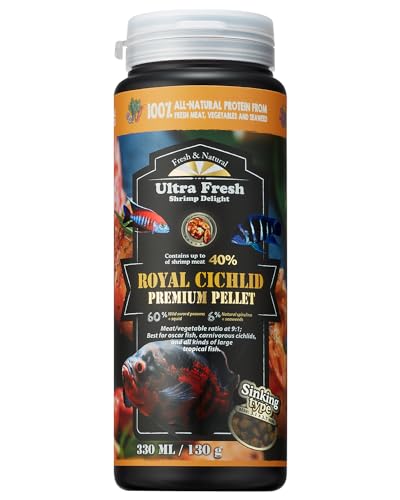
Ultra Fresh Cichlid Sinking Fish Food Wild Sword Prawns 4.58 oz

Tetra 77072 TetraPRO Tropical Crisps for Fishes 2.37 oz

8 OZ Ultrathin Tropical Fish Flakes High Protein Krill & Spirulina

Tropical Fish Flake Krill, Color Enhancing, Spirulina Flake 1/4-lb
More Details On Our Top Picks
The .36-ounce container is the trial-size entry point here, and that’s exactly its charm. In a ten-gallon community tank of tetras, guppies, and corydoras, a small canister stays fresh far longer than a big tub slowly oxidizing on the shelf.
API builds this blend around menhaden and squid, two marine proteins that supply amino acids for steady growth. The formulation is also designed to be digested efficiently, which means less uneaten food rotting in your gravel and clearer water between changes.
Strong Points
- Menhaden and squid deliver amino acids that support even growth across mixed species
- Nutrient-efficient digestion translates to less waste and cleaner water between maintenance days
- Small container suits nano tanks where freshness matters more than volume
- Simple twice-daily feeding routine fits any schedule
Things To Consider
- The tiny size runs out fast in tanks over 30 gallons, so frequent repurchasing gets old
- Flake format floats briefly before sinking, which bottom dwellers may miss entirely
Key Specs
Who It Suits Best
New fishkeepers running a first community tank who want a trusted staple without committing to bulk quantities.
A Better Fit Elsewhere
Keepers of larger tanks will get more mileage from the Tetra TetraMin XL Tropical Flakes, whose 2.82-ounce canister and bigger flakes suit bigger mouths.
Standard flakes disappear in seconds when angelfish, gouramis, or silver dollars are on the hunt. Tetra’s XL version cuts larger flakes aimed squarely at bigger top- and mid-water feeders, so one pinch actually satisfies instead of vanishing.
The Active Life Formula layers antioxidants, select proteins, and prebiotics into the mix. Prebiotics feed beneficial gut bacteria, which improves digestion, and better digestion is what keeps a busy tank’s water from turning hazy. Owners commonly report this blend holds together without dissolving into mush at the surface.
What We Like
- Oversized flakes suit large top- and mid-feeding species that outpace standard flake sizes
- Prebiotics support digestion, reducing waste output in heavily stocked aquariums
- Clear-water formulation resists clouding when feeding directions are followed
- 2.82 ounces lasts months in a typical 40-gallon setup
Worth Noting
- XL flakes are too chunky for small-mouthed fish like neon tetras, who may struggle to bite pieces off
- You’ll want to crush flakes by hand for juvenile fish until they grow into them
Right Fit For
Intermediate hobbyists keeping medium-to-large community fish such as angelfish, gouramis, and rainbowfish.
Where A Sibling Pick Shines
Nano-tank keepers with bettas and guppies should look at the capuca Ultrathin Tropical Fish Flakes instead, whose paper-thin flakes suit tiny mouths.
Two and a half pounds of flake is serious volume, roughly the kind of supply that carries a multi-tank fishroom through the year. South Shore Retail builds this blend on whitefish meal, a leaner protein source than the oily-fish meals used in many budget blends, paired with shrimp, brine shrimp, krill, plankton, kelp, and spirulina.
Vitamin C fortification rounds out the profile, which matters because fish can’t synthesize vitamins on their own and depend entirely on diet. The reusable plastic jug with a carry handle also beats resealing torn bags, though you may find the wide mouth awkward under a shelf.
Upsides
- Whitefish meal offers higher protein and lower fat than standard oily-fish meal bases
- Krill, spirulina, and shrimp work together to deepen reds and oranges over weeks of feeding
- Bulk quantity slashes per-feeding cost for multi-tank setups
- Reusable handled container simplifies storage and scooping
- Vitamin C enrichment supports normal growth and everyday health
Small Caveats
- A 2.5-pound tub exposed to humidity clumps over time, so a cool, dry cupboard matters more here than with small canisters
- One blend serves freshwater, goldfish, pond, and marine fish, which trades specialization for versatility
Feature Snapshot
Made For
Hobbyists running three or more tanks, or pond and aquarium keepers who go through staple food quickly.
Swap It Out When
Single-tank owners should choose the API TROPICAL FLAKES small container instead, since bulk quantities risk going stale before use.
Every other pick on this list floats; these pellets sink, and that single difference makes them the natural fit for carnivorous cichlids like oscars, Jack Dempseys, and mid-water peacocks that ignore surface flakes. The recipe leans hard on fresh protein: up to 40 percent sword prawns plus acetes and squid, balanced against vegetables and seaweed at a stated 9:1 meat-to-plant ratio.
There’s no artificial coloring or flavoring in the ingredient list, just fresh-pick garlic, spirulina, and seaweed alongside the seafood. Garlic is widely used among hobbyists to tempt fussy eaters onto new foods, and palatability is this pellet’s headline claim. In our view, it’s the most purpose-built option here for predatory species.
Bright Spots
- Sinking pellets reach mid- and bottom-level carnivores that ignore floating flakes
- Up to 40% fresh sword prawn content drives strong feeding response
- No artificial flavors, colors, or byproducts in the ingredient list
- Garlic and squid improve acceptance in picky or newly acquired fish
Points To Note
- Meat-heavy pellets break down faster if left uneaten, so portion carefully in planted tanks
- Formulated for carnivores, making it a poor standalone choice for herbivorous or omnivorous communities
Quick Facts
Who Will Love This
Cichlid keepers with large predatory species that need a meat-forward, sinking diet rather than generic flakes.
Consider Something Else When
Community tanks full of small omnivores are better served by the TetraPRO Tropical Crisps, which suit generalist feeders.
Crisps occupy a middle ground between flakes and pellets: uniform in size, slow to sink, and easier to dose consistently than a crumbling pinch of flake. Tetra manufactures these using a low-heat process, a detail that sounds technical but has a real payoff, since gentler processing preserves more of the heat-sensitive vitamins that ordinary high-heat extrusion degrades.
Biotin is added to support immune function, and the crisp base carries a high content of natural color enhancers. Compared with the TetraMin XL earlier in this list, this is the more refined option for show-quality fish, while the XL remains the workhorse for hungry larger species.
Plus Points
- Low-heat production retains vitamins that conventional processing can degrade
- Biotin enrichment supports immune system function day to day
- Natural color enhancers help develop richer reds and blues over consistent feeding
- Uniform crisp size makes portioning predictable and reduces guesswork
Minor Gripes
- The 2.37-ounce canister is modest, so heavy stocking means repurchasing sooner than with bulk options
- Crisps float longer than flakes, which bottom-feeders in the same tank won’t reach
At A Glance
Whose Shelf It Belongs On
Dedicated tropical keepers chasing visible color improvement in tetras, barbs, and livebearers.
Not Your Match When
Budget-focused keepers feeding several tanks will stretch further with the South Shore Retail 2.5lb bulk flakes.
Small-mouthed fish are the underserved crowd in most flake aisles. Capuca grinds its flakes ultrathin specifically so bettas, guppies, zebra danios, and young angelfish can bite off manageable pieces instead of wrestling with chunky fragments. Antarctic krill and astaxanthin, a natural pigment compound, anchor the color-enhancing side of the formula alongside spirulina.
The blend also includes probiotics intended to help break down waste and residue in the water column. That’s a helpful secondary benefit, though nothing replaces proper filtration and regular water changes. One honest caveat: an 8-ounce bag of thin flakes goes a long way, so seal it tightly between feedings to preserve freshness.
Reasons To Buy
- Ultrathin flake design suits bettas, guppies, and other small-mouthed species
- Astaxanthin and spirulina promote rich coloration with continued feeding
- High-quality protein, calcium, and natural vitamins support steady growth
- Probiotics assist in breaking down waste between cleanings
Softer Spots
- Thin flakes crush easily in transit, producing some powder at the bottom of the bag
- An 8-ounce supply demands careful sealing and dry storage to stay fresh
Who Should Grab It
Nano-tank and betta keepers who need a fine-flake staple sized for tiny mouths.
Reach For A Different Pick When
Tanks stocked with larger fish will do better with the Tetra TetraMin XL Tropical Flakes and their oversized flake format.
Aquatic Foods Inc. takes a small-batch approach that shows up in one specific way: the company sifts its flakes before packing to strip out dust and broken particles. Less powder entering the tank means less film on the surface and fewer clogged filter intakes, a nuisance anyone who has fed cheap flakes knows well.
The quarter-pound bag sits neatly between trial sizes and bulk tubs, built around anchovy fish meal and krill meal with a minimum 40% protein content. Spirulina and krill handle the color-enhancing duties. Depending on how heavily you stock, expect this bag to last a casual community tank a couple of months.
Standout Traits
- Pre-packed sifting removes most dust and crumb particles before shipping
- Minimum 40% protein from anchovy and krill meal supports active growth
- Quarter-pound size balances freshness against value better than both extremes
- Krill and spirulina deliver natural color enhancement
Honest Caveats
- Bagged packaging seals less reliably than rigid containers once opened, so a clip or transfer jar helps
- Smaller net weight costs more per ounce than true bulk purchases
Core Details
Built With In Mind
Color-focused hobbyists who dislike dusty flakes and want a quality mid-size supply for a single display tank.
Another Choice May Suit
Volume feeders should step up to the South Shore Retail 2.5lb bulk tub, which lowers per-ounce cost considerably.
What Matters Most Before Choosing Fish Foods For Tropical Fish
Match The Format To The Mouth
Flake size determines who eats well and who goes hungry. Ultrathin flakes suit bettas and small livebearers, while XL formats serve angelfish and gouramis. Sinking pellets reach mid-water carnivores that never rise to the surface. Observe where your fish feed for a week before buying; the answer usually picks the product for you.
Read The Protein Story
Protein source matters as much as percentage. Whitefish meal runs leaner than oily-fish meals, fresh prawn delivers strong palatability for predators, and krill adds both protein and natural pigment. Carnivorous species need meat-forward ratios, while community omnivores thrive on balanced blends with vegetable matter included.
Think About Water Impact
Whatever your fish don’t eat decays into ammonia, and ammonia stresses gills and clouds water. Formulas marketed for digestibility and low waste genuinely reduce maintenance frequency. Feed only what disappears within about three minutes, twice daily, and no food choice can compensate for chronic overfeeding.
Weigh Freshness Against Value
Bulk tubs cut cost dramatically but degrade faster once opened, especially in humid rooms. Small canisters stay fresher but cost more per ounce. Multi-tank keepers justify bulk; single-tank owners rarely finish a large tub before quality slips.
Key Considerations Across These Picks
Traps First Timers Fall Into
The classic error is buying one giant tub of generic flake for a mixed tank and calling it done. Species-specific needs get ignored, half the food sinks unread, and water quality pays the bill. Another common slip: ignoring flake size entirely. Match particle size to the smallest mouth in the tank, not the largest.
What Separates Premium From Basic
Higher-tier foods spend their extra cost on ingredient quality and processing. Low-heat manufacturing preserves vitamins, fresh prawn replaces rendered meal, and prebiotics replace filler. Paying up makes sense for show fish, picky carnivores, or densely stocked tanks where water clarity is fragile. Casual setups with hardy fish often do fine on solid staples.
Closing Thoughts
The best food is the one matched to your actual stock, not the biggest name on the label. Start with API’s small container for a new community tank, step up to Ultra Fresh for carnivorous cichlids, and grab the bulk whitefish tub once your fishroom grows. Whatever you choose, feed lightly, store it dry, and your fish will show the difference within weeks.
