A musty smell drifting off the tank is usually a sign of dissolved organics, ammonia buildup, or exhausted filter media, and it shows up in living rooms and offices long before water turns visibly cloudy. The right treatment depends on your setup: liquid conditioners act fast, carbon media scrubs continuously, and clarifying pouches handle haze between cleanings. This shortlist covers all three approaches so you can match the fix to the problem instead of guessing at the shelf.
The Shortlist At A Glance
PickWhy We Picked ItBest ForAction
Editor’s Choice
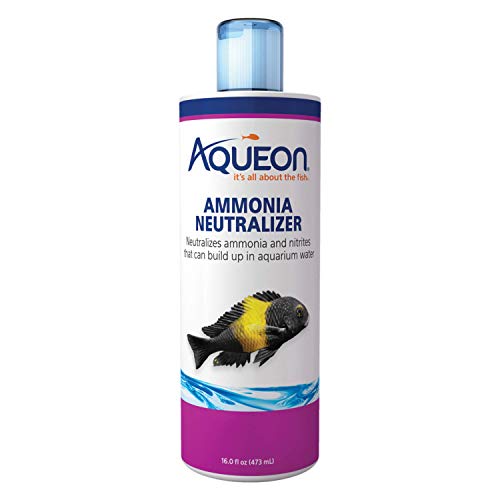
Aqueon Ammonia Neutralizer Water Conditioner 16 Fl Oz
Dual-action liquid dosing
New tanks, ammonia spikes
Value Pick
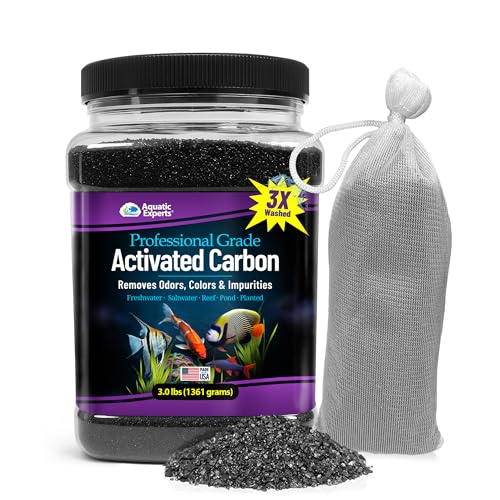
Aquatic Experts Premium Activated Carbon 3 lbs with Mesh Bag
Bulk supply, included bag
Multi-tank hobbyists

Performance Leader
Boyd Enterprises Chemipure Filter Media 10-Ounce
Carbon plus ion exchange
Reef and marine keepers

Compact Choice
Tank Pals Clarence the Clarifier Fish (Purple)
Set-and-forget clarity
Kids’ and starter tanks

Practical Pick
Mars Safe/easy Aquarium Cleaner
Cuts mineral crust fast
Hard-water households

Budget Friendly
Sukh Activated Carbon Pellets 410g
Acid-free pellet format
Tight budgets, small tanks

Feature Rich
API Super Activated Carbon Canister Filter Pouch
No-mess sealed pouch
Canister filter owners
More Details On Our Top Picks
Fish waste and decaying food push ammonia upward, and ammonia is what your nose registers before anything looks wrong. This bottle handles both jobs at once: it neutralizes harmful ammonia and nitrites while conditioning tap water during changes. One dose covers the whole cycle, which makes it a sensible first line of defense for anyone still learning their tank’s rhythm.
The 16-ounce size stretches across months of routine maintenance on a standard community aquarium. In our view, that combination of speed and simplicity is why this sits at the top for most freshwater keepers.
Strong Points
- ✓Neutralizes ammonia and nitrites in a single dose, so odor control starts working the same day you dose.
- ✓Doubles as a tap water conditioner, cutting one product off your maintenance shelf.
- ✓The 16 fl oz bottle supports many weeks of regular water changes without restocking.
- ✓Liquid format mixes quickly, useful after overfeeding or a missed cleaning.
Things To Consider
- •Liquid treatments address symptoms, not the source, so gravel vacuuming still matters.
- •You’ll want an ammonia test kit to dose accurately rather than pouring by feel.
Key Specs
| | Feature | Specification | Why It Matters |
|---|
| Format | Liquid water treatment | Doses instantly into the water column |
| Bottle Size | 16 fl oz | Lasts through extended routine use |
| Category Fit | Aquarium water treatments | Purpose-built for fish and aquatic pets |
Who It Suits Best
Beginners running a new freshwater setup who need fast ammonia relief alongside every water change.
Where A Sibling Pick Shines
Established reef owners will get more from the Boyd Enterprises Chemipure Filter Media, whose ion exchange resins suit sensitive marine systems better than repeated liquid dosing.
Check on Amazon
Activated carbon works like a sponge for dissolved gunk: tiny pores trap the organic molecules responsible for yellow tint and that stale-tank smell. Where the Sukh pellets later in this list come in a fixed 410-gram pack, this three-pound bulk bag keeps several tanks supplied for the better part of a year, which is where the value argument lives.
The granules run small, and small granules expose more surface area to flowing water. That means faster contaminant capture, though it also means you should rinse thoroughly before loading the filter to avoid dust clouds.
What We Like
- ✓Bulk quantity lowers the per-change cost for anyone running two or more aquariums.
- ✓A fine mesh bag comes included, so there’s no separate purchase before first use.
- ✓Small granule size boosts contact with water for quicker odor and discoloration removal.
- ✓Pre-cleaned media tends to shed less dust than bargain-bin charcoal.
Worth Noting
- •Fine granules can slip through loose filter bags, so double-bag or check mesh tightness.
- •Carbon exhausts within weeks; mark a replacement date or odors creep back quietly.
Made For
Multi-tank hobbyists who replace carbon monthly and would rather buy once per year than per month.
Skip It When
Canister-filter owners who dislike measuring media may prefer the pre-sealed API Super Activated Carbon pouch instead.
View Latest Price
This one has history behind it: the formula dates back decades and pairs high-grade granular activated carbon with ion exchange resins, a second technology that swaps dissolved ions rather than just adsorbing them. The result targets odors, color-causing organics, and dissolved impurities in one pass, something plain carbon alone doesn’t fully manage.
Reef and marine keepers lean on it because the blend suits saltwater systems where water chemistry tolerances are narrow. Compared with the single-technology carbon picks here, you’re paying for a proprietary mix rather than raw volume.
Highlights
- ✓Two filtration technologies in one pouch handle both particulate organics and dissolved ions.
- ✓Long track record across freshwater, reef, and marine applications gives confidence in compatibility.
- ✓Targets the dissolved molecules behind persistent tank odor, not just visible cloudiness.
- ✓Sealed unit drops straight into a filter chamber with zero measuring.
Small Caveats
- •The 10-ounce unit costs more per ounce than bulk loose carbon.
- •Once resins saturate, performance fades; a replacement schedule keeps results consistent.
At A Glance
| | Feature | Specification | Why It Matters |
|---|
| Media Blend | Activated carbon plus ion exchange resins | Broader contaminant capture than carbon alone |
| Unit Size | 10 ounces | Suits mid-size filter chambers |
| System Type | Freshwater, reef, marine | One product spans multiple setups |
Right Fit For
Saltwater and reef aquarists who want premium chemistry control without juggling separate media types.
Another Choice May Suit
Freshwater keepers on a budget will find the Aquatic Experts bulk carbon covers the same odor basics at a lower running cost.
Check Latest Price
Not every fix needs to look like lab equipment. Clarence is a decorative fish-shaped cartridge that doubles as a high-flow clarifying insert, dropping into the tank after a cleaning or at start-up and quietly supporting filtration for up to 60 days. One unit treats roughly 10 gallons, so stocking up scales cleanly with tank size.
It’s rated safe for fish and plants in both fresh and saltwater, and kids tend to enjoy having a named character doing the work. The honest read is that this is maintenance support, not a heavy-duty scrubber, but for starter tanks that’s exactly the right weight.
Reasons To Buy
- ✓Roughly two months of service per unit means fewer interventions on a busy schedule.
- ✓Works in established and brand-new tanks alike, covering the cloudiest startup phase.
- ✓Fish- and plant-safe formula removes worry about dosing mistakes.
- ✓Playful design makes routine care less of a chore in family rooms.
Points To Note
- •One unit per 10 gallons adds up quickly on larger aquariums.
- •It aids filtration rather than replacing carbon or water changes entirely.
Quick Facts
| | Feature | Specification | Why It Matters |
|---|
| Coverage | One unit per 10 gallons | Easy math for any tank size |
| Service Life | Up to 60 days | Set-and-forget convenience |
| Compatibility | Fresh and saltwater, fish and plant safe | Flexible across setups |
Who Will Love This
Parents and first-time keepers running small 5-to-20-gallon tanks who want low-effort clarity between cleanings.
Swap It Out When
Owners of large stocked cichlid tanks generating heavy waste will get stronger results from the Aqueon Ammonia Neutralizer paired with regular carbon changes.
Check on Amazon
Some odor sources never touch the water column at all. White scale and crusty mineral deposits along the rim, hood, and glass harbor grime that smells faintly sour even when the tank itself runs clean. This cleaner cuts through those deposits and is safe for all aquarium life, usable inside the tank or out.
Hard-water households know the crust well: it reappears along the waterline no matter how careful the routine is. A dedicated descaler like this earns its spot next to your carbon media rather than replacing it.
Plus Points
- ✓Safe for all aquarium life, so accidental contact with tank water isn’t a crisis.
- ✓Works inside or outside the glass, covering hoods, rims, and equipment housings too.
- ✓Dissolves white scale and mineral crust that scraping alone leaves behind.
Honest Caveats
- •It targets deposits, not dissolved organics, so pair it with carbon for full odor coverage.
- •Packaging may vary between orders, worth knowing before reordering.
Whose Shelf It Belongs On
Keepers in hard-water regions fighting recurring waterline crust on glass and acrylic tanks.
Reach For A Different Pick When
Cloudy green water calls for the Tank Pals Clarence clarifier instead, since haze in the column needs filtration support, not surface descaling.
Check Latest Price
Coal-based activated carbon in pellet form, acid-free by specification, aimed squarely at absorbing organic matter, pigments, odors, and general impurities from tank water. The 410-gram pack lands at an accessible entry point, making it a common first carbon for smaller aquariums and nano setups.
Pellets handle differently from the fine granules in the Aquatic Experts bag: they’re easier to contain in any mesh sock and create less dust, though slightly less surface area touches the flow. For a 10-gallon betta tank, that trade-off rarely matters.
Bright Spots
- ✓Acid-free formulation avoids shifting water chemistry in sensitive freshwater setups.
- ✓Pellet shape stays put in standard media bags with minimal mess.
- ✓Modest pack size suits small tanks that only need a spoonful per change.
- ✓Doubles for other household deodorizing uses around the home.
Softer Spots
- •410 grams runs out faster than bulk bags on multi-tank shelves.
- •Rinse before use regardless; loose charcoal commonly sheds black dust in transit.
Who Should Grab It
Nano-tank owners and students setting up a first 5-to-15-gallon aquarium on a lean budget.
Consider Something Else When
Anyone maintaining three or more tanks will burn through this quickly; the Aquatic Experts 3-pound bag is the smarter volume play.
Check on Amazon
Canister filters reward tidiness, and this sealed pouch delivers it. High-porosity activated carbon arrives pre-loaded, pulling organic waste, colors, odors, and even dissolved medications from the water without any scooping or rinsing on your part. It won’t raise phosphate levels or affect pH, which matters in reef systems where chemistry drift causes real problems.
Compared with the loose-media options earlier in this list, you’re trading some cost per ounce for zero mess and predictable placement. Monthly replacement keeps output steady, and it’s safe across all aquarium types including sensitive reefs.
Standout Traits
- ✓Pre-sealed pouch eliminates measuring, rinsing, and dusty countertops entirely.
- ✓High-porosity carbon captures medications after treatment cycles, a niche most media skips.
- ✓Phosphate-neutral and pH-stable behavior protects delicate reef parameters.
- ✓Slips directly into canister trays sized for standard pouches.
Minor Gripes
- •Single-count packaging costs more over time than refillable loose carbon.
- •Monthly replacement is recommended, so calendar discipline matters.
Details At A Glance
| | Feature | Specification | Why It Matters |
|---|
| Media Type | High-porosity activated carbon | Greater adsorption capacity per pouch |
| Chemistry Impact | No phosphate raise, no pH shift | Safe for sensitive reef systems |
| Extra Function | Removes dissolved medications | Useful after treatment courses end |
| Replacement Cycle | Monthly | Predictable maintenance rhythm |
The Right Fit
Canister-filter owners running planted or reef tanks who value clean hands and stable chemistry over bulk savings.
Where Another Pick Suits Better
Hang-on-back filter users who reload media monthly will find the Boyd Enterprises Chemipure offers broader chemical filtration for similar effort.
View on Amazon
What Matters Most Before Choosing Fish Tank Odor Eliminators
Match The Product To The Smell Source
Odor from ammonia points toward a liquid neutralizer like the Aqueon conditioner, while a stale, earthy smell tied to dissolved organics calls for carbon. Deposits around the rim are a third problem entirely, solved by a descaler. Diagnose first, then buy.
Check Your Filter Format
Loose carbon needs a media bag and a filter chamber deep enough to hold it. Pre-sealed pouches fit canister trays but cost more per cycle. Buying media your filter physically can’t hold wastes money no matter how good the product is.
Factor In Tank Size And Stocking
Coverage ratings matter: one clarifier unit per 10 gallons doubles your cost on a 55-gallon tank, where bulk carbon becomes the economical route. Heavily stocked tanks exhaust media faster, so plan replacement intervals honestly.
Prioritize Chemistry Stability
Products that leave pH and phosphate untouched, such as the API pouch, protect sensitive species and reef systems. Freshwater community tanks tolerate more, but stability never hurts.
Key Considerations Across These Picks
Traps First Timers Fall Into
The classic mistake is treating odor as a one-dose event. Carbon exhausts in weeks, liquids mask rather than remove, and skipping gravel vacuuming lets the source rebuild. Set a replacement reminder and test water before dosing.
What Separates Premium From Basic
Higher-tier media blends carbon with ion exchange resins or uses higher-porosity material, capturing contaminants plain charcoal misses. Reef keepers and medication-heavy tanks see the payoff; a simple betta bowl often doesn’t need it.
Closing Thoughts
Every tank smells a little sometimes; the goal is catching it early and matching the tool to the cause. Start with a test kit, pick the media your filter actually fits, and stay ahead of the replacement schedule. Your nose will tell you it’s working long before the water does.


