

The right substrate changes everything about how a tank looks and functions. It anchors plants, shelters beneficial bacteria, and sets the mood under your lights, whether you want a natural riverbed or something that glows after dark. This shortlist covers gravel, sand, hardscape stone, and decorative pebbles so you can match the material to your fish, your aquascape plans, and your patience level at cleaning time.
The Shortlist At A Glance

GloFish Aquarium Gravel 5 Pounds White

FANTIAN 5 lbs Aquarium Gravel 1/4 Inch Pea Gravel

ChaoLeHo Seiryu Stones Natural Hardscape Stone 5lb
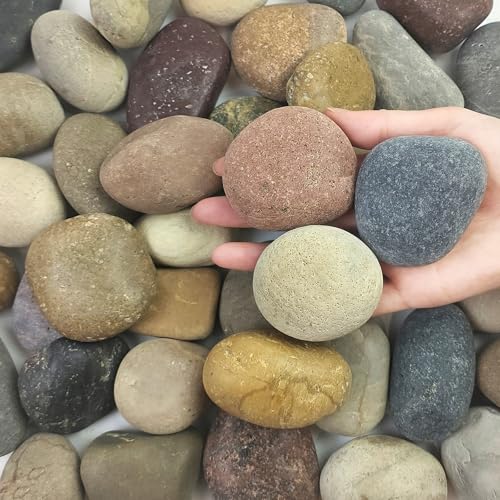
FANTIAN 5 lbs Natural River Rocks 2-3 Inch
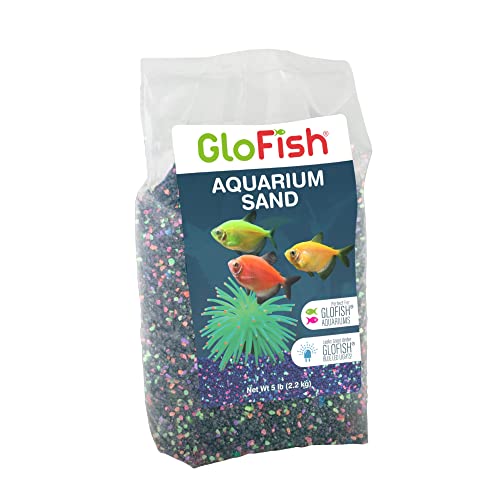
GloFish Aquarium Sand 5 Pounds Black with Highlights

OSOPOLA 150 PCS Mixed Color Glow Rocks Luminous Pebbles

SHIZWU 5LB Aquarium Gravel 1/4″ Pea Gravel
More Details On Our Top Picks
A bright white bed does more work than most people expect. Under blue LED lighting, this gravel reflects the fluorescent glow of GloFish species back up through the water column, which is why the brand designs its substrates specifically around those tanks.
In a standard 10-gallon community setup, five pounds covers roughly a shallow layer, so plan on multiple bags for deeper coverage. The uniform white tone also makes waste spots visible, which some owners appreciate for spotting maintenance needs early.
Strong Points
- White finish amplifies fluorescent fish colors under actinic-style lighting
- Pebble-sized pieces are gentle on bottom-dwellers that sift substrate
- Pre-washed feel means less cloudiness during initial setup, though a rinse still helps
- Coordinates with matching GloFish ornaments if you expand later
Things To Consider
- Five pounds goes quickly in tanks over 15 gallons, so budget for several bags
- Light color shows algae and detritus faster than darker beds
Made For
GloFish keepers running blue LED lighting who want maximum color pop from their stock.
Where A Sibling Pick Shines
The GloFish Aquarium Sand below suits anyone wanting a finer, more dramatic dark base instead of pale gravel.
Pea gravel sits in the sweet spot between fine sand and chunky river rock. At an average quarter-inch size, water flows through the bed easily, which helps prevent the anaerobic pockets that can build up in denser substrates.
Turtle keepers and small-tank hobbyists tend to favor this size because it’s too large for most animals to swallow yet small enough to look natural. Machine screening isn’t flawless, so you may find a few oversized pieces mixed in, which matters mostly in very shallow nano tanks.
What We Like
- Quarter-inch average size suits small applications and bottom feeders
- Natural look mimics a streambed without looking artificial
- Works double duty in terrariums and planters
Minor Gripes
- Some pieces run larger than advertised due to machine sorting
- Rinsing two to three times before first use is widely reported as necessary to clear surface dust
At A Glance
Right Fit For
Turtle owners and nano-tank hobbyists who want safe, natural-looking substrate in modest quantities.
Swap It Out When
The SHIZWU pea gravel later in this list offers similar sizing with an unwaxed finish, worth comparing for larger aquascapes.
Seiryu stone is the material behind most award-winning iwagumi layouts, a Japanese aquascaping style built around carefully placed rocks rather than dense planting. Each piece carries grey-blue striations and sharp natural edges, so no two bags arrange the same way.
Stones in the two-to-six-inch range stack well into ridges and caves, giving shrimp and small fish real territory to claim. Beyond the tank, the same pieces suit bonsai trays, terrariums, and tabletop wargaming terrain, which softens the cost of a rock-only purchase.
Highlights
- Distinctive natural patterning gives every layout a one-of-a-kind look
- Stackable sizes support caves, ledges, and elevated ridgelines
- Doubles as bonsai, terrarium, and diorama material
- Won’t meaningfully alter water parameters according to the maker’s guidance
Small Caveats
- Sharp edges warrant care when netting fish or reaching into the tank
- Stone is heavy, so five pounds yields fewer dramatic pieces than you might picture
Quick Facts
Who Will Love This
Aquascapers chasing a sculpted, gallery-worthy layout with minimal planting.
Consider Something Else When
Full-bed coverage seekers will get better value from the FANTIAN pea gravel reviewed above.
These two-to-three-inch river stones split the difference between accent rock and substrate. The mixed coloring, ranging across warm and cool shades, reads as genuinely collected-from-a-creek rather than bagged-uniform, and the unpolished surfaces skip any added coatings.
Because the pieces are large, they work best as scattered accents over a finer base or as border stones around driftwood, not as a full bed. The same bag transitions seamlessly to flower pots, outdoor beds, and vase filling, which explains why this listing lives in the garden category as much as the aquarium one.
Upsides
- Smooth, non-toxic stones safe for fish and turtle environments
- Mixed shades and shapes avoid a manufactured look
- No added finishes or waxes on the surface
- Equally useful for houseplant top dressing and outdoor décor
Honest Caveats
- Two-to-three-inch stones are too large to serve as primary substrate in most tanks
- Stone density means five pounds fills less space than expected, a common surprise noted by owners
Who Should Grab It
Hobbyists decorating planted tanks, terrariums, and patio pots from one shared bag of stone.
Another Choice May Suit
For a full covering layer, the smaller FANTIAN pea gravel earlier in this list fits better.
Dark substrate flips the whole mood of a tank. Against this black sand flecked with lighter highlights, fluorescent fish appear to float in open water, and the contrast makes ordinary tetras look sharper too.
The brand suggests roughly 1.5 to 2 pounds per gallon of water, so a single five-pound bag suits a five-gallon nano or a thin accent layer in something larger. Sand requires a different cleaning rhythm than gravel: a siphon hovered just above the surface lifts waste without sucking the bed away, a technique worth practicing before your first water change.
Bright Spots
- Black base with highlights creates strong contrast under blue LEDs
- Fine grain lets rooted plants and burrowing fish behave naturally
- Anchors ornaments and plants without shifting like round gravel
Points To Note
- Pre-use rinsing is recommended to avoid cloudy water at fill time
- Gravel vacuuming takes a lighter touch than with coarse rock
Details At A Glance
Whose Shelf It Belongs On
Show-tank builders and GloFish owners who prefer a sleek, fine-grained foundation over chunky gravel.
Reach For A Different Pick When
Easy-cleaning priority points toward the white GloFish gravel at the top of this list.
These photoluminescent pebbles absorb light during the day and release a soft multicolored glow once the room darkens. Think of them as a nightlight for the tank floor, and they earn their keep outdoors too, lining walkways and flower beds after sunset.
You get 150 pieces weighing about 285 grams, so they’re best used as scattered accents rather than structural substrate. One honest note: glow intensity depends heavily on how much direct light the stones soak up beforehand, and indoor tanks far from a window may show a fainter effect than garden placements.
Reasons To Buy
- Glows in multiple colors after absorbing daylight or lamp light
- Generous 150-piece count spreads across several projects
- Works indoors and out, from vases to courtyards
- Adds kid-friendly appeal to a child’s first aquarium
Softer Spots
- Glow fades noticeably without strong prior light exposure
- Small piece count by weight limits use as a main substrate layer
Core Details
Who It Suits Best
Families setting up a fun first tank, plus gardeners who want path edging that glows at dusk.
Not Your Match When
Serious planted-tank builds belong with the ChaoLeHo Seiryu stones instead.
This four-to-eight-millimeter stream stone skips the wax coating some decorative gravels carry, leaving a matte, natural finish that photographs beautifully in planted tanks. The varied earthy tones add depth layers to an aquascape without competing with the livestock.
Compared with the FANTIAN pea gravel earlier in this list, the sizing runs nearly identical, so the decision comes down to availability and finish preference. Beyond the tank, the same bag handles vase filling, potted-plant topping, and general landscaping, stretching one purchase across several corners of the home.
Plus Points
- All-natural gravel with no wax or artificial coating applied
- Four-to-eight-millimeter sizing creates realistic streambed texture
- Multi-tone coloring adds visual depth to aquascapes
- Transfers easily to vases, pots, and garden beds
Areas To Watch
- A thorough rinse before first use clears residual quarry dust, as with most natural gravels
- Natural variation means color balance differs slightly bag to bag
Feature Snapshot
Built With In Mind
Budget-minded aquascapers who want untreated, natural-looking gravel they can also reuse around the house.
Look Elsewhere When
Larger statement stones call for the FANTIAN 2-3 inch river rocks covered above.
What Matters Most Before Choosing Fish Tank Rocks
Size And Your Livestock
Grain size determines safety as much as appearance. Small stones under a quarter inch risk being swallowed by turtles and curious cichlids, while oversized rock leaves gaps where food and waste collect. Match the diameter to the smallest mouth in your tank.
Color Versus Lighting
Pale substrates reflect light and brighten a dim room, but they also highlight every speck of debris. Dark beds hide mess longer and make colorful fish stand out sharply. Decide which trade-off fits your cleaning habits before committing.
Quantity Math
Rock is heavy, and five pounds covers far less area than newcomers expect. As a rough guide, plan one to two pounds of substrate per gallon for a standard depth, then buy accordingly rather than discovering mid-setup that you’re three bags short.
Rinse Before Anything Else
Nearly every natural gravel ships with quarry dust clinging to the surface. Washing until the runoff runs clear, usually two or three passes, prevents the milky water that frustrates so many first-time setups.
Key Considerations Across These Picks
Traps First Timers Fall Into
The most common mistake is buying by bag count instead of weight, then running out halfway through a scaping session. Another frequent misstep is skipping the rinse entirely, which clouds the tank for days. Check your fish species against stone size before checkout, not after.
What Separates Premium From Basic
Higher-priced options typically earn it through consistency: tighter size screening, cleaner washing, and distinctive materials like seiryu stone that mass-market gravel can’t imitate. For accent work and display tanks, that consistency pays off. For utility beds in breeding or quarantine tanks, basic pea gravel does the job just fine.
Closing Thoughts
Substrate is the one part of a tank you’ll touch at every water change, so it pays to choose with both eyes open. Start with your livestock’s safety, factor in your lighting, and only then chase the look you want. Any of these seven will serve you well once matched to the right tank, and there’s no shame in mixing two styles for a bed that’s uniquely yours.
