

Caring for a feral or semi-feral colony means one hard truth: you can’t force a treatment on a cat that won’t let you near it. The right flea control has to work around that reality, whether that means a chew hidden in food, a collar slipped on during a TNR appointment, or drops mixed into wet food. This roundup covers seven options built for exactly those situations, from plant-based collars to yeast-based chews with skin support. Each entry breaks down what the formula does, where it falls short, and which type of caretaker it fits best.
The Shortlist At A Glance

Carmelie Flea and Tick Prevention Chewables with Omega-3, 200ct
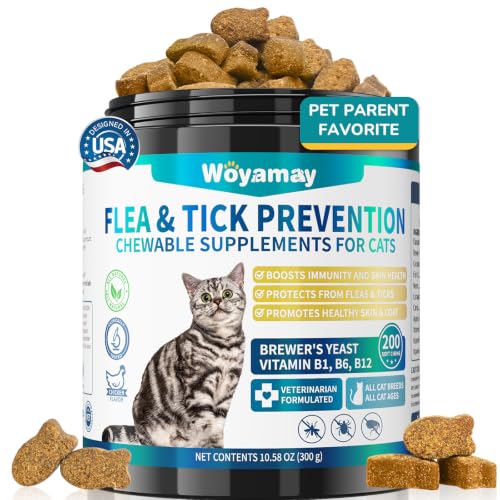
Woyamay Chewable Flea and Tick Prevention for Cats

VICSOM Flea Collar for Cats, 4 Pack

Cudory Flea Drops with Multivitamin
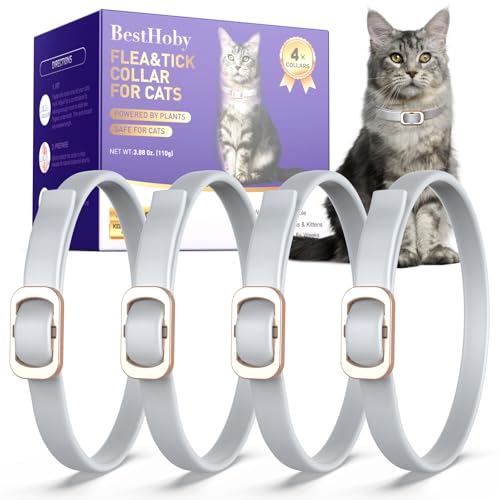
Plant-Powered Flea and Tick Collar for Cats (4 Pack, Gray)
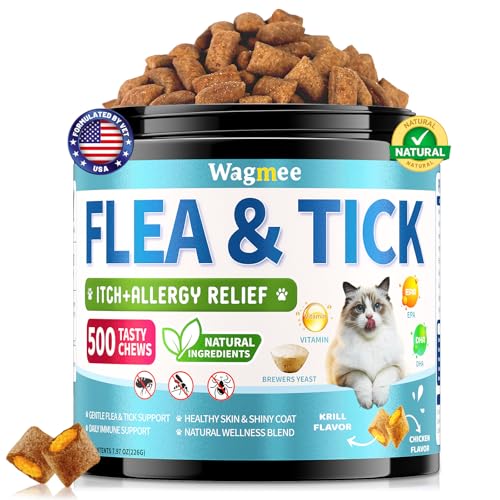
Wagmee Natural Cat Flea Treatment Chewables, 500 Count
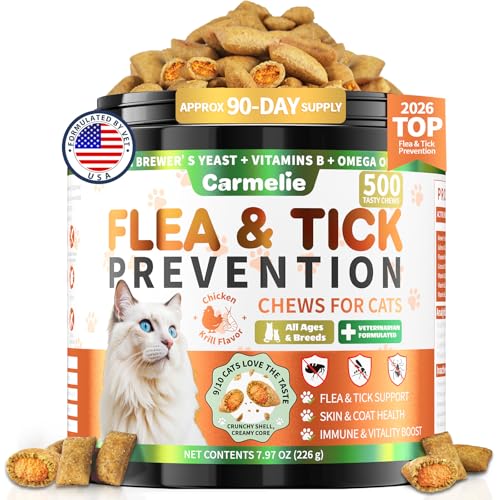
Carmelie Flea and Tick Prevention Chewables, 500 Count
More Details On Our Top Picks
Feral cats rarely tolerate sprays or topical liquids, and that’s the gap this Carmelie jar fills. The chew format means you can crumble pieces into a shared feeding station without handling the cat at all, which matters enormously during peak flea season.
The omega-3 angle is the differentiator here. Cats carrying heavy flea loads often show dull coats and irritated skin, so a formula that pairs pest defense with coat nutrition addresses both problems in one daily routine.
Strong Points
- No-contact dosing works well at feeding stations where trapping isn’t practical
- Omega-3 content supports skin recovery on cats already dealing with flea irritation
- The 200-count jar stretches across several weeks of daily feeding for a small colony
- Chews avoid the greasy residue topical treatments leave behind
Things To Consider
- In group feeding situations, dominant cats may eat more than their share, so portion carefully
- Oral formulas generally need consistent daily use before results become obvious
Made For
This suits caretakers running regular feeding routines who want a low-stress, treat-style option for cats they can’t handle directly.
A Better Fit Elsewhere
Caretakers managing many cats at once will find the VICSOM collar 4-pack more economical per animal than any chew format.
Where the Carmelie jar leans on omega-3s, Woyamay builds its formula around coconut oil, flaxseed, and brewer’s yeast, a trio long used in natural pest-support chews. Brewer’s yeast is worth defining here: it’s a B-vitamin-rich byproduct of beer production that many owners believe makes blood less appealing to biting pests. Evidence is anecdotal, but the ingredient profile is gentle enough for kittens and seniors alike.
The chicken flavor is the practical selling point. Feral cats are suspicious of anything unfamiliar, so a chew they’ll actually take voluntarily removes half the battle. You can also crush it into wet food if a particular cat refuses treats outright.
What We Like
- Chicken-flavored soft chews get accepted by most cats, even cautious ones
- Coconut oil and flaxseed add skin moisture alongside pest defense
- Safe positioning for kittens through senior cats simplifies mixed-age colonies
- Crush-and-mix serving gives you a fallback for treat-refusing animals
Minor Gripes
- Yeast-based formulas can trigger digestive upset in a small number of cats, so start slow
- Daily administration is required, which adds up to real time over a season
Quick Facts
Who Should Grab It
Caretakers of skittish, treat-motivated cats who want a daily chew they can hand out or mix into meals without stress.
Swap It Out When
If your priority is coat repair rather than flavor acceptance, the Carmelie Omega-3 chewables put more emphasis on skin nutrition.
Collars solve the compliance problem differently than chews: once one is on, it keeps working whether or not the cat comes back tomorrow. That makes them the default choice for TNR programs, where a cat is already restrained and you have a brief window to fit protection. Each VICSOM collar is rated for eight months, so the four-pack covers roughly 32 months of coverage spread across multiple animals or seasons.
The formula targets fleas at every stage, including larvae and mites, which matters because reinfestation usually starts in bedding and shelter areas rather than on the cat itself. One honest caveat: collars only work while they stay on, and outdoor cats lose them.
Bright Spots
- Eight months per collar means fitting once instead of dosing daily
- Four-pack pricing brings the per-cat cost down sharply for colonies
- Targets fleas, ticks, mites, lice, and larvae for broader coverage
- Ideal to apply during existing handling windows like vet visits
Small Caveats
- Outdoor cats commonly snag and lose collars, so check fit regularly
- You’ll need physical contact at least once, unlike food-mixed options
- Breakaway safety depends on proper adjustment; too loose invites loss
At A Glance
Right Fit For
Rescue volunteers and multi-cat households who can fit collars during scheduled handling and want months of set-and-forget coverage.
Where A Sibling Pick Shines
Cats too feral to touch are better served by the Wagmee chewables, which require nothing more than a food bowl.
Liquid drops occupy a middle ground between chews and collars. Cudory’s version is administered orally with a dropper, using plant extracts like pau d’arco, wormwood, apple cider vinegar, and thyme rather than synthetic insecticides. Wormwood deserves a quick definition: it’s a bitter herb traditionally used in parasite-focused remedies, though its potency is why careful dosing matters.
The weight-based dosing chart is genuinely useful for colony work, since feral populations always contain a mix of sizes. A cat under 10 pounds gets half a dropper, mid-weight cats get about one and a quarter, and larger animals up to 75 pounds get two and a half. Mixing into strong-smelling wet food masks the herbal taste for most cats.
Plus Points
- Clear weight-based dosing removes guesswork across mixed-size groups
- B vitamins and vitamin E support coat condition during treatment
- Plant-based formula suits owners avoiding conventional pesticide actives
- Dropper format allows precise portions mixed into food
Points To Note
- Herbal taste can put off finicky eaters unless well disguised
- Twice-daily dosing is more demanding than weekly or monthly formats
Details At A Glance
Who Will Love This
Caretakers comfortable with daily food-mixing routines who manage colonies of varying sizes and prefer botanical ingredients.
Consider Something Else When
Daily dosing feels unsustainable for your schedule, the VICSOM collar delivers months of coverage from a single fitting.
Compared to the VICSOM collar earlier in this list, this BestHoby option trades conventional chemistry for four botanical oils: cedarwood, geranium, lemongrass, and rosemary. These work as repellents, meaning they discourage pests from settling on the cat rather than killing on contact. For caretakers wary of pesticide-class ingredients near kittens or nursing mothers, that distinction carries real weight.
The water-resistant build suits outdoor life, since rain and damp shelter conditions would otherwise strip an untreated collar quickly. Adjustable sizing accommodates everything from kittens to large toms, and the gray color stays unobtrusive on most coat patterns.
Highlights
- Four essential oils provide a chemical-light repellent approach
- Water-resistant construction holds up in outdoor colony conditions
- Adjustable band fits kittens through adult cats
- Slow-release design extends effectiveness between replacements
Honest Caveats
- Repellent action typically underperforms kill-on-contact formulas during heavy infestations
- Essential-oil scents fade over time, so replacement timing matters more than with sealed collars
Whose Shelf It Belongs On
Owners of sensitive-skinned or young cats who want continuous collar protection without conventional insecticide actives.
Reach For A Different Pick When
An active infestation needs aggressive treatment, the Cudory drops offer a stronger daily-intervention route.
This is the most ingredient-dense chew in the lineup. Beyond brewer’s yeast and B vitamins, Wagmee layers in EPA and DHA (omega-3 fatty acids found in fish oil), zinc, quercetin, and turmeric. Quercetin is a plant flavonoid often included in allergy-support supplements, which explains why this formula gets recommended for itchy, allergy-prone cats rather than just flea prevention alone.
The texture is a smart detail: crunchy outside, creamy inside, made with real chicken and krill. Krill adds a seafood note that many cats find irresistible, and the dual texture tends to hold attention better than uniform soft chews. At 500 pieces, one jar outlasts several smaller competitors combined.
Standout Traits
- Zinc, quercetin, and turmeric add allergy-season skin support most rivals skip
- Real chicken and krill flavor wins over notoriously picky eaters
- Crunchy-creamy texture keeps cats interested day after day
- 500-count supply reduces how often you reorder during flea season
- Suitable for every life stage, kitten through senior
Softer Spots
- The rich ingredient list means checking tolerances slowly with sensitive stomachs
- Larger jars need cool, dry storage to keep chews fresh to the last handful
Core Details
Who It Suits Best
Caretakers of itchy, allergy-sensitive cats who want prevention and skin relief bundled into one daily chew.
Not Your Match When
Your cats reject treats entirely, the BestHoby botanical collar provides hands-off coverage with zero cooperation needed.
Think of this as the bulk version of our first pick. The same Carmelie formula, built on brewer’s yeast, coconut oil, and salmon oil, now arrives in a 500-count jar sized for sustained colony programs. Salmon oil replaces the omega-3 emphasis of the 200ct jar with a fish-derived source cats generally find tasty, doubling as a coat conditioner that reduces dryness and shedding.
The dual-action framing holds up in practice: pest defense from the yeast base, plus visible coat improvement from the oils over weeks of consistent feeding. For anyone already rotating through smaller jars each month, consolidating into one large container cuts both cost per chew and restocking trips.
Reasons To Buy
- Salmon oil nourishes skin while supporting the anti-flea routine
- 500-chew volume suits multi-cat feeding stations all season
- Same trusted Carmelie formula as the smaller jar, better value per piece
- Reduces dryness and shedding alongside pest defense
Room For Improvement
- Overbuying makes sense only with consistent daily use; occasional feeders waste product
- Like all oral options, results depend on the cat actually eating its share
Feature Snapshot
Built With In Mind
Long-term colony caretakers who feed daily through flea season and want one large jar instead of constant reorders.
Another Choice May Suit
Smaller single-cat homes should start with the 200ct Carmelie Omega-3 version before committing to bulk volume.
What Matters Most Before Choosing Flea Controls For Feral Cats
Match The Format To The Cat’s Tolerance
The friendliest formula fails if the cat never receives it. Handleable cats do fine with collars or droppers, but truly feral animals usually accept only food-mixed chews. Be realistic about contact level before ordering.
Understand Repellent Versus Kill Action
Botanical collars mostly repel pests, while conventional formulas often kill on contact. Light prevention and heavy infestations call for different tools, and mixing approaches across a colony is common practice among experienced rescuers.
Do The Per-Cat Math
Daily chews look cheap until multiplied across months and multiple cats. Eight-month collars frequently win on cost per animal, provided the collar stays on. Calculate a full season, not a single purchase.
Watch For Sensitivities
Yeast, essential oils, and herbal extracts all cause occasional reactions. Introduce any new product gradually and observe skin, appetite, and digestion during the first week.
Key Considerations Across These Picks
Traps First Timers Fall Into
New caretakers often buy a single-format solution for an entire colony, then wonder why some cats stay flea-free while others don’t. Another frequent slip is stopping treatment once fleas disappear, which lets surviving eggs restart the cycle within weeks.
The Case For Spending Up
Higher-tier chews justify their cost through added nutrients like omega-3s, zinc, and quercetin that address the skin damage fleas leave behind. Bulk counts also lower the effective price per dose, which compounds quickly in multi-cat care.
Bottom Line
Feral cat flea control comes down to honesty about access: choose chews for cats you can’t touch, collars for ones you briefly can, and drops when you want precise daily control. Any of these seven handles its lane well, and combining two formats is a legitimate strategy for stubborn infestations. Start with the format that matches your colony’s tolerance, stay consistent, and adjust from there.
