

Floating plants do quiet work in a tank. They pull nitrates out of the water column, shade skittish fish, and give fry a place to hide, all while costing you almost nothing in maintenance. The catch is choosing the right species for your setup, because duckweed behaves very differently from Salvinia, and plastic greenery solves an entirely different problem. This shortlist covers live floaters, a hardy stem plant that floats happily, a low-effort artificial option, and the corrals that keep everything from clogging your filter intake.
The Shortlist At A Glance

Aquarigram 80+ Giant Duckweed Live Floating Plant

AQUANEAT Artificial Fish Tank Plants 15.5 inch Purple 2pcs

Water Spangle Salvinia Minima Live Floating Plant 12 Plants

40+ Giant Duckweed Live Floating Plants for Aquarium or Pond
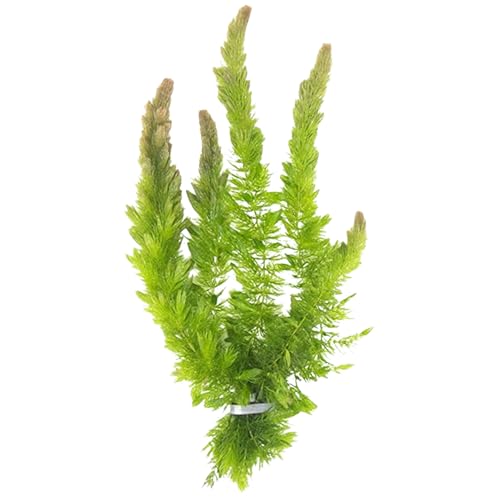
Hornwort Bunch 3-5 Stems

Switior Floating Plant Corral Style 3
Switior Floating Plant Corral Style 2
More Details On Our Top Picks
Giant duckweed (Spirodela polyrhiza) is the forgiving entry point into floating plants. Each frond runs several times larger than common duckweed, so it reads as intentional surface cover rather than a green film you regret introducing. This bundle ships at least 80 leaves, which is enough to establish visible coverage across a mid-size tank within weeks.
The seller pairs the plants with an invisible feeding ring, a small but genuinely useful touch that keeps food from drifting under your new canopy. In a busy community tank, that combination of fast nitrate uptake and tidy feeding is what makes this our lead pick.
Strong Points
- 80-plus leaves per order means instant visual impact instead of waiting months for sparse starters to fill in.
- Absorbs ammonia, nitrates, and heavy metals, easing the load on your filter between water changes.
- Larger fronds are far easier to net out during thinning than common duckweed.
- Included feeding ring keeps flakes contained where surface plants would otherwise trap them.
Things To Consider
- Live plants are weather-sensitive, and shipments are discouraged when local temperatures run extreme.
- Growth can be vigorous, so plan on scooping out surplus every couple of weeks.
Key Specs
Who Should Grab It
Planted-tank hobbyists who want fast biological filtration and don’t mind a light weekly thinning routine.
Where A Sibling Pick Shines
The Water Spangle Salvinia Minima below suits nano-tank owners who need smaller, easier-to-manage rosettes.
Honest framing first: these aren’t living plants, they’re 15.5-inch plastic stems in a bold purple, sold as a two-piece set. That matters because many tanks simply can’t support real flora, whether the lighting is weak, the substrate is bare gravel, or the fish treat anything green as salad. Here, none of those problems exist.
Each piece anchors with a ceramic base that sits in the substrate, tall enough to add vertical structure in 45-gallon or larger aquariums. Cleaning amounts to a rinse under tap water, and there’s nothing to prune, fertilize, or replace. For office tanks or rentals where upkeep gets neglected, that reliability is the whole point.
What We Like
- No special lighting, CO2, or nutrient substrate required, ever.
- Ceramic bases hold position in gravel without tipping.
- Rinses clean quickly, so algae wipe-downs take minutes rather than an afternoon.
Minor Gripes
- Provides zero biological benefit, unlike the live picks in this list.
- The purple tone reads artificial up close, which some aquascapers won’t love.
Right Fit For
Beginners and low-light setups where color and cover matter more than water chemistry help.
Swap It Out When
Choose the Aquarigram Giant Duckweed instead if reducing nitrates is your actual goal.
Salvinia minima, commonly called water spangle, grows in small paired-leaf rosettes that look neater than duckweed and stay put better in gentle flow. Twelve plants here translate to roughly a four-inch circle of coverage, which sounds modest until you realize how quickly healthy rosettes divide. Multiple quantity tiers are offered, so scaling up for a bigger tank is straightforward.
This species prefers soft, slightly acidic to neutral water in the mid-70s Fahrenheit, conditions most tropical community tanks already provide. Betta keepers in particular tend to favor it, since the layered pads give bubble-nest builders calm, shaded surface without the runaway spread of true duckweed.
Bright Spots
- Compact rosettes suit nano and paludarium builds where giant fronds would overwhelm the layout.
- Three bundle sizes let you match stock to tank volume instead of overbuying.
- Thrives in typical tropical parameters around pH 6.5 to 7.5.
Small Caveats
- Orders may be cancelled during temperature extremes, so timing matters in summer and winter.
- Initial coverage is small, so patience is part of the deal.
Feature Snapshot
Made For
Betta and shrimp keepers running small planted tanks who want controlled, attractive surface cover.
Another Choice May Suit
The Hornwort bunch ahead fits breeding tanks better, since it offers mid-water hiding as well as surface shade.
Where the Aquarigram bundle targets dedicated aquarists, this 40-plus-frond lot from TMDFishKeeping plays a dual role: it works equally well in outdoor ponds and indoor tanks. The grower raises the plants at home without chemical treatments, and each Spirodela polyrhiza frond measures roughly five to ten times the size of ordinary duckweed, which makes manual thinning far less fiddly.
For pond owners, that size difference is decisive. Small duckweed drifts into skimmers and clogs them; giant duckweed mostly stays catchable by hand. Maintenance expectations are minimal, since the species spreads on its own once established and asks only for decent light.
Reasons To Buy
- Fronds five to ten times larger than common duckweed are simple to scoop and sort.
- Home-grown without chemicals, a plus for tanks housing sensitive shrimp or fry.
- Transitions cleanly between aquarium and pond environments.
Points To Note
- Forty fronds covers less area initially than the 80-leaf Aquarigram bundle.
- Like all live floaters, expect faster spread in bright, nutrient-rich water.
Quick Facts
Who Will Love This
Pond keepers and casual freshwater hobbyists who want low-fuss surface coverage without chemical treatments.
Look Elsewhere When
Maximum initial coverage matters most, in which case the Aquarigram 80+ bundle delivers double the starting mass.
Hornwort (Ceratophyllum demersum) refuses to fit neatly into one category, and that’s its charm. You can anchor it in the substrate or leave it drifting at the surface, where it forms a feathery mat that fry and shrimp use as nursery cover. This bunch comes greenhouse-grown in Terrell, Texas, shipped in packaging chosen to protect delicate stems in transit.
Compared with the true floaters earlier in this list, hornwort tolerates a wider range of conditions and doesn’t carpet your surface permanently. Breeders value it heavily for exactly that reason: drop it in a spawning tank, pull it out later, no replanting drama. Appearance varies naturally between batches, which is normal for any live stem plant.
Upsides
- Functions as both a floating mat and a rooted plant, giving you layout freedom.
- Greenhouse growing produces sturdier stems than outdoor-harvested stock.
- Serves community, shrimp, and breeding tanks equally well.
Softer Spots
- Stems shed needles as they acclimate, a widely reported settling behavior.
- Size and fullness differ between shipments depending on growing conditions.
At A Glance
Who It Suits Best
Breeding-project hobbyists and anyone wanting flexible cover that isn’t locked to the waterline.
Not Your Match When
You specifically want a tidy surface layer, then the Salvinia Minima above holds a cleaner line.
Every floater owner eventually meets the same frustration: plants migrating straight into the filter intake. This corral solves it with a buoyant fence built around internal EV cotton, a foam material that adds flotation, letting the barrier ride up and down with evaporation and top-offs without readjustment. Nothing to tune, nothing to re-seat weekly.
Style 3 suits general floating plants of all kinds, and beyond protection it doubles as a containment ring that discourages grazing fish from stripping your duckweed. Set it up once and it quietly does its job, which is about all you can ask of an accessory like this.
Plus Points
- Automatic height adjustment means no fiddling after water changes.
- Shields plants from skimmers and intakes, cutting losses dramatically.
- Works with every floating species, not just one type.
Worth Noting
- Adds visible hardware to the surface, so placement takes some aesthetic thought.
- Confined plants still need occasional thinning inside the ring.
Details At A Glance
The Right Fit
Duckweed collectors running hang-on-back filters who are tired of harvesting plants from their intake.
Consider Something Else When
Your main goal is dividing feeding zones in a busy community tank, where Switior’s Style 2 below is purpose-built.
Style 2 shares the same self-adjusting EV cotton buoyancy system as its sibling, but the geometry leans toward duckweed specifically. Fine-fronded species slip through wide gaps easily, so this version’s tighter fencing keeps even the smallest specks corralled and away from your filter. It also partitions the surface into zones, which doubles as a feeding divider in crowded tanks.
In practice, that means aggressive eaters get their own lane while your plant colony stays intact on the other side. Owners of mixed community tanks report this dual duty is the feature they end up appreciating most, more than the filter protection itself.
Standout Traits
- Tighter design contains fine duckweed that escapes broader corrals.
- Doubles as a feeding partition, separating grazers from your plant zone.
- Same automatic height tracking as Style 3, zero maintenance after setup.
Honest Caveats
- Less versatile for large-leaved floaters like frogbit or big Salvinia rosettes.
- Surface hardware remains visible from viewing angles above the tank.
Whose Shelf It Belongs On
Duckweed-focused hobbyists with hungry fish who want plant protection and orderly feeding in one accessory.
Reach For A Different Pick When
You keep varied floating species rather than pure duckweed, then Switior Style 3 handles the broader mix better.
What Matters Most Before Choosing Floating Aquarium Plants
Match The Species To Your Tank Size
Surface area drives everything. Giant duckweed needs room to spread and rewards larger tanks, while Salvinia rosettes stay compact enough for a 10-gallon betta setup. Overstocking a small tank with fast-spreading floaters blocks light to everything below, so start smaller than you think you need.
Decide Between Living And Artificial
Live plants actively consume nitrates and ammonia, functioning as secondary filtration. Plastic alternatives like the AQUANEAT set offer looks with zero chemistry benefits. Your water-change schedule should inform this choice, not just aesthetics.
Factor In Your Filter Setup
Hang-on-back and canister intakes are where floating colonies go to die. Pairing any live floater with a corral saves constant rescues and protects your impeller from clogs.
Respect Shipping Weather
Live aquatic plants are vulnerable in transit. Extreme heat or cold on either end of the journey risks dead-on-arrival stock, so time orders for mild stretches.
Key Considerations Across These Picks
Traps First Timers Fall Into
The classic error is buying common duckweed, which multiplies past control and coats every surface. Choose larger-frond species or contained growers instead. Another frequent misstep is skipping the corral, then blaming the plant when it vanishes into the filter.
What Separates Premium From Basic
Pricier live bundles typically arrive with higher leaf counts, cleaner cultivation, and extras like feeding rings. That head start shortens the wait for full coverage and reduces early losses, which matters most in show tanks where appearance counts immediately.
Closing Thoughts
Floating plants reward a little planning with a lot of payoff: cleaner water, calmer fish, and a tank that looks genuinely alive. Start with one species matched to your tank size, add a corral before your filter demands it, and thin the growth on a schedule rather than in a panic. Whichever pick fits your setup, the surface of your aquarium is about to become its best feature.
