

Itchy skin is exhausting to watch. Your dog scratches through dinner, flakes show up on the couch, and every new kibble feels like a gamble. The right food can make a real difference here, because skin trouble often traces back to what’s in the bowl: an ingredient your dog struggles to digest, a protein they react to, or a diet short on omega fatty acids.
This roundup covers seven foods built specifically for sensitive skin, from hydrolyzed-protein formulas to human-grade dehydrated meals. Each one targets the problem differently, so you can match the approach to your dog’s age, size, and trigger history.
The Shortlist At A Glance

The Honest Kitchen Wholemade Whole Grain Beef Recipe Dehydrated Dog Food 10 lb Box

Blue Buffalo Life Protection Formula Salmon Adult Dry Dog Food, 5 lb
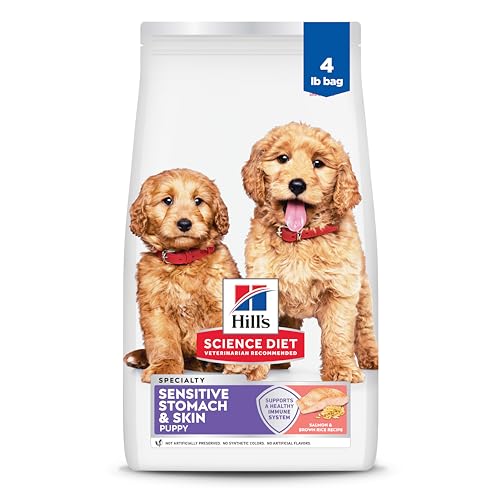
Hill’s Science Diet Puppy Sensitive Stomach & Skin Dry Dog Food

Purina Pro Plan Sensitive Skin and Stomach Senior Adult 7 Plus Salmon and Rice Formula 4 lb Bag

Blue Buffalo Basics Salmon Adult Grain-Free Dry Dog Food, 4 lb

DIAMOND CARE Sensitive Skin Adult Dry Dog Food, Hydrolyzed Salmon, 8lb

Royal Canin Small Sensitive Skin Care Adult Dry Dog Food, 3 lb Bag
More Details On Our Top Picks
Dehydration is the gentlest way to preserve real food, and this box proves it. Ranch-raised beef, oats, and carrots get dehydrated rather than pressure-cooked into kibble, which keeps more of the natural nutrients intact. You add warm water, wait about three minutes, and serve something that looks closer to a home-cooked meal than anything else on this list.
The 10 lb box rehydrates into roughly 40 lbs of finished food, so it stretches further than the weight suggests. Owners of fussy eaters commonly report that the soft texture wins over dogs who turn their noses up at dry kibble.
Strong Points
- 100% human-grade ingredients you can actually recognize on the label
- Fiber-rich oats and carrots support smoother digestion in sensitive stomachs
- Beneficial fats work from the inside out toward softer skin and a shinier coat
- Doubles as a hydrating topper over dry or wet food
- One compact box yields around 40 lbs of prepared meals
Things To Consider
- You’ll need to plan ahead since each serving requires mixing and a few minutes of rest
- Once mixed, leftovers need refrigeration like any fresh food
Key Specs
Made For
Dog owners who want whole-food nutrition without cooking, especially those managing both a touchy stomach and dull coat at once.
Where A Sibling Pick Shines
If convenience matters more than freshness, the Blue Buffalo Life Protection Salmon below scoops straight from the bag with no prep at all.
Chicken hides in more dog foods than most owners realize, and it’s a frequent culprit behind chronic scratching. This Life Protection recipe sidesteps the problem entirely by building the formula around real salmon instead, paired with brown rice for steady energy. The 5 lb bag suits smaller households or anyone trialing a new protein before committing to a big purchase.
In daily use, it behaves like a standard dry kibble: scoop, serve, done. That simplicity matters when you’re already juggling medicated shampoos or vet visits for a scratchy dog.
What We Like
- Chicken-free formulation removes one of the most common dietary irritants
- Salmon-first recipe brings natural omega fats for coat condition
- Balanced adult maintenance nutrition suitable as a long-term everyday diet
- Small trial-friendly bag size before you commit to bulk buying
Worth Noting
- Contains grains, so it won’t suit dogs with confirmed grain reactions
- The 5 lb size means more frequent repurchasing for large breeds
Who Should Grab It
Adult dog households suspecting poultry as the trigger, particularly first-time switchers who want a low-risk trial bag.
Swap It Out When
Grain sensitivity is on your radar too, in which case the Blue Buffalo Basics Salmon & Potato reviewed later strips the recipe down further.
Puppies with sensitive systems face a double challenge: their digestion is still maturing while their skin and coat are developing fast. Hill’s built this salmon and brown rice recipe to handle both at once, layering prebiotic fiber for gentler nutrient absorption with vitamin E and omega fatty acids aimed squarely at skin health. Prebiotic fiber, briefly, feeds the beneficial bacteria already living in your puppy’s gut.
Growth support doesn’t take a back seat either. DHA fuels brain development and quality protein builds muscle, so you’re not trading development for comfort.
Highlights
- Triple-action design covers stomach, skin, and immune system together
- Prebiotic fiber supports optimal absorption in easily upset tummies
- Vitamin E plus omega-3 and -6 fatty acids nourish skin and coat during growth
- Clinically proven antioxidants, vitamins C and E, back immune health
- DHA supports healthy brain development alongside muscle-building protein
Small Caveats
- Puppy-specific formula means transitioning to adult food later, usually around twelve months
- Some puppies may find the transition period produces loose stools for a week or so
Feature Snapshot
Right Fit For
Owners of growing puppies whose scratching comes bundled with soft stools or inconsistent appetite.
Another Choice May Suit
Senior dogs need different math entirely, and the Purina Pro Plan Senior 7+ further down handles aging joints alongside skin concerns.
Senior dogs stack problems: slower digestion, stiffening joints, and coats that lose their gloss year by year. Purina’s answer packs all three concerns into one salmon-first recipe, with oat meal and rice chosen because they digest easily and help maintain stool quality. At 29% protein, it also protects lean muscle, including the heart, which matters more after age seven.
The joint angle sets it apart from everything else here. Glucosamine and EPA, an omega-3 fatty acid, work on mobility while the same fish-based fats calm the skin.
Upsides
- Salmon listed as the number one ingredient, not a filler protein
- Easily digested oat meal and rice keep stools consistent
- Glucosamine and EPA promote joint comfort and mobility in older dogs
- Natural prebiotic fiber and antioxidants support digestion and immunity
- 29% protein helps senior dogs hold onto lean muscle mass
Points To Note
- Formulated specifically for dogs aged seven and up, so younger dogs should look elsewhere
- The 4 lb bag runs out quickly for larger seniors, and storage matters once opened since fish-based fats can oxidize
At A Glance
Who Will Love This
Houses with a golden-aged dog whose itchiness arrived alongside a noticeable slowdown on walks.
Not Your Match When
Your dog is still young and athletic, where the Royal Canin small-breed formula or the Hill’s puppy recipe fits the life stage better.
Where the Life Protection recipe earlier simply drops chicken, this Basics formula goes further and removes grains altogether. Real salmon leads the ingredient list, potatoes supply the carbohydrates, and the shorter roster gives irritated systems fewer things to react to. Limited-ingredient diets work on a simple logic: the fewer potential triggers in the bowl, the easier it is to spot what was causing the itching.
Blue Buffalo also folds its antioxidant-rich LifeSource Bits into the mix, small dark pieces coated with vitamins meant to shore up immune function.
Plus Points
- No corn, wheat, soy, or chicken by-product meals anywhere in the recipe
- Omega 3 and 6 fatty acids directly nourish skin and coat
- Grain-free potato base suits dogs with confirmed grain sensitivities
- LifeSource Bits add antioxidant support for immune health
Softer Spots
- Grain-free isn’t automatically healthier, so confirm a genuine grain issue before switching permanently
- Owners sometimes report picky dogs sorting around the LifeSource Bits
Whose Shelf It Belongs On
Adult dogs whose scratching persisted even after removing chicken, pointing toward grains as the remaining suspect.
Reach For A Different Pick When
Suspected allergies run severe, since the Diamond Care hydrolyzed formula next door breaks proteins down past the point of recognition.
Hydrolysis sounds technical but the idea is simple: the salmon protein gets broken into fragments so small that the immune system struggles to recognize it as an allergen. That makes this Diamond CARE formula the most aggressive tool on this list for dogs with serious protein sensitivities. One animal protein source, peas for carbohydrates, and omega fatty acids balanced in a ratio shown to benefit skin and coat.
Compared with the Blue Buffalo Basics above, this takes the limited-ingredient philosophy to its logical endpoint. The 8 lb bag also lands at a friendlier price point than most veterinary-style hydrolyzed diets.
Bright Spots
- Hydrolyzed salmon is the single animal protein, minimizing reaction risk
- Balanced omega-6 to omega-3 ratio supports skin barrier repair
- Peas deliver quality carbohydrates while keeping the recipe palatable
- Costs less per pound than many comparable hydrolyzed formulas
Minor Gripes
- Hydrolyzed recipes can taste blander, and some dogs need a slow transition to accept them
- Available only in fixed bag sizes, so multi-dog homes may burn through the 8 lb quickly
Quick Facts
Who It Suits Best
Dogs with persistent, vet-discussed skin allergies who haven’t responded to simple protein swaps.
Consider Something Else When
The problem is mainly a dry, dull coat rather than true allergic itching, where the Royal Canin small-breed option offers a gentler starting point.
Small dogs aren’t just scaled-down big dogs, and Royal Canin treats them that way. This formula targets adults ten months and older weighing up to 22 lb, with kibble sized and shaped for smaller jaws. The nutritional focus stays tight: omega-3 and omega-6 fatty acids, including EPA, DHA, and GLA, chosen specifically to nourish dry skin and maintain a healthy, shiny coat.
Where the Diamond CARE formula attacks allergens head-on, this one works on the skin barrier itself, which suits dogs whose trouble shows up as flakiness rather than full allergic flare-ups.
Reasons To Buy
- Tailored precisely to small breeds up to 22 lb from ten months onward
- Rich omega profile including EPA, DHA, and GLA targets dry coats directly
- Kibble designed for small mouths, which aids chewing and acceptance
- Available in wet loaf-in-sauce form for mixing routines
Areas To Watch
- The 3 lb bag disappears fast even in single small-dog homes
- Not formulated for medium or large breeds, so check the weight range first
Details At A Glance
The Right Fit
Apartment dwellers with a small breed whose coat has gone dull and flaky despite otherwise normal health.
Look Elsewhere When
Your dog weighs well over 22 lb, in which case the Purina Pro Plan senior formula or the Honest Kitchen dehydrated box scales better to bigger appetites.
What To Weigh Before You Switch Foods
Identify The Trigger First
Skin reactions usually trace to one of three sources: a specific protein, a grain, or an overall shortage of omega fatty acids. Switching blindly between foods wastes weeks, so track symptoms in a notebook for two weeks before changing anything. Dogs eating chicken-based kibbles for years often improve dramatically on salmon or lamb alone.
Match The Formula To Life Stage
A puppy’s calorie and calcium needs differ sharply from a senior’s, and feeding the wrong life stage creates new problems. Puppies do best on growth formulas with DHA, adults on maintenance recipes, and dogs over seven on senior blends with joint support. Size matters too, since small-breed kibble geometry affects how comfortably little jaws eat.
Read The First Five Ingredients
The opening of an ingredient list tells you where the protein and carbs actually come from. Look for a named animal protein in the top position, such as salmon or beef, rather than vague meal descriptions. Shorter rosters generally mean fewer potential triggers for reactive dogs.
Transition Slowly
Whatever you choose, blend the new food into the old over seven to ten days, increasing the proportion gradually. Abrupt switches frequently cause digestive upset that gets blamed on the new food itself.
Key Considerations Across These Picks
Traps First Timers Fall Into
The most common mistake is blaming the food too early. Skin cells turn over slowly, so give any new diet eight to twelve weeks before judging results. Another trap is stacking multiple changes at once, adding supplements and switching foods simultaneously, which makes it impossible to know what worked. Keep everything else constant.
What Separates Premium From Basic
Higher-tier formulas spend money where it counts: named single proteins, hydrolyzed processing, and research-backed fatty acid ratios. Budget options cut corners on ingredient sourcing rather than safety. Paying up earns the biggest return for dogs with confirmed allergies, while mild seasonal dryness often responds fine to a mid-range omega-rich recipe.
Closing Thoughts
Sensitive skin rarely fixes itself overnight, but the right bowl speeds things along considerably. Start by matching your dog’s life stage and suspected trigger to one of these seven, then commit to a slow transition and a patient timeline. Most owners see meaningful coat improvement within two months of a well-chosen switch. Your dog’s comfort is worth that wait.
