

Small dogs burn energy fast and eat in tiny portions, which makes every bite count. Fresh and wet foods solve a real problem here: kibble-heavy diets can leave picky little eaters bored, and older small breeds often struggle with hard pieces. This roundup covers seven fresh and wet options that fit a small dog’s bowl, from single-serve pouches to refrigerated rolls you slice daily.
A Snapshot Of The Selections

Whole Paws Wet Dog Food Lamb Recipe 3.5 Ounce

Optimeal Small Breed Variety Pack 3oz Pouches
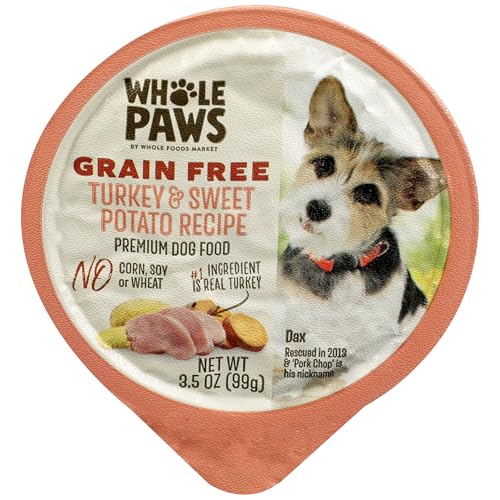
Whole Paws Grain Free Turkey & Sweet Potato 3.5 Ounce

Freshpet Fresh From the Kitchen Chicken Recipe 1.75lb

Freshpet Small Breed Grain Free Chicken Recipe 1lb

Freshpet Fresh From the Kitchen Dog Food 4.5 lb

Portland Pet Food Human Grade Topper & Meal 5 Pack
The Details Behind The Selections
A 3.5-ounce can is roughly one meal for a five-pound Chihuahua, which means no half-open cans sulking in your fridge. Lamb leads the ingredient list here, and the recipe skips corn, soy, and wheat entirely, so grain-sensitive pups have an easy path in.
This is the kind of straightforward wet food that works as a full meal or a topper stirred into kibble. For most small-dog owners watching their budget, it covers the basics without fuss.
Everyday Perks
- Real lamb as the first ingredient gives small dogs a protein-dense start to every serving
- Grain-free formula avoids corn, soy, and wheat, useful for dogs with common sensitivities
- The 3.5-ounce size matches a single small-breed meal, cutting waste and fridge clutter
- Nutrient-rich formulation supports everyday canine nutrition without premium pricing
Things To Consider
- Single-can purchases add up quickly compared with multipacks, so stocking up tends to make sense
- Wet-only feeding means more frequent dental attention, something vets commonly flag with soft diets
Who It Suits Best
Owners of toy or small breeds who want simple, grain-free wet meals at a sensible cost per can.
Where A Sibling Pick Shines
Dogs needing digestive support or coat nutrients are better matched to the Optimeal Small Breed Variety Pack below.
Where the Whole Paws cans keep things basic, this twelve-pouch pack builds its formula around small-breed physiology. Tender morsels sit in aspic, a savory gel that keeps moisture high and texture soft, which matters for tiny jaws and older teeth alike.
The standout detail is prebiotic FOS, a fiber that feeds beneficial gut bacteria, paired with highly digestible proteins. Owners of fussy or gassy small dogs often notice the difference within a couple of weeks, though results vary by dog.
Real Benefits
- Omega-3 and Omega-6 fatty acids support skin and coat, handy for breeds prone to dry patches
- Prebiotic FOS plus digestible fiber promotes gentler digestion for sensitive stomachs
- Calcium and phosphorus levels back muscle and bone development in growing pups
- Complete and balanced nutrition means it can anchor daily feeding, not just supplement it
- Tear-open pouches portion cleanly with no can opener or leftovers
Points To Note
- Twelve pouches take up pantry space faster than canned equivalents
- Variety packs mean less control over which flavor lands in each box
Key Specs
Made For
Adult small-breed dogs with touchy digestion or dull coats whose owners want a complete wet diet in pouch form.
Consider Something Else When
Budget-first shoppers will find the Whole Paws Lamb Recipe delivers grain-free simplicity at a lower commitment.
Same convenient 3.5-ounce format as the lamb version reviewed earlier, but built on turkey and sweet potato instead. That swap matters more than it sounds: rotating proteins is a common strategy for dogs who grow bored with one flavor or develop sensitivities over time.
The line also spans chicken-pea-sweet potato and beef-carrot variations, so you can build a rotation without switching brands. In our view, that flexibility is the real reason to keep a few of these in the cupboard.
A Few Strong Suits
- Turkey offers a leaner protein alternative for dogs doing better off red meat
- Sweet potato brings natural fiber and palatability most small dogs accept readily
- Multiple recipes under one brand simplify protein rotation
Softer Spots
- Single-can format suits trial runs better than daily feeding, where multipacks save effort
- Owners commonly report wet food bowls need a quick rinse after every meal to avoid residue buildup
Right Fit For
Small-dog owners running a two- or three-protein rotation who want consistent quality across flavors.
Swap It Out When
Dogs needing targeted joint, coat, or gut support fit the Optimeal pouches more precisely than this generalist recipe.
This is where the list shifts from cans and pouches to genuinely fresh food. Shredded chicken and whole vegetables are steam cooked gently, a low-heat method that preserves nutrients that harsher canning processes tend to degrade. You can literally see the ingredients, which says a lot about what’s inside.
The Clean Label Project certification means independent testing screened the recipe against more than 100 contaminants, a layer of assurance most shelf-stable foods don’t offer. One practical note: like all Freshpet rolls, this lives in your refrigerator and has a shorter window once opened.
The Case For It
- Gently steam-cooked U.S. farm-raised chicken retains more natural nutrients than heavily processed formats
- No meat meals, byproducts, artificial preservatives, or fillers anywhere in the recipe
- Easily digestible ingredients support smoother stools, a change owners frequently report after switching
- Farm-fresh vegetables contribute vitamins and antioxidants naturally rather than through heavy fortification
Honest Caveats
- Refrigerated storage is non-negotiable, and opened rolls are typically used within about a week
- The 1.75-pound size disappears quickly even for one small dog fed exclusively fresh
Quick Facts
Who Will Love This
Owners ready to commit to fresh feeding for one small dog and comfortable with weekly fridge restocking.
Reach For A Different Pick When
Travel-heavy routines or limited fridge space point toward the Portland Pet Food shelf-stable pouches later in this list.
Freshpet took everything above and recalibrated it specifically for small frames. The nutrition is tailored to the faster metabolisms and higher energy-per-pound needs of small breeds, and the one-pound roll fits neatly beside a milk carton rather than dominating a shelf.
It’s also grain free, unlike the standard Fresh From the Kitchen recipe, which widens the door for sensitive dogs. A four-pack option exists for households that would rather shop monthly than weekly.
Points In Its Favor
- Nutritionally tailored to small dogs’ unique energy and health requirements
- One-pound roll minimizes waste for single small-breed households
- Grain-free chicken base suits dogs with common grain sensitivities
- Clean Label Project certified after screening for over 100 contaminants
Small Caveats
- Smaller rolls mean more frequent purchases than the 4.5-pound Freshpet option
- Fresh rolls require slicing and daily fridge handling, which some owners find fiddly
At A Glance
Best Suited To
Toy and small breed owners feeding fresh exclusively who want portion sizes that match their dog’s appetite.
Another Choice May Suit
Two-dog homes get better value per pound from the Freshpet 4.5 lb roll covered next.
Think of this as the family-size version of the 1.75-pound roll from earlier in the list. Same gently steamed, farm-raised chicken and visible vegetables, same absence of meat meals and fillers, just three times the volume per purchase. For multi-dog homes or committed fresh feeders, fewer shopping trips matter.
The trade-off is fridge real estate and a race against freshness once opened. Small-dog owners feeding one ten-pound pup may struggle to finish a roll this size at peak quality, so judge honestly before upsizing.
The Value In It
- Large 4.5-pound format reduces purchase frequency for regular fresh feeders
- Antioxidant-rich cranberries and farm vegetables round out the chicken base
- High-quality, easily digestible ingredients support steady digestion day to day
- Clean Label Project certification adds independent contaminant screening
What To Weigh
- Demands significant refrigerator space, a real constraint in compact kitchens
- Freshness windows mean the last slices of a big roll can lose appeal, a pattern owners of solo small dogs commonly report
Product Snapshot
Whose Shelf It Belongs On
Households with two or more small dogs, or one enthusiastic eater, who buy fresh food on a weekly rhythm anyway.
Not Your Match When
Solo toy-breed owners will stretch the Freshpet 1lb Small Breed roll further with less waste.
Every other pick here demands cold storage. Portland Pet Food doesn’t. These shelf-stable pouches serve straight from the packet, no freezing, thawing, or refrigeration, and the microwave-safe packaging lets you warm a serving for particularly stubborn noses.
Six named recipes appear across the range, including Grandma Ada’s Turkey & Yams and Wally’s Salmon N’ Rice, each built on eleven or fewer ingredients. That transparency, plus human-grade sourcing, makes this a flexible bridge between kibble and fully fresh feeding.
Bright Spots
- Shelf-stable format travels well for camping trips, road trips, and emergency pantries
- Eleven or fewer ingredients per recipe keeps labels short and readable
- Doubles as a topper or a complete meal depending on how much you scoop
- Microwave-safe pouch warms servings for picky eaters in seconds
Details To Watch
- Assorted five-packs limit control over which recipes arrive in any given order
- Per-serving cost runs higher than canned staples when used as a sole diet
Feature Rundown
Who Should Grab It
Travelers, van-lifers, and owners of picky small dogs who want fresh-style meals without fridge dependence.
Look Elsewhere When
Daily full-time fresh feeders with steady fridge access will find better value in the Freshpet rolls earlier on this list.
What Matters Most Before Choosing Fresh Dog Foods For Small Dogs
Portion Size And Storage Reality
Small dogs eat between a quarter and one cup of food daily, so oversized packages go stale before they’re finished. Match the format to your dog’s appetite: 3-ounce pouches and 1-pound rolls suit solo toy breeds, while 4.5-pound rolls only make sense for multiple dogs. Refrigerated fresh food typically needs using within days of opening, so honest self-assessment about shopping habits matters more than brand loyalty.
Ingredient Transparency
Look for a named animal protein leading the list, whether that’s lamb, turkey, or farm-raised chicken. Shorter ingredient lists generally signal less processing, and certifications such as Clean Label Project indicate independent contaminant screening beyond standard manufacturing requirements.
Digestive Fit
Small breeds run a higher rate of sensitive stomachs than larger dogs. Prebiotic fibers, easily digestible proteins, and grain-free formulations each address different triggers, so identify your dog’s specific issue before choosing between them.
Meal Versus Topper Role
Decide upfront whether the food replaces kibble entirely or supplements it. Complete-and-balanced formulas can anchor a diet alone, while toppers like the Portland pouches work best alongside an existing base.
Key Considerations Across These Picks
Traps First Timers Fall Into
The most common mistake is buying refrigerated fresh food in bulk before confirming your dog actually likes it. Start with the smallest available size, then scale up. Another frequent slip: ignoring storage logistics. A 4.5-pound roll is useless in a dorm-size fridge, and shelf-stable pouches bought for a homebound dog waste their key advantage.
What Separates Premium From Basic
Higher-tier options pay for processing methods and verification, not marketing. Gentle steam cooking preserves nutrients that high-heat canning diminishes, and third-party contaminant testing costs money that budget cans skip. Paying more earns value when fresh food becomes your dog’s daily staple; for occasional toppers, simpler formats do the job fine.
Closing Thoughts
Feeding a small dog well comes down to matching format to lifestyle as much as matching nutrition to the animal. Canned staples like the Whole Paws recipes cover everyday budgets, Optimeal targets digestion, and the Freshpet rolls reward owners ready for genuine fresh feeding. Portland’s pouches handle everything else, travel included. Start small, watch how your dog responds over a couple of weeks, and adjust from there.
