

Substrate is the one part of a tank you touch once and live with for years, so choosing well matters more than most beginners realize. The right sand anchors plants, houses beneficial bacteria, and sets the entire mood of your aquascape. The wrong one clouds your water for weeks or swings your pH in directions your fish never asked for. This roundup covers seven freshwater aquarium sands that suit different tanks, budgets, and stocking plans, from planted showpieces to glowing GloFish displays.
A Side-By-Side Look

Aqua Natural Galaxy Sand Substrate 10lb

CaribSea Super Natural Moonlight Sand 5 lb (Pack of 2)

Aqua Natural Oolitic Aragonite Aquarium Sand 10lb

imagitarium Black Aquarium Sand 20 lbs

FANTIAN 5 lbs Aquarium Sand 0.6-1.2 mm

FANTIAN 5 lbs Beige Fish Tank Sand
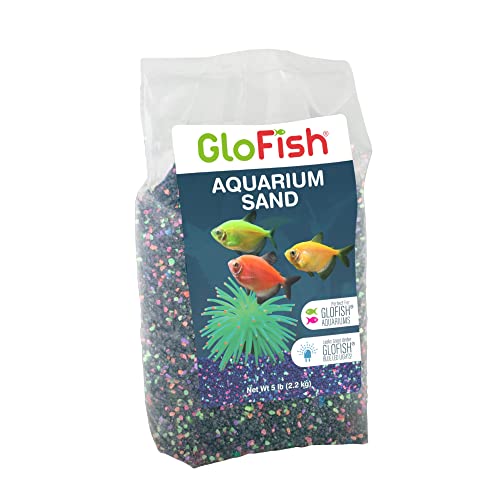
GloFish Aquarium Sand 5 Pounds Black with Highlights
Why These Options Stand Out
Black substrate changes everything about how a tank photographs. Aqua Natural’s Galaxy Sand is a fine-grained black sand with a subtle sparkle that catches aquarium lighting, so green plants and colorful fish sit against a dark backdrop instead of getting lost in pale gravel.
The 10-pound bag suits nano and mid-size tanks, though larger aquascapes will need multiple bags. Aquascapers chasing that high-contrast, magazine-style layout tend to gravitate here first.
Benefits That Matter
- Fine black grains catch tank light and create a shimmering effect across the bed
- Dark background makes plant greens and bright fish colors read far more vividly
- Suits both aquariums and terrarium bedding for reptiles or amphibians
- 10-pound sizing is easy to handle and rinse in a standard bucket
Small Caveats
- Like most fine sands, expect a thorough rinse before setup to avoid cloudy water
- Dark beds can make waste and debris more visible between cleanings
Key Specs
Who Will Love This
Aquascapers building dramatic, high-contrast planted layouts who want their flora and fish to pop against a dark stage.
Where A Sibling Pick Shines
Shoppers wanting a softer, natural riverbed mood rather than drama should compare the CaribSea Super Natural Moonlight Sand below.
Where the Galaxy Sand above goes bold, CaribSea’s Moonlight Sand plays it natural. Its pale, moonlit tone mimics a real river or lake bed, which is exactly what community fish like tetras, discus, and angelfish evolved over. Two 5-pound bags arrive together, giving you roughly ten pounds of coverage out of the box.
CaribSea suggests around one pound of substrate per gallon of water for good filtration support, so this pack comfortably outfits a 10-gallon setup. For a calm, biotope-style tank, it’s an easy recommendation.
What Stands Out
- Natural pale coloring recreates authentic freshwater habitats for community species
- Two-bag pack simplifies stocking a 10-gallon tank in one order
- Works well alongside live plants and driftwood-heavy layouts
Points To Note
- Light sand shows detritus quickly, so routine vacuuming keeps the bed looking fresh
- One pound per gallon adds up fast in tanks beyond 20 gallons
Made For
Hobbyists running peaceful community tanks with tetras, angelfish, or discus who want a believable natural floor.
Swap It Out When
African cichlid keepers needing harder, buffered water will get better chemistry support from the Aqua Natural Oolitic Aragonite option later in this list.
This one does chemistry work while it sits there. Oolitic aragonite is a calcium carbonate sand harvested from Bahamian waters, and it naturally buffers water toward a pH around 8.2. That’s a problem for soft-water tetras but exactly what African cichlids and other hard-water species want.
The brand notes the sand is collected clean, without tar or organic impurities, which cuts down on prep hassle. In our view, this is the most purpose-built item here: buy it for the buffering, not the looks alone.
What Works In Its Favor
- Naturally buffers water toward a stable pH near 8.2 without constant chemical dosing
- Pure aragonite sourced from clear Bahamian ocean waters
- Serves marine, reef, and African cichlid aquariums equally well
- Reduces reliance on bottled additives for hard-water setups
Things To Consider
- Raising pH is a drawback for soft-water species like tetras or discus
- Carbonate sands can dust slightly during the initial rinse
Feature Snapshot
Right Fit For
Cichlid keepers and reef hobbyists who want substrate that actively supports alkaline water chemistry.
Not Your Match When
Soft-water planted tank owners are better served by the neutral CaribSea Moonlight Sand reviewed earlier.
Twenty pounds in one bag changes the math for bigger tanks. Instead of stacking four or five small bags, imagitarium’s black sand covers a 40-breeder or similar footprint in a single purchase, and the dark finish gives you that same contrast benefit the Aqua Natural Galaxy offers at a larger scale.
The manufacturer highlights that the material is non-toxic and fish-safe, and that a sand bed like this supports colonies of beneficial bacteria, the microorganisms that break down fish waste inside your filter and substrate. More surface area means more of that biological filtration happening quietly under your fish.
Advantages To Know
- 20-pound bulk bag outfits large tanks without multiple orders
- Supports beneficial bacteria growth that breaks down tank waste
- Helps reduce unhealthy debris floating in the water column
- Non-toxic materials and colors rated safe for fish
- Simulates a natural environment that calms skittish stock
Worth Bearing In Mind
- A full 20-pound bag takes real effort to rinse before it goes in
- Black beds highlight light-colored waste between maintenance days
Who Should Grab It
Keepers setting up 30-gallon-plus freshwater tanks who want bulk quantity and biological benefits in one go.
Reach For A Different Pick When
Nano tank owners only need five pounds, which makes either FANTIAN option a lighter, cheaper route.
Not every bag of sand lives its whole life underwater. FANTIAN markets this 5-pound lot as both aquarium substrate and decorative gravel for potted plants, vases, fire pits, candles, and crafts, which makes leftover material genuinely useful instead of shelf clutter.
The grain runs 0.6 to 1.2 millimeters, slightly chunkier than true fine sand, so water moves through it easily and it resists compacting. Owners commonly report a couple of rinse cycles clears the packing dust and noticeably brightens the finished look in the tank.
Where It Helps
- 0.6-1.2 mm grain size balances drainage with a smooth tank floor
- Doubles as decor gravel for plants, vases, fire pits, and craft projects
- Made from quality material with no toxins or foreign matter stated
- Five-pound bag suits betta tanks, shrimp cubes, and desktop aquariums
Honest Caveats
- Fine sand ships with some dust, so plan on washing it two or three times first
- Five pounds won’t cover anything beyond a small tank on its own
Quick Facts
Who It Suits Best
Betta and shrimp keepers with small tanks who appreciate a substrate that pulls double duty as home decor.
Consider Something Else When
Anyone wanting a finer, traditional sand texture should step down to the FANTIAN beige 0.4-0.8 mm version next on this list.
This is the gentlest-looking sand in the lineup. The beige tone reads like a sunlit lake shore, and at 0.4 to 0.8 millimeters it’s the finest grain FANTIAN offers here, closer to true sand than the chunkier sibling reviewed just above.
The range comes in five colors and three weights, so matching an existing scape or scaling up later is straightforward. The maker states the sand contains no toxins or foreign matter and won’t bleed color into your water, which matters more than most first-timers expect.
Useful Strengths
- 0.4-0.8 mm fine grain delivers a classic smooth sand-bed feel
- Neutral beige suits natural, planted, and biotope-style scapes
- Available in five colors and three weights for flexible matching
- Stated to hold color without bleeding into tank water
A Few Limitations
- Expect visible dust on arrival; rinsing before use is required, not optional
- Very fine grains can stir up easily during aggressive gravel vacuuming
Details At A Glance
Built With In Mind
First-time fishkeepers setting up a modest starter tank who want a natural look without spending much.
Another Choice May Suit
Keepers with larger aquariums should weigh the imagitarium 20-pound black sand instead, since bulk coverage beats repeated small bags.
GloFish builds this sand for one job: making fluorescent colors sing. The black base carries flecks of highlight material that catch the blue LED lighting those tanks run on, turning the whole bed into part of the light show. Under white light it looks like ordinary dark gravel; flip the LEDs and the effect lands instantly.
The brand recommends 1.5 to 2 pounds of sand per gallon, so a single 5-pound bag fits smaller GloFish kits. One handling note worth knowing: when siphoning the bed, keep vacuum flow gentle so you lift debris without sucking the sand itself out.
What Pays Off
- Highlight flecks glow under blue LED lighting for a striking nighttime display
- Black base amplifies fluorescent fish and ornament colors
- Anchors GloFish plants and decorations securely
- Simple 1.5-2 pounds-per-gallon dosing guide removes guesswork
Less Ideal Details
- Needs a rinse before use, like nearly every bagged sand
- Gravel vacuuming requires a light touch to avoid losing sand down the drain
Product At A Glance
The Right Fit
Families and younger hobbyists running GloFish-branded tanks who want the substrate to join the light show.
Skip It When
Serious aquascapers after a natural riverbed aesthetic will prefer the understated CaribSea Moonlight Sand from earlier.
What Matters Most Before Choosing Freshwater Aquarium Sands
Grain Size Changes Daily Life
Fine sands under 1 millimeter feel natural to corydoras and loaches, but they compact and can trap gas pockets if left undisturbed. Slightly coarser grains, like FANTIAN’s 0.6-1.2 mm blend, resist that problem while still looking smooth. Bottom-dwelling fish deserve the finest texture you can manage.
Chemistry Comes First
Some substrates actively change your water. Aragonite sands buffer toward alkaline conditions, which African cichlids love and tetras hate. Match the sand to your species list before you match it to your decor, because reversing a chemistry mismatch later means tearing down the tank.
Do The Math On Quantity
Most brands suggest one to two pounds of sand per gallon depending on desired depth. A 40-gallon tank needs 40 to 80 pounds, which is why bulk bags like the imagitarium exist. Undershooting leaves thin, unstable beds that plants can’t root in.
Rinse Now, Thank Yourself Later
Nearly every bagged sand ships with settling dust. Two or three rinse cycles in a bucket until the water runs mostly clear saves you days of cloudy water and protects your filter from unnecessary strain.
Key Considerations Across These Picks
Traps First Timers Fall Into
The most common mistake is buying on looks alone and ignoring water chemistry, then wondering why soft-water fish struggle in an aragonite bed. The second is skipping the rinse. Bagged sand almost always carries dust, and impatient setup means a week of milky water.
When Paying More Pays Off
Higher-tier sands earn their cost through purity and function: Bahamian-sourced aragonite buffers water naturally, and premium blacks stay colorfast for years. Budget bags like the FANTIAN line still perform well in small tanks, so spend up mainly when tank size or specialized livestock demands it.
Closing Thoughts
Every tank on your stand deserves a floor that works as hard as it looks good. The Aqua Natural Galaxy Sand leads for drama, the CaribSea Moonlight for natural community tanks, and the aragonite for cichlid chemistry. Measure your tank, count your gallons, and pick the sand that matches both your fish and your patience for rinsing. Your aquascape starts from the bottom up.
