

Newborn feeding is a round-the-clock job, and the wrong bottle turns every session into a fussy, gassy struggle. Glass bottles solve two problems at once: they carry no plastic taste or chemical concerns, and they survive hundreds of wash cycles without clouding. This guide walks through seven options built specifically for the earliest weeks, from tiny preemie-friendly sizes to anti-colic vent systems. Whether you’re supplementing a breastfeeding routine or bottle-feeding full time, there’s a fit here for your kitchen counter and your baby’s temperament.
An Overview Of The Picks

BIBS Baby Glass Bottle Complete Set 110 ml Sage

Dr. Brown’s Anti-Colic Options+ Wide-Neck Glass Bottle 5 oz
Pigeon PPSU Wide Neck Anti-Colic Nursing Bottle 5 oz 2-Pack

YOHKOH Natural Glass Baby Bottle 3.4oz Pack of 4 Red

Thyseed Anti-Colic Glass Baby Bottle 5 oz Single
Thyseed Anti-Colic Glass Baby Bottle 5 oz 2-Pack
Gulicola Small Glass Baby Bottle 3 oz 2-Pack White
A Breakdown Of The Leading Choices
Few bottles look as calm on a changing table as this sage-toned set from BIBS, a Danish company with four decades of pacifier heritage behind it. The 110 ml capacity suits the small, frequent feeds of the first months, and the natural rubber nipple pairs with a glass body that’s free of BPA.
In a household where bottles sit out between feeds, the muted Scandinavian palette reads more like tableware than equipment. That matters more than it sounds; you’ll be staring at these things at 3 a.m.
Reasons It Performs
- Natural rubber nipple offers a soft, familiar feel that many breastfed babies accept readily
- Compact 110 ml volume matches typical newborn intake, so less milk goes to waste
- Danish-made glass body wipes clean without retaining odors or milk film
- The complete-set format means nipple, collar, and cap arrive matched and ready
Things To Consider
- Natural rubber needs gentler care than silicone; boiling too often can shorten its life, so plan on periodic nipple replacement
- Small capacity means you’ll outgrow it within a few months as feeds lengthen
Made For
Parents who value design and material quality over raw capacity, especially those starting a bottle collection from scratch.
Where A Sibling Pick Shines
Households wanting more volume per purchase will get longer service from the YOHKOH four-pack reviewed below.
Where the BIBS set leans on aesthetics, Dr. Brown’s leans on engineering. Its internal vent system is a straw-like tube inside the bottle that lets air bypass the milk entirely, which is the mechanism behind its long-standing reputation with gassy babies. The wide neck also makes formula scooping far less messy than narrow-neck designs.
The Options+ name refers to removable venting: once your baby’s digestion matures, the vent comes out and the bottle converts to simpler cleaning. That flexibility is why this single 5 oz bottle often becomes the first purchase parents make after a rough first week.
Where It Delivers
- Vacuum-free venting supports a steady flow rate, letting babies pace themselves closer to how they feed at the breast
- Reduced air swallowing commonly means less spit-up, burping, and gas during and after feeds
- Removable vent grows with your child instead of forcing a whole new bottle system later
- Wide opening accepts standard bottle brushes without contortion
Small Caveats
- The internal vent adds parts to every wash cycle, which adds up across six daily feeds
- One bottle per pack means building a rotation takes several purchases
Feature Rundown
Who It Suits Best
Families dealing with visible gas discomfort who want the most established anti-colic design available in glass.
Skip It When
If dishwashing time is already stretched thin, the Pigeon two-pack ahead offers anti-colic behavior with fewer parts per bottle.
Pigeon built its nipple around observed sucking behavior rather than guesswork, studying the three natural movements a baby’s mouth makes during a feed. The result is an ultra-soft silicone nipple with a latching curve that guides the mouth into position, which is exactly what you want when alternating between breast and bottle.
One honest note on materials: despite appearing in a roundup of glass bottles, this model uses PPSU, a lightweight medical-grade plastic known for heat tolerance and durability. Parents prioritizing drop resistance over glass purity may actually prefer that trade-off.
Strengths Worth Knowing
- Flexible nipple permits natural tongue movement, easing the switch between nursing and bottle sessions
- Latch-on line gives caregivers a visual cue for correct positioning every feed
- Two-bottle pack supports a realistic wash-and-rotate rhythm from day one
- PPSU construction survives drops that would end a glass bottle
Points To Note
- Not glass, so shoppers seeking zero-plastic feeding should look elsewhere on this list
- Soft silicone nipples can wear faster under aggressive dishwasher cycles
Right Fit For
Combination-feeding households where a baby moves between breast and bottle daily and latch consistency matters most.
Another Choice May Suit
Strictly glass-only homes will find the Thyseed single bottle a closer match to their material preferences.
Four bottles in one purchase changes the math for busy households. Newborns feed eight to twelve times a day, and having enough glass on hand to cover a full day between washes removes a real source of stress. YOHKOH builds each 3.4 oz body from borosilicate glass, a type that handles sudden temperature swings better than ordinary soda-lime glass, so moving it from fridge to warm water feels less precarious.
The included Level 1 slow-flow nipple targets the 0-3 month window, and the mushroom-shaped wide neck keeps filling simple during bleary-eyed night feeds.
Bright Spots
- Four-bottle count covers a full day of feeds before anything needs washing
- Borosilicate glass tolerates thermal shock better than standard glass bodies
- Slow-flow nipple matches newborn pacing and helps limit gulped air
- Wide neck simplifies both formula prep and brush cleaning
Worth Bearing In Mind
- At 3.4 oz, these are strictly first-months bottles; bigger appetites will need larger sizes soon
- Owners commonly report the red colorway shows milk residue more visibly than clear alternatives
Quick Facts
Who Will Love This
Parents preparing a registry or nursery stash who want quantity and borosilicate durability without paying boutique prices.
Swap It Out When
Smaller or premature babies do better with the Gulicola 3 oz set and its extra-slow SS nipples further down this list.
Thyseed takes a different route to calmer feeds than Dr. Brown’s tube-based system. Instead of an internal vent, a base vent sits at the bottom of the bottle and separates air from milk as your baby drinks, reducing bubbles and swallowed air. The brand points to published clinical research on this approach, which is rarer in this category than marketing copy would suggest.
The nipple uses multiple micro-openings rather than one hole, spreading milk into a steadier stream. Breastfed babies accustomed to paced feeding tend to handle that gentler delivery better, in our view, though every infant has opinions of their own.
What Works In Its Favor
- Base vent design reduces bubbles without adding internal parts to scrub
- Micro-opening nipple delivers an even flow that discourages gulping
- Extra slow flow rate matches the 0m+ stage precisely
- Breast-like nipple shape eases acceptance among nursing babies
Honest Caveats
- A single bottle means ordering again quickly once you confirm your baby likes it
- Base vents need a check during washing, since milk residue can collect at the bottom valve
Details At A Glance
Whose Shelf It Belongs On
Nursing parents introducing a first bottle who want minimal parts and a research-backed venting approach.
Reach For A Different Pick When
Confirmed fans of this design should jump straight to the two-pack version next, which halves the per-bottle effort of reordering.
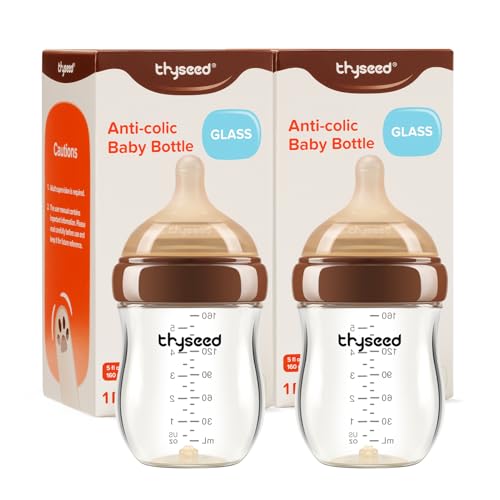
This is the same bottle you just read about, sold as a pair, and for most families that’s the smarter entry point. One bottle washes while the other works, which is the minimum viable rotation once feeding settles into a rhythm. Everything carries over: the base vent that keeps air out of the milk, the micro-opening nipple, and the extra slow flow rated for day-one use.
The practical difference shows up at midnight. With two bottles staged by the bedside, a 2 a.m. feed never waits on a dish rack.
What It Does Well
- Two-bottle rotation eliminates the wash-between-feeds scramble
- Base venting keeps milk smoother with fewer swallowed bubbles
- Extra slow flow nipple supports paced, breast-like feeding from birth
- Matching spares mean a dropped or chipped bottle never leaves you stranded
Less Ideal Details
- Still limited to the 0m+ extra slow nipple, so faster flows require separate purchases later
- Two bottles may still fall short for exclusive bottle-feeders running eight-plus feeds daily
Who Should Grab It
Breastfeeding households planning occasional or supplemental bottle feeds who want a ready backup without committing to a large set.
Consider Something Else When
Volume-focused stockers will find better coverage per dollar in the YOHKOH four-pack earlier in this list.
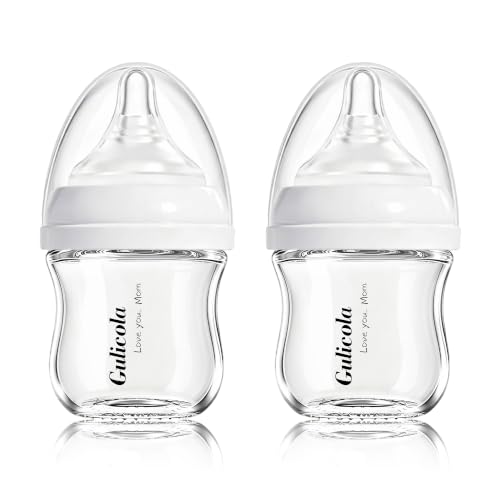
Most bottles on this list start at 5 oz, but many newborns take half that per feed in the earliest weeks. Gulicola addresses them directly with a 3 oz borosilicate body and extra slow flow nipples, including an SS rating suited to premature or very small babies. The nipple surface carries small guiding points that encourage a proper latch, a detail aimed at protecting breastfeeding habits while supplementing.
The ultra-soft silicone flexes much like breast tissue does, and owners frequently note that reluctant bottle-takers accept this shape more willingly. Smaller volume also means less poured-out waste when feeds end early.
Why It Works Well
- 3 oz capacity matches real newborn intake, cutting wasted milk dramatically
- SS extra slow flow nipples serve preemies and cautious feeders few other picks accommodate
- Latch-guiding texture on the nipple reinforces correct suction patterns
- Borosilicate glass arrives free of BPA, BPS, and phthalates
A Few Limitations
- Tiny capacity means frequent refills once appetite climbs past the first month or two
- Specialty sizing makes replacement nipples harder to find locally than standard flows
Core Details
The Right Fit
Parents of premature, low-birth-weight, or particularly small newborns who need the gentlest flow rate available in glass.
Look Elsewhere When
Full-term babies with average appetites will outgrow this size fast, making the 5 oz Thyseed pair the more durable choice.
What Matters Most Before Choosing Glass Bottles For Newborn
Size And Flow Come First
Newborn stomachs hold roughly one to two ounces early on, so oversized bottles invite waste and undersized nipples frustrate hungry babies. Match the flow rating to your baby’s age and vigor: extra slow for the first weeks, stepping up as sucking strength develops. A bottle that’s slightly too big causes no harm, but a nipple flowing too fast does.
Venting Style Shapes Daily Life
Anti-colic designs fall into two camps. Internal vents, like Dr. Brown’s tube, deliver strong gas reduction but add parts to every wash. Base vents, like Thyseed’s, keep the bottle simpler while still separating air from milk. Gassy babies justify the extra scrubbing; easier babies may not.
Glass Type And Handling
Borosilicate glass shrugs off temperature swings better than standard glass, which matters when bottles move between fridge and warm water. Whatever the type, expect breakage eventually and buy accordingly. Sleeves and careful storage extend lifespan considerably.
Nipple Feel For Nursing Babies
Breastfed infants reject stiff, oddly shaped nipples more often than any other feature. Soft silicone with a wide, breast-like base earns acceptance fastest, and textured or latching-guide surfaces help reinforce good suction habits during supplemental feeds.
Key Considerations Across These Picks
Traps First Timers Fall Into
The classic error is buying a dozen of one bottle before the baby weighs in. Every infant has preferences, so start with one or two of any model and expand only after a week of successful feeds. Another common slip: ignoring nipple flow stages, then blaming the bottle for fussiness that was really a too-fast nipple.
What Separates Premium From Basic
Higher-priced bottles earn their cost through venting research, softer silicone compounds, and borosilicate bodies that resist thermal shock. Pay up when your baby struggles with gas or refuses cheaper nipples. For an easygoing feeder, a straightforward multi-pack serves just as well.
Bottom Line
Glass bottles reward a little patience at the start. Match the size and flow to your newborn’s actual appetite, keep a spare on hand, and let your baby’s reaction guide the rest of the collection. Any of these seven will treat a small stomach kindly; the right one is simply the one your baby accepts without a fight.
