

Dogs chew grass. It’s one of the most common behaviors owners notice, and it usually points to a simple need: fiber, digestion support, or just something green to nibble. The problem is that lawn grass often carries pesticides, fertilizers, and unknown residues you can’t see or control.
That’s where this list comes in. You’ll find grow-it-yourself seed blends and kits that put safe greens on a windowsill in under a week, plus a lawn mix built for yards dogs actually use, and two food-based options for pups whose grass habit signals a dietary gap. Each pick suits a different setup, from apartment windowsills to full backyards.
The Essentials At A Glance
Simple Cat Grass Blend Organic 4-Seed Mix 6 Ounce

Handy Pantry Organic Cat Grass Kit with Tray

Pennington Clover Grass Seed Mix for Lawn 7lb

Seedboy Organic Hard Red Spring Wheatgrass Seeds

Back to the Roots Organic Wheatgrass Seeds 1 Pound

Natural Dog Company Super Greens Food Topper 8oz

Chippin Healthy Dog Treats Spirulina Kale Biscuits
Why These Options Stand Out
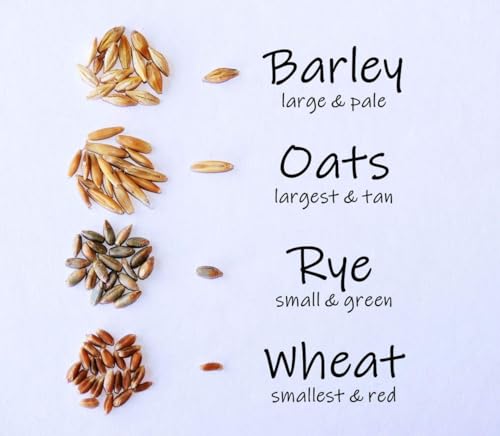
Most pet grass products lean on a single seed type. This one mixes wheat, barley, oats, and rye, so each tray sprouts with slightly different blade textures and growth speeds. That variety matters more than it sounds: some animals ignore one texture but go straight for another.
The six-ounce bag holds roughly 4,800 seeds, which translates into many sowings from a single purchase. Apartment dwellers growing trays on a sunny sill will find the format forgiving, since no soil disc or tray is required beyond what you already own.
Benefits That Matter
- Organic, non-GMO seed sourced in the US, so nothing questionable ends up in what your pet chews.
- The four-grain mix staggers germination, giving you fresh blades over a longer window instead of one flush that fades fast.
- A 6-ounce bag stretches across months of successive plantings for a single-pet household.
- Works equally well for cats and dogs, useful in mixed-pet homes.
Small Caveats
- You supply your own container and growing medium, which adds a small upfront errand compared with a bundled kit.
- Mixed grains can sprout unevenly depending on your indoor temperature and light.
Who It Suits Best
First-time growers who want an organic multi-grain option without committing to a full kit setup.
Where A Sibling Pick Shines
Anyone wanting zero guesswork should reach for the Handy Pantry Organic Cat Grass Kit instead, since it bundles the tray and soil puck.
Everything arrives in one box here: a 4×4-inch tray, a pre-measured organic wheatgrass seed pack, and a compressed soil disc that expands with water. Nothing else to buy, measure, or second-guess. For someone growing pet grass for the first time, that removes every point of failure.
Wheatgrass is among the fastest greens you can sprout, and this kit is typically ready within about five days of planting. In a busy household, that speed is the whole appeal: set it up Sunday, and your dog has something safe to graze by the weekend.
What Helps Most
- Grows fast, usually ready around five days after planting, so impatient pets get results quickly.
- The compact 4×4 tray fits a windowsill, desk, or shelf without crowding anything.
- Pre-measured seed and a single soil disc mean zero measuring mistakes.
- Serves cats, dogs, rabbits, and birds alike, which makes it a flexible gift for any animal lover.
- Organic wheatgrass supports digestion and packs vitamins into each blade.
Things To Consider
- One tray means one sowing at a time; heavy grazers will finish a crop quickly and leave you waiting on the next batch.
At A Glance
Made For
Busy first-timers and gift-givers who want a foolproof, everything-included start.
Consider Something Else When
Households going through grass faster than one small tray can supply should step up to the Back to the Roots one-pound bulk bag.
Indoor trays solve the problem inside, but most grass-eating happens in the yard. This Pennington mix blends white clover with grass seed, and clover stays softer and greener than standard turf through summer stress. Dogs that patrol the same patch of lawn daily tend to do less damage to clover-heavy ground, too.
The seven-pound bag covers up to 1,400 square feet, enough for an average suburban yard overseeding or a smaller lawn done twice. It performs best in northern US regions, so southern growers may want to temper expectations during peak heat.
Everyday Perks
- Clover naturally fixes nitrogen in soil, which can reduce how much fertilizer your lawn needs over time.
- Soft clover blades are gentler under paws than coarse turf varieties.
- Wide coverage per bag keeps cost per square foot low for larger properties.
Points To Note
- Regional fit matters: this blend targets northern climates and may struggle in deep-south summers.
- Clover attracts bees when it flowers, worth knowing for households with curious sniffers.
- New seed needs consistent watering during establishment, a few weeks of daily attention.
Feature Rundown
Right Fit For
Homeowners in northern states reseeding a yard their dog uses every day.
Swap It Out When
Renters and apartment residents with no yard should stick with the Handy Pantry kit’s indoor tray approach.
Hard Red Spring wheat is the variety juicers chase, and Seedboy sells it certified organic and grown in the USA. That dual purpose shapes the value here: one bag feeds your dog’s grazing tray and your morning smoothie shots from the same harvest.
Unlike the Handy Pantry kit reviewed earlier, this is seeds only, so you’ll bring your own tray and medium. Experienced growers won’t blink at that. Sprouting requires no garden and no special skill, just a shallow tray, moisture, and light, which makes it workable even in small apartments.
What It Does Well
- Certified organic and quality-tested per batch, giving you traceable sourcing.
- Hard Red Spring wheat produces dense, nutrient-rich blades prized for juicing.
- One purchase serves both pet grazing and human microgreens.
- No garden needed; a windowsill tray does the job.
Worth Noting
- Seeds alone means sourcing your own tray and growing medium before day one.
- Juice-grade density takes slightly longer to mature than pet-grass cuts, so timing your harvest depends on the goal.
Quick Facts
Who Should Grab It
Health-minded households already juicing or blending who want their dog’s greens from the same trusted source.
Not Your Match When
Total beginners who want hardware included will find the Handy Pantry kit’s bundled tray far less fussy.
A pound of seed goes a long way. Where the Handy Pantry kit covers one sowing, this 16-ounce bag from Back to the Roots keeps a rotation of trays running for weeks, which is exactly what multi-pet homes need. One dog demolishing a tray every five days burns through small packets fast.
The routine is deliberately simple: soak the seeds, plant, water once, wait. The brand positions these as cat grass seeds, but wheatgrass works the same for dogs, and the organic, non-GMO certification applies across the board. Storage is the only real task; keep the bag sealed and dry between sowings.
Everyday Wins
- Bulk quantity supports continuous tray rotations without frequent reordering.
- USDA organic and non-GMO, untreated with pesticides, safe for both pets and people.
- Simple soak-and-grow process suits anyone, no green thumb required.
- Per-sowing cost drops sharply versus small packets once you’re on your third or fourth tray.
- Doubles as a natural hairball-management green for cat-and-dog households.
Room For Improvement
- Seeds only, so budget for trays and soil separately on the first order.
Product Snapshot
Best Suited To
Owners of two or more grazing pets who want the lowest long-run cost per tray.
Look Elsewhere When
Single-cat apartments testing the waters should start with the smaller Simple Cat Grass Blend before committing to a full pound.
Sometimes constant grass-eating points at diet rather than boredom. This powder topper approaches the behavior from the bowl side, delivering over sixty nutrients, vitamins, and minerals meant to fill gaps a kibble-only diet can leave. You sprinkle it over regular meals, so there’s no new feeding routine to learn.
The formula splits into three functional blends: a super-greens multivitamin base, an antioxidant berry component aimed at immune defense, and pumpkin for digestive support. Skin and coat nutrients round it out. Unlike the grow-your-own picks earlier in this list, there’s nothing to plant or maintain, which suits travelers and low-effort households.
Where It Helps
- Over 60 nutrients target eye health, immunity, digestion, and coat condition in one scoop.
- No fillers or artificial preservatives in the ingredient list.
- Formulated for all life stages, from puppies through seniors.
- Pairs with the brand’s salmon oil for a broader wellness routine.
Honest Caveats
- Powder texture doesn’t appeal to every dog; some owners report needing to mix it thoroughly into wet food.
- An 8-ounce tub runs out faster in multi-dog homes than seed-based options.
- It addresses suspected dietary causes only; behavioral grass-chewing will continue regardless.
Core Details
Whose Shelf It Belongs On
Owners of picky eaters or seniors whose vet suspects a nutritional gap behind the grazing habit.
Another Choice May Suit
Dogs with confirmed protein allergies may do better with Chippin’s hypoallergenic biscuits, which tackle the same goal through treats.
Chippin attacks the grass habit head-on. Its biscuits pair spirulina, a blue-green algae that functions as a natural probiotic, with fiber-rich kale, carrots, and oats. The theory is straightforward: many dogs eat grass chasing fiber or missing nutrients, and a treat that supplies both gives them less reason to graze the lawn.
Everything here is plant-based, with no beef, chicken, turkey, dairy, soy, corn, or fillers. That makes these biscuits a genuine option for dogs with common protein allergies, and they double as training rewards or a crushed meal topper. A woman-owned US brand developed the recipe with board-certified veterinary nutritionists, which adds a layer of formulation credibility you don’t always see in the treat aisle.
Positive Points
- Spirulina plus vegetable fiber supports gut health and may reduce grass-seeking behavior.
- Hypoallergenic recipe excludes the proteins and grains that trigger most sensitivities.
- Low-calorie crunch works as a daily training reward without wrecking portion budgets.
- Crushable texture lets you use it as a meal topper for extra digestive support.
Less Ideal Details
- The 5-ounce pouch is small; daily treating in a big household means frequent reorders.
- Plant-based flavor isn’t universally loved; some meat-motivated dogs turn their noses up at first.
Feature Breakdown
The Right Fit
Allergy-prone dogs on limited-ingredient diets whose owners want a functional treat, not just a snack.
Reach For A Different Pick When
Dogs needing broad vitamin coverage rather than targeted gut support fit the Natural Dog Company Super Greens topper better.
What Matters Before Choosing Grasses For Dogs To Eat
Start With Where The Grazing Happens
Indoor trays and outdoor lawns solve different problems. A windowsill kit gives you full control over what goes into the soil and water, which matters in rentals or areas where lawn treatments are common. Yard seed mixes make sense only when you control the property and can commit to establishment watering. Match the product to the space first; everything else follows from that decision.
Read The Certification, Not The Marketing
Organic and non-GMO claims carry real weight here because your pet eats the end result raw. Look for named certifications such as USDA organic rather than vague “natural” language. Seed origin matters too: domestically grown and packed seed tends to arrive fresher, and fresher seed germinates more reliably.
Consider Why Your Dog Eats Grass
Occasional grazing is normal canine behavior. Frequent, urgent grass-eating can signal fiber deficiency, digestive upset, or boredom. Grow kits address the behavior safely; toppers and functional treats address possible dietary causes. Persistent changes in appetite or digestion deserve a conversation with your veterinarian before you buy anything.
Key Considerations Across These Picks
Traps First Timers Fall Into
The most common mistake is buying seeds without checking what else the project needs. Several options here are seeds only, so factor in a tray, growing medium, and a spot with decent light before ordering. Another slip: choosing a regional lawn mix without confirming your climate zone matches its intended range.
When Paying More Pays Off
Bulk bags cost more upfront but drop the per-tray cost dramatically once you’re past the second or third sowing. Bundled kits charge a premium for convenience, which is money well spent on a first attempt and wasted on a fifth. Pay for certification and formulation expertise; skip paying for packaging you don’t need yet.
Closing Thoughts
Grass-eating is normal, but the source of that grass is entirely up to you. Start small with a bundled kit if you’re unsure, scale to bulk seed once the routine sticks, and look at toppers or functional treats when the habit seems tied to diet. Whichever route fits your home, your dog gets something green that never saw a lawn chemical.
